The vodka belt is an informal term for the band of northern and eastern European countries where vodka has been produced and consumed for centuries and where it remains the default spirit. It usually covers Poland, Russia, Ukraine, Belarus, the Baltic states, Sweden, Finland, Norway and Iceland.
Why did vodka develop there?
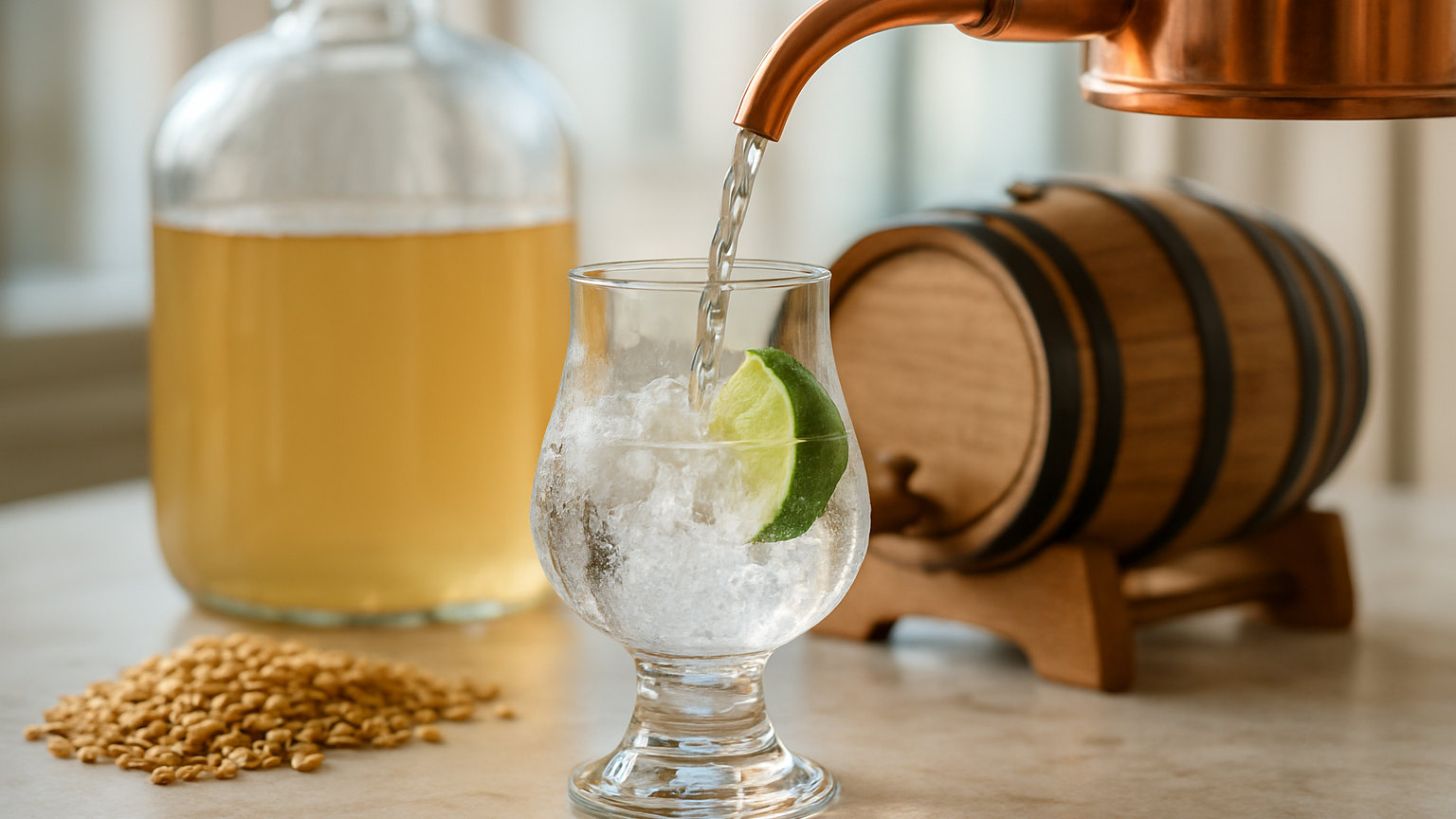
Climate and agriculture. Grapes do not grow well at those latitudes, so wine and brandy were never viable local products. Grain and, later, potatoes did grow well, and distilling them produced a spirit that kept indefinitely and could be made anywhere there was a surplus harvest.
Cold also plays a part in how the spirit is used. A high strength spirit served very cold with fatty, salty food makes considerably more sense in a northern winter than it does elsewhere, and the serving tradition reflects that.
How is vodka drunk there?
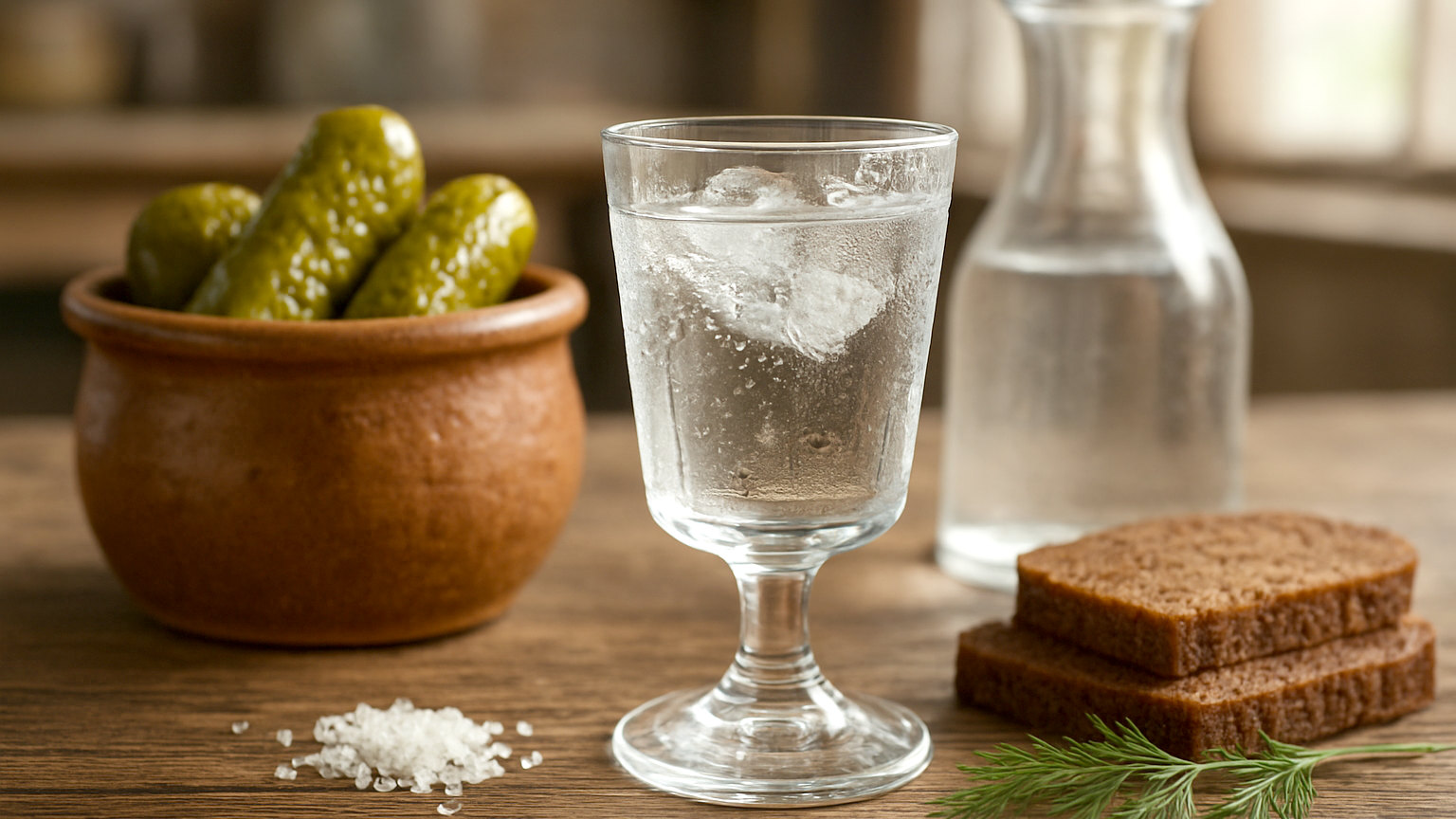
Neat, cold, in small measures, and almost always with food. This is the single largest difference from how vodka is consumed in most of the world, where it functions mainly as a neutral base for mixed drinks.
Traditional accompaniments include pickled cucumber and other pickled vegetables, herring and other cured or smoked fish, rye bread, cured meats and hot soups. The pairing works because salt and fat balance the strength of the spirit and the spirit cuts through the richness.
Toasting conventions vary considerably by country and are taken seriously in several of them, which is worth knowing before attending a meal where vodka is served.
Is there a legal argument behind the term?
Yes, and it is where the phrase entered wider use. During European Union negotiations over the legal definition of vodka in the mid 2000s, producers from the traditional vodka countries argued that vodka should be restricted to spirit made from grain and potatoes.
Producers elsewhere, using grapes, molasses and other bases, argued for a broader definition. The compromise reached was that vodka may be made from any agricultural raw material, but where the base is anything other than cereals or potatoes, the label must state what it was made from.
That is why a grape or molasses based vodka carries a statement of its raw material and a wheat one need not. It is a small piece of labelling that came out of a substantial argument.
Are any vodkas geographically protected?
Several. Polish Vodka, or Polska Wódka, is a protected designation requiring production in Poland from Polish grown rye, wheat, barley, oats, triticale or potatoes. Russian Vodka, Lithuanian vodka, Estonian vodka and Swedish vodka hold similar protections, as do a number of specific regional styles.
These designations concern origin and raw material rather than quality, in the same way as protections covering other spirits. They do tell you something concrete, which is more than most vodka labelling manages.
Do vodka belt styles differ from each other?
Broadly, yes, though the differences are matters of emphasis.
- Poland has a strong rye tradition, giving drier and spicier vodka, alongside a well established potato sector and a long history of flavoured and herbal styles.
- Russia and Ukraine lean towards wheat, generally producing softer, gently sweet vodka.
- The Nordic countries emphasise wheat and highly refined production, and Sweden in particular built its modern reputation on consistency and cleanliness.
- The Baltic states maintain both grain and potato traditions, with a notable line in herb and honey flavoured styles.
Does any of this help when buying?
It gives you a starting point. A protected origin label tells you the raw material and the place, which are two of the very few concrete facts available in a category where most claims are unverifiable.
More usefully, the serving tradition is worth borrowing regardless of which bottle you buy. Vodka served very cold in a small glass alongside something salty is a far better drink than the same vodka poured over ice in a tumbler, and it costs nothing to try.
It also changes the pace of drinking, which is part of the design. Small measures taken alongside food over a long meal are a different proposition from a large glass sipped alone, and the tradition assumes the former.