With most spirits the mixer supports the base. With vodka it replaces it. Since the spirit brings strength and texture but almost no flavour, whatever you add is what you will taste, and a careless choice produces a drink that is simply sweet and cold.
What is the best all round mixer?
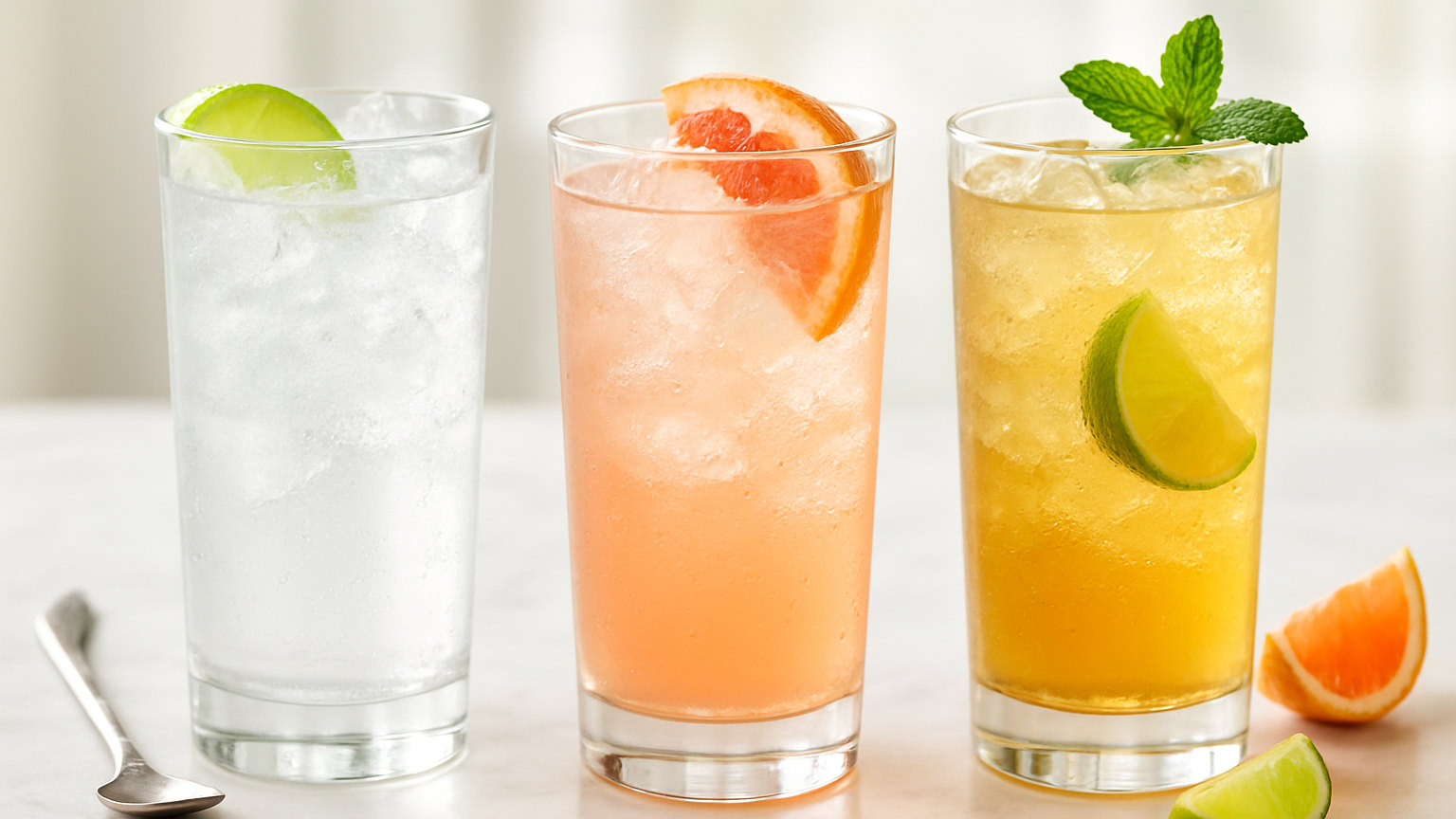
Soda water, for anyone who wants to taste something other than sugar. A vodka soda with a generous squeeze of lime is clean, low in sugar and refreshing, and it is the drink that most rewards a decent bottle, because there is nothing to hide behind.
It is also the most exposing. A rough vodka in a vodka soda is unmistakably rough, which is worth knowing before blaming the recipe.
How do the common mixers compare?
- Soda water. Neutral, no sugar, lets the vodka's texture show. Needs citrus to avoid being austere.
- Tonic water. Adds bitterness from quinine and a good deal of sugar. Works, though tonic was designed to meet juniper and has less to react with here.
- Ginger beer. Spicy and assertive, and the basis of a moscow mule with lime. One of the best simple vodka drinks there is.
- Ginger ale. Lighter and sweeter than ginger beer, and an easier everyday option.
- Cranberry juice. Tart and fruity, though most commercial cranberry drinks are heavily sweetened. Look for a higher juice content.
- Tomato juice. The basis of a bloody mary, and the one mixer where vodka's neutrality is genuinely an asset.
- Orange juice. Familiar and forgiving. Fresh juice makes a substantially better screwdriver than concentrate.
- Cola. Dominant and very sweet. The vodka disappears entirely, which is either the point or the problem.
What ratio should you use?
One part vodka to three parts mixer is the standard for a long drink and a sensible default. One to two makes a short, spirit forward drink. One to four is light and suits a hot day or a long evening.
Measure the spirit rather than free pouring. A generous eye in a large glass routinely turns a single measure into something closer to double, and with a strongly flavoured mixer there is nothing in the taste to warn you.
How do you keep a long drink from being flat and watery?
- Fill the glass properly with ice. A full glass of ice melts more slowly than a few cubes, so the drink dilutes less.
- Use cold mixer straight from the fridge, since warm mixer over ice melts it immediately and loses carbonation.
- Buy small bottles or cans of anything carbonated, because a large bottle goes flat within a day or two of opening.
- Pour gently down the side of the glass and stir once, if at all.
What lifts a simple vodka drink?
Acid and aroma, which are the two things vodka cannot supply. Fresh lime or lemon transforms a vodka soda. A cucumber ribbon, a sprig of mint, a few dashes of bitters or a grapefruit twist each add aromatic interest for almost no effort.
A dash of bitters in particular is the cheapest upgrade available. It costs a few pence per drink and gives a vodka and soda the aromatic backbone it otherwise lacks.
Should the mixer change with the vodka?
Mildly. A fuller textured potato or rye vodka has enough presence to hold its own with soda and citrus. A very clean, heavily filtered wheat vodka can taste thin in that setting and does better with something that brings its own character, such as ginger beer or tomato juice.
If you are buying a bottle specifically for cola or a strongly flavoured mixer, there is little point spending much. Save the better bottle for the drinks where you can actually taste it.
What about sugar content?
Vodka itself contains essentially no sugar, so everything in a long drink comes from the mixer. A standard tonic or cola contributes a substantial amount across a tall glass, while soda water contributes none. If that matters to you, the single most effective change is switching the mixer rather than the spirit, and adding lime or bitters to keep the drink from tasting bare.