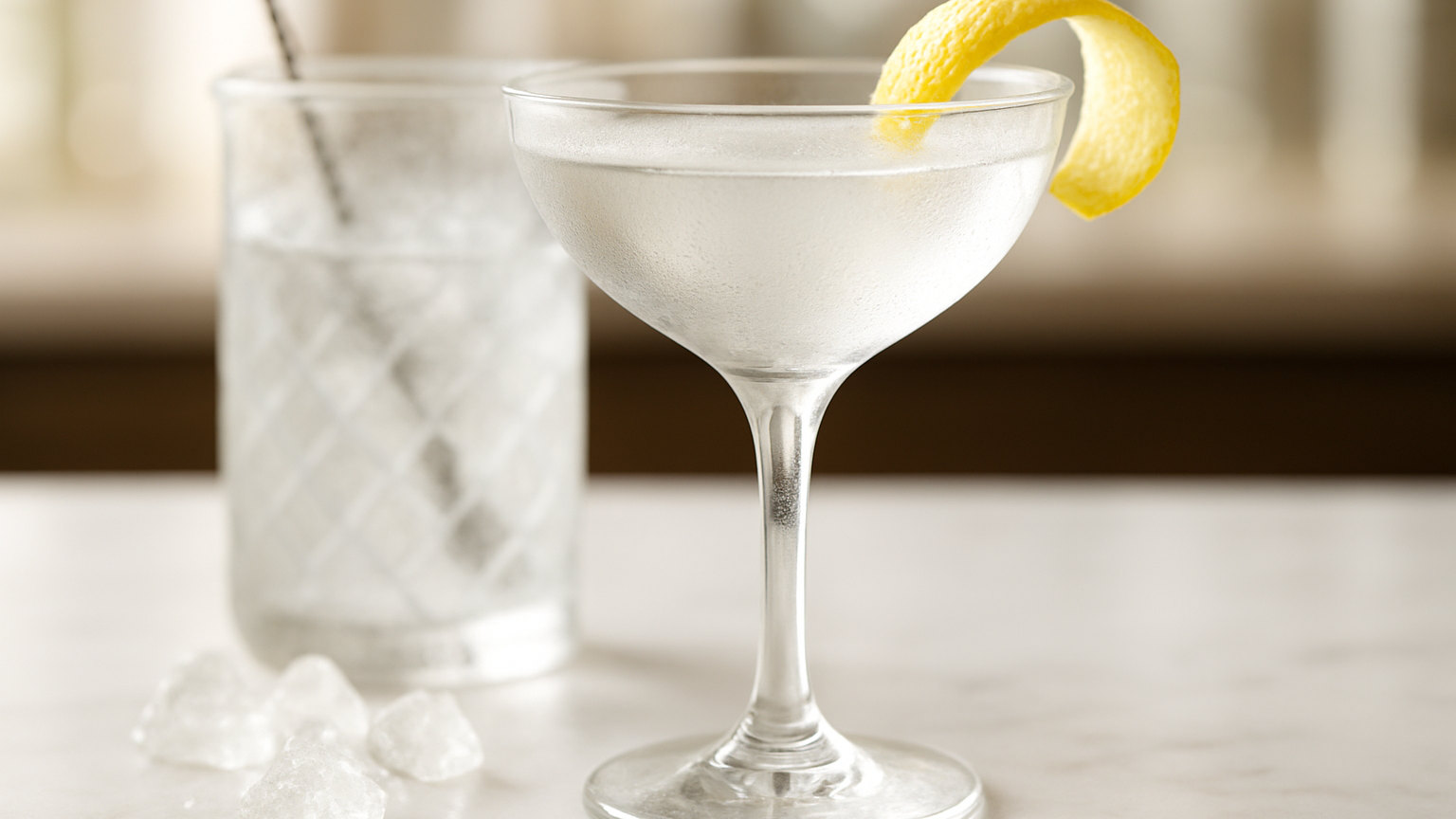
A vodka martini is vodka, vermouth, dilution and cold. Since the vodka contributes little in the way of flavour, the drink stands or falls on texture, temperature and the freshness of the vermouth, which is a different set of priorities from a gin martini.
What should you look for in the vodka?
- Texture above all. A fuller, oilier vodka gives the drink weight. Potato and rye based vodkas are the usual recommendations for this reason.
- Cleanliness. Any harshness or solvent note is fully exposed in this drink. This is where cheap vodka is most obviously cheap.
- Strength. A vodka bottled above 40 per cent survives dilution better and produces a fuller drink.
- Light filtration. Heavily filtered vodkas can taste thin once diluted, having had their remaining character removed.
Flavour notes matter far less. If you find yourself choosing between two vodkas on the basis of subtle citrus and pepper claims, choose on texture instead.
Does it need vermouth at all?
Yes, if you want a cocktail rather than cold vodka. The vermouth supplies almost all of the aromatic content in a vodka martini, since the base spirit brings very little. Skipping it produces a drink with nothing in it but alcohol and water.
Ratios between six to one and three to one work well. Because the vodka is not competing for attention, many people find they prefer more vermouth in a vodka martini than in a gin one.
Why does vermouth freshness matter so much?
Vermouth is fortified wine, typically around 15 to 18 per cent alcohol, and it oxidises like wine. An open bottle at room temperature is noticeably stale within weeks and unpleasant within a couple of months.
Since vermouth is providing the flavour here, stale vermouth ruins a vodka martini more completely than it ruins a gin one. Buy small bottles, keep them in the fridge, and replace them within a month or two.
Shaken or stirred?
They make genuinely different drinks. Stirring chills gently, dilutes less, and produces a clear, dense, silky texture. Shaking chills faster, adds more dilution, aerates the liquid and leaves small ice shards, giving a cloudier, lighter, sharper drink.
For a vodka martini the argument for shaking is stronger than for gin, because texture is the point and some people prefer the colder, more aerated result. Neither is incorrect, and the difference is easy to test at home with two small glasses.
How cold should it be?
As cold as you can manage. Cold thickens the texture, which is the main pleasure of the drink.
The most effective approach is to keep the vodka in the freezer and the vermouth in the fridge, chill the glass with ice and water while you work, and then stir or shake only briefly. This reaches a very low temperature without over diluting, which is the trap of stirring warm spirits for a long time.
What about the garnish?
A lemon twist adds citrus oil and lifts a drink that can otherwise be austere, and it is the better default with vodka. An olive adds salt and savouriness, which suits a fuller textured vodka. A pickled onion turns the drink into a gibson.
Express the twist over the surface so the oils land on the drink rather than simply dropping the peel in, since aroma is exactly what this drink is short of.
Does an expensive vodka make a better martini?
Up to a point. Clearing the bottom of the market matters, since roughness is unmissable here. Beyond a decent mid priced bottle, technique and vermouth freshness make far more difference than trading up, and cold vermouth with a mid priced vodka beats warm vermouth with an expensive one every time.
If you want to prove that to yourself, make two martinis with the same vodka, one with vermouth opened that week and one with a bottle that has been in the cupboard for months. The gap between them is far larger than the gap between two vodkas at different prices, and it costs nothing to test.