The gap between a home cocktail and a good bar one is almost entirely ingredients and habits rather than equipment or expensive bottles. Six things account for most of it: ice, dilution, fresh citrus, fresh vermouth, accurate measurement and a chilled glass. Five of them are free.
Ice, and how much of it
The most consequential difference and the most counterintuitive.
More ice dilutes less. A glass or shaker packed with ice chills the whole drink quickly, after which everything sits at the same low temperature and melting slows dramatically. Three cubes in a larger volume of warmer liquid melt fast and produce a watery drink within minutes.
Bars fill the shaker. Home drinkers usually add a handful.
Bar ice is also fresh, dry and cold from a machine, where home ice has frequently been sitting in an open tray for weeks absorbing whatever else is in the freezer. A drink that tastes faintly of last week's dinner is almost always the ice.
Storing ice in a sealed bag and making it weekly costs nothing. Our ice guides cover the rest.
Dilution
Water is an ingredient, and the one most often missing at home.
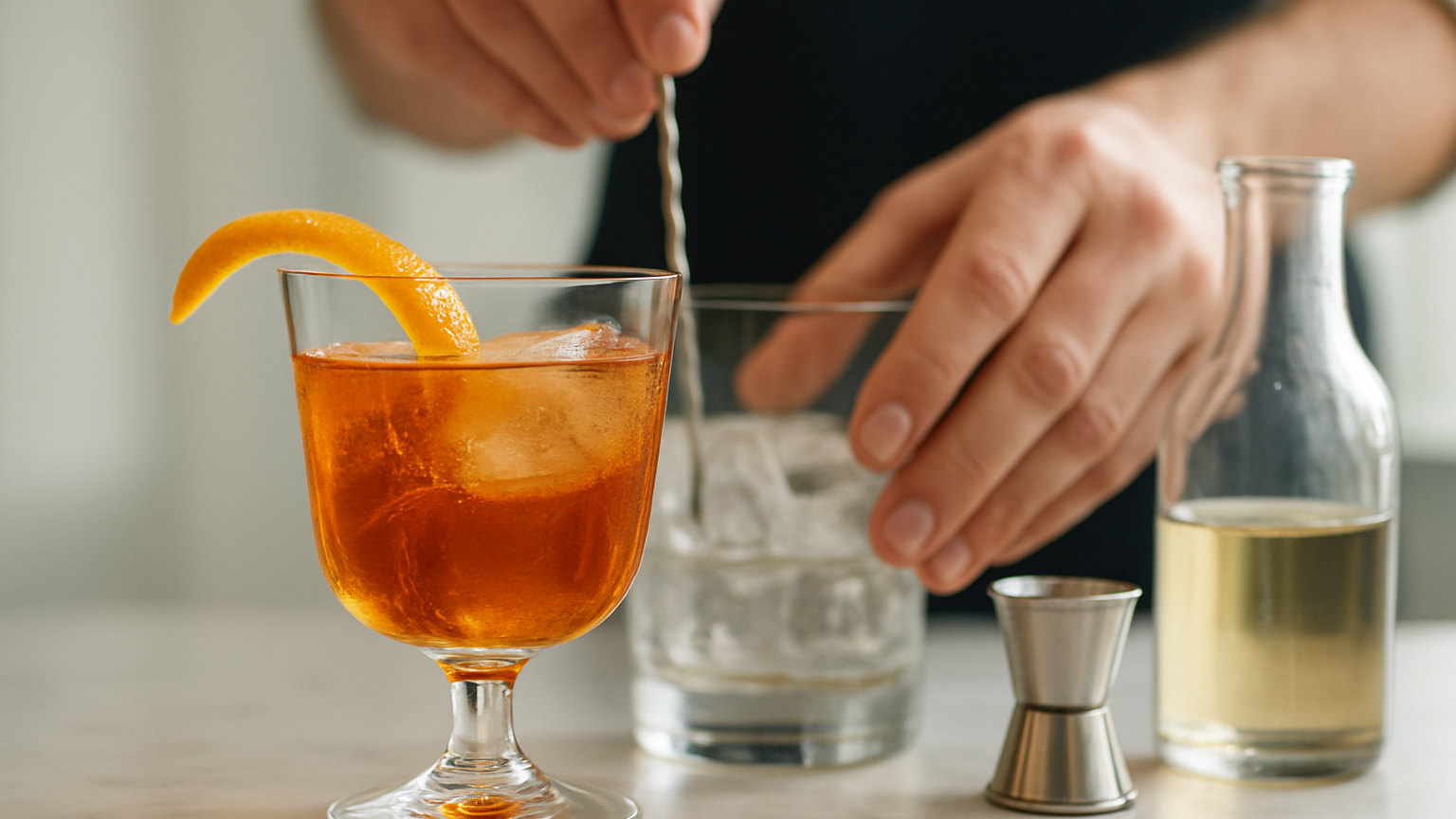
A stirred drink gains around twenty to twenty five per cent of its volume in water during stirring; a shaken one gains twenty five to thirty. That water softens the alcohol, opens the aromatics and brings the drink to its intended strength.
A martini made without proper dilution is not a stronger martini. It is an unfinished one, and it tastes harsh and closed.
This is the most commonly misdiagnosed fault in home bartending. The instinct is to add sugar, which produces something sweet and still harsh. The fix is a longer stir or shake.
Bars shake for ten to fifteen seconds of genuine effort and stir for around thirty. Most people at home do considerably less than they think. Our shaking and stirring guides cover how to judge it.
Fresh citrus
The gap between fresh and bottled juice is larger than the gap between any two spirits at the same price.
Bottled juice tastes flat and faintly cooked because the volatile aromatics have gone. It cannot be compensated for.
Bars squeeze to order, or at most a few hours ahead. Juice starts deteriorating within hours, and lime is noticeably duller by the following day.
A hand press costs a few pounds and makes squeezing easy enough that you actually do it.
Fresh vermouth
The single most common reason a home martini, manhattan or negroni disappoints.
Vermouth is wine, fortified to around fifteen to eighteen per cent, which is nowhere near enough to preserve it. It belongs in the fridge and it is noticeably stale within about a month of opening.
A martini is a quarter to a third vermouth. If that portion has oxidised, no technique will rescue the drink.
A busy bar gets through a bottle in days. A home bar may take a year, with the bottle in a warm cupboard the whole time.
Buy the smallest bottle available, keep it in the fridge and replace it monthly. This is the highest-return change most home bars can make.
Measuring
A cocktail is a ratio, and free pouring introduces error at every measure.
Worse, the errors compound in one direction: an eyeballed pour is almost always larger than intended, which makes the drink both unbalanced and stronger than planned.
Professional bartenders who free pour have practised with measured bottles for months. It is a genuine skill with no application at home, where there is no time pressure.
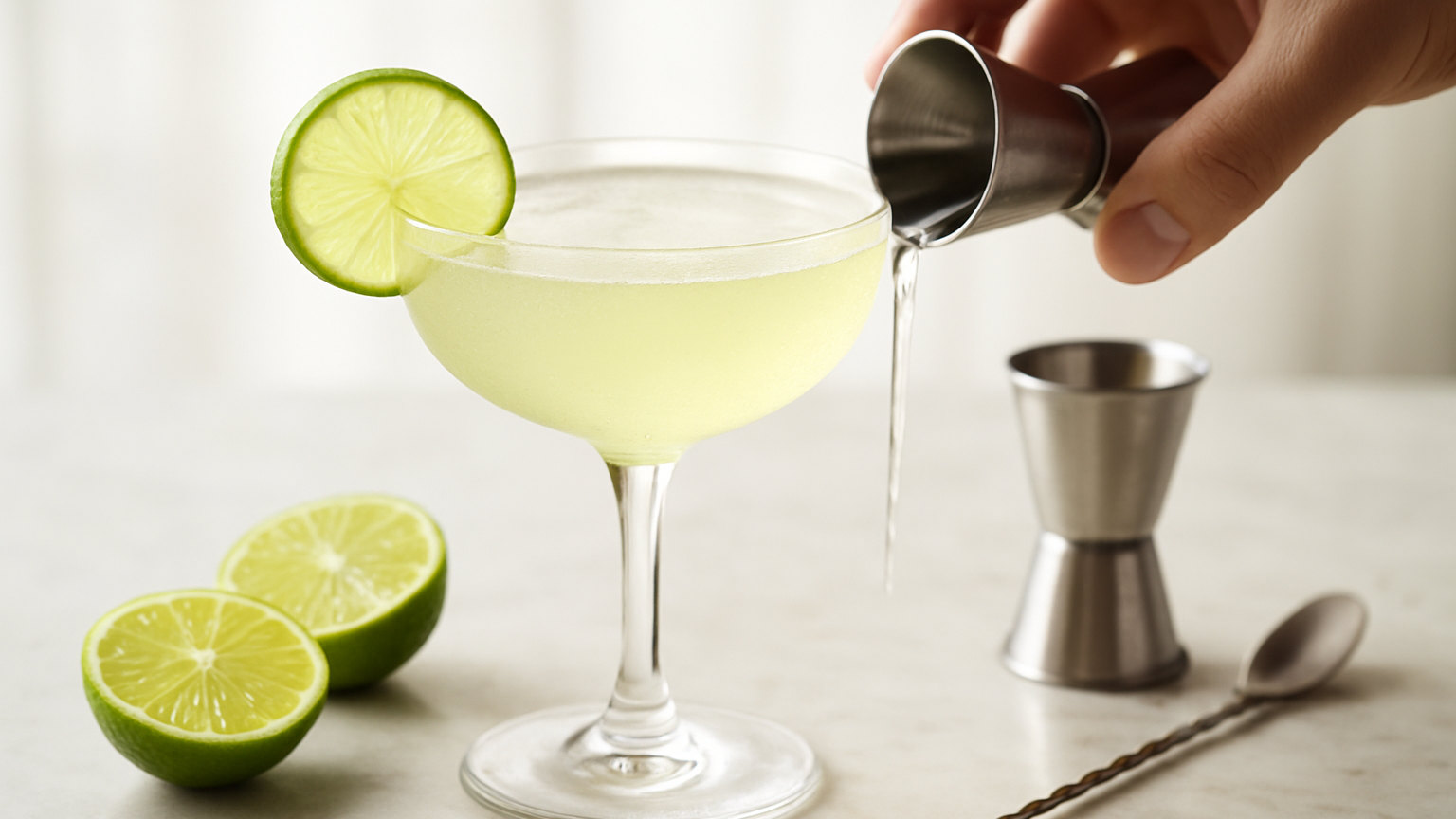
A jigger costs a few pounds. Our bar equipment guides cover which one.
A chilled glass
For anything served without ice, the glass is the only thing keeping the drink cold.
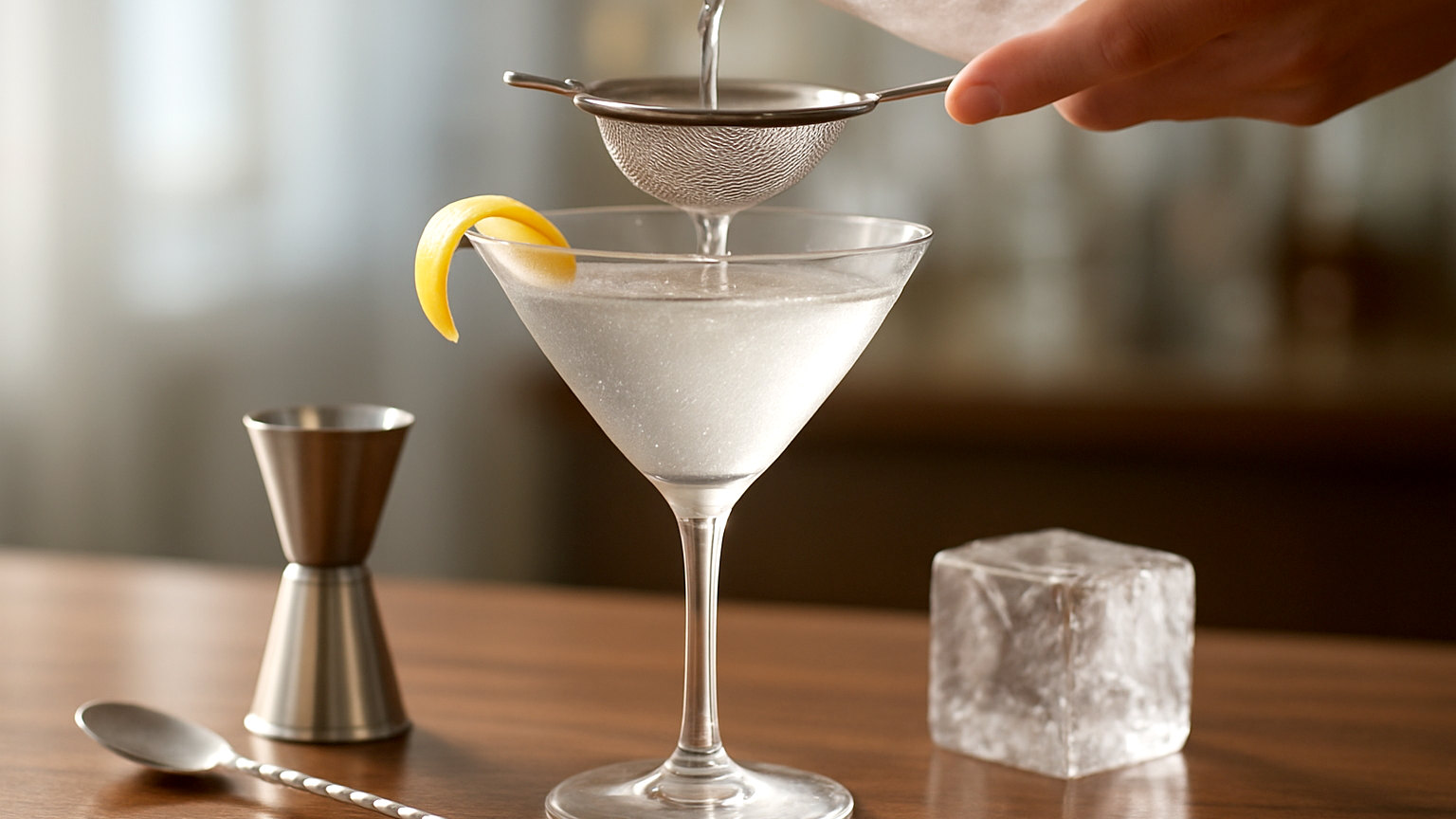
Ten minutes in the freezer, or filled with ice and water for two minutes while you make the drink, and it holds temperature for the whole ten to fifteen minutes you are drinking it.
A perfectly made martini poured into a room-temperature glass is warm before you are halfway down. Our glassware guides cover this and the question of size.
Glass size, which nobody mentions
A martini made to a sensible recipe is around 115ml after dilution. A modern V-shaped glass frequently holds 250ml or more, in which that measure looks lost.
The response is a bigger pour, which produces a drink that is both oversized and warm before it is finished.
Smaller glasses produce better drinks and more sensible measures at the same time.
The one thing bars have that you cannot copy
Repetition.
A bartender who has made four hundred daiquiris knows things about limes, dilution and balance that no amount of reading conveys. That judgement, rather than dexterity, is the real skill.
The only way to close it is to make the same drink repeatedly rather than a different one each time, changing one variable at a time and tasting before you serve.
What is not the answer
Expensive bottles. Moving from a poor spirit to a decent one makes a real difference; moving from a decent one to an expensive one makes much less, particularly in a drink with three other ingredients.
More equipment. A jigger, a shaker, a strainer, a spoon and an ice mould is the complete list.
A well made drink with a mid-range spirit beats a carelessly made one with an expensive spirit comfortably, which is encouraging, because habits are free.