The most useful thing anyone can learn about wine pricing is that the money does not scale with the price. A bottle at ten pounds does not contain twice as much wine value as one at five, because most of the five pound bottle was never wine value in the first place.
The arithmetic behind the curve
Duty is charged per bottle according to alcoholic strength rather than as a percentage of the selling price. VAT is then applied to everything including the duty. On top of that sit the glass, closure, label, shipping, retailer handling and margin, all of which are broadly similar whatever is inside.
The consequence is that fixed costs dominate the bottom of the market. Increase the shelf price by a few pounds and almost all of that increase flows through to the producer, multiplying the money available for grapes, yields and winemaking several times over.
Increase it again from fifteen to twenty five and the proportional gain is far smaller, because the fixed costs were already covered. This is why the quality curve rises steeply and then flattens.
What each band buys
At the very bottom, the wine is made from high-yielding fruit, processed quickly and adjusted to be inoffensive. It is not faulty, and it is not interesting.
Between roughly eight and twelve pounds, the picture changes substantially. Lower yields, better fruit, more careful winemaking and sometimes genuine oak ageing become possible, and this is where most drinkers find the biggest improvement per pound they will ever experience.
Between twelve and twenty, you gain regional character, single-estate production and wines built to reward attention rather than merely to be pleasant.
Above twenty, you are buying concentration, ageing potential, famous vineyards and reputation. The wine continues to get better, more slowly, and an increasing share of the price is scarcity rather than substance.
The comparison that matters
Two bottles at six pounds are worse value than one at twelve, which is an unpopular observation and an arithmetically sound one. The twelve pound bottle contains several times the wine value.
The practical version of this is to drink slightly better and slightly less often rather than to spread the same budget across more bottles. It is also the least welcome advice in the category, and nobody is obliged to take it.
Where to find more for less
Fashion is priced into wine as surely as anything else, so the reliable saving is to buy the same style from an unfashionable place. Cahors instead of Argentine malbec, Beaujolais instead of Burgundy, Portuguese reds instead of Rhône blends, Greek, Hungarian and Slovenian wines instead of their western European equivalents.
Within regions, the outlying appellations offer the regional character without the famous name. Within producers, second wines from serious estates are made from the same fruit with a different selection.
Own-label supermarket bottles remove the marketing cost entirely and are frequently made by producers whose own-name wines cost more.
How to decide for yourself
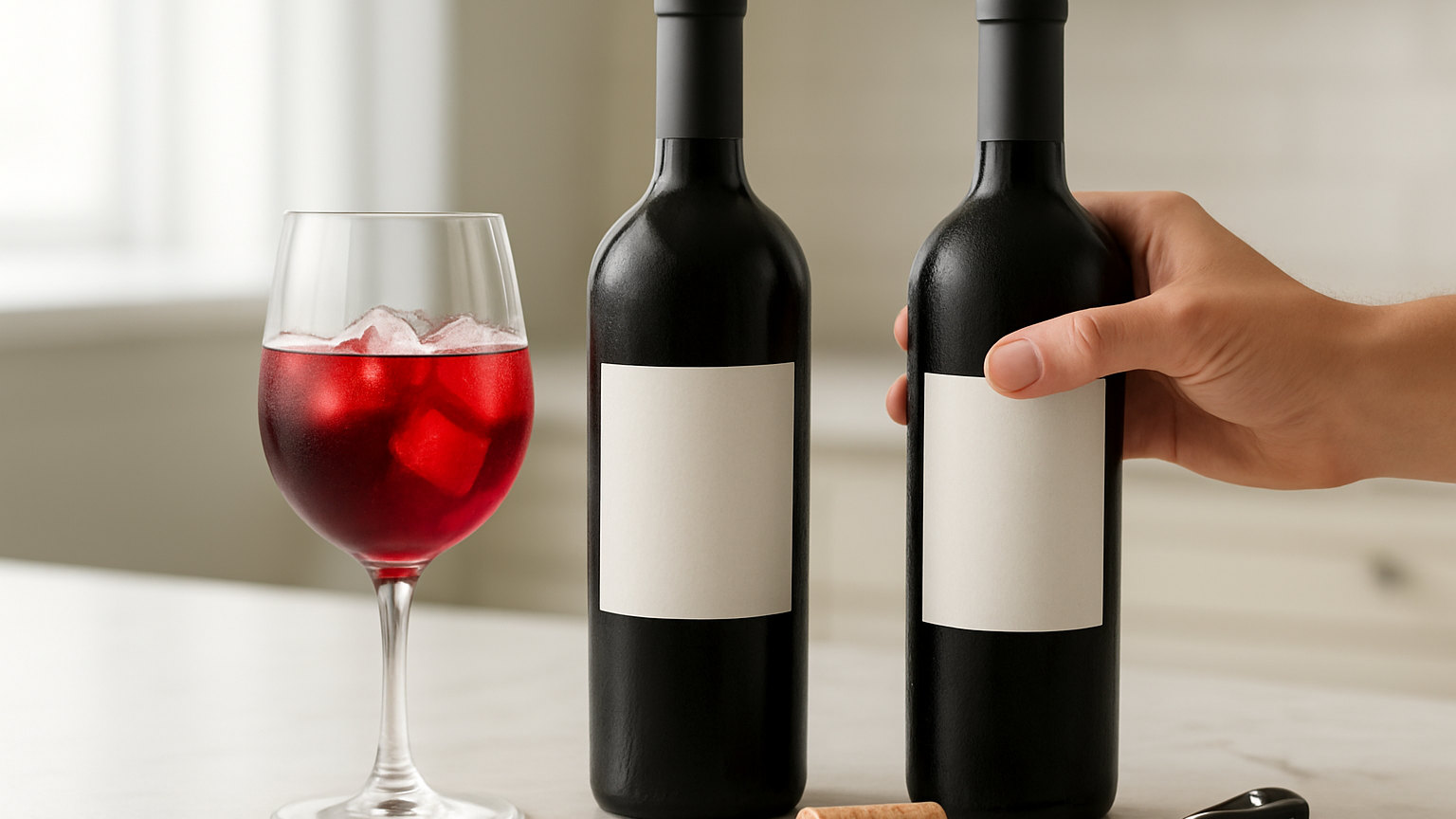
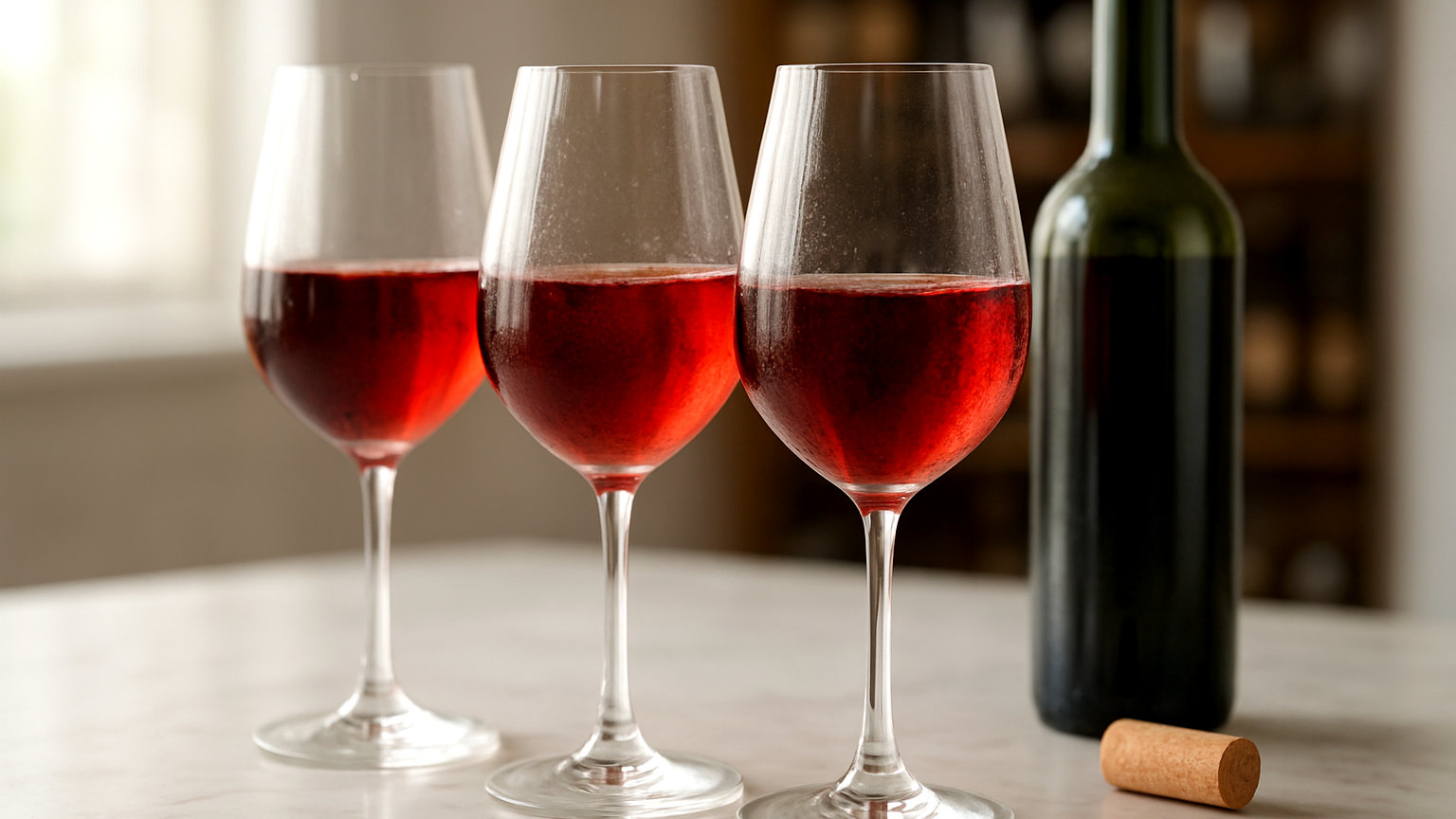
Rather than accepting any of this, test it. Buy four bottles of broadly the same style at roughly five, ten, fifteen and twenty five pounds, and taste them blind with someone else pouring.
Most people find the cheapest immediately identifiable, the gap between five and ten enormous, and the gap between fifteen and twenty five small or absent. Wherever your own threshold sits is where you should be spending, and it is likely to be lower than the wine trade would prefer and higher than the supermarket offer aisle assumes.
Different thresholds for different purposes
It is also reasonable to hold two prices rather than one. A weeknight bottle and a bottle for a dinner with friends are doing different jobs, and there is nothing inconsistent about spending eight pounds on one and twenty on the other.
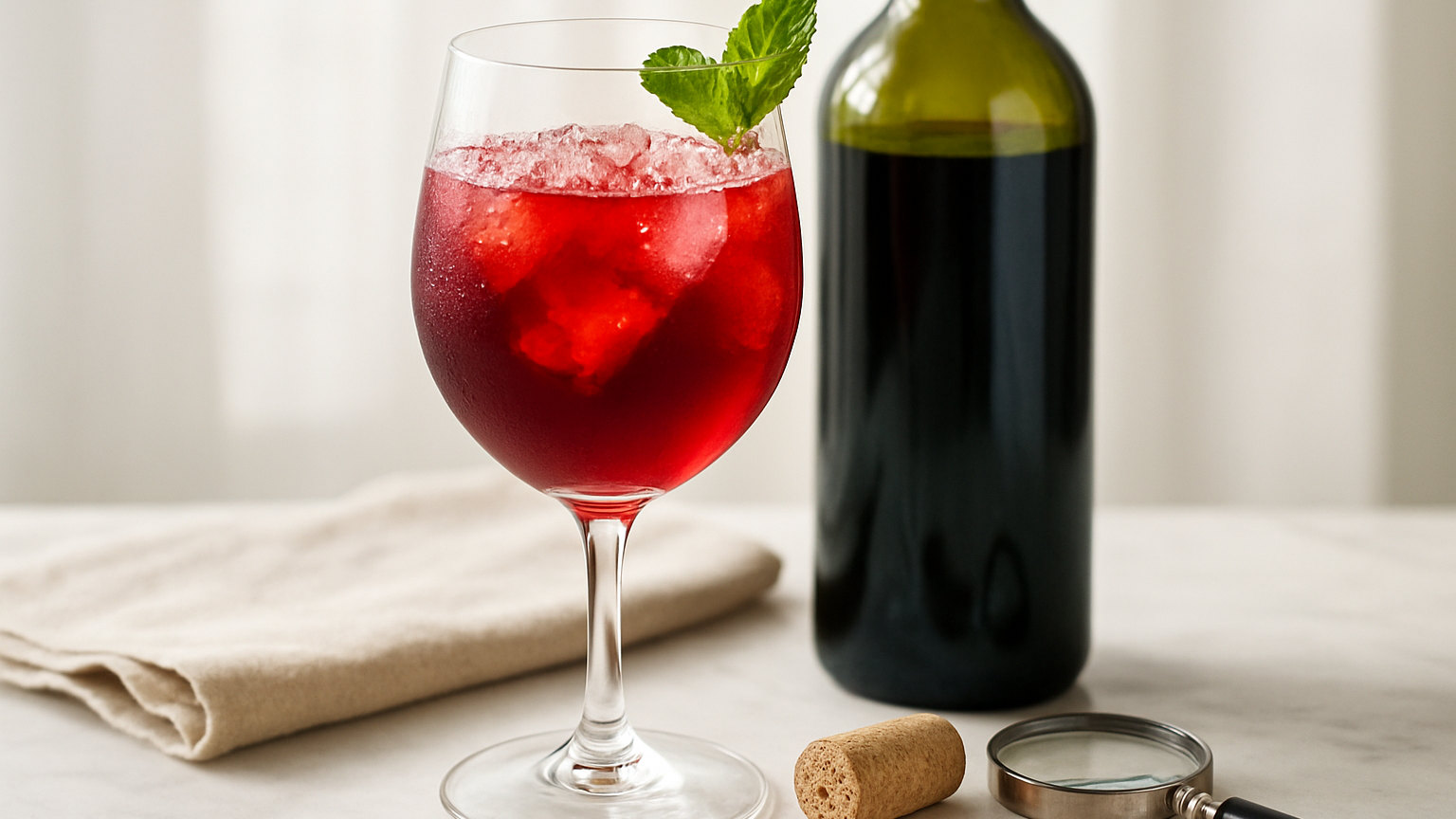
The mistake is spending twenty pounds on something destined for a sangria, or eight on a bottle intended to impress. Matching the spend to the occasion is a more useful discipline than settling on a single figure and applying it everywhere.