
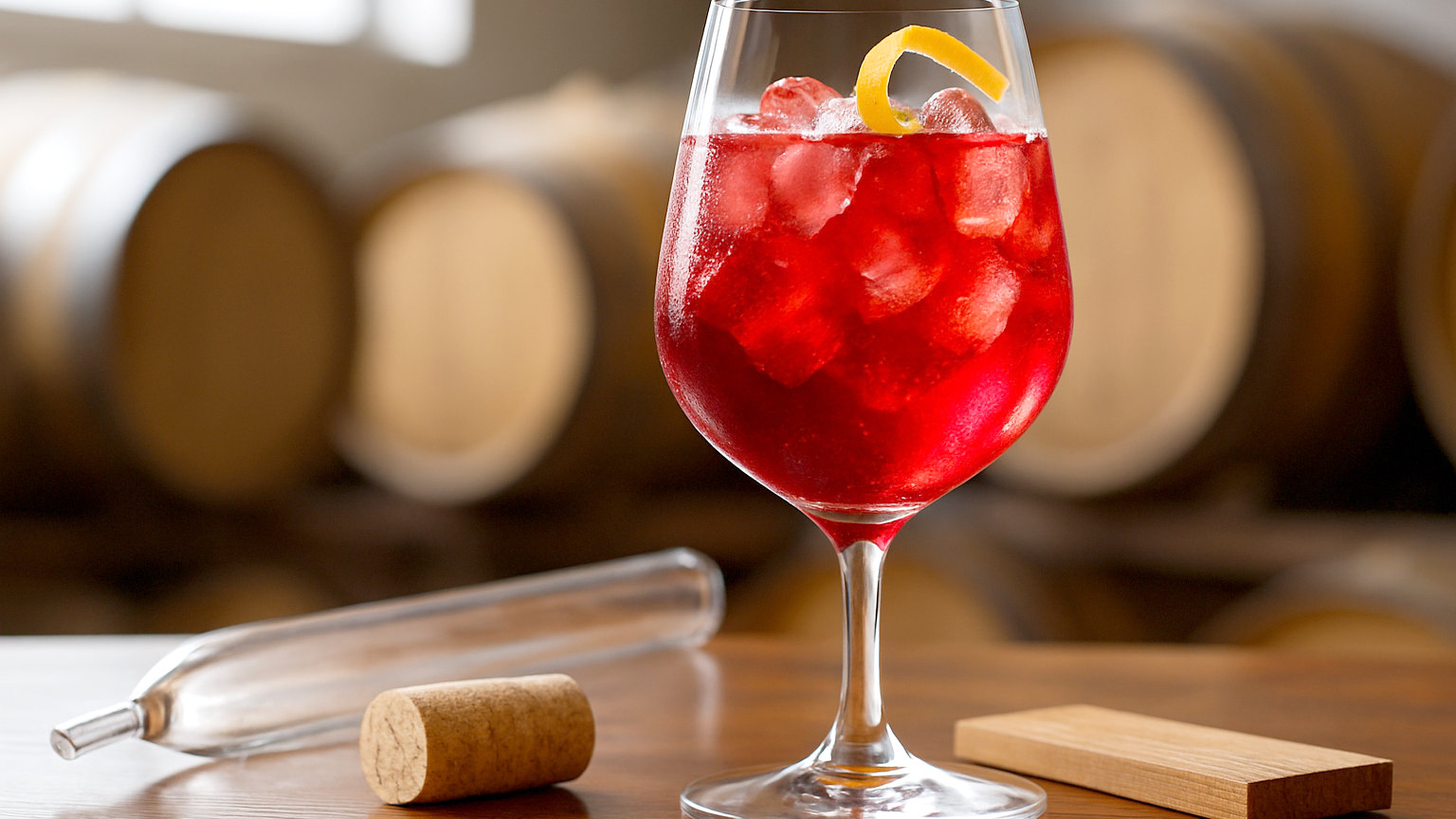
En primeur, sometimes called buying futures, means paying for wine while it is still in barrel, one to two years before it is bottled and delivered. The system is associated principally with Bordeaux and is used to a lesser extent in Burgundy, the Rhône and elsewhere.
The original bargain was straightforward: the buyer provides cash early and accepts risk, and in exchange pays less than the wine will cost on release. Whether that bargain still holds is genuinely contested.
How the system works
In the spring following a harvest, producers show barrel samples to merchants, critics and the trade. Assessments are published, and the châteaux release prices in tranches through the following weeks.
Merchants offer the wine to their customers, who pay immediately. The wine remains in barrel, is bottled roughly eighteen months to two years later, and is then shipped.
Prices are usually quoted in bond and per case, excluding duty and VAT, which become payable when the wine is withdrawn for drinking. Storing it in bond keeps those charges deferred and makes later resale simpler.
The arguments for
Access is the strongest. For wines made in small quantities and allocated to merchants, buying en primeur may be the only realistic route to a case at anything near release price.
Format choice matters too. Magnums and larger bottles are ordered at this stage and are difficult to obtain later.
And in years of exceptional demand, the opening price has historically been below what the wine subsequently traded at, producing a genuine saving for those who bought early.
The arguments against
The saving has become unreliable. In a number of recent campaigns, wines have been available after physical release at or below their en primeur price, meaning early buyers took two years of risk for nothing.
Producers set opening prices with a close eye on demand, and in strong years they price accordingly, capturing much of the value the buyer once received.
Judging wine from barrel samples is also difficult. Samples are assessed long before final blending and bottling, and even experienced critics acknowledge the uncertainty. Scores published in spring shape prices for wines nobody has tasted in their finished form.
The risks that matter
Counterparty risk is the principal one. You are paying now for delivery in two years, and if the merchant fails in the meantime your position depends entirely on how your wine was held and whether it was identifiably yours.
Several merchants have collapsed over the decades and customers have not always recovered their wine or their money. Buying from long-established firms, checking whether wine is held in a segregated account and understanding exactly what you own are all worth doing before committing.
Market risk follows. Fine wine prices move, and a case bought at release may be worth less at delivery.
Storage and delivery costs, duty and VAT on withdrawal, and the practical difficulty of selling if you change your mind all reduce the apparent advantage.
Who it suits
En primeur makes most sense for someone buying wine they specifically want to drink, from producers whose wines are genuinely hard to obtain later, through a merchant they have dealt with for years, with the intention of keeping the wine in bond until it is mature.
For anyone else, buying physical bottles after release removes the counterparty risk, allows the wine to be assessed in its finished state, and frequently costs no more. That is the honest position for most drinkers, and it becomes more compelling in years where the campaign is priced aggressively.
What to check before committing
Establish how long the merchant has been trading and whether they hold customer wine in a segregated account with cases identified as belonging to individual buyers rather than pooled as company stock. Ask what happens to your wine if the business fails, and get the answer in writing.
Confirm what the quoted price includes, since in bond pricing excludes duty and VAT and those become payable on delivery. Ask about storage charges between purchase and delivery, and about what happens if the wine is delayed, which is common.


