
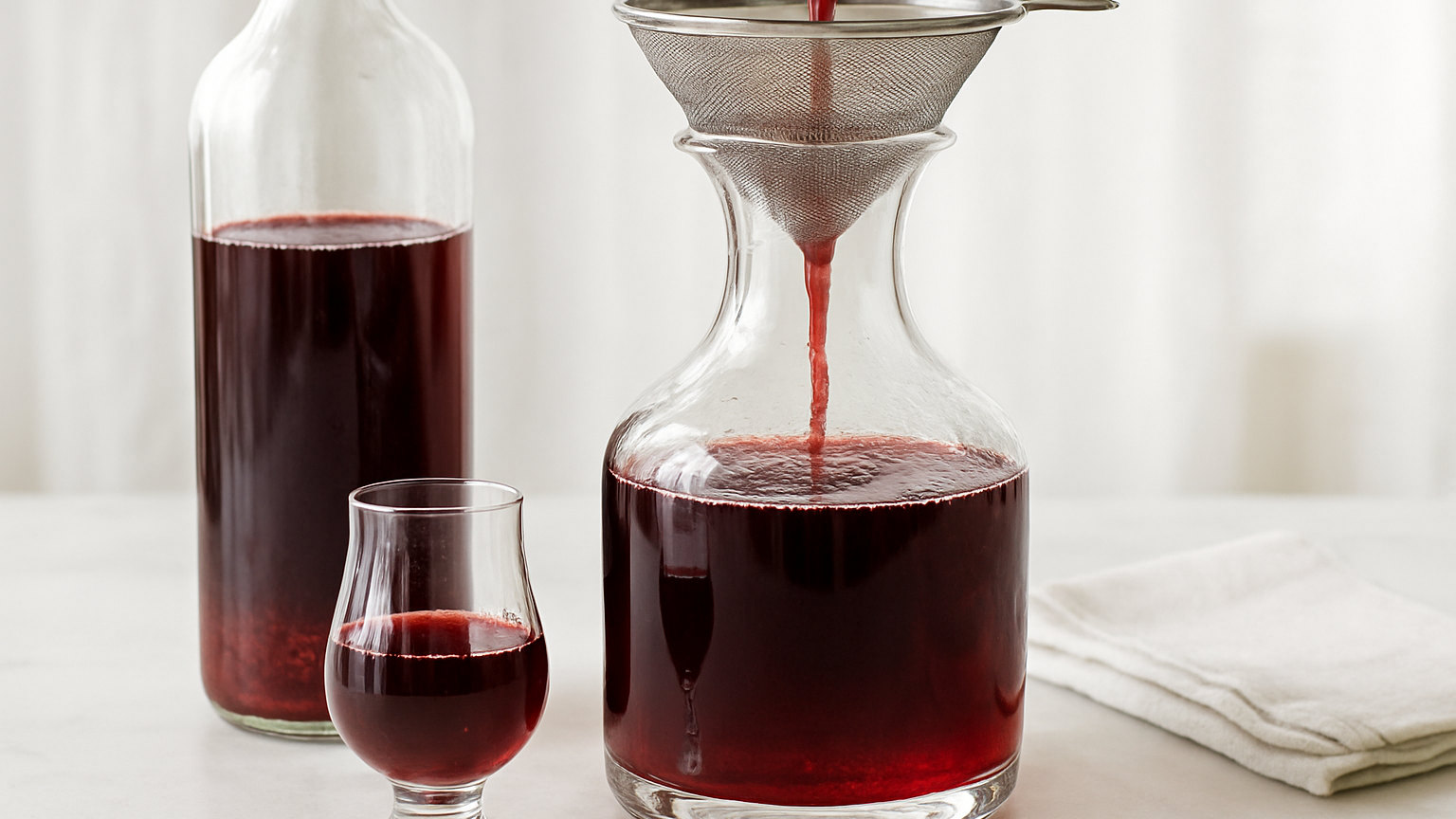
Decanting has a reputation for fussiness, and in much of the wine world the criticism is fair. Vintage port is the clearest exception. It is bottled without filtration precisely so that it can develop in glass over decades, and the consequence is a substantial deposit that nobody wants in their glass.
The sediment is harmless but gritty and bitter, and in an old bottle it can amount to a considerable quantity. Pouring straight from the bottle means the last third of it will be cloudy and unpleasant.
Which ports need it
Vintage port always, and single quinta vintage port likewise. Crusted port, which is bottled unfiltered by design, also throws a deposit and needs the same treatment. Traditional or unfiltered LBV, sometimes labelled bottle-matured, requires decanting too.
Most LBV on the market is filtered and needs nothing. Ruby, tawny, colheita and white port are all filtered or naturally free of sediment, and decanting them achieves nothing except moving the wine into a different container.
If a bottle is unsure, hold it to a light. Visible deposit against the glass, or a wine that looks hazy when the bottle is tilted, indicates decanting is worthwhile.
How to do it properly
Stand the bottle upright for at least twenty four hours, and preferably two or three days, so the sediment settles into the base. This is the step most often skipped and the one that does most of the work.
Open it carefully. Old corks are fragile and frequently crumble, and a two-pronged cork puller handles them better than a standard corkscrew. For very old bottles, port tongs, heated and applied to the neck before a cold cloth cracks the glass cleanly, remove the problem entirely, though they are a specialist tool.
Pour slowly and continuously into a decanter with a light source beneath or behind the neck of the bottle. A candle is traditional and a phone torch is more practical. Watch the shoulder of the bottle, and stop the moment the first dark wisps of sediment reach the neck. Do not tip the bottle back upright partway through, as that redistributes the deposit and undoes the settling.
Straining through muslin is an option if the pour goes wrong, though it is a rescue rather than a method.
How long before serving
Young vintage port, under about fifteen years, benefits from several hours in the decanter and can take a full day. It is tannic and closed when young, and air genuinely opens it up.
Old vintage port, over thirty years, is a different matter. It can be fragile, and a wine that is glorious an hour after decanting may be tired by the evening. Decant these shortly before serving, an hour or two at most, and pay attention as they change in the glass.
The other reason to decant is simply volume. A bottle of vintage port is a considerable amount of wine at twenty per cent alcohol, and it is traditionally shared, which is why the decanter and its passing around the table became part of the ritual.
Once it is open
Vintage port does not keep. Bottled young and aged reductively, it has not been exposed to oxygen for decades, and once decanted it deteriorates within two or three days. This is the opposite of tawny, which has spent its life in contact with air and will happily last a month or more.
Plan accordingly. Opening a vintage port for one person is a waste, and if a bottle must be spread over several days, keep it in the fridge with as little air in the container as possible.
The general rule holds across the category: the more oxidative the ageing, the more robust the wine once opened, and vintage port sits at the fragile end of that scale.
Is the ritual worth it
For a bottle with thirty years of bottle age, unquestionably. The alternative is a glass with grit in it and a wasted final third, which is a poor return on a wine that has been waiting since before most of the people drinking it were paying attention to wine.
What is not necessary is the surrounding theatre. Port tongs, silver funnels and rules about which direction the decanter travels round a table are enjoyable if you like that sort of thing and entirely optional. Standing the bottle up for two days and pouring carefully in front of a light achieves everything that matters.


