
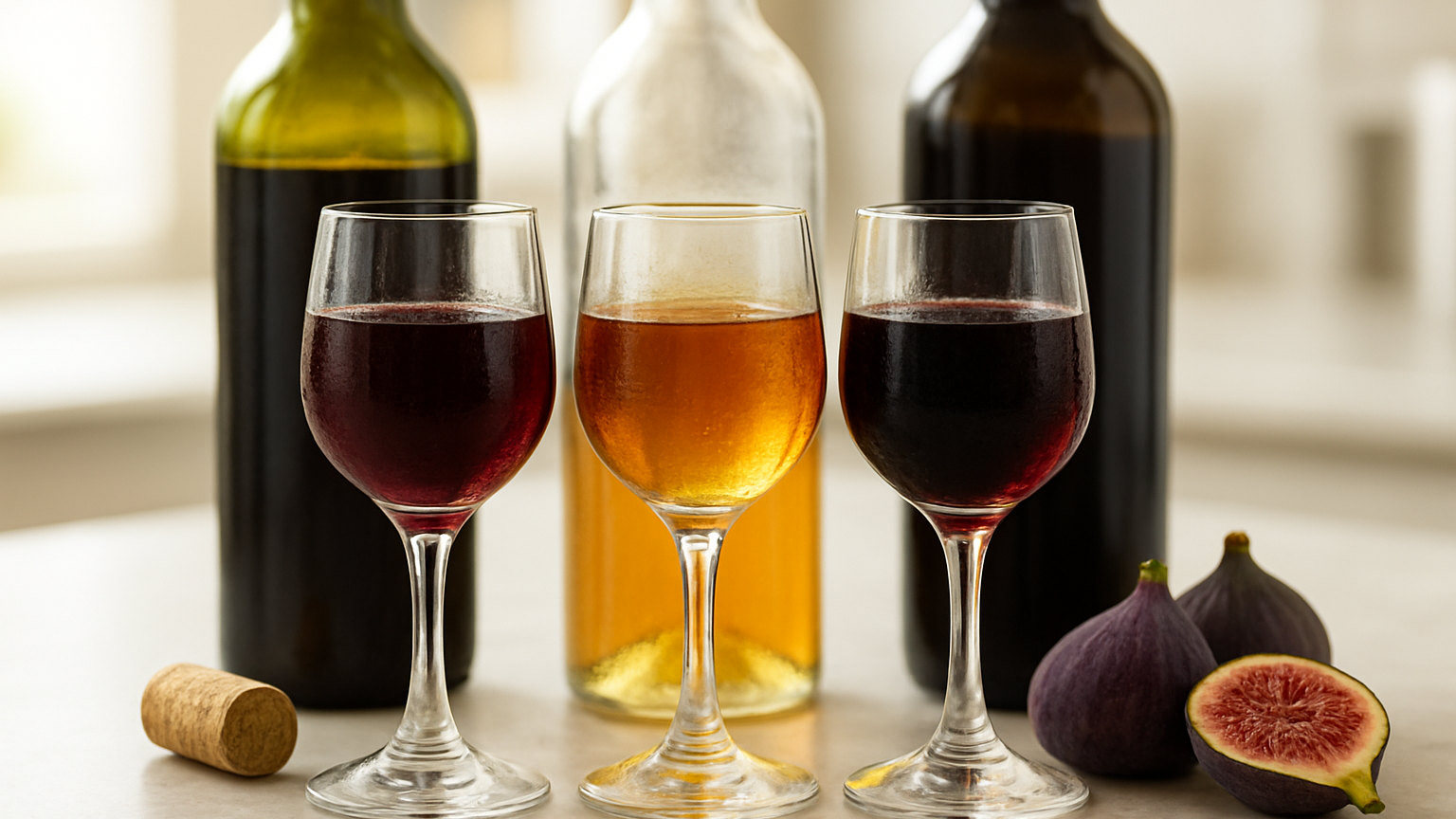
Fortified wine is widely assumed to last indefinitely once opened, on the reasonable grounds that alcohol preserves. The assumption is right for some bottles and badly wrong for others, and the difference is large enough to matter.
What decides it is not the alcohol level but whether the wine was aged in contact with air. A wine that has spent twenty years slowly oxidising in a cask has already undergone everything air can do to it. A wine bottled young and matured without oxygen has not, and it will change quickly once the cork is out.
The fragile end
Vintage port is the shortest-lived. Bottled unfiltered after around two years and then aged in glass for decades with no oxygen contact, it deteriorates within two or three days of opening. A decanted bottle should be finished over an evening or two.
Fino and manzanilla sherry are equally fragile for the same reason. They have been protected from air by their flor throughout their lives, and once opened they behave exactly like white wine: fresh for two or three days, noticeably tired within a week. Keep the bottle in the fridge with a stopper and treat a week as the outer limit.
Crusted port and unfiltered LBV sit alongside vintage port, with perhaps three or four days.
The middle ground
Ruby port and filtered LBV last around two to three weeks, refrigerated, before the fruit starts to flatten. They are young wines with some oxidative tolerance but no great resilience.
Amontillado, having lived under flor and then in air, sits comfortably at around a month. White port keeps for a similar period.
The robust end
Aged tawny port and colheita have spent years or decades in cask absorbing oxygen. A further few weeks in an opened bottle changes very little, and one to two months is realistic. Some tawnies genuinely improve over the first few days.
Oloroso and palo cortado sherry behave similarly, keeping for a month or two. Pedro Ximénez, with its enormous sugar content acting as an additional preservative, will last several months.
Madeira is the outlier and is close to indestructible. Having been heated and oxidised deliberately during production, it can sit open for a year or more with no meaningful deterioration. This makes it uniquely practical for occasional drinking, since a bottle can be opened without any obligation to finish it.
How to store what is open
Three habits cover almost everything. Keep the bottle upright so the wine is not sitting against the cork. Reseal properly, replacing a crumbling cork with a proper stopper. And refrigerate anything at the fragile end, particularly fino, manzanilla and vintage port.
For a bottle you want to stretch, decanting into a smaller container filled close to the top makes a substantial difference, since it is the ratio of air to wine that drives oxidation. Half bottles are worth buying for the same reason if you drink fortified wine occasionally.
Inert gas sprays sold for wine preservation work well and are inexpensive.
How to tell when it has gone
The wine will not become unsafe. What happens is flattening: the fruit fades, the aromatics disappear, and in the case of fino the bright, tangy character dulls into something stale and vaguely cardboard-like.
A vintage port past its best tastes hollow and slightly sharp. A tired fino simply tastes of nothing much. Neither is dangerous, and both can go into cooking rather than down the sink, which is the sensible use for a fortified wine that has outstayed its welcome.
A simple way to remember it
The rule that covers the whole category is that a wine keeps in proportion to how much air it has already seen. Anything aged in cask with deliberate oxygen contact, meaning tawny port, oloroso, madeira and marsala, is robust. Anything protected during ageing, meaning vintage port and fino, is fragile.
That single principle predicts the behaviour of every bottle on the shelf without any need to memorise individual timings, and it explains why the darkest, oldest-tasting wines are the ones you can leave open for a month while the pale, fresh one needs finishing this week.


