
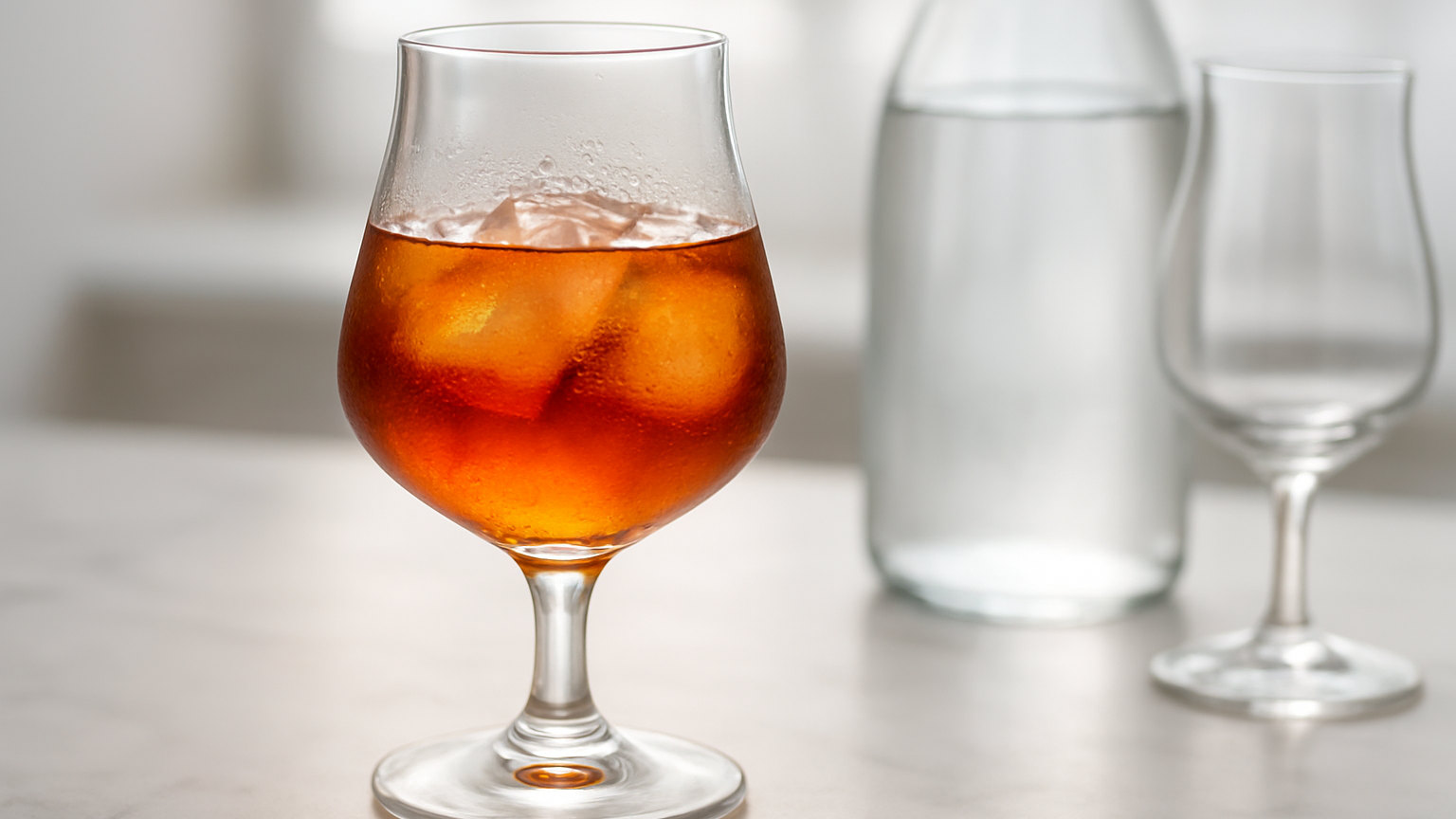
Two habits do more damage to fortified wine than anything else. The first is serving everything at room temperature. The second is serving it in a tiny glass. Both are inherited conventions rather than considered decisions, and abandoning them improves the wine immediately.
Temperature by style
The useful principle is that the paler and drier the wine, the colder it should be. Biologically aged wines are essentially white wines and should be treated as such.
Fino and manzanilla want six to eight degrees, straight from the fridge, and they lose their tension entirely if served warm. White port is the same, and it is at its best cold and long over ice.
Amontillado and dry madeira sit around twelve to fourteen degrees. Oloroso, palo cortado and sweeter madeira want thirteen to sixteen. Aged tawny port is best around twelve to fourteen, slightly cooler than most people serve it, and it is genuinely refreshing lightly chilled in warm weather.
Vintage port and LBV are the exception that justifies the room temperature habit, at around sixteen to eighteen degrees. Even here, a modern heated sitting room at twenty two is too warm, and twenty minutes in the fridge will improve the wine.
Pedro Ximénez is best cool, around twelve to fourteen, since cold restrains the sweetness and keeps it from becoming heavy.
The glass
The small schooner traditionally used for sherry in Britain is close to useless. It is too small to hold a sensible measure, too narrow to develop aroma, and it encourages the idea that these are wines to be sipped ceremonially rather than drunk.
A copita, the tall tulip-shaped glass used in Jerez, is the traditional Spanish alternative and works well. So does an ordinary white wine glass, which most households already own and which is better than any specialist sherry glass sold in Britain.
Fill it a third full, no more, so there is room for the aromatics to gather. That applies to port as much as to sherry, and a modest pour in a decent glass shows a wine far better than a full pour in a small one.
Measures and expectations
Fortified wine sits between fifteen and twenty two per cent, so a standard wine measure delivers considerably more alcohol than the same volume of table wine. Around seventy five millilitres is a reasonable serving for the drier styles and fifty for the sweetest.
That is more than the traditional thimble and less than a glass of wine, which is roughly how these wines are drunk in the countries that make them. In Spain, fino is poured in generous measures throughout a meal rather than in a token glass at the start.
What to do with the bottle afterwards
Serving decisions and storage decisions are linked, since the wines that need chilling are also the ones that spoil quickest. Anything served cold should go back in the fridge and be finished within days rather than weeks.
The oxidatively aged wines that suit cool rather than cold service are also the resilient ones, and they can sit in a cupboard for weeks. Madeira will outlast almost anything.
Decanting, briefly
Only unfiltered wines need it: vintage port, crusted port and traditional LBV. Everything else is filtered or naturally clear, and pouring it into a decanter achieves nothing except aeration, which most fortified wine does not require.
The exception worth mentioning is very old oloroso or amontillado, which can throw a light deposit after decades and benefits from a careful pour. That is a rare situation, and for the great majority of bottles the instruction is simply to open, pour and serve at the right temperature in a proper glass.
Two corrections worth making tonight
If you have a bottle of sherry in the house, the odds are it is in a cupboard rather than a fridge and has been open for some months. Move a fino to the fridge, and if it has been open longer than a fortnight, accept that it will be flat and buy a fresh bottle rather than judging the style on it.
If you have port, try serving a tawny twenty minutes out of the fridge rather than at room temperature. Both changes cost nothing, take no equipment and alter the wine more than any amount of extra spending would.


