Every technique in winemaking is designed to protect wine from heat and from oxygen, which between them destroy it. Madeira does the opposite on purpose. It is heated for months or years and deliberately exposed to air, and the result is a wine so stable that an open bottle will still be good a year later.
The origin is a historical accident. Madeira sits in the Atlantic on the shipping routes to the Americas and the East Indies, and casks carried as ballast crossed the equator twice in hot holds. The wine that came back was found to have improved, and producers set about reproducing the effect deliberately.
The two heating methods
Estufagem is the industrial approach. Wine is held in stainless steel tanks fitted with heating coils at around fifty degrees for a minimum of three months, then rested. It is quick, controlled and used for the majority of production, particularly at the everyday end.
Canteiro is the traditional method and is used for the finest wines. Casks are stored in the upper lofts of the lodges, where the natural heat of the island does the work slowly over years or decades. There is no artificial heating at all, and the wines that emerge are more complex and considerably more expensive.
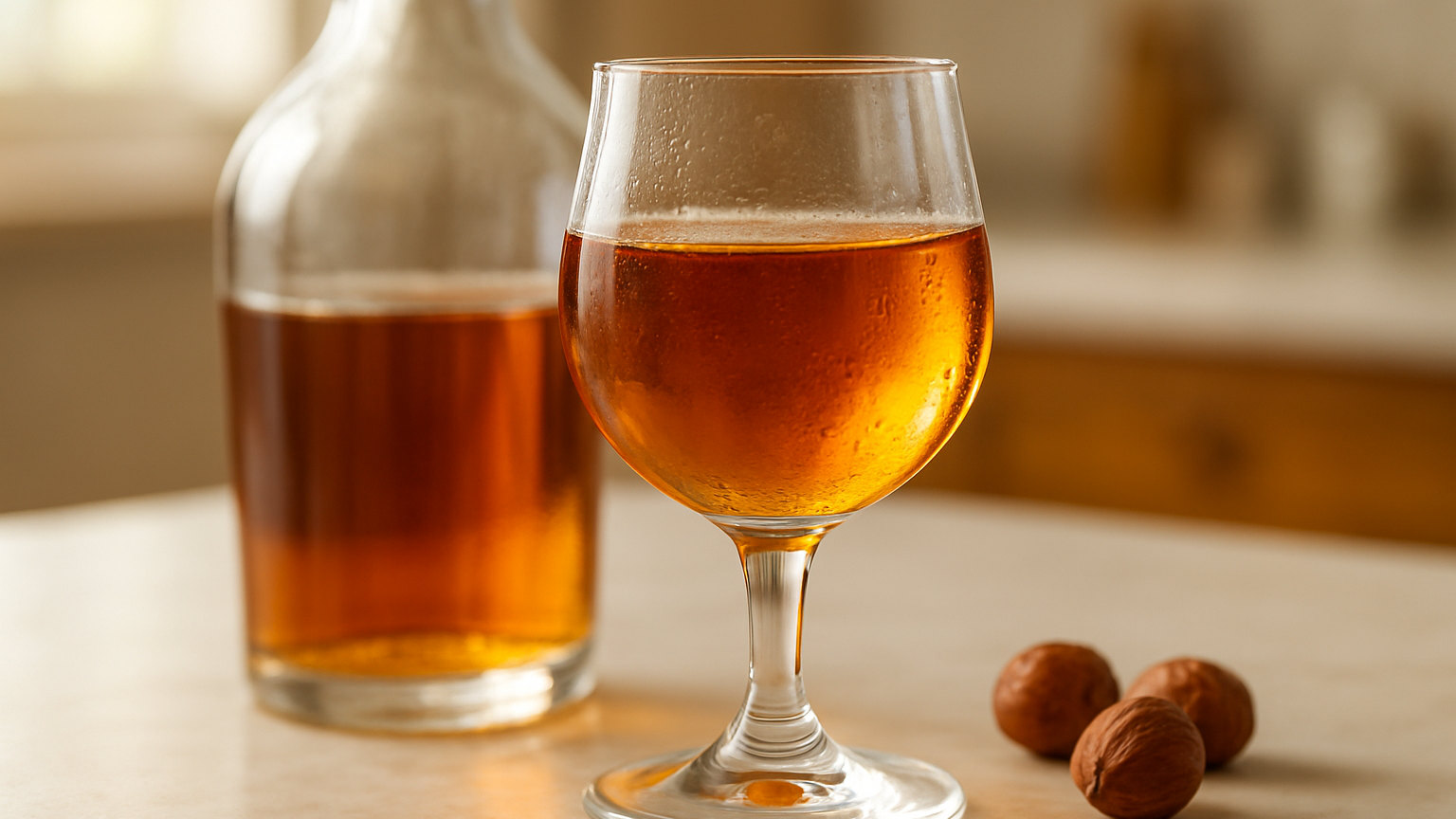
Both processes caramelise sugars and drive the oxidative development that gives madeira its burnt-toffee, walnut and dried-fruit character, alongside a sharp acidity that keeps the whole thing from being cloying.
The four classic styles
Madeira is unusual in that its main styles are named after grape varieties, and the varieties run from dry to sweet in a straightforward progression.
Sercial is the driest, high in acidity, austere and citrus-edged, best served cold as an aperitif. Verdelho is medium dry, with smoke and dried apricot. Bual, also spelled boal, is medium sweet, richer and rounder with raisin and caramel. Malmsey, made from malvasia, is the sweetest and the most familiar, with coffee, toffee and dried fig.
Most inexpensive madeira is made from tinta negra, a red grape that accounts for the majority of the island's plantings and can be made across the sweetness range. It is generally labelled by sweetness rather than by variety, and rainwater is a light, medium dry style within that group.
Ageing and labelling
Age indications on madeira, typically five, ten, fifteen, twenty or forty years, refer to the average age of the blend rather than to the youngest component, in the same way as tawny port.
Colheita madeira comes from a single harvest and is aged for a minimum period before bottling. Frasqueira, sometimes called vintage madeira, is the top designation, requiring at least twenty years of cask ageing from a single vintage, and these wines are frequently released at forty or fifty years old.
Because the wine has already been subjected to heat and oxygen, it ages extremely slowly in bottle. Nineteenth century madeira surfaces at auction with some regularity and is often still in excellent condition, which is true of almost no other wine.
Serving it and keeping it
Serve dry styles cool, around ten to twelve degrees, and sweeter ones a little warmer at thirteen to sixteen. Use a normal wine glass rather than a small schooner, and pour modest measures.
The remarkable property is longevity after opening. Because the wine has already been oxidised and heated as far as it can be, further exposure does very little. An open bottle keeps for months and often longer with no special treatment beyond a stopper and a cupboard.
This makes madeira uniquely practical for anyone who wants a glass occasionally rather than a bottle at a sitting, and it is the strongest argument for keeping one in the house. It is also the reason it survived so well as a cooking wine, though using a decent madeira for a sauce is a considerable waste of something worth drinking.
If you want to try the category properly, a five or ten year old bual is the sensible starting point: sweet enough to be immediately appealing, complex enough to show what the process does, and cheap enough that leaving it open for six months costs nothing in anxiety.