Fortified wine is the least explored corner of the wine shop, largely because it looks like a single category and is actually five or six unrelated ones. The bottles sit together on a shelf and share nothing beyond having had spirit added to them.
That makes the first purchase harder than it should be, since a recommendation that suits one drinker will be completely wrong for another. The useful starting question is what you already enjoy.
If you drink dry white wine
Buy a fino or a manzanilla sherry. It is bone dry, high in acidity, saline and tangy, and at eight to ten pounds it is one of the cheapest genuinely interesting wines available.
Treat it as a white wine rather than as a fortified one. Chill it properly, pour it into an ordinary wine glass rather than a small schooner, drink it with olives, almonds, ham or fried fish, and finish the bottle within a week with it kept in the fridge.
The most common reason people dislike fino is that they were served a warm thimbleful from a bottle open since Christmas. Fresh, cold and with salty food, it is a different proposition entirely.
If you drink full-bodied red wine
Buy a ten year old tawny port. It is ready to drink, needs no decanting, keeps for a month or two once opened, and tastes of walnut, dried fig, caramel and orange peel.
Serve it lightly chilled at around twelve to fourteen degrees, which is cooler than most people expect and considerably better than room temperature in a heated house. It works with nuts, dried fruit and caramel or almond desserts.
A dry oloroso sherry is the alternative if you would rather have savoury than sweet, and it is remarkable with roast meat and strong cheese.
If you want something for dessert
Buy a Pedro Ximénez sherry, and pour it over vanilla ice cream. It is nearly black, thick, and tastes of raisin, molasses and coffee, and this particular use of it is close to unimprovable.
A half bottle is plenty, since small measures are all anyone needs, and it will keep for months once opened.
What to avoid at the start
Vintage port is a poor first purchase despite being the famous one. It is expensive, it requires decanting, it is tannic and closed unless it is genuinely old, and it must be finished within a couple of days. Everything about it works against a beginner.
Cream sherry is worth skipping too, not because it is bad but because it represents the least interesting corner of a category whose reputation it already dominates.
How to build from there
The natural second step is to taste across a style. Buy a fino and an oloroso together and drink them side by side: both dry, both sherry, and utterly different, which demonstrates what biological and oxidative ageing actually do.
After that, amontillado sits between the two, madeira offers a wine that survives months in a cupboard, and Banyuls with dark chocolate is worth trying for the pairing alone.
The wider point is that these wines have been unfashionable for so long that quality relative to price is unusually good throughout the category. Very little money buys something genuinely complex, which is not true anywhere else in the wine shop.
Practical points for a first bottle
Buy half bottles where they exist. Fortified wine is strong and drunk in small measures, so a full bottle represents a great many servings, and a half removes any pressure to finish something before it fades.
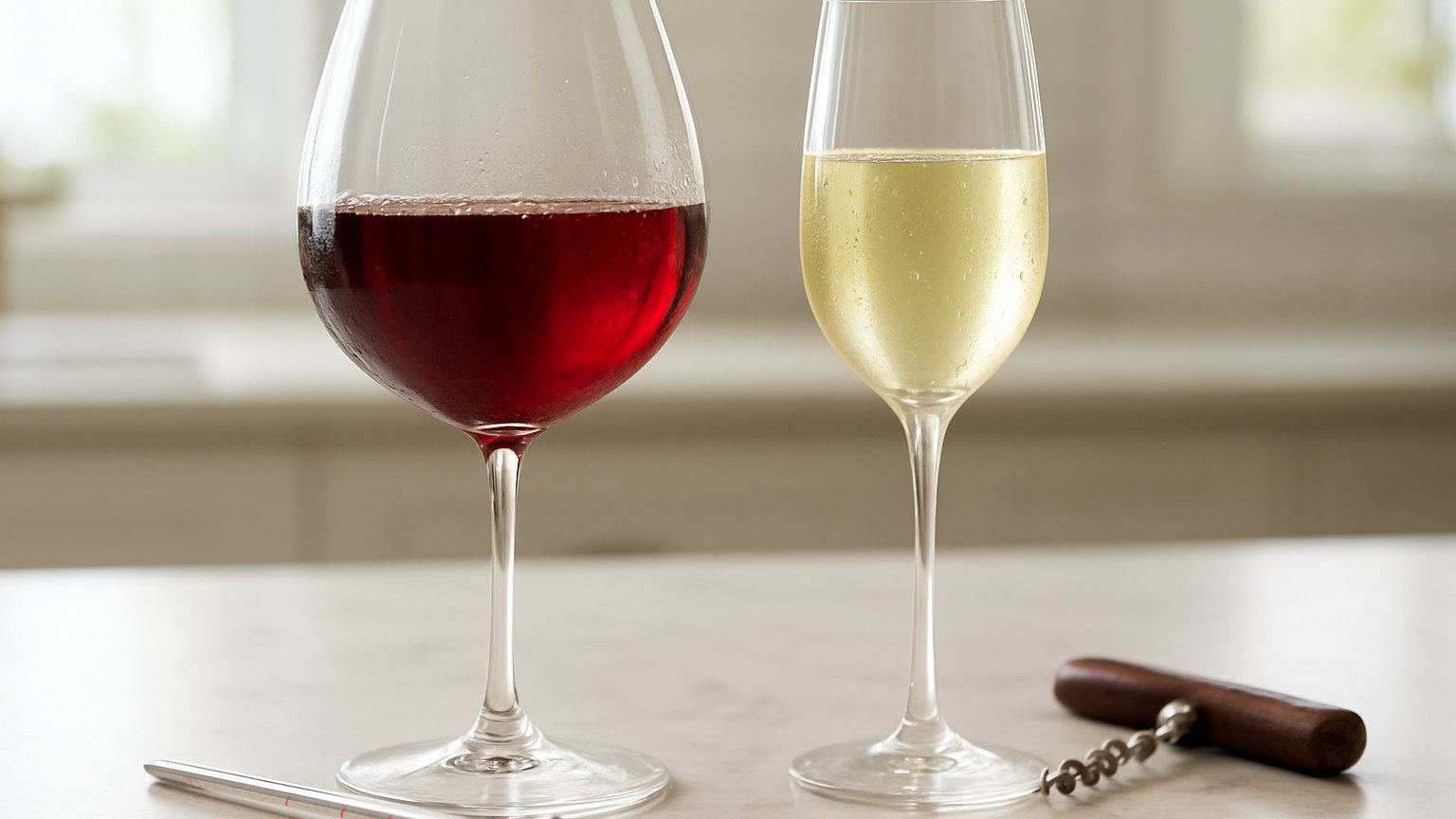
Use a normal wine glass rather than the small schooner sold for the purpose, and fill it a third. Serve the pale, dry wines cold and the dark ones cool rather than warm. Write the opening date on the label, since the acceptable window ranges from three days for vintage port to a year for madeira and there is no way to judge it by eye.
Above all, treat the first bottle as an experiment rather than a commitment. These are cheap wines by the standards of what they deliver, and the cost of discovering you dislike a style is trivial compared with the cost of never finding out that you would have loved one.