The most useful thing to understand about wine pricing is that a large part of what you pay has nothing to do with the wine. Duty is charged per bottle rather than as a percentage of the price, and VAT is applied on top of everything including the duty. Add packaging, shipping, retailer margin and the producer's own costs, and the fixed elements consume most of a cheap bottle before a drop of wine is accounted for.
The consequence is arithmetic rather than snobbery. On a very cheap bottle, the amount left for the liquid is small. Double the shelf price and the fixed costs stay roughly the same, so the money available for the wine itself multiplies several times over. This is why the jump from the bottom of the shelf to the middle produces such a dramatic improvement, and why the jump from good to expensive produces a far smaller one.
Where the improvement is steepest
In practical British terms, the difference between a bottle at the very bottom of the range and one around ten to twelve pounds is enormous, because the amount reaching the producer has increased many times over. That extra money buys lower yields, better fruit, more careful winemaking and sometimes real barrel ageing rather than oak chips.
Above roughly twenty pounds, improvements continue but the curve flattens. You are buying finer detail, greater concentration, longer ageing potential and the reputation of a region or producer. These are real, but each additional pound delivers less than the one before, and beyond a certain point you are paying for scarcity and prestige rather than anything you could identify blind.
What the expensive bottle is actually buying
Several genuine costs sit behind a high price. Vineyard land in famous appellations is extraordinarily expensive and that cost is amortised across a small number of bottles. Low yields, which concentrate flavour, mean fewer bottles from the same acreage. New oak barrels are costly and are replaced regularly. Long ageing before release ties up capital and warehouse space for years.
Alongside those sit costs that do not improve the wine: heavy glass bottles, elaborate labels, marketing, and the simple fact that a famous name can charge more because people will pay it. Distinguishing the two from outside is difficult, which is exactly why blind tasting is so uncomfortable for the industry.
What blind tastings actually show
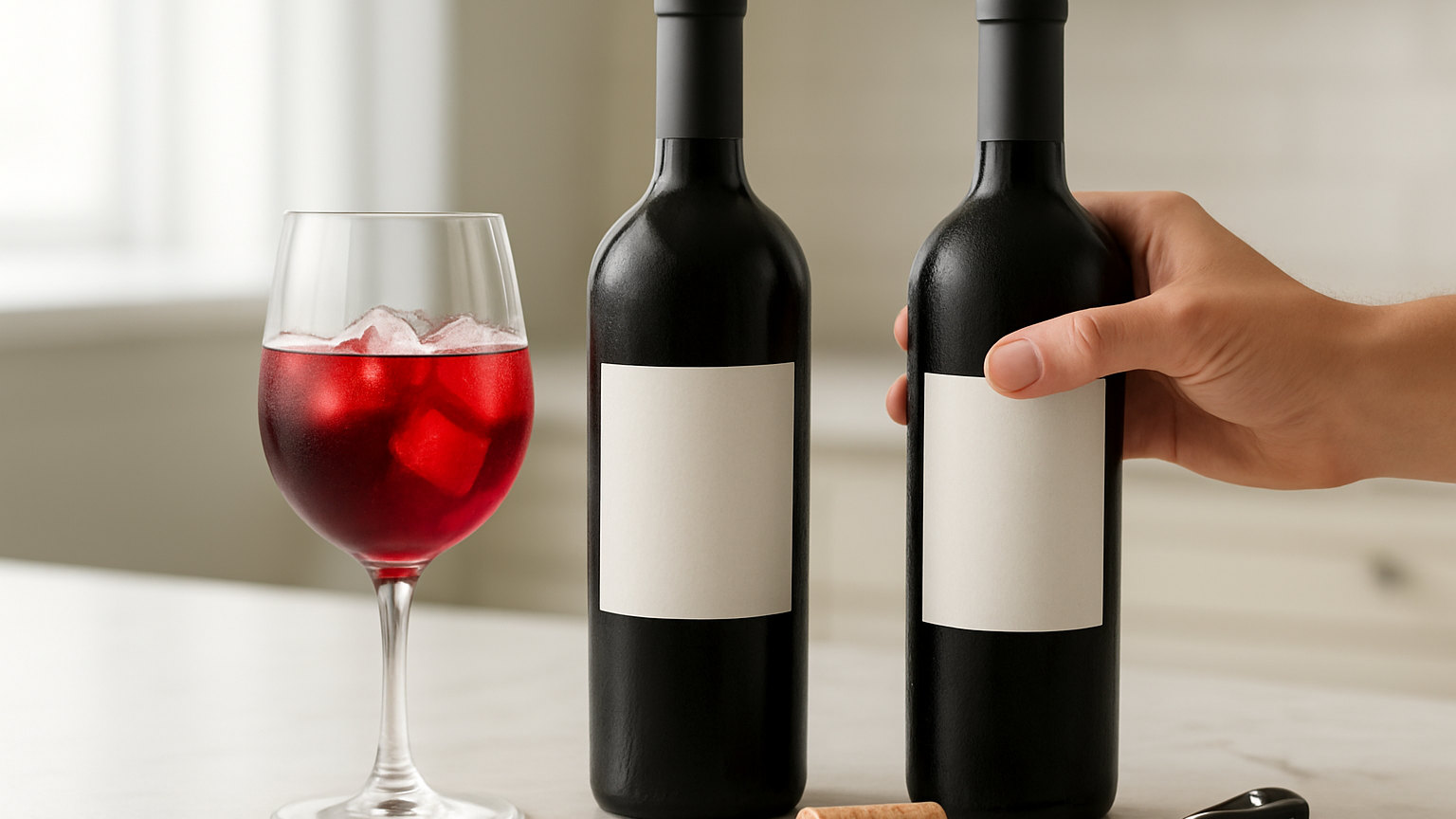
Studies repeatedly find that untrained drinkers struggle to rank wines by price when labels are hidden, and that knowledge of price substantially changes how much people report enjoying the same wine. Experienced tasters do considerably better, but even they are not infallible, and famous names have been embarrassed in blind line-ups more than once.
The honest reading of this evidence is not that expensive wine is a fraud. It is that the differences at the top are subtle, require attention and experience to perceive, and are easily overwhelmed by expectation. If you cannot yet tell, that is a reason to spend less rather than a reason to feel inadequate.
How to spend well
Buy from unfashionable regions making the same grapes as famous ones. Cahors instead of Argentine malbec, Beaujolais instead of Burgundy, Portuguese reds instead of Rhône blends, Greek and Hungarian wines instead of almost anything. Fashion is priced into a bottle as surely as oak is.
Buy the second wines of good estates, avoid heavy bottles and gaudy packaging, and be sceptical of large discounts on inflated original prices. Above all, spend a little more per bottle and drink slightly less often. Two good bottles will give more pleasure than four indifferent ones, and cost the same.
The discount point deserves emphasis, because supermarket wine promotions are built around it. A bottle listed at twelve pounds and permanently available at six was never a twelve pound wine, and the arithmetic of duty means the six pound version contains roughly what any other six pound bottle contains. Judge a wine by what you actually pay rather than by what the shelf claims you are saving.