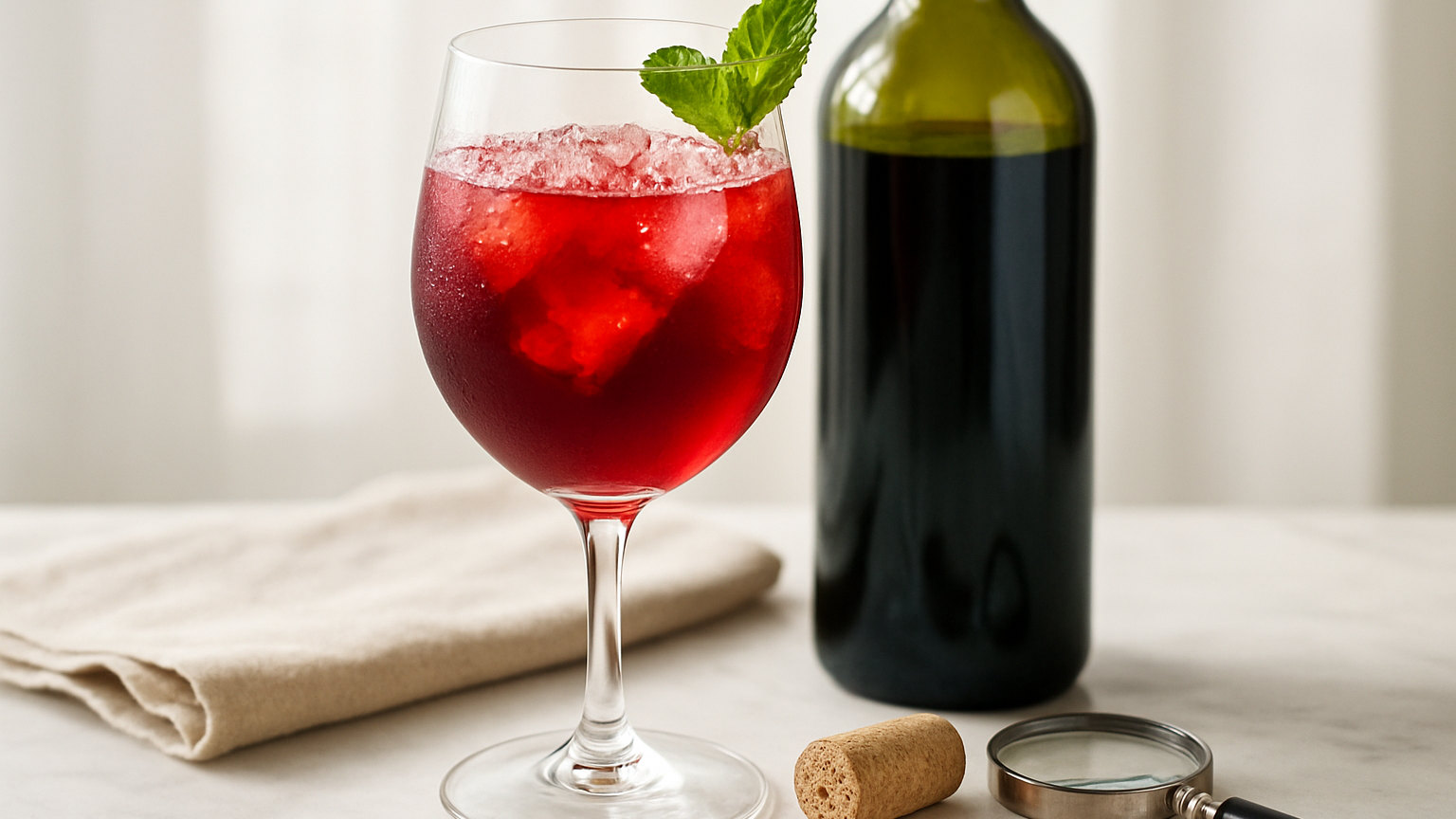
Of all the received wisdom about wine, the instruction to serve red at room temperature is the one that does the most damage. It is not wrong exactly, but it dates from an era when a room in a French or British house in winter sat at perhaps fifteen or sixteen degrees. A modern living room with the heating on is closer to twenty two, and at that temperature a great deal of red wine tastes noticeably worse than it should.
The French term is chambré, meaning brought to room temperature, and it was originally an instruction to warm a bottle up from a cold cellar rather than to let it sit next to a radiator. The meaning has survived while the conditions that gave it sense have disappeared entirely.
What warmth does to a glass of wine
Alcohol becomes more volatile as temperature rises, so a warm red gives off more alcohol vapour and less of everything else. The effect is a wine that smells and tastes hot, spirity and slightly soupy, with the fruit flattened and the finish coarsened. The higher the alcohol, the more pronounced the problem, which means the big ripe reds most people describe as needing room temperature are precisely the ones that suffer most.
Cold has the opposite effect. It suppresses aromatics, firms up the perception of tannin and emphasises acidity. Taken too far it makes a red wine seem thin and hard, which is why the answer is a range rather than an instruction to refrigerate everything.
The range that actually works
Somewhere between about fourteen and eighteen degrees suits nearly all red wine, and the position within that band depends on the style. Light, low-tannin reds such as Beaujolais, most pinot noir and Italian varieties like frappato are best at the cooler end, around thirteen to fifteen degrees, where their freshness and aromatics come forward. Medium-bodied wines sit comfortably around sixteen. Full-bodied, tannic reds want the warmer end, around seventeen or eighteen, because cold makes their tannin feel harsher.
Almost nothing benefits from being warmer than eighteen degrees, and no red wine at all benefits from being served at the temperature of a heated sitting room in January.
How to get there without a thermometer
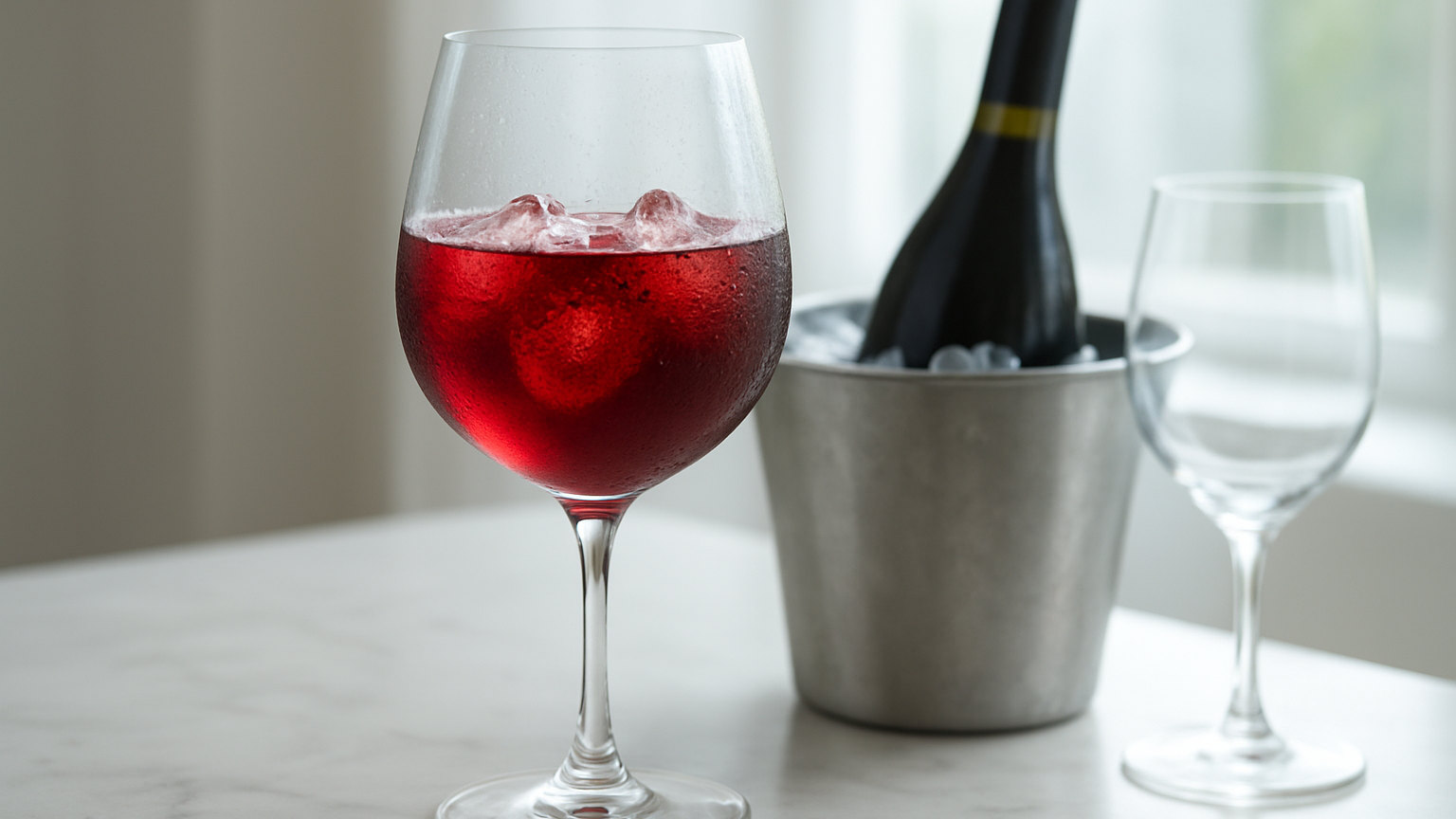
The practical correction is twenty minutes in the fridge before serving. That is enough to bring a bottle sitting at twenty two degrees down into the right range, and it applies to almost every red in a British home. If you keep wine in a cool cupboard, a garage or an unheated room, you may need to do nothing at all.
A wine that is genuinely too cold, having come straight from the fridge, will warm in the glass within ten minutes with no intervention. The one thing not to do is put a bottle anywhere warm to speed the process along. Radiators, hot water and sunny windowsills all heat unevenly and cook the wine, and the damage cannot be undone by cooling it again.
Why the glass matters as much as the bottle
Wine warms quickly once poured, particularly in a large bowl held in a warm hand. A glass poured at sixteen degrees can be at twenty by the time it is finished, which is one argument for pouring smaller measures and refilling more often.
It is also a reason to hold a wine glass by the stem rather than the bowl. The convention is usually explained as etiquette or as keeping fingerprints off the glass, but the real function is thermal, and on a warm evening it makes a measurable difference to the last third of a glass.
The wider point
Temperature is the cheapest improvement available to anyone who already owns a decent bottle. It costs nothing, requires no equipment beyond a fridge and twenty minutes of foresight, and it changes the wine more than most people expect.
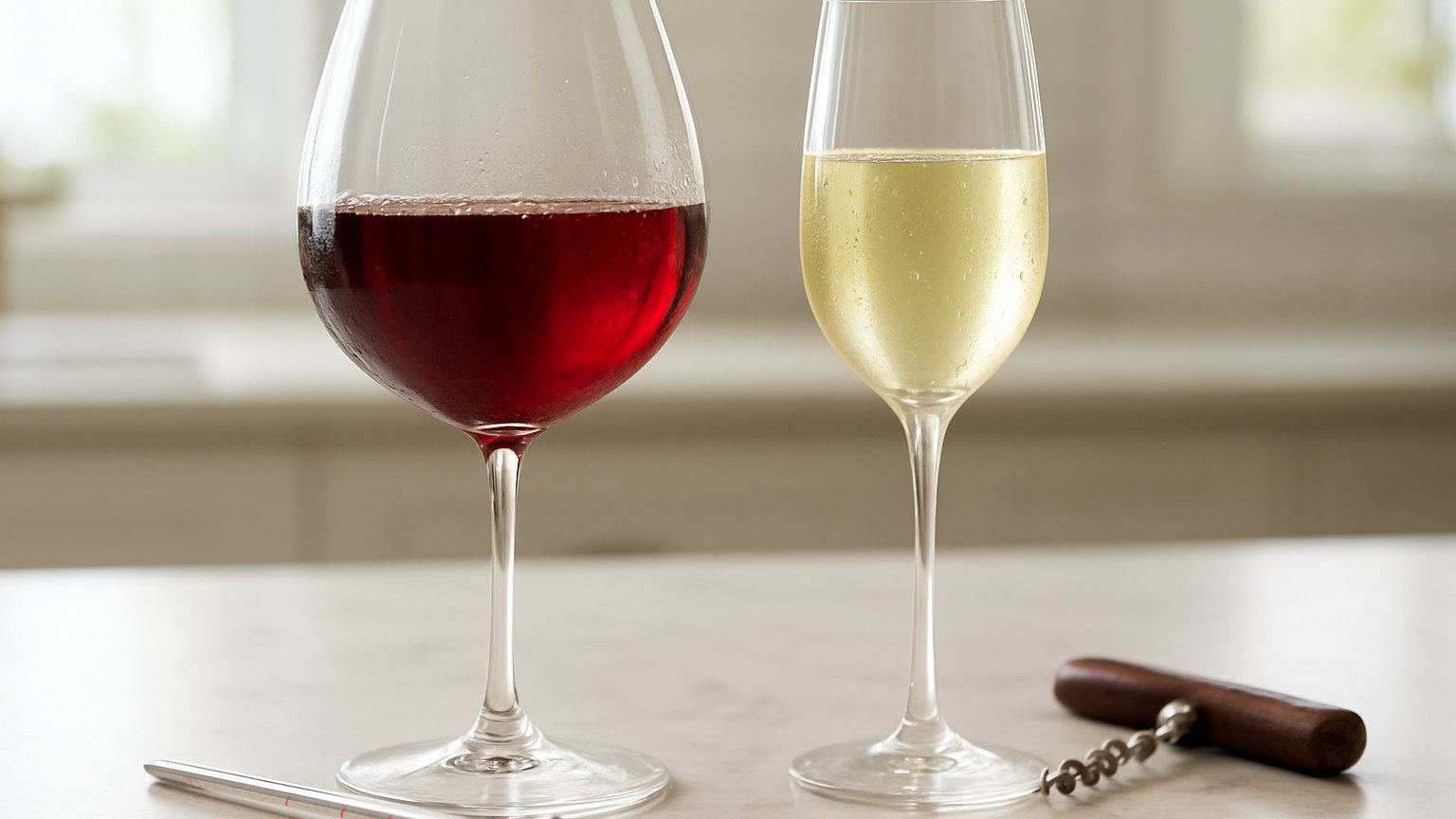
If you want to see the effect clearly, pour two glasses from the same bottle, leave one in the fridge for fifteen minutes and taste them together. The gap between them is larger than the gap between two wines a few pounds apart in price, which puts a reasonable amount of wine advice into perspective.