Almost all wine made in the world is intended to be drunk within a year or two of release, and almost all of it is. The idea that wine improves indefinitely in a cupboard is one of the more persistent misconceptions in drinking, and it results in a lot of disappointing bottles opened for special occasions long after they had anything left to give.
A wine that ages well needs a particular combination of components, and those components cost money to produce. That is why ageing potential correlates loosely with price, though not reliably enough to use as a shortcut.
What a wine needs to survive
Three things provide the structure that long ageing requires. Tannin acts as a preservative and an antioxidant, and it is the component that most visibly changes over time as the molecules link together and soften. Acidity keeps the wine fresh and prevents it collapsing into flabbiness. Concentration of fruit gives the wine something to evolve into, since a wine with little fruit to begin with simply becomes an old wine with no fruit at all.
Alcohol contributes a little, and residual sugar contributes a great deal in sweet wines, which is why the longest-lived wines of all are sweet ones. For dry reds, tannin and acid are the two to look for.
What actually happens over the years
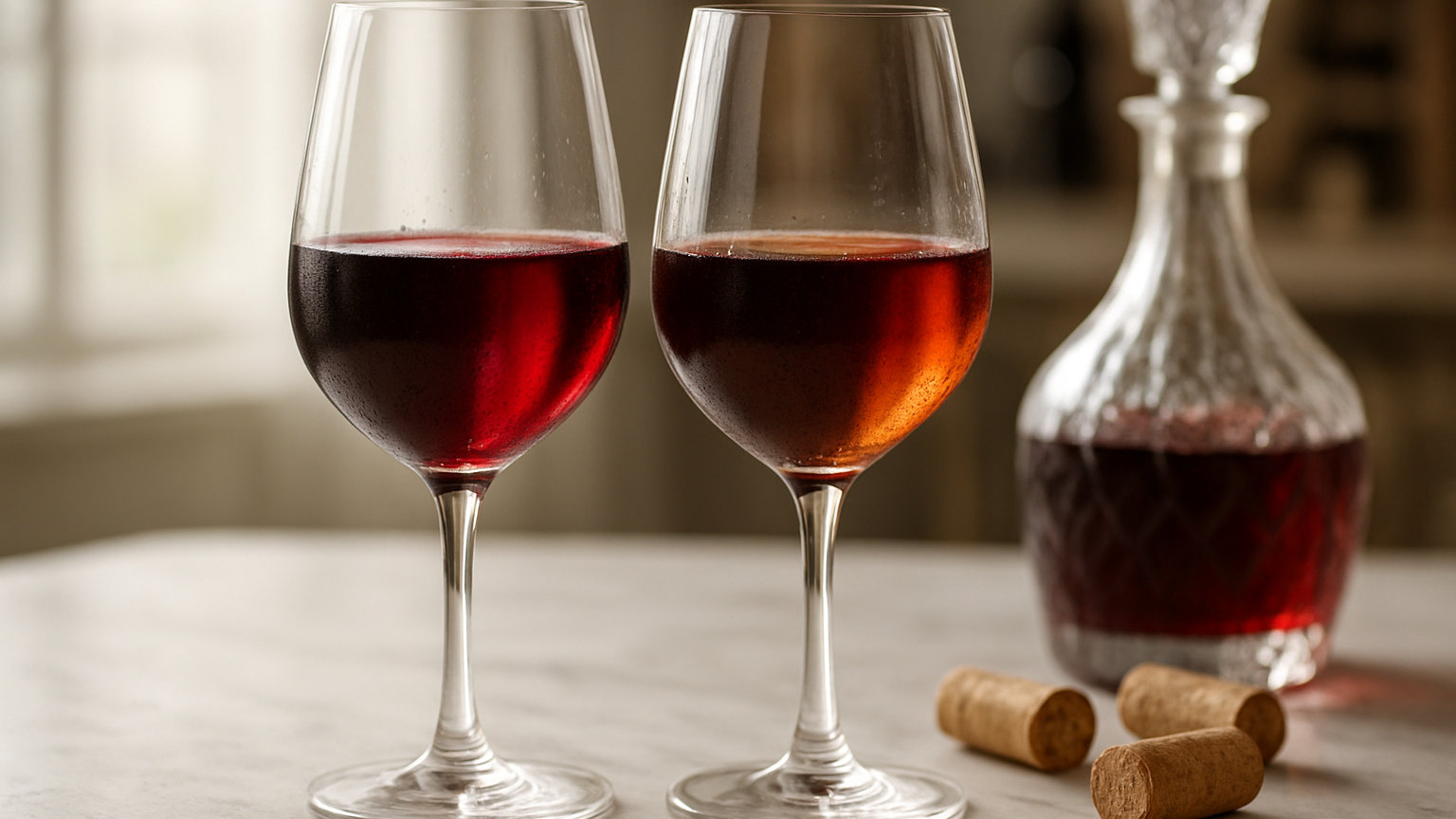
Primary fruit flavours, the ones that come directly from the grape, gradually fade. What replaces them are tertiary characteristics that were not present in the young wine: leather, tobacco, dried fig, mushroom, forest floor, cigar box. The wine also loses colour, moving from purple through ruby to brick and eventually towards brown at the rim.
Texture changes in parallel, as tannin polymerises and drops out as sediment, leaving the wine softer and rounder. The overall arc is a slow trade of vividness for complexity, and whether that trade appeals is genuinely a matter of taste. Plenty of experienced drinkers prefer wine young.
How to tell whether a bottle will improve
The grape is the strongest single indicator. Cabernet sauvignon, nebbiolo, syrah, tempranillo, sangiovese and the Portuguese varieties of the Douro all have the structure to age. Gamay, most inexpensive pinot noir, and the softer, fruit-forward styles of merlot and grenache generally do not.
Beyond the grape, look at the wine itself. A young wine that tastes tight, tannic and slightly unyielding is a better candidate than one that is charming immediately. Region matters too: classic European appellations with regulated yields and traditional methods tend to produce wines built for time, while wines designed for immediate approachability are made deliberately soft.
Price is a rough proxy because concentration is expensive, but an expensive wine made in a soft modern style will not age simply because it cost a lot.
The conditions that matter
Storage decides whether a wine reaches its potential. Constant cool temperature, ideally between ten and fifteen degrees, matters more than the exact figure, because fluctuation drives wine in and out of the cork and lets air in. Darkness, reasonable humidity and stillness all help.
Bottles with corks should lie on their side so the cork stays moist and sealed. Screwcapped wine can be stored upright without harm. A kitchen cupboard above an oven is the worst place in most houses, and a bottle stored there for five years will be tired regardless of how good it was.
The practical conclusion
If you want to age wine, buy several bottles of the same thing rather than one. Opening one every couple of years tells you how it is developing and means you catch it at its best rather than guessing once and living with the result.
And if you are holding a single bottle bought years ago on the assumption that waiting improves things, the honest advice is to open it soon. Most wine's best moment arrives earlier than people imagine, and a wine drunk slightly too young is a far smaller loss than one drunk a decade too late.