The short answer is that the overwhelming majority of rosé should be drunk within twelve to eighteen months of the harvest, and that buying the most recent vintage available is the single most effective quality decision a rosé drinker can make.
This matters more than in other categories because the qualities rosé is built on are precisely the ones that fade fastest. There is no tannin to soften, very little oak, and rarely enough concentration to develop into anything else. What a young rosé has is fresh fruit, bright acidity and delicate aromatics, and all three diminish with time.
What happens to a rosé that sits too long
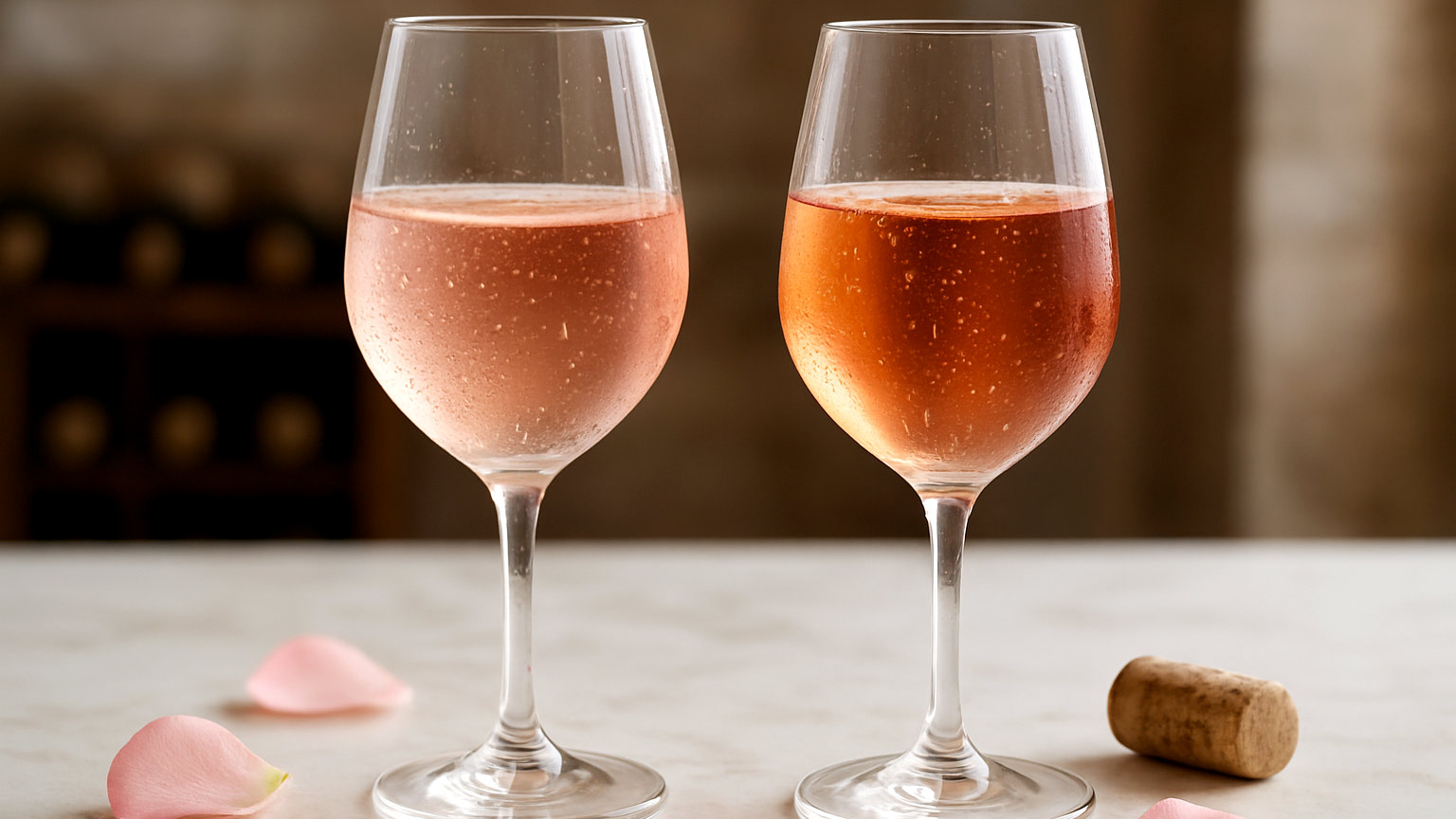
The changes are visible before they are tasted. The bright pink pigments oxidise, so the wine moves through salmon towards orange and eventually a dull brownish tone. This is the most reliable warning sign available in a shop, particularly given how many rosé bottles are clear glass.
On the palate, the fresh red fruit fades first, replaced by something flatter and vaguely stewed. The aromatic lift disappears, and what remains can taste dilute and slightly bitter. It is not undrinkable, simply pointless, since everything that justified buying it has gone.
Light exposure accelerates all of this dramatically. Clear bottles displayed under shop lighting for months are a genuine problem in the category, and a wine that has been sitting in a sunny window will be tired regardless of its age.
Checking the vintage
In practice this means turning the bottle round before buying. In Britain, the current drinking vintage from the northern hemisphere is generally the one from the previous autumn, appearing from around March onwards.
A bottle two vintages back on a supermarket shelf in high summer has been there a long time, and while it may be discounted, the discount is usually a fair reflection of its condition. Southern hemisphere wines from Australia, New Zealand, Chile and South Africa run six months ahead, which occasionally makes them the fresher option early in the year.
The exceptions worth knowing
A small number of rosés are built to last, and they share the same characteristics as ageworthy wines generally: concentration, structure and acidity.
Bandol rosé, based on mourvèdre, is the outstanding example. Good examples develop for five years or more, gaining savoury, spiced and nutty complexity while keeping their fruit. Tavel, from the southern Rhône, has the depth and extraction to improve for three or four years and is markedly better at two than at one.
Traditional Rioja rosado aged in oak, and a handful of top Provence bottlings made with lees ageing or barrel fermentation, also repay a couple of years. Rosé champagne ages along the same lines as any traditional method wine and can develop for a decade or more.
These are exceptions rather than a hidden rule. If a rosé is intended to be kept, the producer generally says so and prices it accordingly.
Storing what you have
Cool and dark, as with any wine, and the dark part matters especially. If you buy rosé in summer for drinking over several weeks, keep it out of the light rather than displaying the bottles.
A fridge is fine for a few days but is not storage, being too cold and too dry for anything longer. And an opened bottle behaves like any other light white wine: two or three days in the fridge with a stopper, after which the fruit has gone.
The overall approach is simple enough. Buy the newest vintage, buy it from somewhere it has not been sitting in sunlight, and drink it. Rosé is one of the few wines where waiting has no upside at all, and where a bottle saved for a special occasion is almost always worse than one opened on an ordinary Tuesday.
This also affects where you buy. A shop with high turnover will have fresher stock than one where bottles sit for a year, and end-of-season discounts in September are usually discounting exactly what you should avoid. The apparent bargain on last year's vintage is priced that way because the retailer knows what happens next.