Fifteen years ago rosé was one of the cheapest things in a wine shop. Today a fashionable bottle from Provence can cost more than a good village Burgundy, and the largest formats sold in beach clubs cost more than most people spend on wine in a month.
That shift was a deliberate commercial achievement rather than a change in the wine, and it raises a fair question about what the money is buying.
Where cost genuinely differs
Several real factors separate a five pound rosé from a twenty pound one. Grape sourcing is the largest: fruit grown specifically for rosé, picked early at controlled yields, costs considerably more than juice bled off a red fermentation as a byproduct.
Handling matters too. Pale, delicate wine requires gentle whole-bunch pressing, protection from oxygen throughout, and temperature-controlled fermentation, all of which need equipment and care. Some premium rosés are fermented or aged in barrel or on lees, which adds cost and genuine texture.
Land is the other real cost. Vineyard prices in fashionable parts of Provence have risen sharply, and that has to be recovered from the bottles.
Where cost does not reach the glass
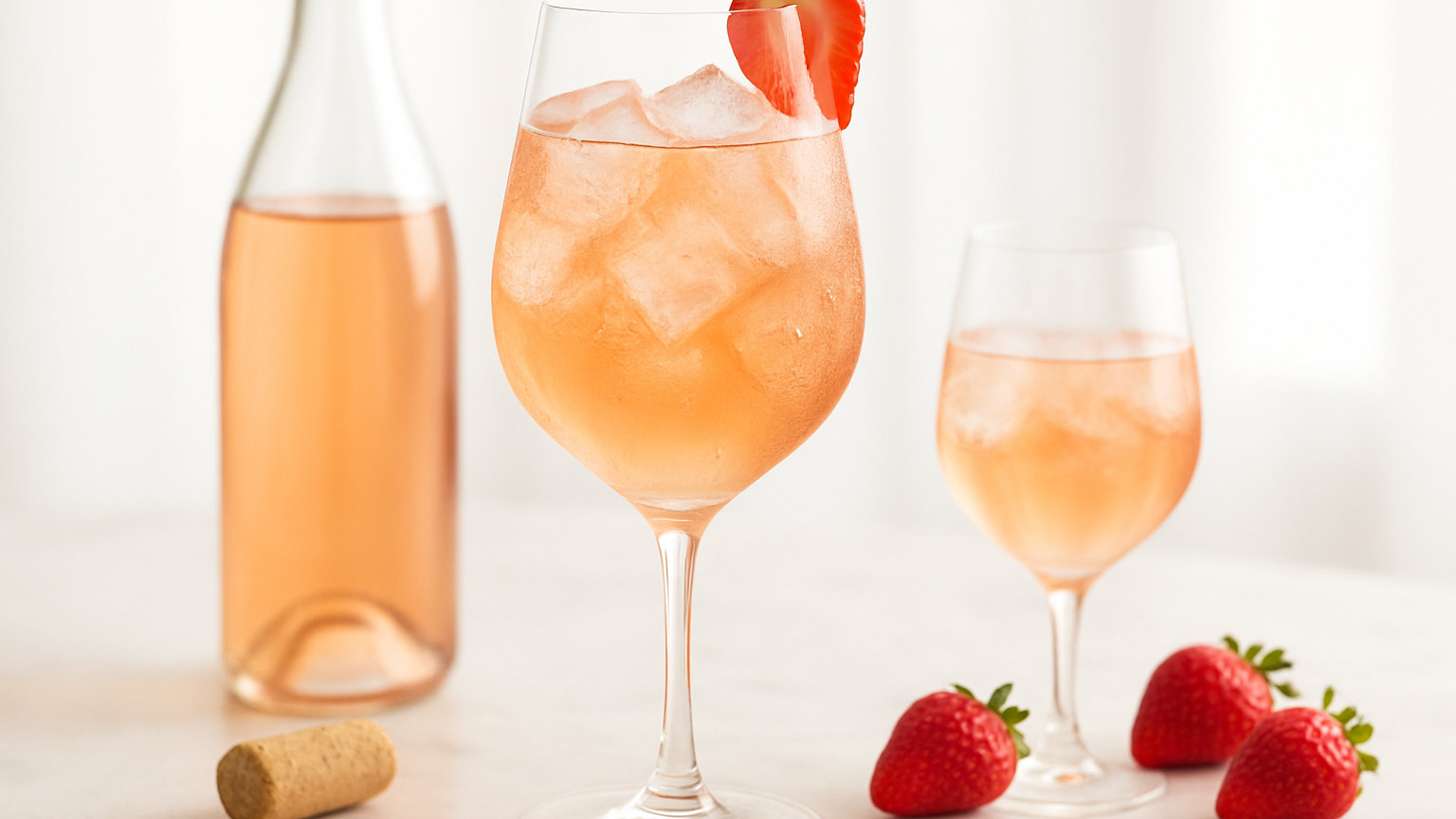
Rosé is unusual in how much of its premium sits in presentation. Distinctive bottle shapes, heavy glass, elaborate closures and large formats all cost money and none of it affects the wine. The category has invested more in packaging than almost any other, because the bottle is often visible on a table as part of the occasion.
Marketing and placement account for a great deal more. A brand associated with a particular kind of holiday can charge accordingly, and the association is the product as much as the liquid is.
Scarcity plays its usual part, and so does the simple fact that a wine which sells out at a high price will be priced higher next year.
Where the value actually sits
Three areas consistently offer more wine per pound. Spanish rosado from Navarra or Rioja delivers real fruit weight and structure at modest prices, and traditional oak-aged versions are among the most interesting pink wines made. Italian rosato, particularly from the south and from Sicily, offers stylistic variety at prices the Italian market keeps sensible.
The Languedoc makes rosé in the Provence idiom, frequently from the same grapes and by the same methods, at a fraction of the price, and the gap in quality is far smaller than the gap in cost.
The lesser-known Provence appellations, Coteaux d'Aix and Coteaux Varois, sit alongside Côtes de Provence and are usually cheaper for comparable wine.
The bottles that justify a premium
Bandol is the clearest case. Mourvèdre-based, structured, capable of ageing several years and genuinely complex, it is a serious wine that happens to be pink, and the price reflects what is in it rather than where it will be photographed.
Tavel makes a similar argument in a different register, and a handful of Provence estates making barrel-fermented or lees-aged wines produce something with real substance.
What is harder to defend is a standard pale rosé at premium pricing, made in the same way as one at half the cost from a neighbouring appellation. The wine may be perfectly good; the premium is buying recognition.
The practical approach is to decide what the bottle is for. If it is going on a table where the label matters to the occasion, that is a real consideration and worth paying for. If it is going in a glass to be drunk cold with lunch, the money is better spent moving sideways into Spain or Italy, where twelve pounds buys considerably more than it does in fashionable Provence.
The floor is worth clearing
All of that argues against the top of the market rather than for the bottom of it. Very cheap rosé is frequently made by bleeding juice off a red fermentation as a byproduct, from fruit picked for a different purpose, and it tastes thin and vaguely confected as a result.
The improvement between a four pound bottle and a nine pound one is substantial, because that is where deliberate production begins. The improvement between nine pounds and twenty is much smaller, and beyond that it is mostly packaging. Knowing where the curve flattens is more useful than any individual recommendation.