A great many people who say they do not like rosé are describing a wine they last drank twenty years ago. The category's reputation for sweetness was earned by two specific styles that dominated at particular moments, and it has stuck to a category that is now overwhelmingly dry.
The confusion is worth resolving, because the difference between a dry Provence rosé and a sweet American blush is not a matter of degree. They are entirely different drinks that happen to share a colour.
The two styles that caused the problem
The first is white zinfandel, which became one of the best selling wines in the United States from the 1980s onwards. It is pale pink, low in alcohol, noticeably sweet and made in enormous volumes, and for a whole generation of drinkers it was the only pink wine they encountered.
The second is Rosé d'Anjou from the Loire, an off-dry style made largely from grolleau, and its sweeter relative Cabernet d'Anjou. Both were widely exported and both are genuinely sweet, and neither has ever pretended otherwise.
Between them these styles established an association that dry producers have spent decades working against.
How to read the bottle
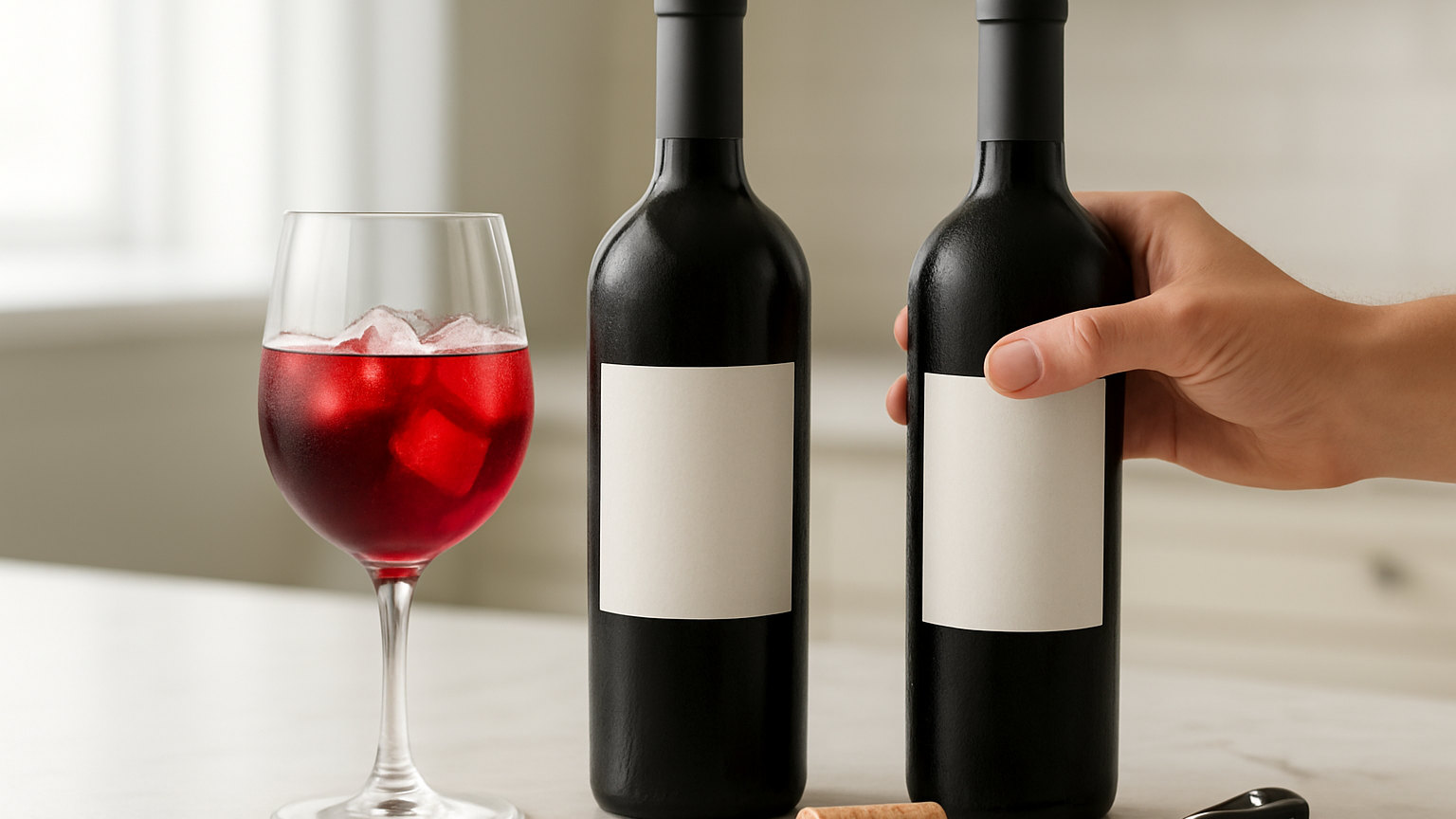
The alcohol figure is the most reliable indicator and requires no specialist knowledge. Fermentation converts sugar into alcohol, so a wine that fermented to completion has high alcohol and no residual sugar, while one stopped early has lower alcohol and retains sweetness.
A rosé at twelve and a half per cent or above is almost certainly dry. At eleven, expect a little sweetness. At nine or ten, expect a noticeably sweet wine. This holds across countries and is the single most useful check available in a shop.
Origin is the second guide. Provence, the wider south of France, most of Spain, Italy and Portugal's drier styles produce dry rosé as a matter of course. The Loire produces both, so the specific appellation matters there. American blush wines are sweet unless labelled otherwise.
Colour, as discussed at length elsewhere, tells you nothing about sweetness. A pale wine can be sweet and a deep one can be bone dry.
Why some sweetness is not a fault
There is a tendency to treat dryness as the mark of a serious wine and sweetness as a failure of nerve, which is snobbery rather than analysis. A well made off-dry rosé with sufficient acidity is a genuinely useful thing to have.
It handles spicy food better than any dry wine, because sweetness tempers chilli heat while dryness amplifies it. It suits people who find dry wine austere, and there is no reason their preference should be treated as a lesser one.
The legitimate criticism of the sweeter commercial styles is not that they contain sugar but that many lack the acidity to balance it, which leaves them flat and cloying. Sweetness with acidity is refreshing; sweetness without it is not.
Where dry rosé sits stylistically
Even within dry rosé, the range is considerable. A pale Provence wine at around thirteen per cent is delicate, citrus-driven and best served cold as an aperitif. A Spanish rosado from garnacha or a Tavel from the southern Rhône is deeper, fuller and structured enough to accompany a proper meal.
Fruit character can also read as sweetness without any sugar being present. A ripe, strawberry-scented rosé from a warm climate may seem sweeter than a lean one from a cool region even when both are technically dry, because the brain interprets intense ripe fruit as sugar.
If you have avoided rosé on the assumption that it is sweet, the correction costs about ten pounds. Buy a bottle from Provence or the Languedoc with an alcohol level of thirteen per cent, serve it properly chilled, and judge the category on what is actually in the glass rather than on what it was thirty years ago.
It is worth doing the same check on the wines you already assume are dry. Some inexpensive supermarket rosé carries a few grams of residual sugar that the label does not mention, added to soften the finish and broaden the appeal. It rarely tastes overtly sweet, but it explains why one bottle seems rounder than another at the same price, and the alcohol figure will usually give it away.