Rosé champagne occupies a peculiar legal position. Across the European Union, making still rosé by blending red and white wine together is prohibited, and when relaxation of that rule was proposed in 2009 the objection from producers was strong enough to see it withdrawn.
Champagne is the exception. Blending a small quantity of still red wine into the white base is not only permitted there but is the standard method, and it produces most of the pink champagne on the market.
The blending method
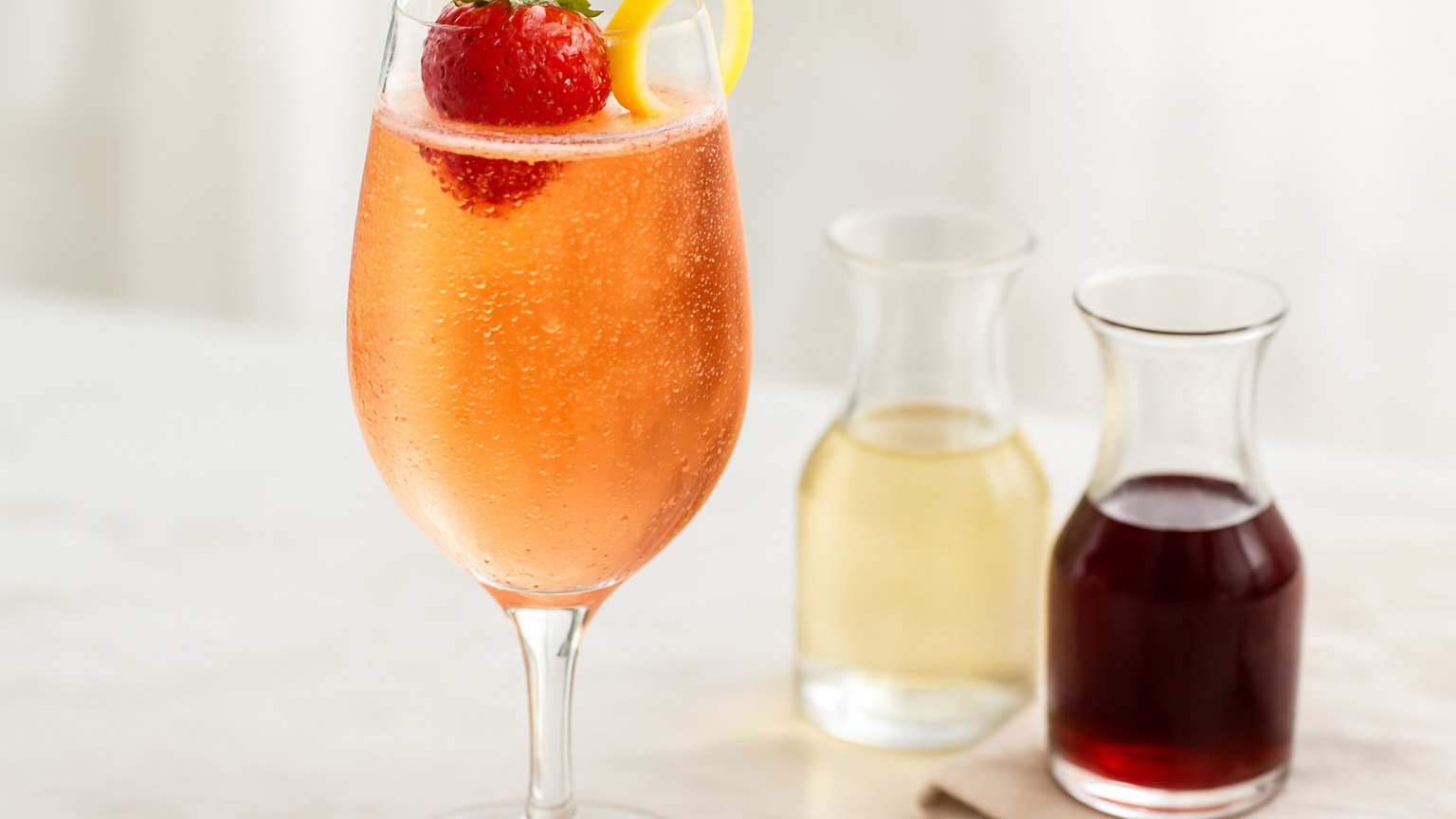
A producer makes their usual white base wines, then adds between five and twenty per cent still red wine, typically pinot noir from the region, before the second fermentation takes place in bottle.
The advantages are practical. Colour can be adjusted precisely and repeated year after year, which matters enormously for houses selling a consistent product. The red wine also contributes fruit character and a little structure without the extended skin contact that would risk extracting tannin.
The still red wines used are themselves a specialist product, made in small quantities from the best pinot noir sites, and the quality of that component makes a substantial difference to the finished wine.
Rosé de saignée
The alternative method is the one used for still rosé everywhere. Black grapes are macerated briefly, the juice is drawn off with its colour already acquired, and the resulting pink base wine goes through the second fermentation.
These wines are generally deeper in colour, fuller in body and more obviously fruit-driven, with more structure and often more capacity to age. They are considerably less common, since the method offers no control over colour and depends entirely on the vintage.
Producers who make rosé de saignée usually say so on the label, and it is worth looking for if you want a pink champagne with weight rather than delicacy.
What it tastes like and what to do with it
Blended rosé champagne tends towards red berry and citrus over the usual bready lees character, with a texture much like the white version and a little more fruit presence. Saignée versions are richer, with strawberry and raspberry fruit and a firmer structure.
Both are considerably more food-friendly than the perception of pink champagne as a celebratory flourish suggests. The extra fruit weight handles salmon, duck, charcuterie, tomato-based dishes and even some lighter meat, where a blanc de blancs would be overwhelmed.
Serve it a degree or two warmer than white champagne, around ten to twelve degrees, and in a glass with enough width for the aromatics.
The price question
Rosé champagne almost always costs more than the same house's standard non-vintage, frequently by a substantial margin. Part of that reflects genuine cost, since the still red wine component is expensive to produce and made in small quantities from good sites.
A larger part reflects demand. Pink champagne is bought for occasions and photographs well, and the market has demonstrated a willingness to pay for it. Whether the wine in the bottle is proportionally better is a fair question, and in blind comparison the gap is often smaller than the price suggests.
The alternatives are worth knowing. Rosé cava, rosé crémant and English sparkling rosé are all made by the same traditional method and frequently at a third of the price. Rosé prosecco, permitted as a category only since 2020, uses glera with a proportion of pinot noir and is made by the tank method, giving a fresher, fruitier and much cheaper wine.
If the occasion calls for pink champagne specifically, buy it and enjoy it. If what you want is good sparkling rosé, the money goes considerably further elsewhere.
Does it age?
Yes, and better than most people expect. The same lees ageing and bottle fermentation that give white champagne its longevity apply equally here, and a good vintage rosé champagne will develop for a decade or more.
The colour changes noticeably as it does, moving from pink towards salmon and eventually a coppery orange. In still rosé that would signal a wine past its best; in champagne it is a normal part of maturation, and the wine underneath can be superb. It is one of the few cases where an orange-tinged pink wine is a good sign rather than a warning.