Provence produces a large proportion of France's rosé and an outsized proportion of the world's attention to it. The region turned a category once regarded as a cheap summer drink into a premium product with global demand, and the pale, almost translucent colour became its signature.
Two things are worth separating: the wine, which has a genuine regional identity going back a very long way, and the commercial phenomenon of the last twenty years, which is more recent than most drinkers assume.
Why the wines are so pale
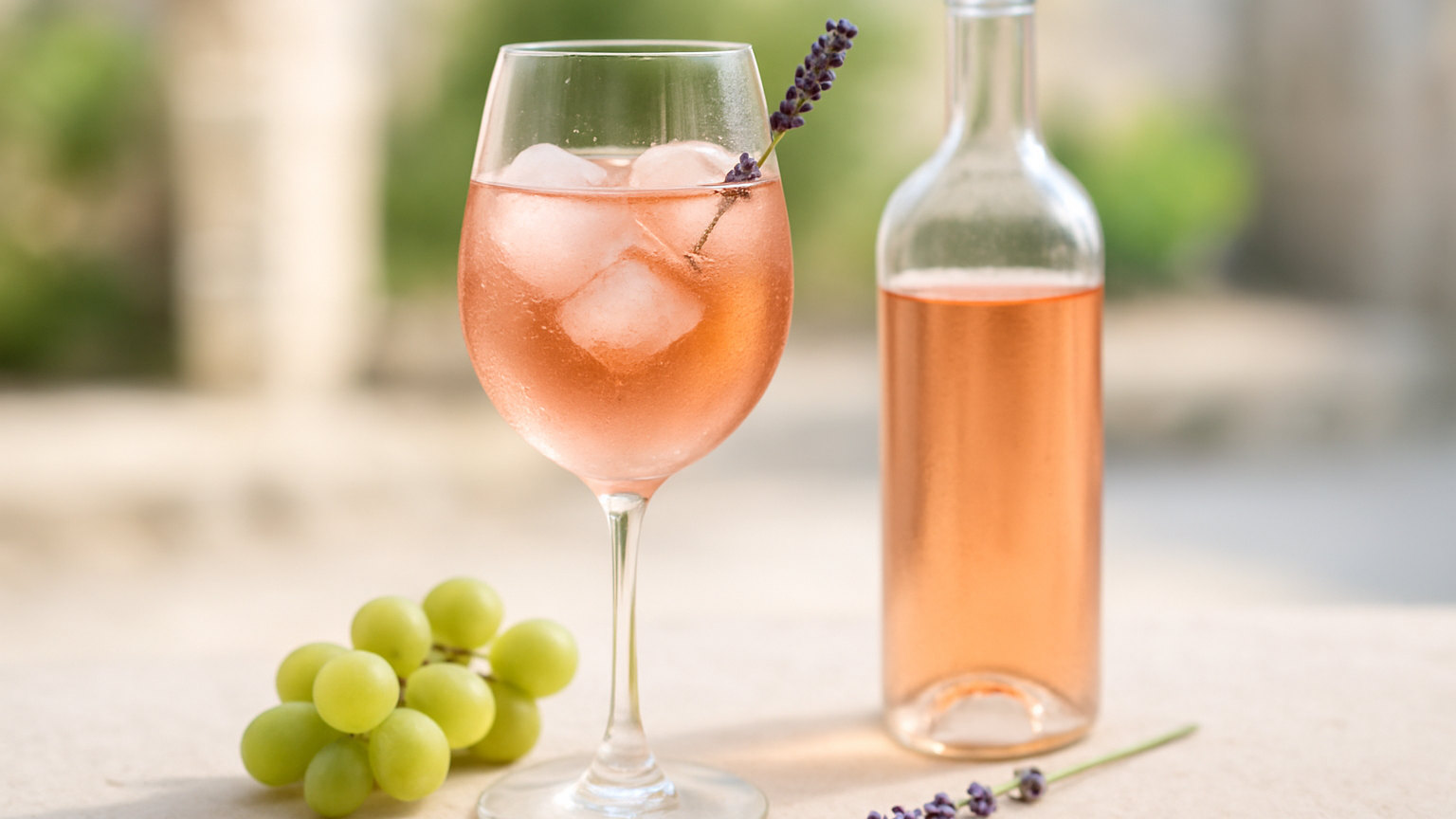
The colour is a consequence of technique. Provence producers overwhelmingly use direct pressing, taking the juice from the grapes almost immediately and giving it only the brief contact with skins that the pressing itself provides.
The grape mix helps. Grenache and cinsault, the mainstays, are relatively low in pigment and give pale juice readily. Syrah, mourvèdre and tibouren appear in blends, along with a little rolle, the local name for vermentino, which is a white grape and lightens the result further.
Picking decisions matter too. Grapes destined for rosé are harvested earlier than they would be for red, preserving acidity and limiting the pigment development that comes with full ripeness. Cool fermentation in stainless steel preserves the delicate aromatics that the style depends on.
The traditional description for the colour is onion skin, a pale pinkish-orange that producers now target deliberately, and some go to considerable lengths to achieve.
What the wine tastes like
Delicate rather than emphatic. Expect red berry, citrus, peach and a herbal note that locals attribute to the garrigue, the wild scrubland of thyme, rosemary and lavender that covers much of the region. Acidity is fresh, the finish is often faintly saline, and the whole thing is built for drinking cold in warm weather.
The best examples have real length and precision. The weakest are pleasant but thin, and the gap between them is not always visible in the price.
How it became a phenomenon
Rosé was for a long time a local wine drunk locally. The transformation came through a deliberate strategy of premiumisation: distinctive bottle shapes, careful branding, high-profile restaurant placement and an association with a particular kind of Mediterranean leisure.
It worked extraordinarily well. Rosé moved from being sold on price to being sold on image, and Provence captured the top of a market it had largely created. Producers elsewhere responded by making their own wines paler, which is why Spanish and Italian rosé has lightened noticeably over the same period.
The success has a downside. Demand has driven prices up across the region, and a fashionable Provence rosé can now cost more than a good red wine from a serious appellation, which is difficult to justify on what is in the glass alone.
The appellations, and where the value sits
Côtes de Provence is by far the largest and covers most of what is exported. Coteaux d'Aix-en-Provence and Coteaux Varois en Provence sit alongside it and are frequently better value for similar quality.
Bandol is the exception worth knowing. Based on mourvèdre, its rosé is deeper, more structured and considerably more serious, with the ability to age for several years and the weight to accompany a full meal rather than merely an afternoon. It costs more than standard Provence rosé and is one of the few pink wines where the price reflects genuine complexity rather than positioning.
For everyday drinking, rosé from the Languedoc, the Rhône or Spain will give you a comparable experience for noticeably less. The Provence style is real and worth trying, but a fair proportion of what the premium buys is the label, the bottle and the association, and that is worth knowing before spending twenty pounds on a wine to drink cold in the garden.
The region's influence on everyone else has been the more lasting consequence. Producers from Spain to South Africa now make paler wine than they did twenty years ago, using earlier picking and gentler pressing to chase a colour that Provence made desirable. Whether that has improved the world's rosé or merely made it more uniform is a question the category has not really settled.