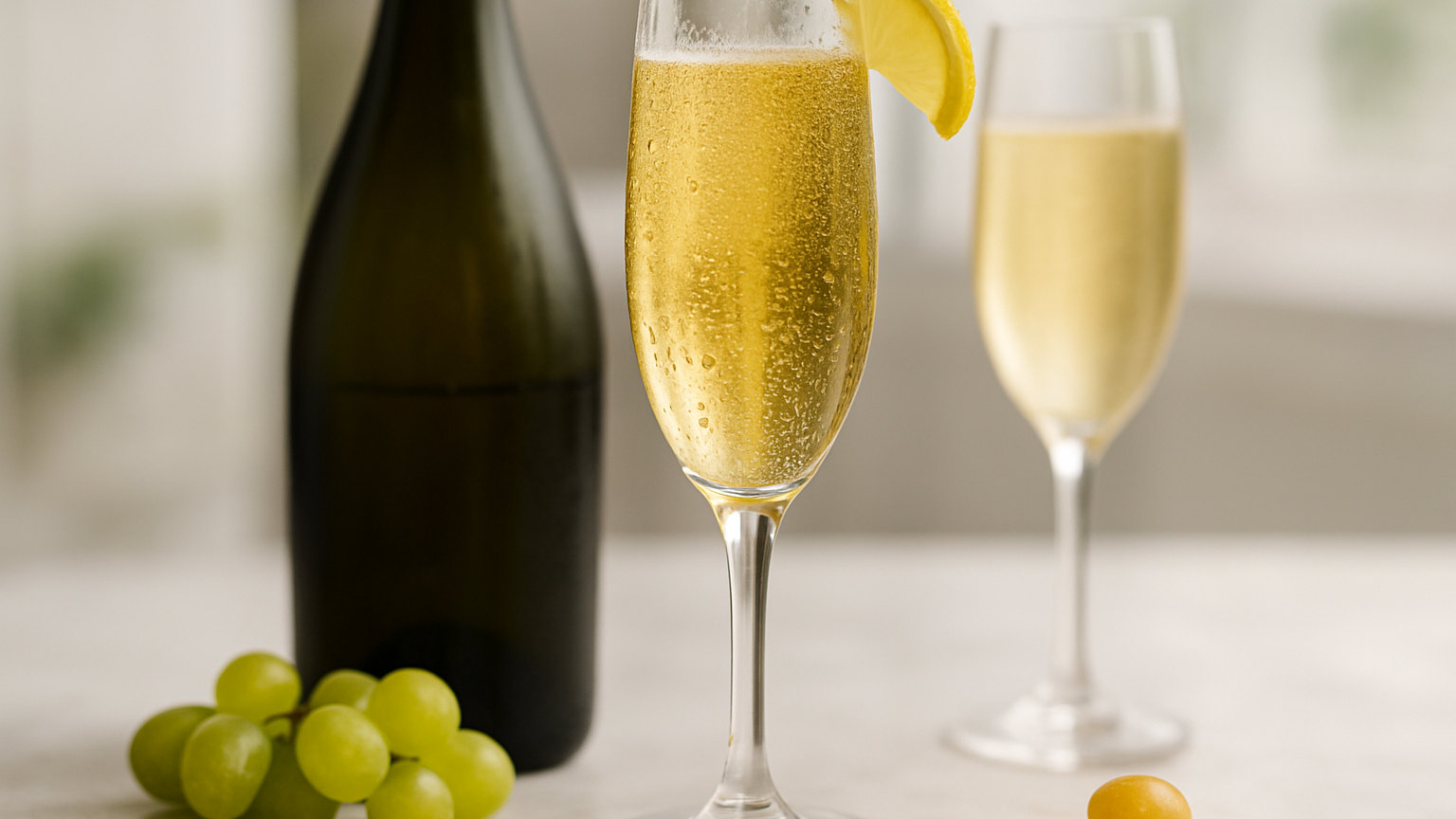
Pick up almost any bottle of champagne and there will be no year on it. In most wine categories that would be a warning sign, suggesting a blend of leftovers. In Champagne it is the norm, it is deliberate, and the wine is frequently better for it.
The reason lies in the region's climate. Champagne sits at the northern limit of viable grape growing, and the difference between a warm year and a cold one is severe. A producer relying on a single harvest would release something excellent one year and something thin the next.
How non-vintage blending works
Houses maintain libraries of reserve wines from previous harvests, sometimes going back decades. Each year's blend, the assemblage, combines the current harvest with a proportion of those reserves, chosen so the finished wine matches the house style established over generations.
The proportions are a serious craft. A cellar master may be blending from dozens of individual base wines, from different villages and different years, aiming at a target that customers expect to taste the same as it did five years ago.
Some houses have made a virtue of this, using very high proportions of reserve wine and describing the result as multi-vintage rather than non-vintage, which is a fairer description of what is actually in the bottle.
What a vintage bottle represents
A vintage champagne comes entirely from a single year's harvest, and houses only declare a vintage when they judge the year good enough. In poor years, none is made at all, and the fruit goes into the non-vintage blend instead.
The rules require longer ageing: a minimum of three years on the lees against fifteen months for non-vintage, and in practice most houses age their vintage wines considerably longer. The result is a wine with more weight, more autolytic character and greater ageing potential.
It is also, by definition, a wine that tastes of a particular year rather than of a house style. Warm years give riper, rounder wines; cool years give leaner, more mineral ones. That variation is the point.
Prestige cuvées and where they sit
Above vintage sit the prestige cuvées, the flagship bottlings from the best vineyard sites with the longest ageing. Most are vintage-dated, though a few famous examples are not. These command very high prices and represent both genuinely exceptional wine and a substantial premium for the name and the bottle.
Whether that premium is justified depends on how much of the price you are willing to attribute to scarcity and prestige. In blind tastings, excellent grower champagne at a third of the price competes seriously with them.
Which to buy
For an aperitif, a party or a wine to drink now, non-vintage is the sensible choice and frequently the more enjoyable one. It is designed for immediate drinking and is the truest expression of what a house is trying to do.
For a meal where the wine is the focus, or for keeping, vintage repays the extra outlay. It has the structure to develop over ten or twenty years, and a mature vintage champagne is one of the great drinking experiences in wine.
One detail worth looking for on any bottle is the disgorgement date, which some producers now print. It tells you when the wine was removed from its lees and the clock on its post-disgorgement life began, and it is far more useful than the vintage for judging how a bottle will be drinking today. A non-vintage disgorged four years ago is a different wine from one disgorged last month, and increasingly producers are willing to tell you which you have.
The trend towards disclosure is a recent one and not universal, so its absence should not count against a bottle. Where it appears, usually on the back label as a date or a code, it is a sign that the producer expects the buyer to care about how the wine will taste rather than simply about the name on the front.