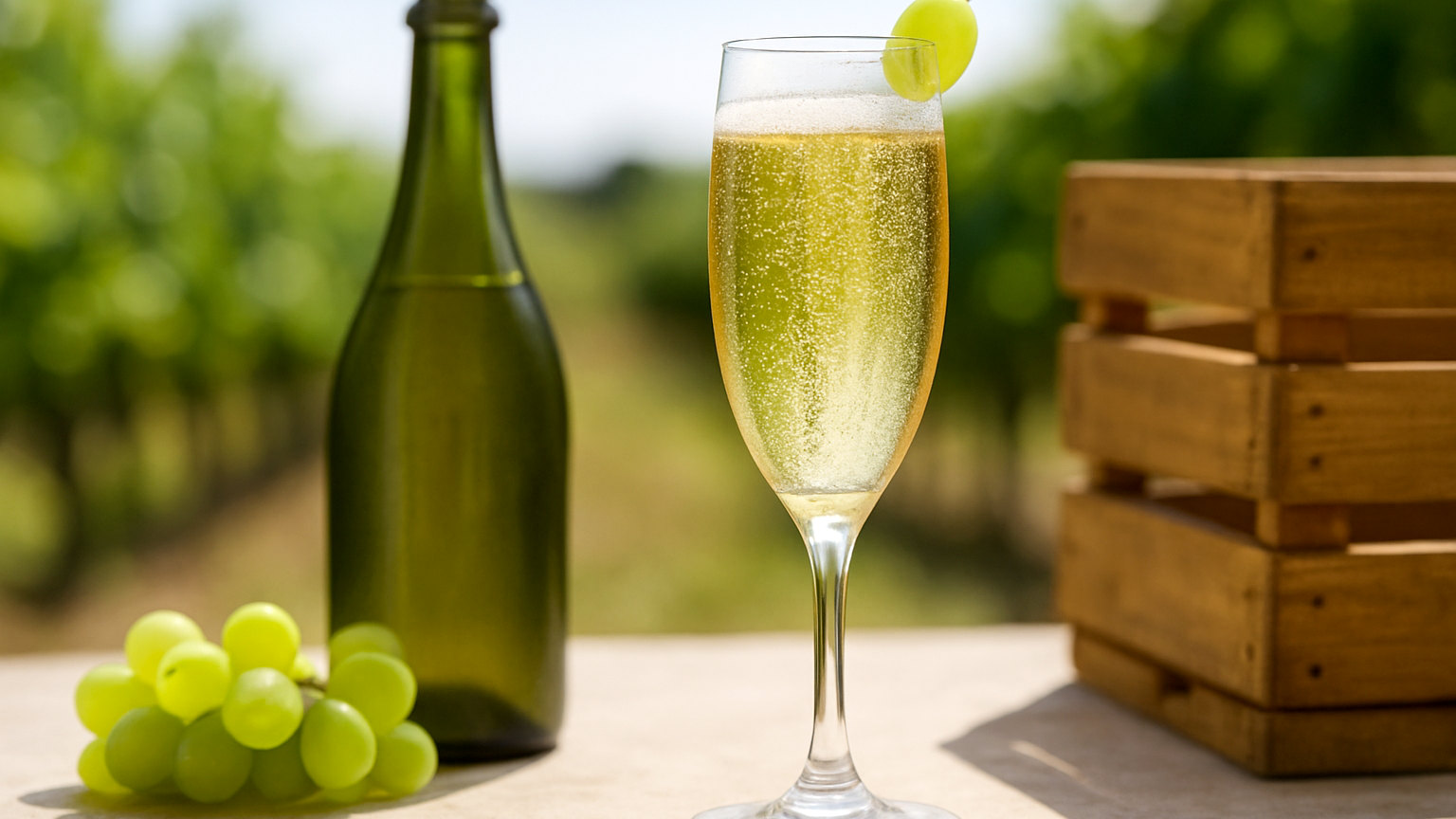
Cava is Spanish sparkling wine made by the traditional method, which means it undergoes its second fermentation in the bottle and rests on the lees exactly as champagne does. It routinely sells for a third of the price, and the reasons have nothing to do with cutting corners in production.
The grapes are the first difference
Champagne uses chardonnay, pinot noir and meunier. Cava is traditionally made from three native Spanish varieties: macabeo, which provides fruit and freshness, xarel·lo, which brings structure, acidity and ageing capacity, and parellada, which adds floral aromatics and finesse.
Chardonnay and pinot noir are permitted and increasingly used, and rosé cava is made from garnacha, monastrell, trepat and pinot noir. The native trio remains the classic blend and gives cava its distinctive character: earthier and more savoury than champagne, with a bitter almond note on the finish that people either recognise as a signature or mistake for a flaw.
These grapes grow abundantly in Catalonia at a fraction of the cost of champagne fruit, and that gap is where the price difference begins.
Land, sunshine and mechanisation
Vineyard land in Champagne is among the most expensive agricultural land on earth, reflecting a strictly limited appellation and global demand. Land in the Penedès region south west of Barcelona, where most cava is produced, costs a small fraction of that.
The climate is also far more reliable. Champagne struggles to ripen grapes in poor years and loses crops to frost. Catalonia has consistent sunshine and a long growing season, so yields are dependable and the disasters that periodically hit northern France do not occur.
Cava producers also mechanised early and thoroughly. Riddling, the process of gradually working sediment into the neck of each bottle, was traditionally done by hand over weeks. Cava houses adopted the gyropalette, a machine that turns hundreds of bottles at once, and it is now used across the industry including in Champagne. Large-scale, efficient production drives the unit cost down further.
What the quality tiers mean
The category has restructured its labelling to distinguish everyday wines from serious ones, and the distinction is worth learning because it identifies where the value is.
The base level requires a minimum of nine months on lees. Above it sits a superior tier with organic requirements and stricter sourcing, within which reserva requires eighteen months, gran reserva thirty months, and the top designation, tied to single estates with old vines and low yields, requires thirty six.
The practical point is that a gran reserva cava with thirty months of lees ageing costs perhaps fifteen to twenty pounds and delivers a genuinely complex wine. That is a serious proposition, and it is where cava stops being the cheap option and becomes the intelligent one.
Where the reputation problem comes from
Cava's image has suffered from the sheer volume of very cheap bottles sold at the bottom of the market. A five pound cava is made from high-yielding fruit with the legal minimum lees ageing, and it tastes like it: simple, sometimes coarse, with a slightly bitter finish and none of the complexity the method can produce.
Buyers then generalise from that experience to the whole category, which is unfair to producers making excellent wine further up the scale.
The practical advice is to ignore the bottom two price bands entirely and look for reserva or gran reserva on the label, along with a stated lees ageing period. At that level cava competes directly with champagne on quality while remaining substantially cheaper, and it is one of the few genuine bargains left in sparkling wine.
It is also worth knowing that a number of respected producers have left the cava appellation altogether in recent years, arguing that the name had been devalued by mass production, and now sell under separate regional designations. Those bottles are still Catalan traditional method sparkling wine of high quality; they simply no longer carry the word. If a Penedès sparkling wine seems to be missing its category name, that is usually the explanation rather than a sign of anything wrong.