Of all the rituals surrounding wine, swirling is the one most likely to make someone self-conscious. It looks studied, it risks a purple stain on a tablecloth, and its purpose is rarely explained. It is also, unlike several other conventions, genuinely useful.
What it actually does
Aroma reaches your nose as vapour. The compounds responsible for what a wine smells of are volatile, meaning they evaporate from the surface of the liquid into the air above it, and the more of them that make that journey, the more you can smell.
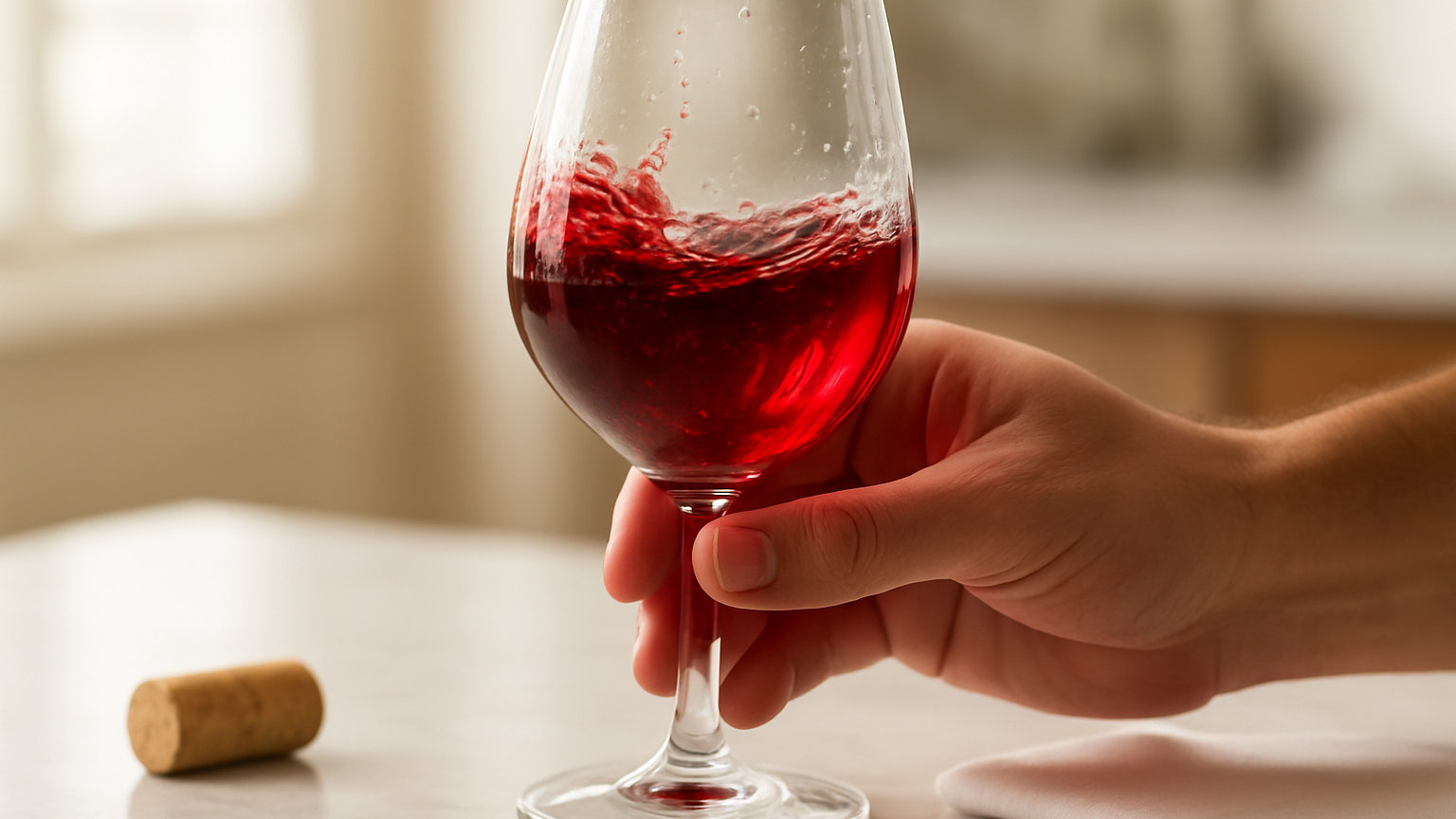
Swirling helps in two ways. It coats the inside of the glass with a thin film of wine, dramatically increasing the surface area from which evaporation can occur. And it introduces oxygen, which helps release compounds that were bound up in the liquid.
The effect is immediate and easy to verify. Smell a glass of wine without swirling, swirl it for five seconds, and smell again. The difference is large enough that nobody who tries it twice keeps swirling for show.
This is also why the space above the wine matters, and why a glass should be filled no more than a third. A full glass leaves no room to swirl and no headspace for aromas to collect, which is why generous restaurant pours are less generous than they appear.
How to do it without incident
Keep the base of the glass on the table and move it in small circles. The glass stays flat, the wine rotates, and nothing leaves the vessel. Two or three rotations is plenty.
Swirling in the air, holding the glass by the stem, is perfectly possible and slightly harder. Practise with water first if the tablecloth is not yours.
Vigorous swirling is unnecessary and, for delicate old wines, actively counterproductive, since aggressive aeration can blow off fragile aromatics that will not return.
The legs, and what they do not mean
After swirling, streaks of liquid run down the inside of the glass. These are called legs or tears, and there is a persistent belief that thick, slow legs indicate a better wine.
They do not. The phenomenon has a physical explanation involving the different evaporation rates and surface tensions of alcohol and water, described as the Gibbs-Marangoni effect. Alcohol evaporates faster from the thin film on the glass, which changes the surface tension and pulls liquid into droplets that then run back down.
What legs indicate is alcohol content, and to a lesser extent sugar and glycerol. A wine at fifteen per cent will show more pronounced legs than one at eleven. That tells you the wine is stronger, which the label already told you, and nothing whatsoever about whether it is any good.
Temperature, humidity and how clean the glass is all affect them too, which is another reason to treat them as a curiosity rather than as evidence.
When not to bother
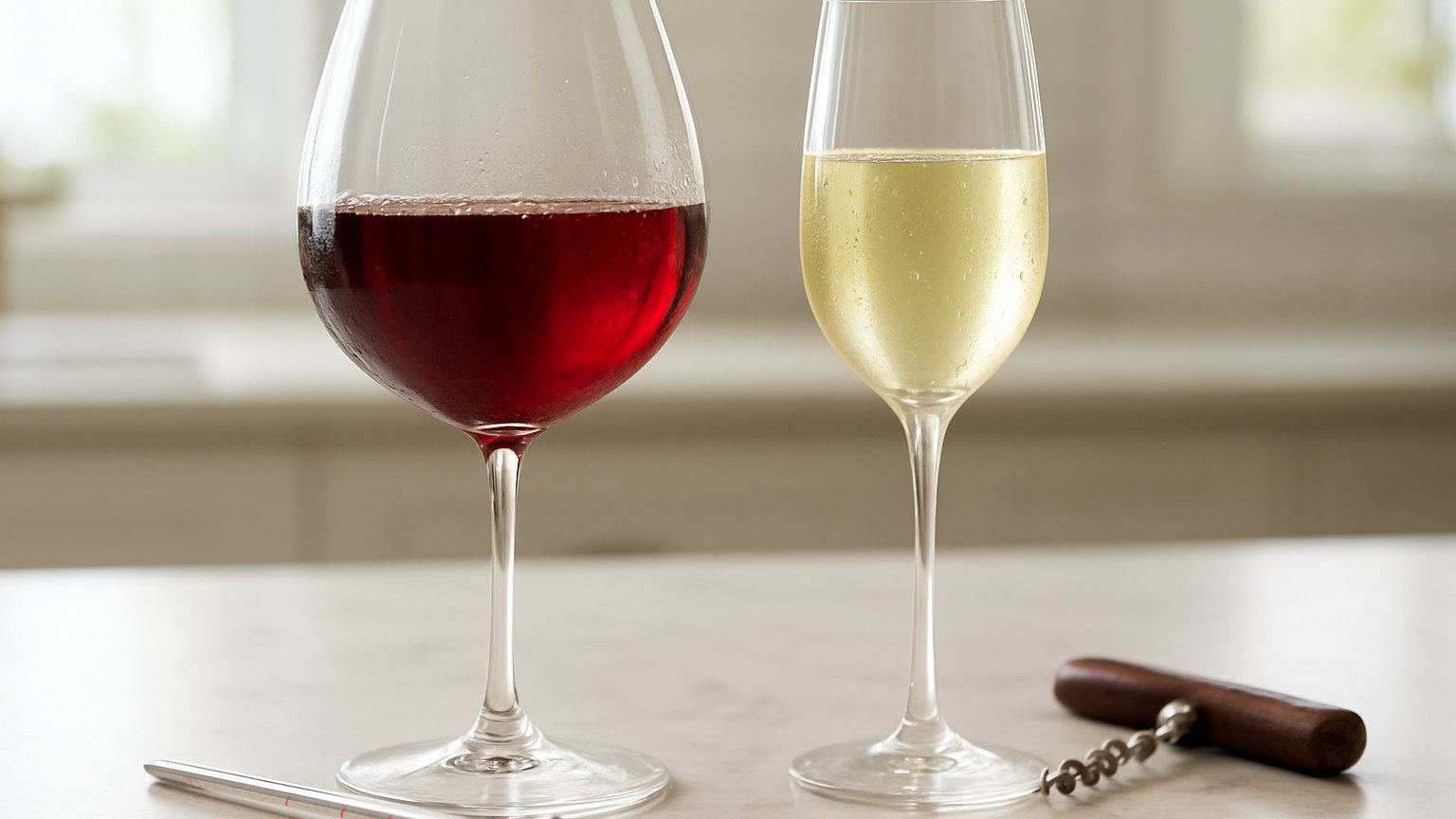
Sparkling wine should not be swirled. Carbonation is exactly what you are trying to preserve, and agitating the glass drives it off. Aromas in sparkling wine are carried up by the bubbles anyway, which is one of the more elegant pieces of physics in drinking.
Very old and fragile wines want gentle handling rather than energetic aeration, as noted above.
Otherwise, swirl freely. It is one of the few wine conventions with a clear mechanism behind it, and the fact that it looks slightly ridiculous is a poor reason to smell less of something you paid for.