Chablis is made entirely from chardonnay, and a great many people who order it regularly do not know that. The reason is that it tastes so unlike the oaked, buttery style the grape is famous for that the connection is not obvious, which makes Chablis the single best demonstration of how completely place and technique reshape a variety.
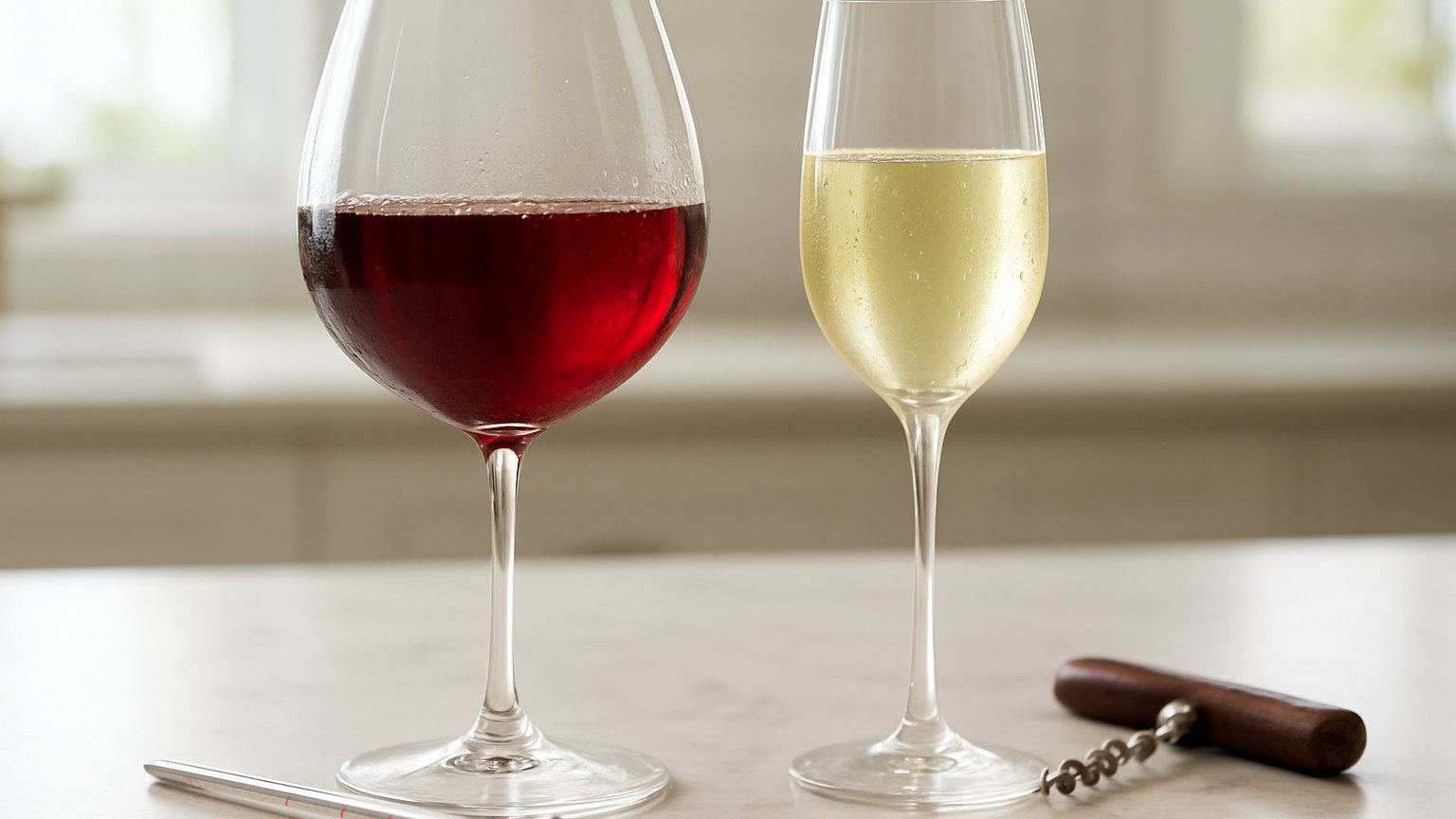
The wine is lean, high in acidity and dry, with green apple, lemon, and a stony, saline quality. Where a warm-climate chardonnay is broad and golden, Chablis is taut and pale, and the contrast is instructive enough that the two bottles opened together teach more about wine than most books manage.
A cold outpost of Burgundy
Chablis sits well to the north of the rest of Burgundy, closer to Champagne than to the Côte d'Or, and the climate is genuinely marginal for ripening chardonnay. Grapes reach maturity with high acidity and modest sugar, which produces a wine of around twelve to thirteen per cent with a firm backbone.
The corollary is risk. Spring frost is a recurring threat, and growers use heaters, sprinklers and wind machines to protect the vines. Vintage variation is consequently greater than in warmer regions, and this is one of the few places where paying attention to the year genuinely helps.
The limestone question
The soils are Kimmeridgian limestone and marl, a formation laid down when the area was a shallow sea, and it is dense with fossilised oyster shells. Producers and merchants make a great deal of this, and it is usually offered as the direct explanation for the wine's saline, oyster-shell character.
The romantic version of that story does not survive scrutiny, since vines do not transport rock flavour into fruit. What the soil does do is real enough: it drains well, retains warmth, and stresses the vine appropriately, all of which influence the concentration and acidity of the grapes. The stony impression in the glass most likely comes from high acidity, low pH and reductive winemaking rather than from the shells themselves, which does not make the wine any less distinctive.
The four levels, and what they mean
Chablis is divided into a hierarchy based on vineyard site, and unusually for Burgundy the tiers are reasonably easy to follow. Petit Chablis comes from the outlying areas on younger soils and is the lightest and cheapest. Chablis, the largest category, is the reference point for the style. Chablis Premier Cru comes from forty named vineyards with better exposure and gives more depth. Chablis Grand Cru comes from a single hillside above the town, divided into seven named climats, and produces wines that are powerful, ageworthy and expensive.
Oak use rises with the hierarchy. Petit Chablis and most straight Chablis see no oak at all, while premier and grand cru wines often see some, usually older barrels used for texture rather than flavour. Even at the top, the style remains restrained by burgundian standards.
How to drink it
Serve it cool but not cold, around ten to twelve degrees, since over-chilling flattens the aromatics that justify the price. Grand cru bottles benefit from a larger glass and from being drunk slightly warmer still.
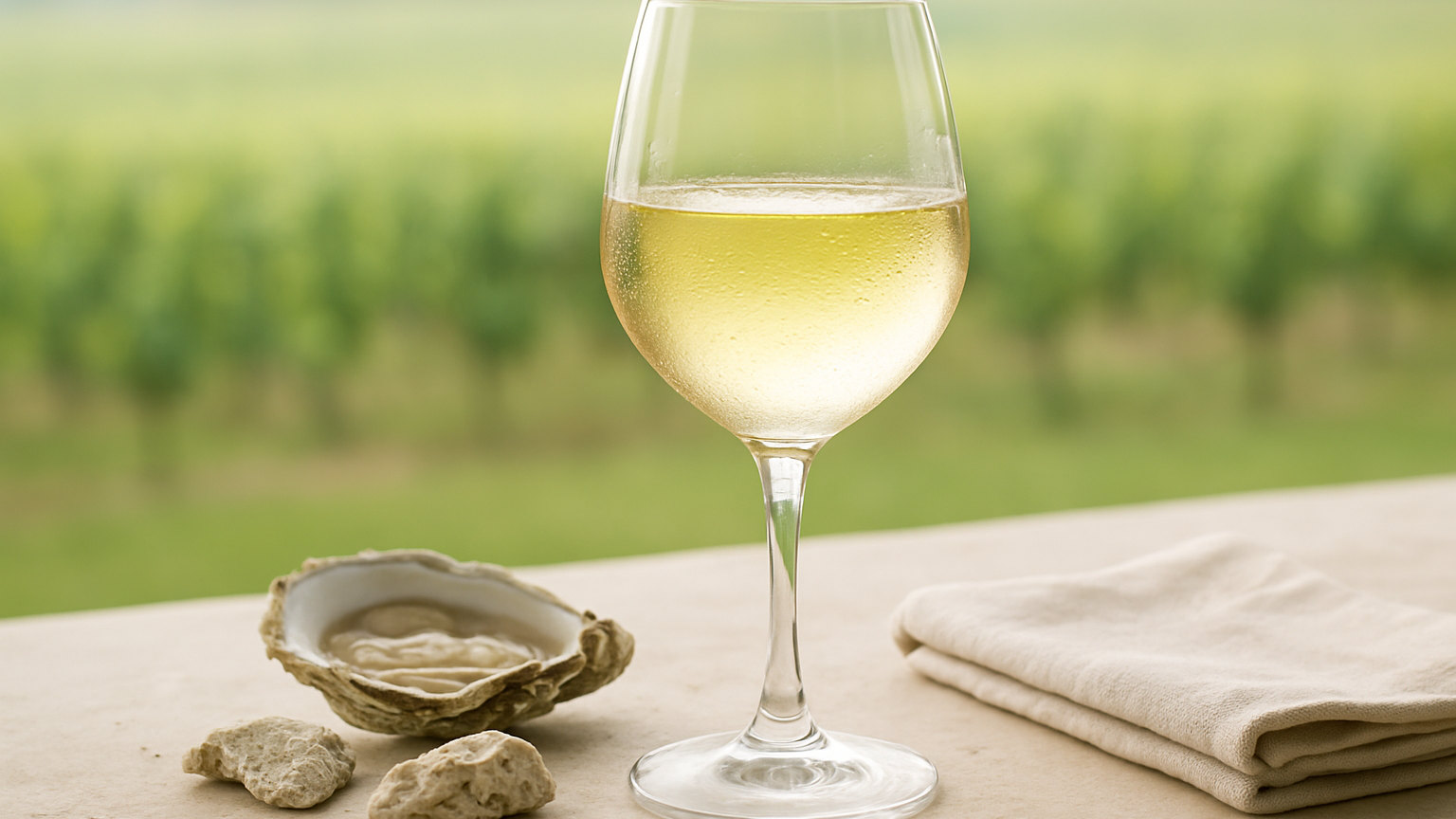
The classic pairing with oysters is genuine rather than decorative, and the same logic extends to all shellfish, white fish, goat's cheese and anything with lemon. It is one of the most food-friendly white wines made.
Straight Chablis is best in its first three to five years. Premier and grand cru wines repay a decade or more, developing honey and toast while keeping the acidity that defines them. If you have written off chardonnay, this is the bottle that reopens the argument.
One buying note. Chablis is a famous name, and famous names attract volume production alongside the good stuff, so the cheapest bottles can be thin and unrewarding. Petit Chablis from a careful grower is usually a better purchase than basic Chablis from a large negociant at the same price, and the producer's name deserves more attention here than the tier on the label.