A muddler is a blunt stick for pressing ingredients in the bottom of a glass or shaker. It is genuinely useful for a handful of drinks and it is the tool most likely to be used destructively.
What muddling is for
Releasing aromatic oils and juices from ingredients that will not give them up otherwise.
Herbs carry aromatic oil on the surface of their leaves. Citrus carries it in the peel. Fruit holds juice in its cells. Muddling breaks the surface enough to release what is wanted.
The critical word is enough. Beyond that point, muddling releases things you do not want.
The mint problem
The most common error in cocktail making.
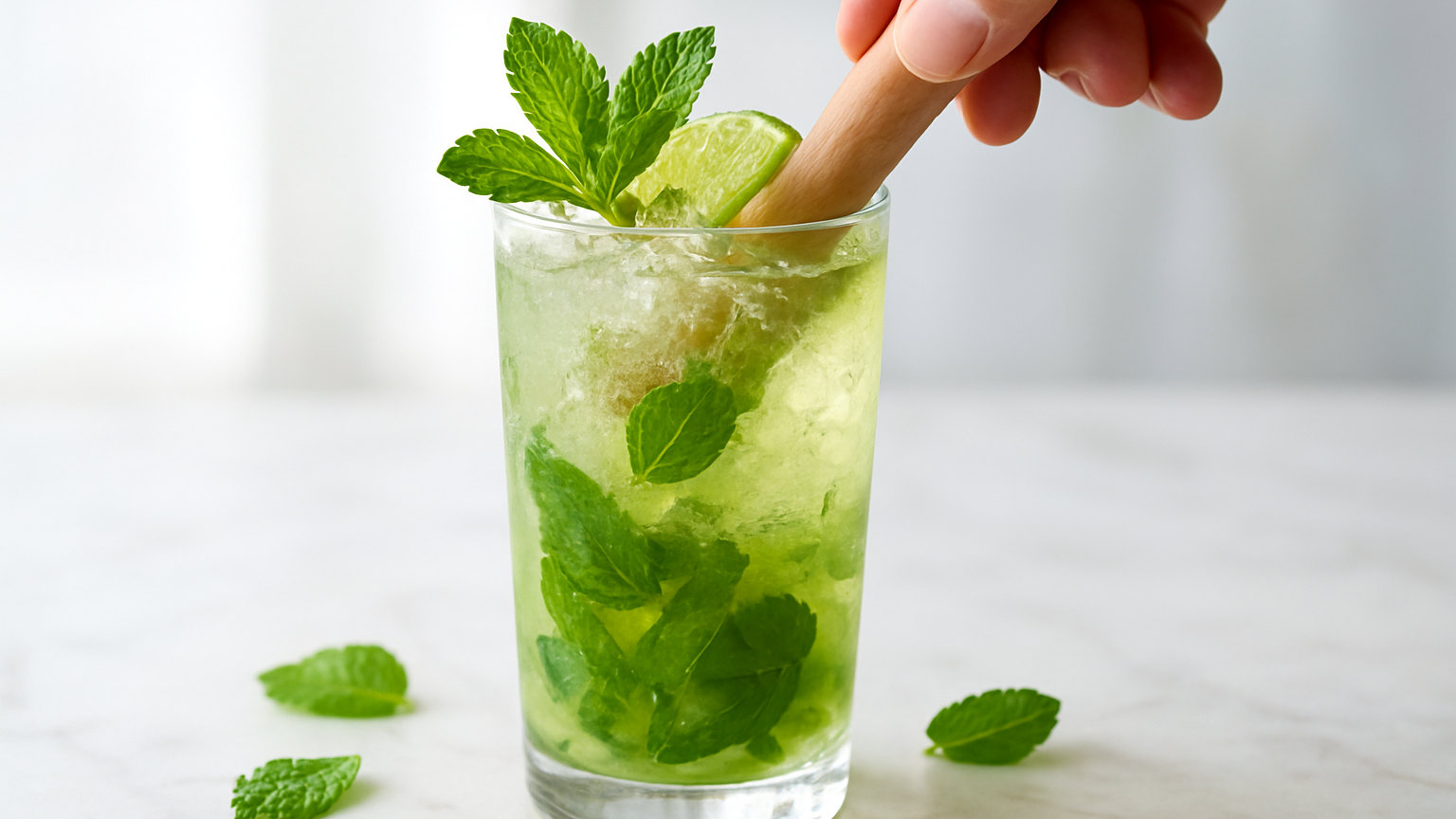
Mint leaves hold their aromatic oil on the surface. A gentle press releases it. Grinding the leaves tears the cell structure and releases chlorophyll and bitter compounds, producing a grassy, vegetal flavour that dominates the drink.
For a mojito or a julep, press the mint gently against the side of the vessel two or three times. That is all.
Better still, slap the herb between your palms before adding it, which releases the oil without any damage at all. It is what most bartenders do.
If a mint drink tastes of lawn clippings, this is why.
Fruit
Softer than herbs and more forgiving, and there are still limits.
Berries, stone fruit and grapes can be pressed firmly, since the aim is to break the flesh and release juice.
Citrus wedges need care. Pressing the flesh releases juice, which is fine; grinding the peel releases oil, which is usually wanted, and grinding the pith releases bitterness, which is not.
For a caipirinha, press the lime wedges firmly enough to release juice and oil but stop before the pith is pulverised.
Sugar
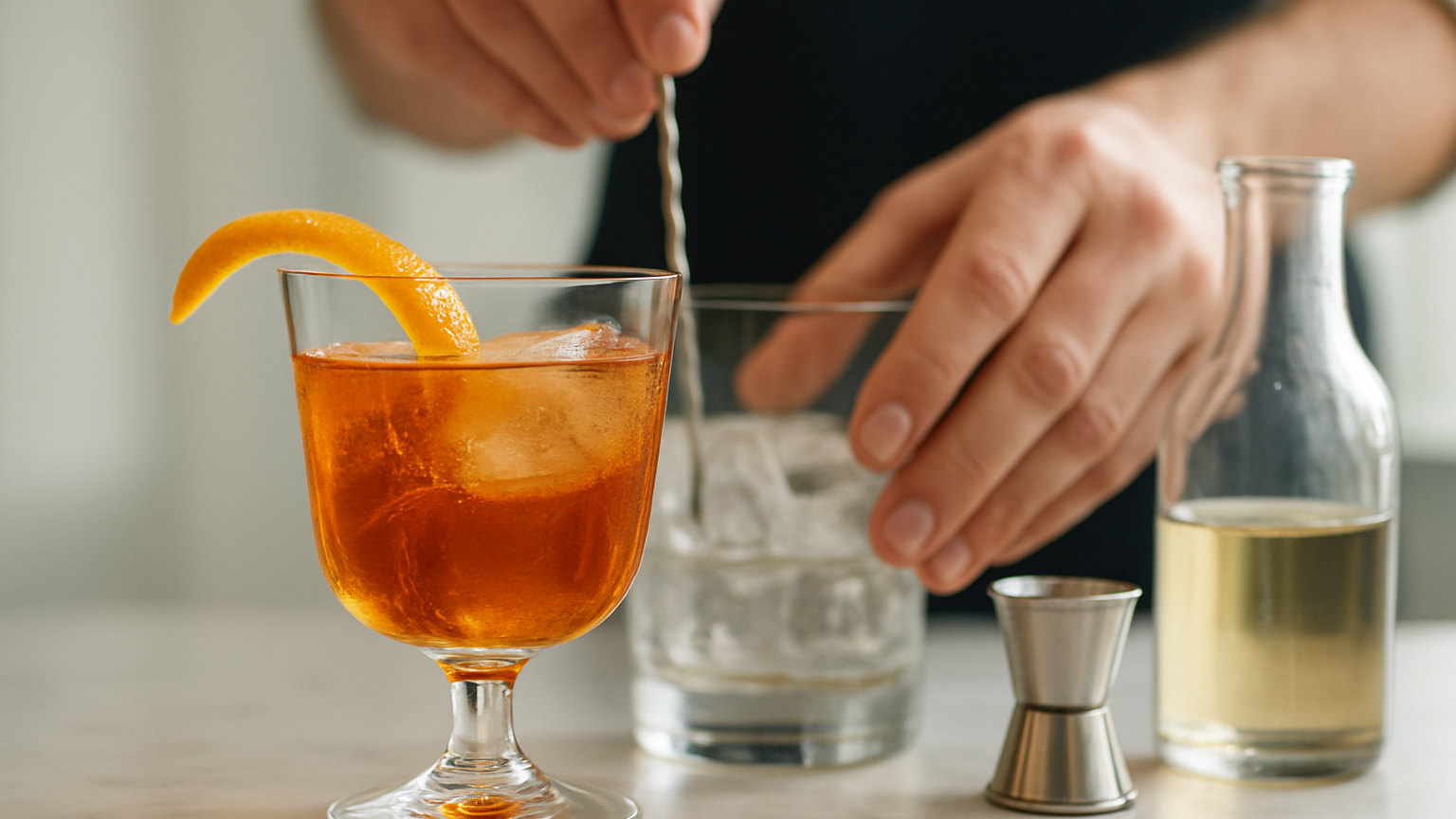
The traditional use in an old fashioned: a sugar cube with a few dashes of bitters and a splash of water, crushed until it dissolves.
This is a legitimate use of firm pressure, since sugar is the one thing that needs actual force.
Using syrup instead removes the need entirely and produces a more consistent drink, which is why most bars do.
Choosing a muddler
Unfinished wood is traditional and absorbs flavour and stains over time, so it needs washing carefully and drying properly.
Stainless steel is easier to clean and can be harsh on delicate ingredients.
Nylon or plastic with a flat head is the practical choice and what most bars now use.
Avoid anything with aggressive teeth on the end. Those are designed for pulverising and encourage exactly the technique that ruins herbs.
Length matters: it should reach the bottom of your tallest glass comfortably.
Substitutes
The end of a wooden rolling pin works perfectly well.
The flat end of a bar spoon suits herbs, since it is too small to do much damage.
A pestle from a mortar works for fruit.
Anything blunt, clean and food-safe does the job.
Do you need one
If you make mojitos, juleps, caipirinhas, mint smashes or fruit-muddled drinks regularly, yes.
Otherwise no. The drinks that require muddling are a small proportion of the canon, and the substitutes are adequate for occasional use.
The money is better spent on a jigger, an ice mould or fresh citrus, all of which improve every drink rather than a handful of them.
Cleaning it
Rinse immediately, since fruit and herb residue sets hard.
Wooden muddlers should be washed by hand with minimal detergent and dried at once, never put in a dishwasher, which cracks them.
Wood also absorbs flavour, so a muddler used for mint and then for berries will carry both. If it starts to smell or discolour badly, replace it.
The vessel matters too
Muddle in a sturdy glass or a shaker tin rather than a thin-walled glass, which can crack under pressure.
A rocks glass with a heavy base is fine; a delicate coupe is not.
When to muddle and when not
Muddle when an ingredient will not give up its flavour otherwise. Do not muddle when a gentler method achieves the same thing.
Slapping herbs, expressing peel and using a syrup instead of a sugar cube all avoid muddling entirely and produce a cleaner result.