The usual approach is to buy a boxed set and a dozen bottles at once, after which most of it sits unused. Building in stages, driven by what you actually make, produces something smaller and considerably more useful.
Stage one: the first evening
A jigger, a bag of lemons and limes, a bottle of gin, small cans of tonic and a tray of ice.
That makes a genuinely good gin and tonic, which is a better drink than most people make at home, and it costs very little.
Add sugar syrup, which is sugar and water stirred together in five minutes, and you can also make a Tom Collins.
Stage two: the first cocktails
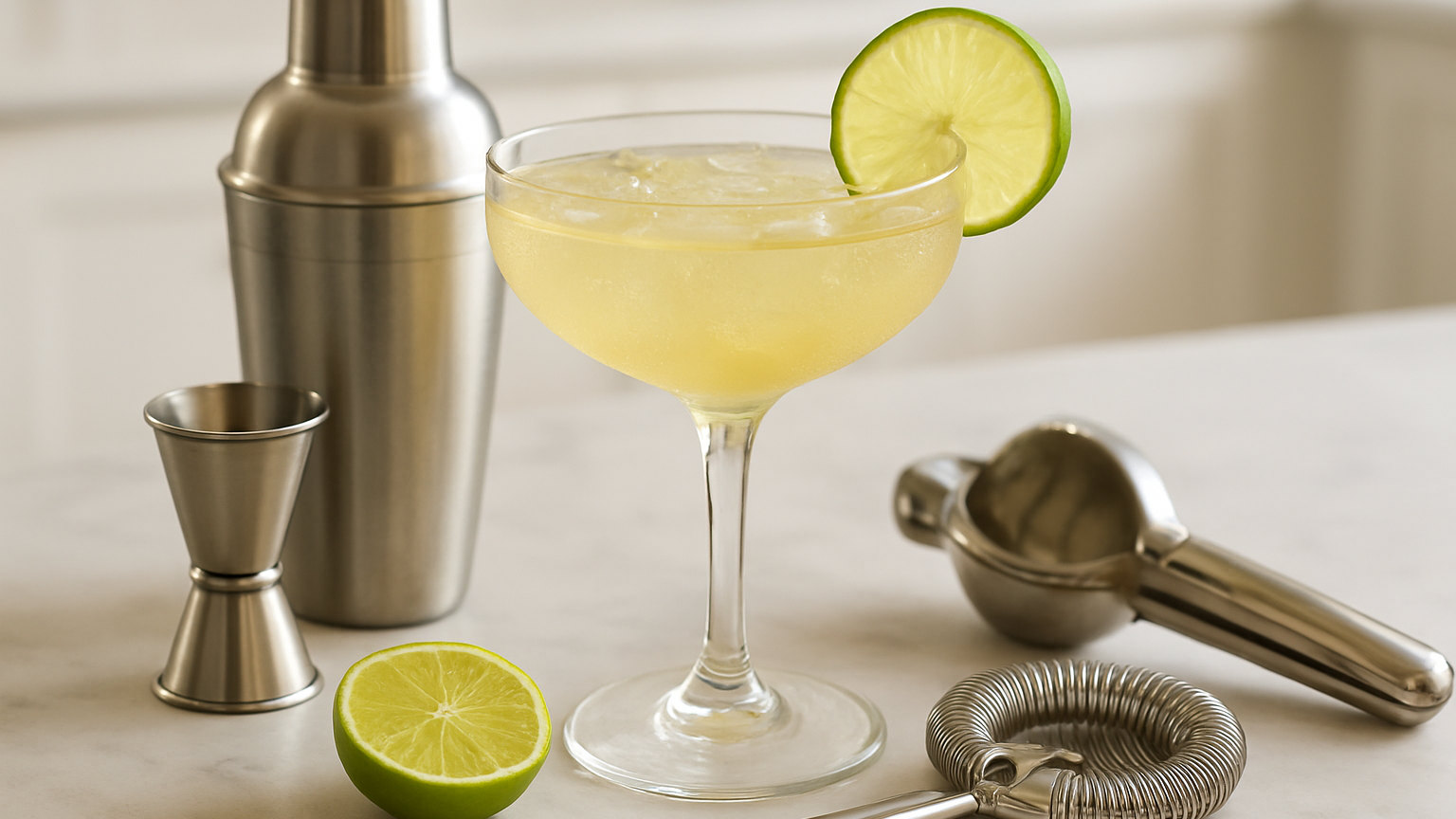
A shaker, a Hawthorne strainer, a small sieve and a citrus press.
On the bottle side, add a red bitter aperitivo and sweet vermouth, kept in the fridge.
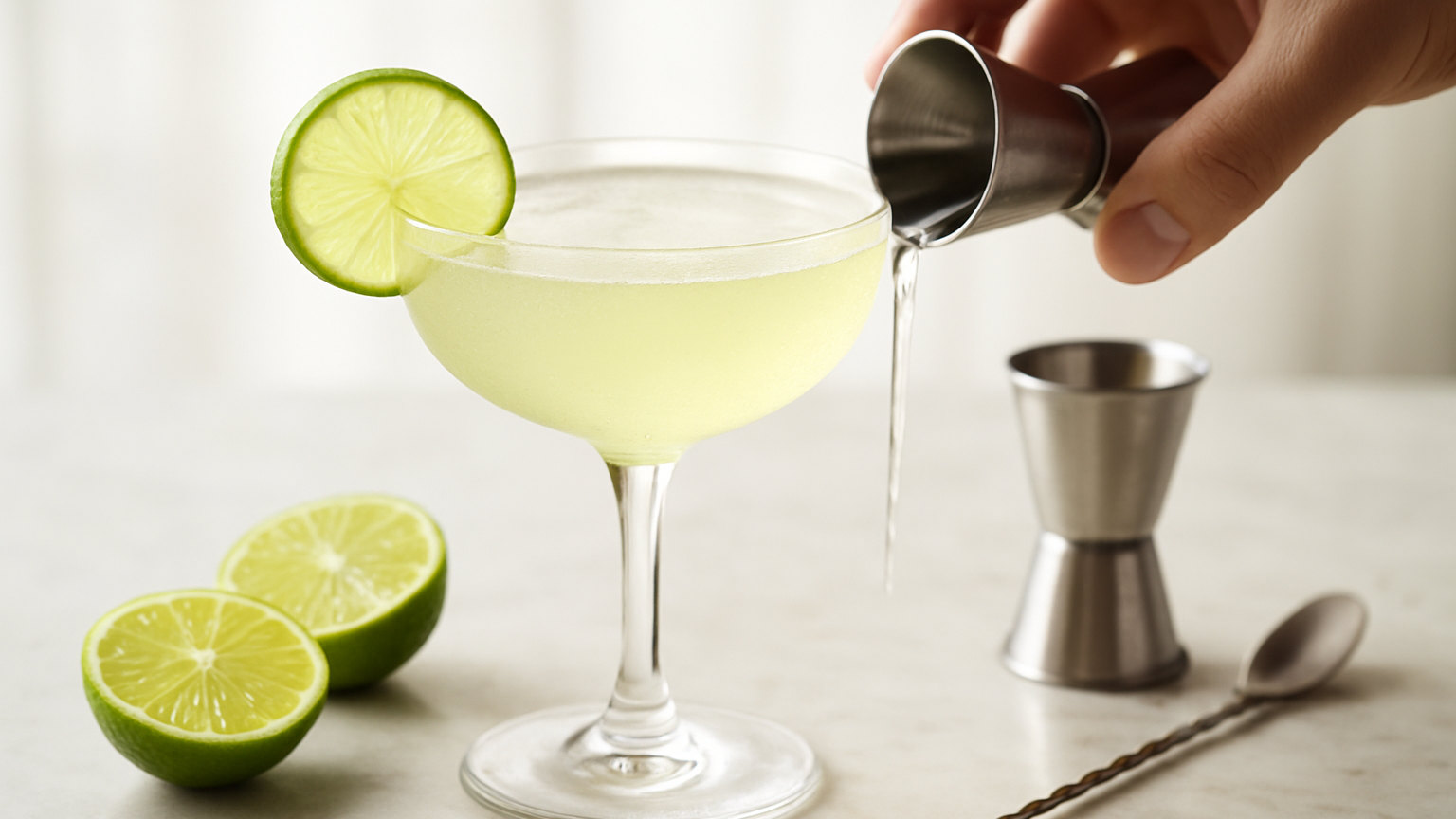
That unlocks the negroni, the americano, the daiquiri if you add rum, and the gimlet.
Four items of equipment and two bottles, and the range expands considerably.
Stage three: stirred drinks
A bar spoon and a mixing glass, or a pint glass if you would rather.
Aromatic bitters, which cost very little and last for years.
A bourbon or rye.
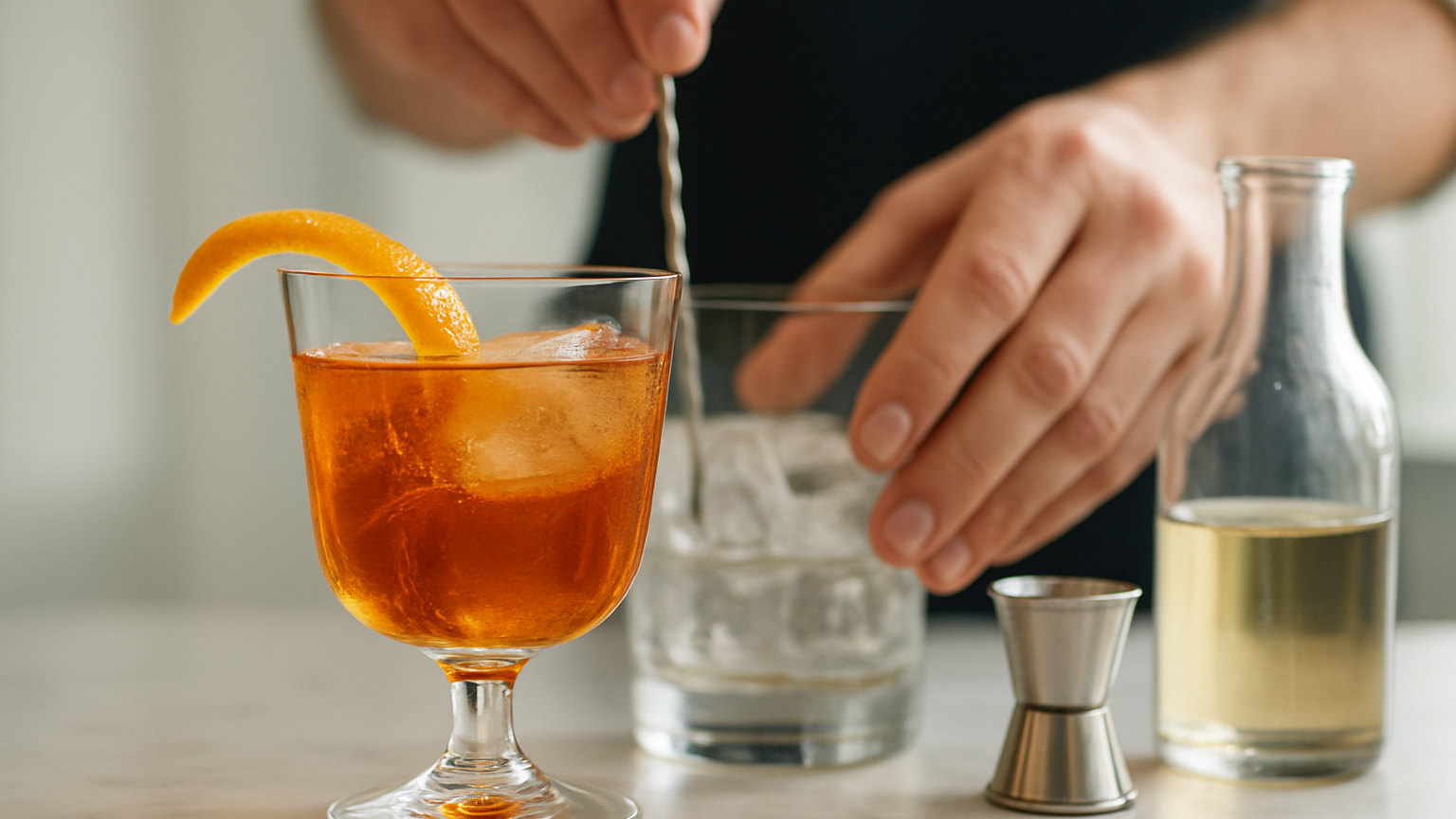
That adds the old fashioned, the manhattan and the boulevardier, and bitters improve a great many drinks you already make.
Stage four: refinement
A silicone mould for large ice cubes, which improves every spirit-forward drink.
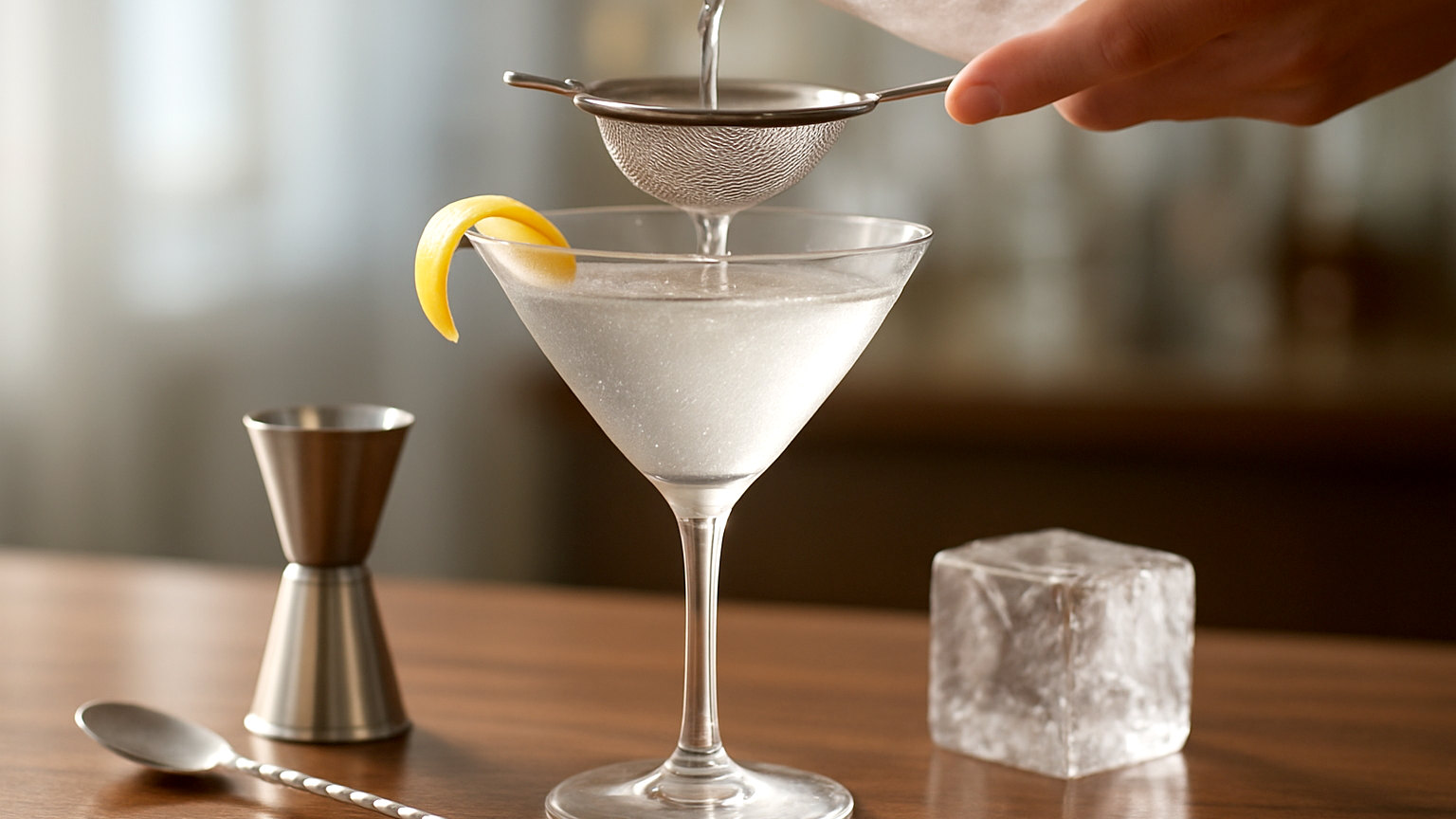
Dry vermouth for martinis, in the smallest bottle available.
A vegetable peeler for twists, which you already own.
Orange bitters, which transform a martini.
Stage five: whatever you actually drink
By this point you will know which drinks you make repeatedly, and the next purchases should follow that rather than a list.
If you make sours constantly, a second shaker and pasteurised egg white.
If you drink tequila, a blanco and agave syrup.
If you have found yourself wanting amaro in three separate recipes, buy one.
The test for anything new
Before buying a bottle or a tool, ask which drinks it enables and whether you will make any of them more than once.
A bottle that appears in three recipes you like earns its place. One bought for a single drink you read about generally does not.
The same applies to equipment. A muddler is worth having if you make mojitos regularly and not otherwise.
What to resist
Buying a spirit because a recipe called for it once. Buy the recipe's other ingredients first and see whether you make it twice.
Buying large bottles of anything perishable. Vermouth in particular should be bought small and replaced often.
Buying novelty equipment, which is almost always used once.
Buying to fill a shelf, which is how a home bar becomes a collection of things that are not drunk.
Where it ends up
A reasonable home bar after a year or two is around eight to ten bottles, six pieces of equipment and three shapes of glass.
That will make every drink in the classic canon and most of the modern ones, and everything in it will be used.
Anything beyond that is a hobby, which is a perfectly good reason to continue, and it should be recognised as one rather than as a requirement.
Getting rid of things
The other half of building a kit, and rarely mentioned.
A bottle that has sat unopened for two years is not going to be used. A gadget used once is not going to be used again.
Spirits keep indefinitely and take up space, and passing an unwanted bottle to someone who will drink it is better than leaving it at the back of a cupboard.
Reviewing the shelf once a year and being honest about what is actually being drunk keeps a home bar useful rather than decorative.
A note on cost
The complete kit described here, bought over a year, costs less than a single evening out for two.
Which is worth keeping in view when deciding whether a particular item is justified.