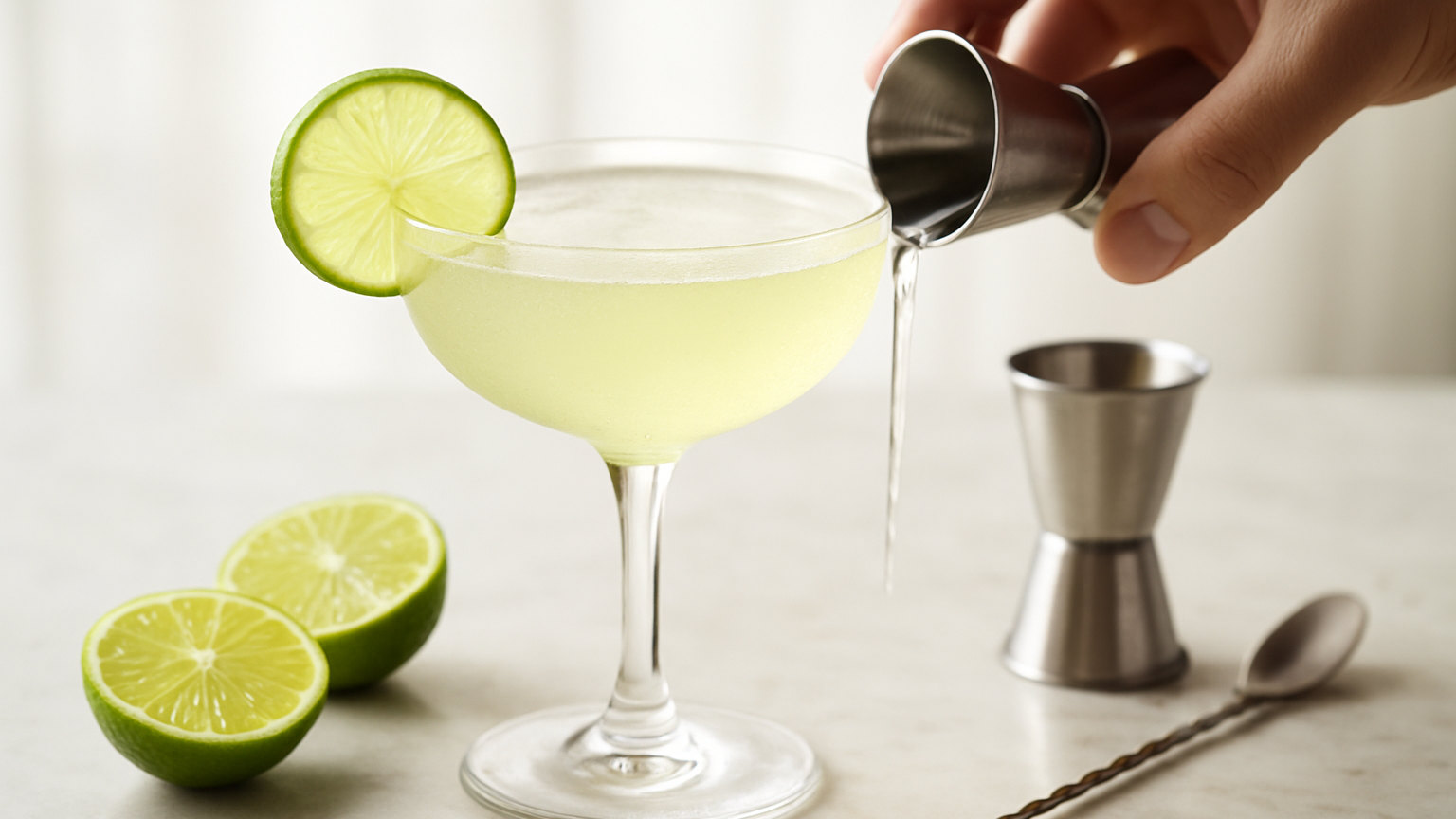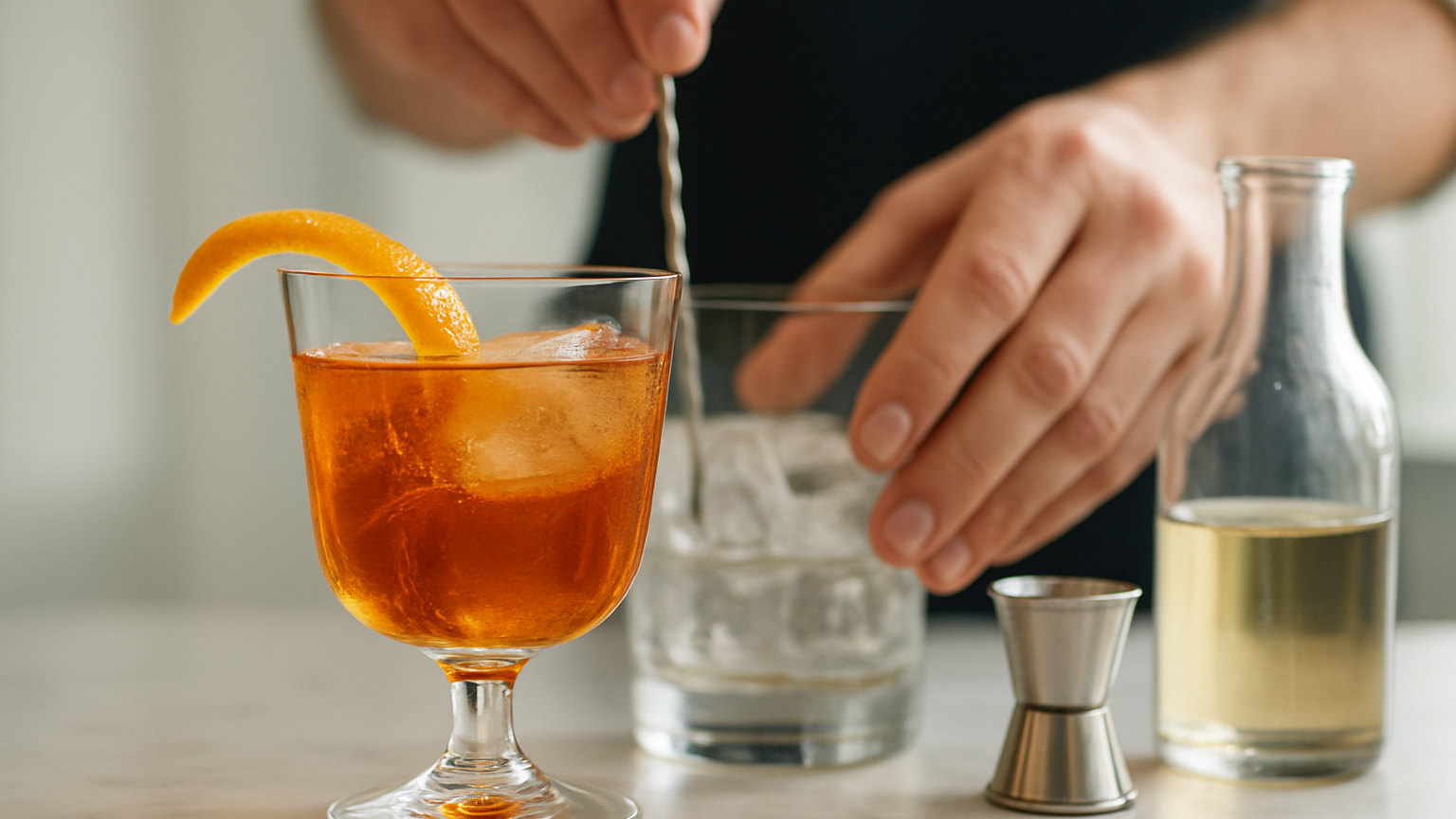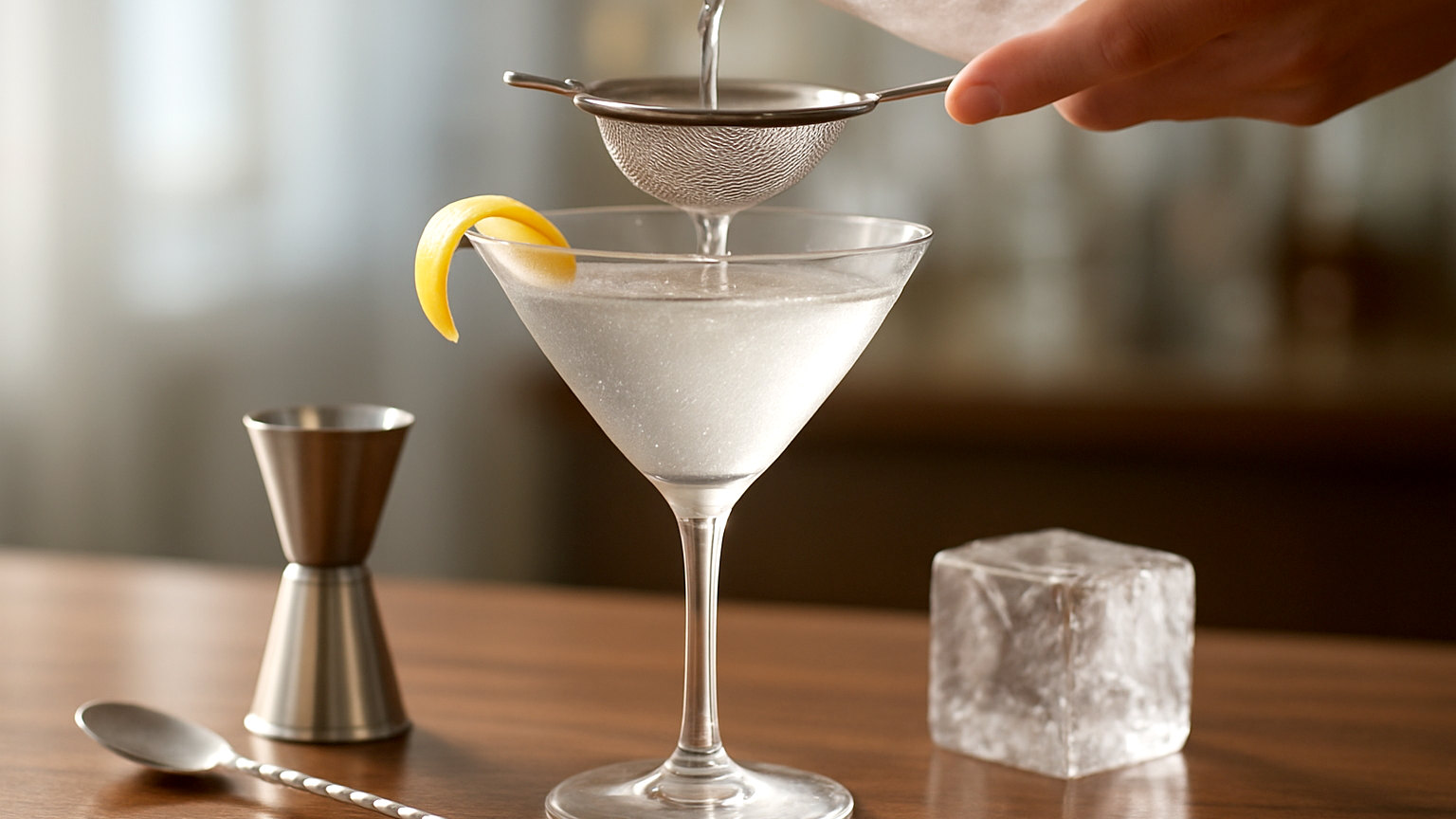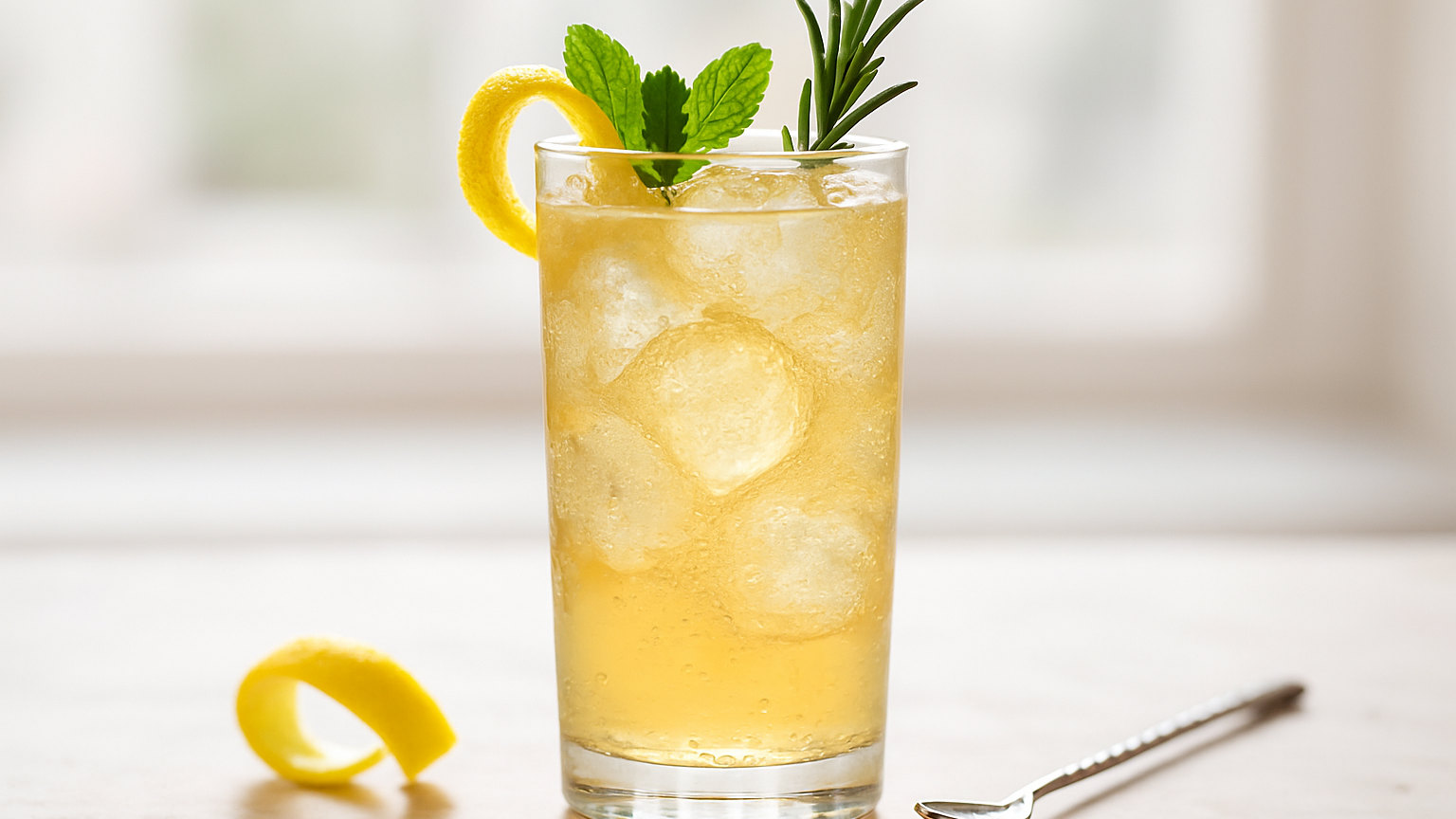
Alcohol carries aromatic compounds that water does not, and it evaporates readily, delivering them to the nose. Remove it and a drink loses a substantial part of how it reaches you.
Which makes the garnish the most effective tool available for putting some of that back.
Why it matters more
In a cocktail, the spirit is doing most of the aromatic work and the garnish adds a layer.
In a non-alcoholic drink, there is far less coming off the surface of the liquid, so the aroma arriving from the rim of the glass is a larger proportion of the whole experience.
Doubling the garnish is the cheapest improvement available in the category, and it is why a well made non-alcoholic gin and tonic is garnished far more generously than an ordinary one.
The ones that work hardest
Citrus peel, expressed over the surface so the oils land on the drink. Cut it wide rather than as a thin twist, since there is more surface to squeeze.
Herbs, slapped between the palms and positioned under the nose. Rosemary, mint and thyme all deliver a great deal.
Whole spices: a few crushed juniper berries, a star anise, a cinnamon stick, a cardamom pod split open.
Freshly grated nutmeg on anything creamy or spiced.
A cucumber ribbon, which contributes aroma as well as looking good.
Building a bigger garnish
Where a cocktail takes one garnish, a non-alcoholic drink can take three without looking cluttered.
A wide grapefruit peel, a rosemary sprig and a few juniper berries on a tonic-based drink deliver a genuinely botanical aroma with no spirit involved at all.
Mint, lime peel and a strawberry on something fruity does the same.
The constraint is the same as anywhere: it should not get in the way of drinking.
Presentation
The other half, and it matters more than it should.
Someone not drinking is frequently handed a glass of juice while everyone else has something made with attention, and the difference is noticed.
The same glass, the same ice and the same garnish as everyone else changes how a drink is received, and it removes the visual cue that prompts other people to ask questions.
Research on expectation consistently finds that appearance affects how something is rated, so this is doing real work rather than being merely polite.
What to avoid
Anything sweet added on top of a drink that is already sugary, which is the most common problem in the category.
Novelty garnishes, umbrellas and anything that reads as a children's drink, which undermines the whole exercise.
Elaborate constructions that take longer than the drink, particularly since these are frequently made last and under time pressure.
The cocktail bitters question
Worth flagging, since bitters dropped on a foam are an excellent aromatic garnish and are usually alcohol-based.
Most traditional bitters are bottled at spirit strength, and while the quantity in a drink is under a millilitre, that is not the whole answer.
Whether a negligible amount is acceptable depends entirely on why someone is avoiding alcohol, and that decision belongs to them.
Say what is in the drink, without making it a conversation, and let them choose.
Alcohol-free bitters using a glycerine base are widely available and solve it entirely, and keeping a bottle alongside the traditional kind means you can make the same drink either way.
Other invisible ingredients
A cocktail cherry preserved in liqueur contains alcohol. So does vanilla extract, and so does a tincture used as an aromatic spray.
None of these is obvious from looking at a drink, which is the reason to mention them.
The practical approach
Take the garnish more seriously than you would for a cocktail, not less.
Use a wide peel, express it properly, slap the herbs, and use a proper glass.
Ten seconds of attention makes the difference between a drink and a glass of something, which is exactly the difference the person receiving it will notice.
Ice and glassware
The other half of it, and equally quick.
Fill the glass with ice properly, use the same glassware as everyone else, and serve it promptly.
A drink in a proper glass with a real garnish reads as a drink; the same liquid in a tumbler with three cubes does not.