After several thousand words on glassware, it is worth asking the question directly: how much of this actually matters?
The functional case
Three effects are real and measurable.
Aroma concentration, from a bowl that narrows towards the rim. For anything aromatic, which is most cocktails, this is the largest single effect and it is not subtle.
Temperature retention, from surface area and from a stem that keeps the hand off the drink. For anything served without ice, this determines whether the last third is any good.
Rim thickness, which changes how the drink arrives and is the difference people notice without naming.
Everything else, including the enormous variety of specialist shapes, produces differences that are genuinely small.
The presentation case
This is where the honesty is required.
Expectation affects perception, and research across food and drink has consistently found that presentation influences how people rate what they are consuming.
A drink served in appropriate glassware, properly chilled, with a considered garnish, is enjoyed more than the same liquid in a mug. That is not a failure of the taster; it is how perception works.
Dismissing this as mere psychology misses the point. The enjoyment is the outcome you are after, and if presentation contributes to it, it is doing something useful.
Where it stops mattering
Beyond a certain point, the returns disappear.
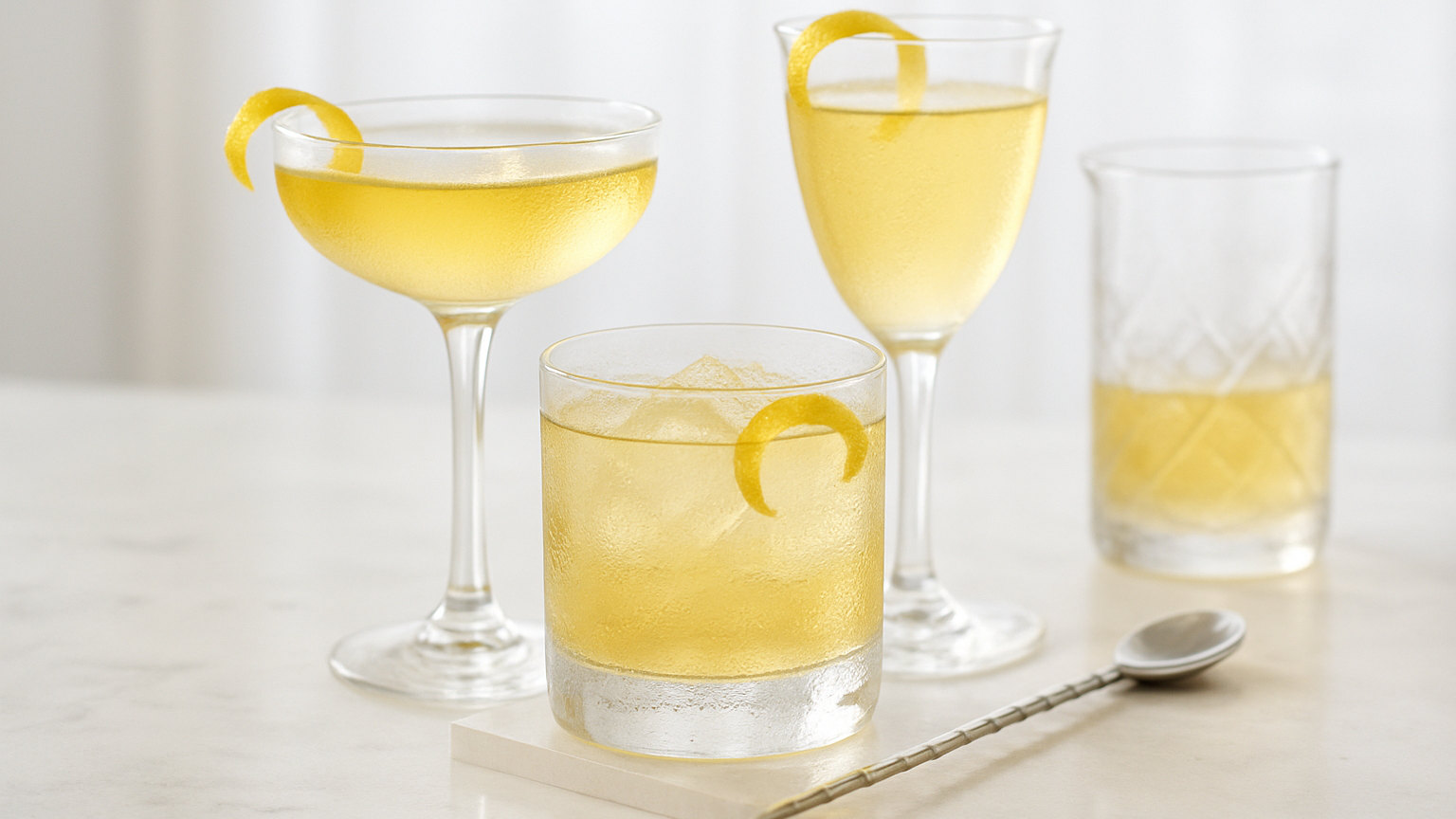
The difference between a coupe and a Nick and Nora is a matter of preference. The difference between a burgundy glass and a bordeaux glass is detectable and small.
Owning eight shapes rather than four produces no better drinks, and it produces a cupboard nobody can close.
Specialist glasses for individual grape varieties are for people who enjoy the subject, which is a perfectly good reason to own them and not a requirement.
What matters more
A clean glass beats a correctly shaped dirty one every time. Detergent residue and fat destroy foam and dull aroma regardless of what shape they are coating.
A chilled glass beats a room-temperature one of the correct shape, since temperature affects the drink more than geometry does.
A sensible size beats a large correct one, since an oversized glass encourages an oversized pour and a drink that warms before it is finished.
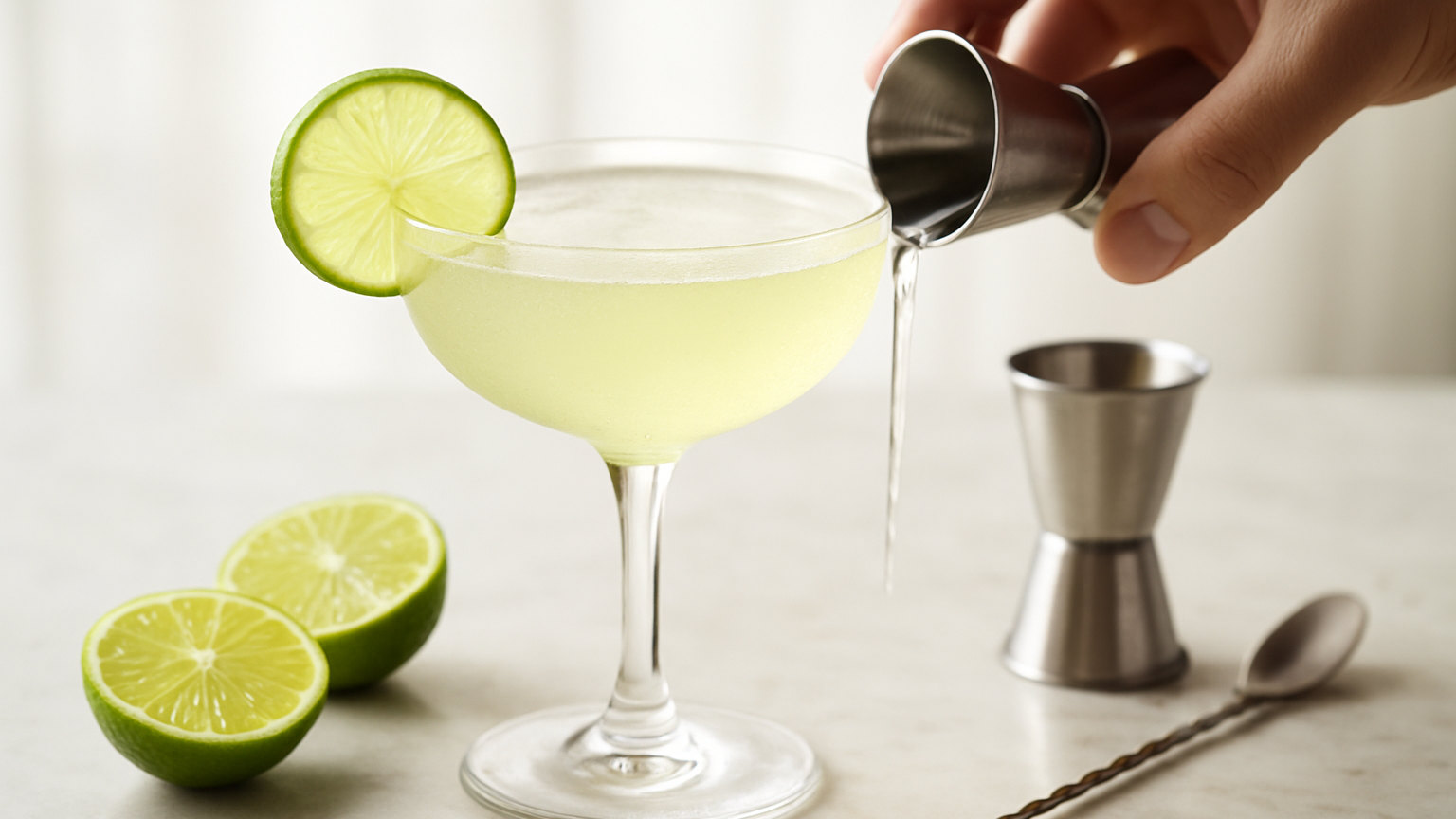
And fresh ingredients beat all of it. A daiquiri made with bottled lime juice in a perfect coupe is worse than one made with fresh lime in a jam jar.
The practical conclusion
Four shapes, clean, chilled where appropriate, in sensible sizes, is the whole requirement.
Buying more is a hobby. Cleaning and chilling what you have is free and produces a larger improvement than any purchase.
The case for caring anyway
None of this is an argument against enjoying glassware.
Serving a drink in something appropriate is a form of care, both for the drink and for whoever is receiving it, and it changes an occasion in a way that is difficult to quantify and easy to notice.
The point is only that it should be understood as what it is: mostly presentation, partly function, and considerably less consequential than what is in the glass and how cold it is.
Which is a reasonable position to hold about a great deal of what surrounds drinking.
If you are buying one thing
A set of four small stemmed glasses of around 150 millilitres, with thin rims.
They cover every cocktail served up, they are the size that produces a sensible measure, and they are the shape most home kitchens are missing.
Everything else on the list is probably already in the cupboard.
A final note
None of this is worth anxiety. A good drink in the wrong glass is still a good drink.
The purpose of knowing any of it is that when the shape does matter, you know which one to reach for.
And when it does not
Which is a good deal of the time, and recognising that is part of knowing the subject rather than a failure to take it seriously.