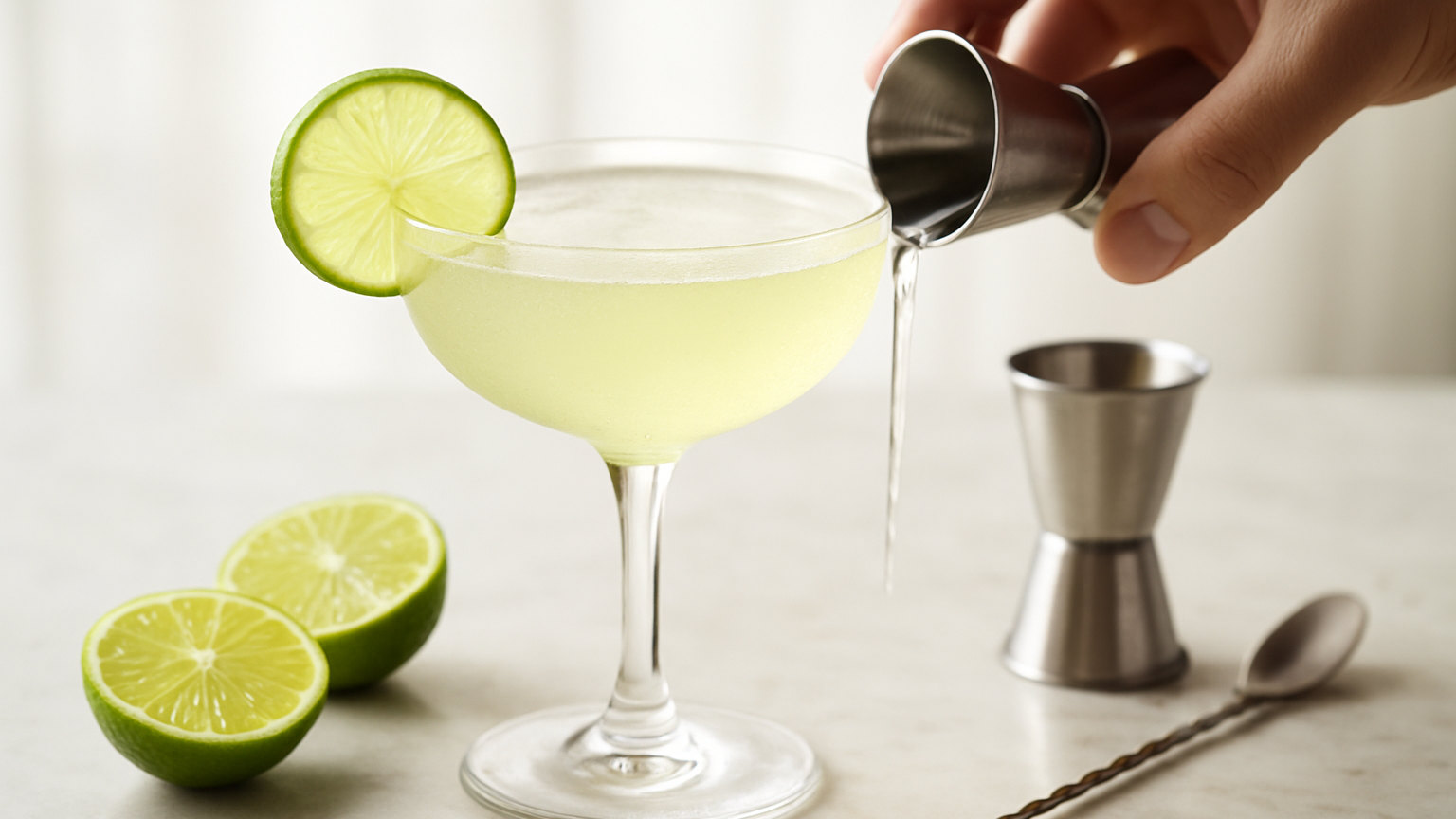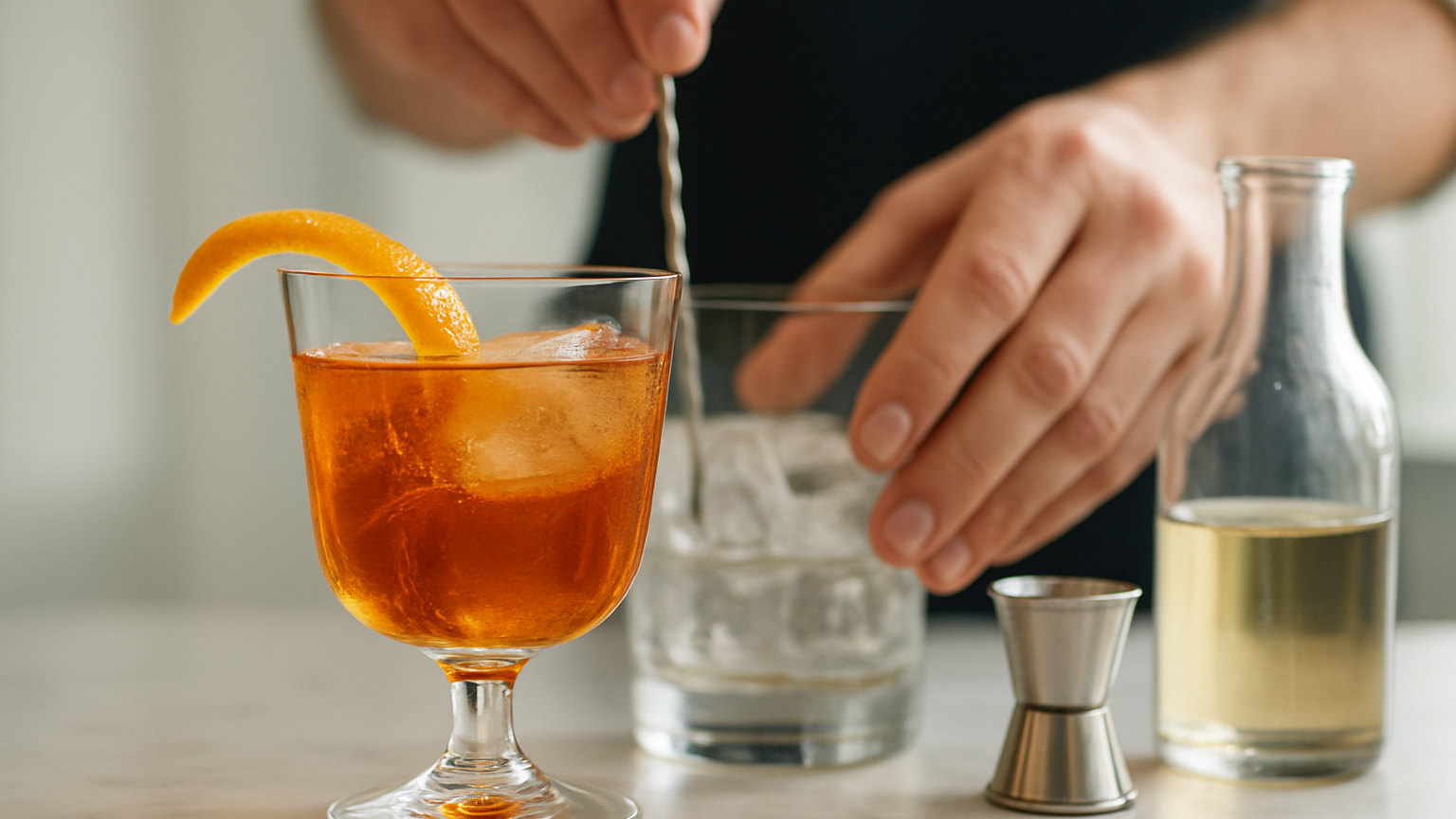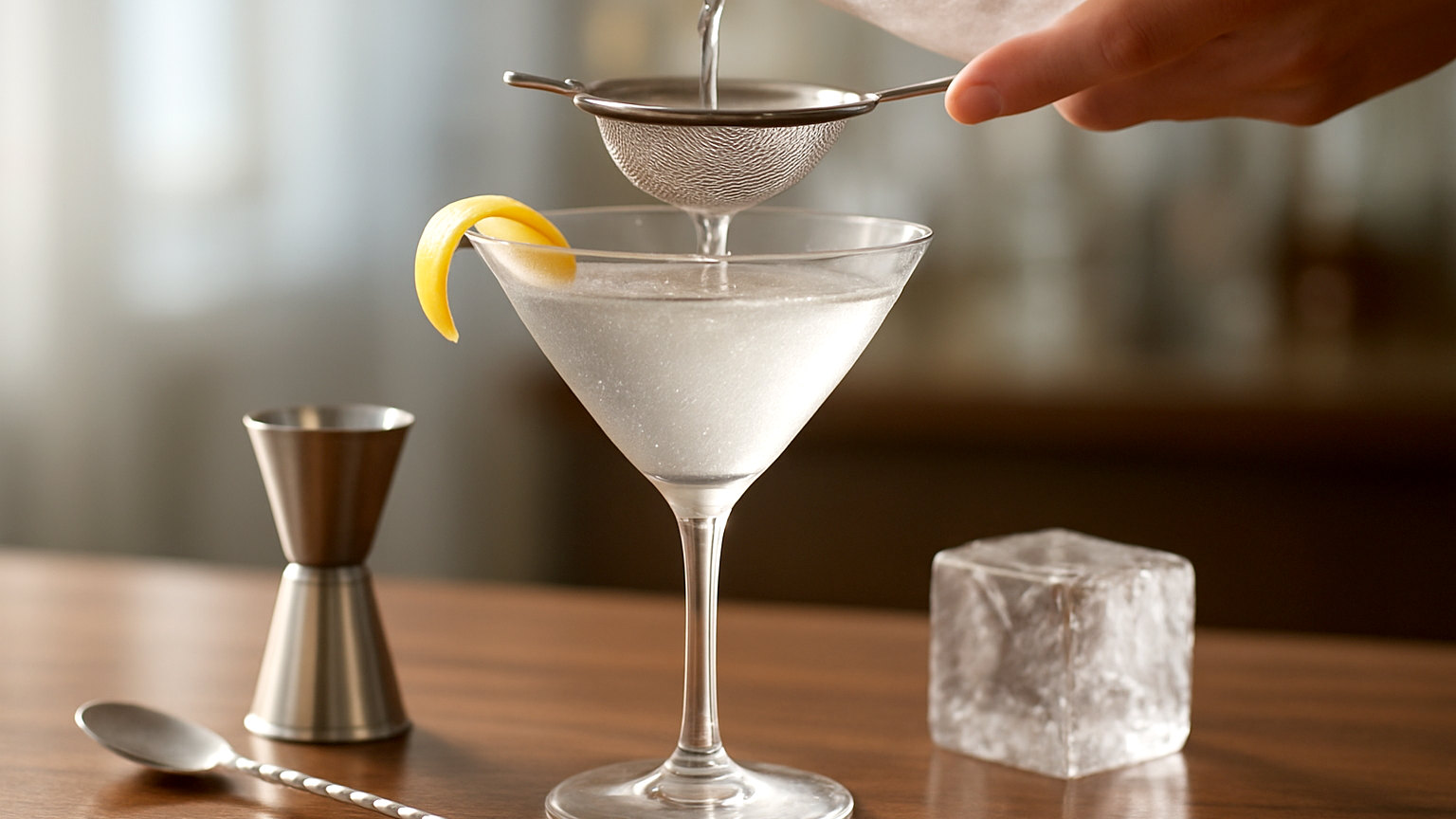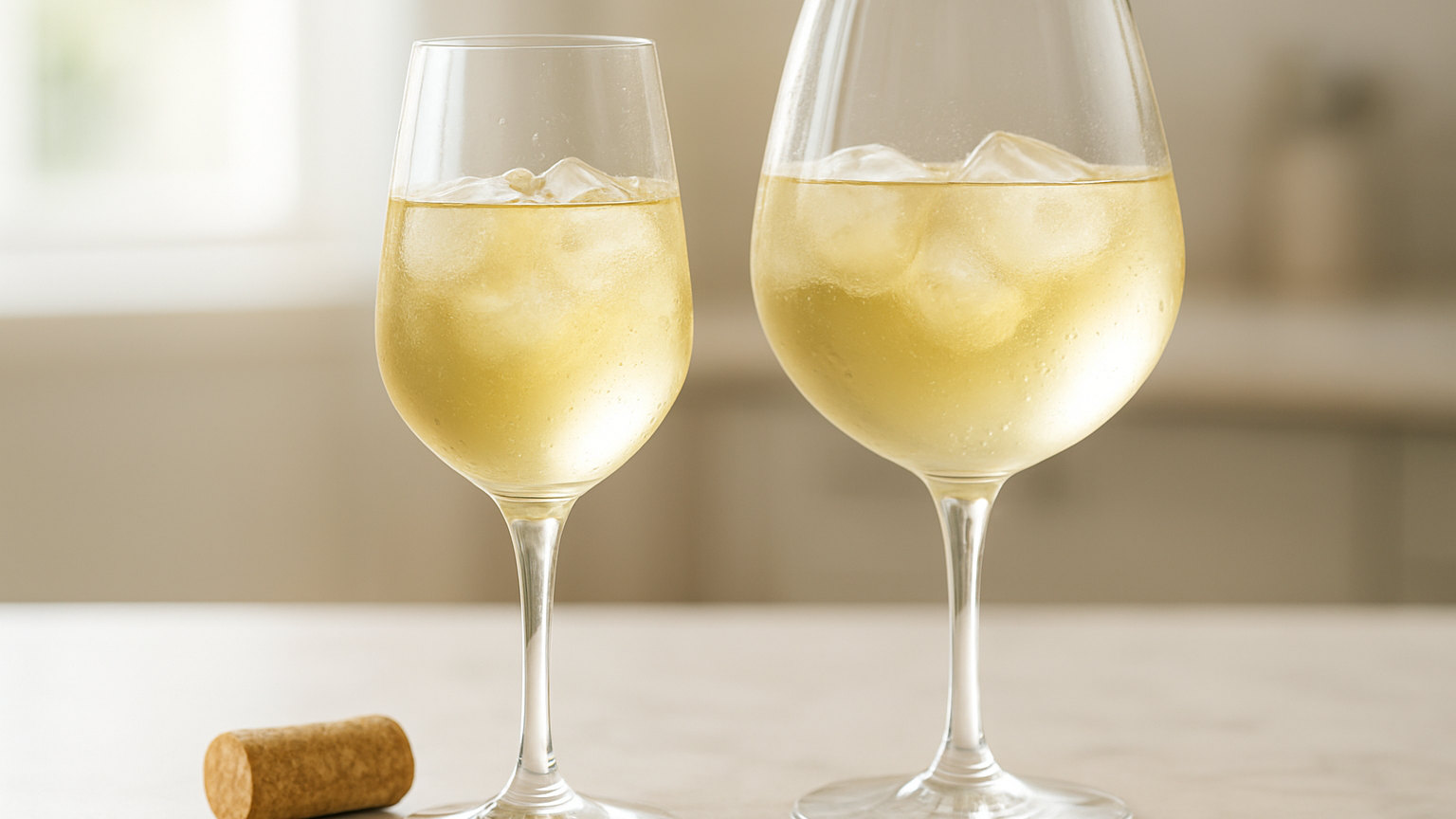
Glassware is sold on the claim that shape changes taste, and the claim is partly true. Separating the mechanisms that genuinely operate from the ones that do not makes buying decisions considerably simpler.
What genuinely happens
Aroma concentration is the largest effect. A bowl that narrows towards the rim traps volatile compounds in the headspace above the liquid and directs them towards the nose as you drink.
Since the great majority of what we call flavour is smell, that is not a small matter. A wine or a spirit in a narrowing glass smells noticeably stronger than the same liquid in a straight-sided tumbler.
Surface area governs two things: how quickly the drink warms, and how fast volatiles evaporate away. A wide shallow glass warms faster and loses aroma faster than a narrow tall one.
And the rim determines how the liquid arrives. A narrow rim delivers a thinner stream towards the front of the mouth; a wide one delivers a broader spread further back. That changes the first impression, though not in the way older accounts suggested.
What does not
The tongue map, which assigned sweetness to the tip, bitterness to the back and so on, is a misreading of research from over a century ago and has been understood as wrong for decades.
All taste receptors are distributed across the tongue, with only modest variation in sensitivity. Glasses designed to direct liquid to a particular region are working from a premise that does not hold.
Claims that a glass improves a wine's structure, softens tannin or changes its chemistry do not describe anything physical. What changes is aroma delivery and temperature, which is enough to explain the perceived differences without invoking anything else.
Where the effect is largest
In drinks where aroma is doing most of the work.
Whisky, brandy, wine and aromatic cocktails all show substantial differences between glass shapes, because there is a great deal of aroma to concentrate or lose.
In a highball, where the mixer supplies most of the flavour and carbonation carries aroma upwards anyway, the shape matters far less.
In beer, head retention and carbonation matter more than bowl shape, which is a different mechanism.
Temperature and stems
A stem keeps the hand off the bowl, which genuinely slows warming.
For a drink served without ice, that matters. A stirred cocktail in a stemmed glass held correctly stays cold noticeably longer than one in a tumbler held around the body.
It is also why stems exist on wine glasses, and why holding a wine glass by the bowl is discouraged for practical rather than snobbish reasons.
The honest summary
Shape affects aroma delivery and temperature. It does not affect the liquid's composition.
The practical consequence is that a glass which narrows towards the rim, has a stem for anything served cold without ice, and is not oversized will serve almost every drink well.
Beyond that, the differences between specialist shapes are small and the differences between a clean chilled glass and a dirty warm one are large.
Testing it
Pour the same drink into two shapes and smell both before tasting either.
The aroma difference is usually obvious and the taste difference much less so, which tells you where the mechanism actually lies.
Why the marketing overstates it
Glassware is a competitive market with limited scope for genuine innovation, so differences get emphasised.
A range of shapes for individual grape varieties sells more glasses than a single universal one, which is a commercial reason rather than a technical one.
That does not make the products bad. Several manufacturers producing variety-specific ranges also make excellent universal glasses, and their own tasting rooms frequently use them.
The blind test problem
Comparisons of glassware are almost never done blind, since the glass is visible by definition.
That makes it difficult to separate the physical effect from the expectation effect, and most published claims do not attempt to.
Smelling two glasses without tasting, with the drink poured by someone else, gets closer to isolating the aroma mechanism.