There are settings where glass is impractical: gardens with children, picnics, festivals, boats, poolsides and anywhere with a hard floor and a lot of people.
The alternatives vary considerably in how much they compromise the drink.
The materials
Polycarbonate is the standard reusable option: clear, hard, durable and dishwasher safe. It looks close to glass at a distance and scratches over time.
Tritan and similar copolyesters are the newer equivalents, clearer and more scratch resistant, and generally more expensive.
Polypropylene is softer and cloudier, used for cheaper reusable cups. Durable and obviously not glass.
Disposable options have moved substantially towards paper, plant-based plastics and compostable materials, driven by regulation and by venues' own policies.
Stainless steel and enamel are excellent for outdoor use, opaque, and change the drinking experience considerably.
What affects the drink
Thermal conductivity is the largest factor. Plastic insulates, so a cold drink stays cold slightly longer in plastic than in thin glass, which is an advantage outdoors.
Metal does the opposite, conducting heat rapidly, which is why a metal cup feels cold and warms quickly.
Rim thickness is where most of the compromise sits. Plastic cups have thick rims, which changes how the liquid arrives and is the main reason a drink feels different.
Scratched surfaces hold residue and odour, which is why an old polycarbonate glass carries a faint smell that transfers to whatever is in it.
Carbonation suffers slightly in scratched plastic, since the scratches act as nucleation points and drive bubbles out faster.
Which drinks cope
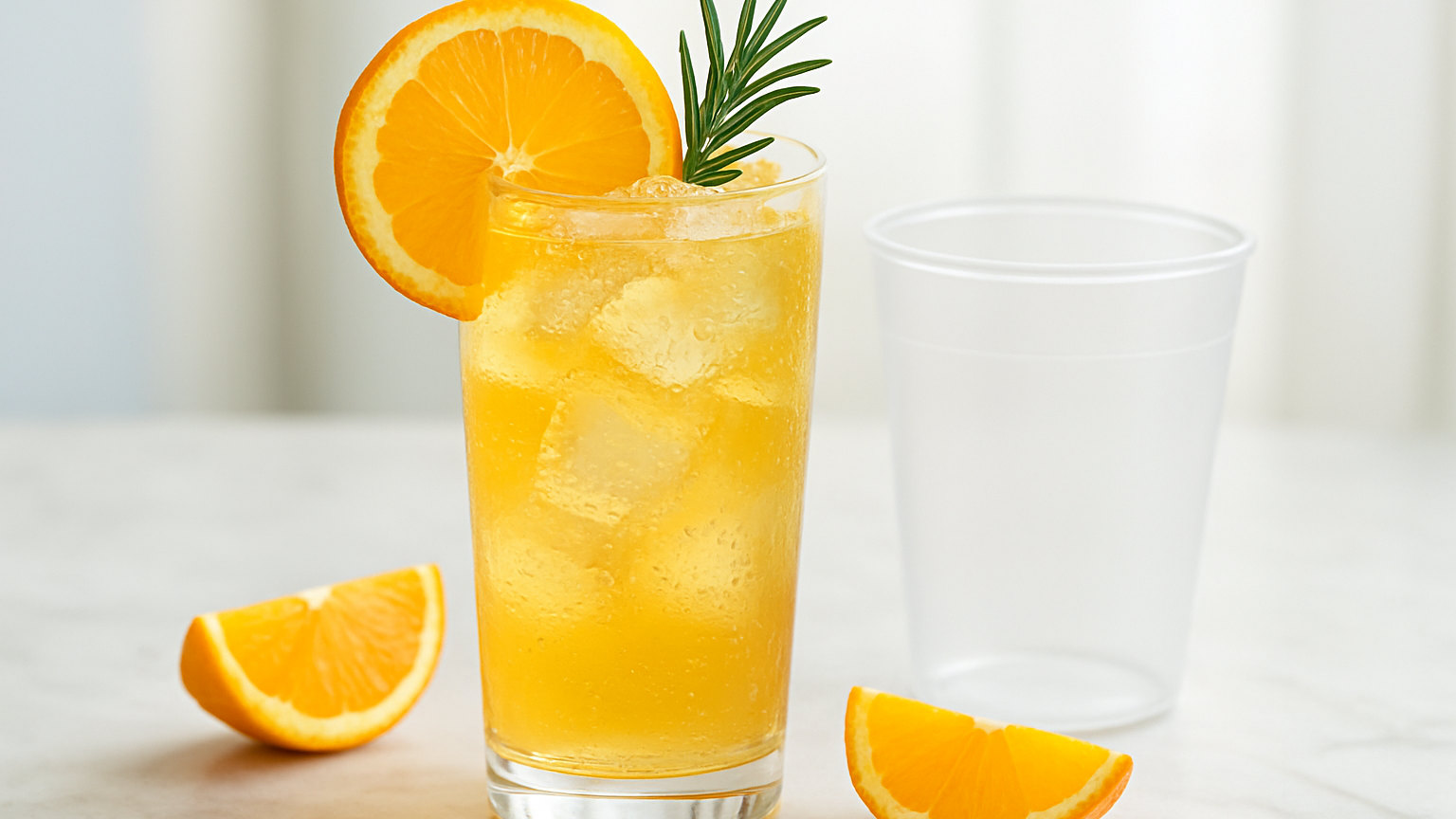
Long drinks with plenty of ice and a strong mixer cope well, since the mixer supplies most of the character and the format is robust.
Beer copes reasonably, though head retention suffers in scratched or greasy plastic.
Wine loses the most, since the aroma concentration a proper bowl provides is largely absent and the rim is wrong.
Spirit-forward cocktails lose a great deal, and they are also the drinks least likely to be wanted in a garden.
Serving well anyway
A few things make a substantial difference.
Use plenty of ice, since plastic insulates and the drink will hold its temperature.
Chill everything beforehand, since you cannot chill a plastic cup meaningfully.
Choose drinks that suit the format: highballs, spritzes, punches and beer rather than martinis.
Use the largest reasonable measure of garnish, since aroma delivered at the rim compensates for what the vessel does not concentrate.
And wash reusables properly, since residue is the main cause of plastic tasting of plastic.
The alternatives worth knowing
Reusable polycarbonate wine glasses with stems are widely available and considerably better than a tumbler for wine outdoors.
Insulated stainless steel cups keep drinks cold for hours and are excellent for anything long.
Silicone-wrapped glass exists and is a middle option: glass performance with some breakage protection.
Melamine is durable, opaque and not suitable for hot liquids.
Disposables
Where they are necessary, the compostable and plant-based options have improved.
The practical caution is that compostable cups generally require industrial composting rather than a garden heap, and putting them in ordinary recycling can contaminate it. Checking local arrangements is worth doing.
Reusables washed and used again are better than any disposable on every measure except convenience.
The reasonable position
Plastic outdoors is sensible rather than a failure, particularly where there are children or bare feet.
Choosing a drink that suits the vessel produces a better result than serving a martini in a beaker and being disappointed.
Cleaning reusables
Polycarbonate and similar plastics hold residue in scratches, which is the main cause of a plastic taste.
Wash promptly with hot water and detergent, and avoid abrasive scourers, which create the scratches in the first place.
Anything that has developed a persistent smell after washing has scratched too far and should be replaced.
Storing them
Stack reusables loosely rather than jamming them together, since they can wedge and crack when separated.
Store dry and away from sunlight, which degrades plastic over time.