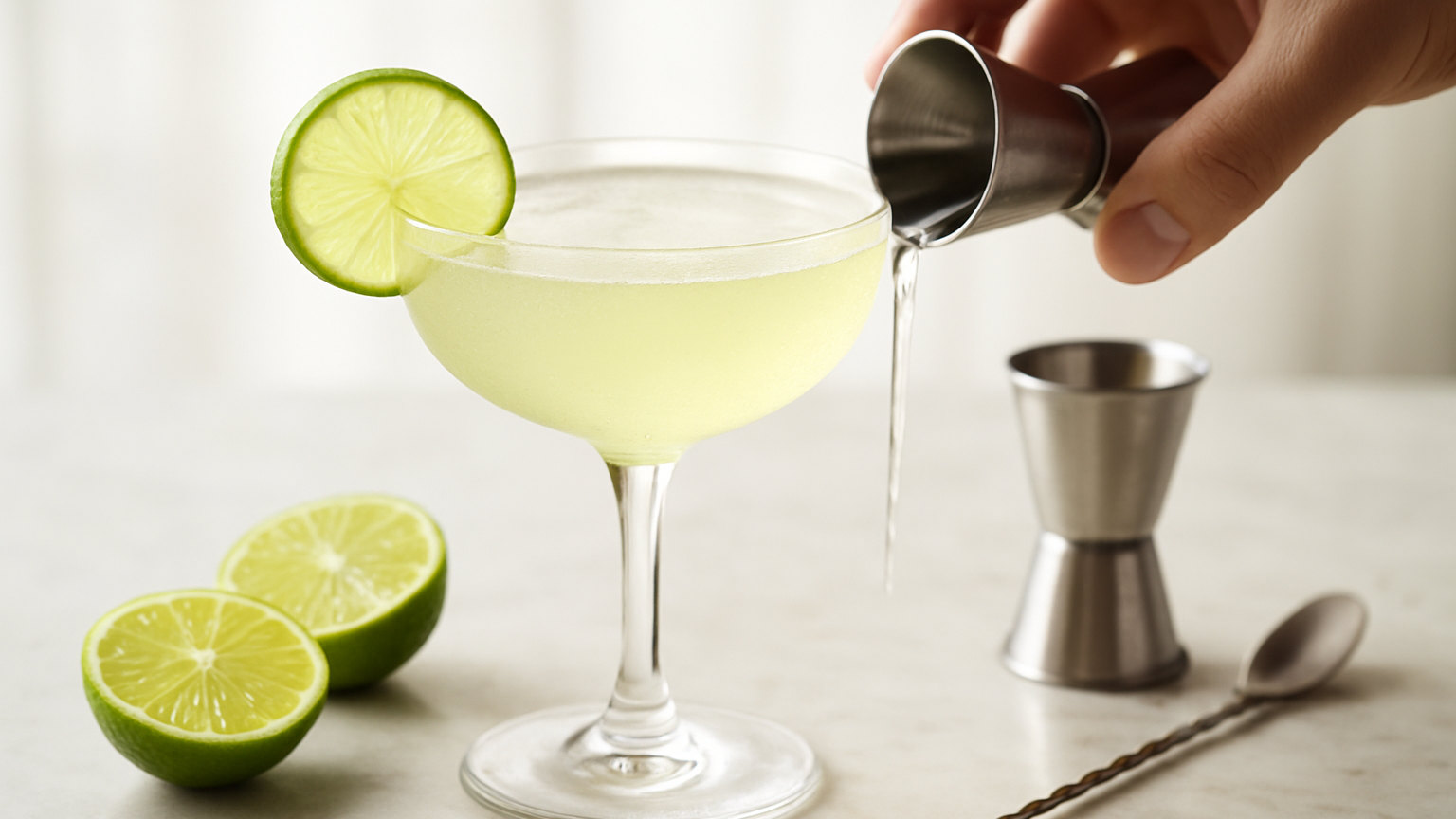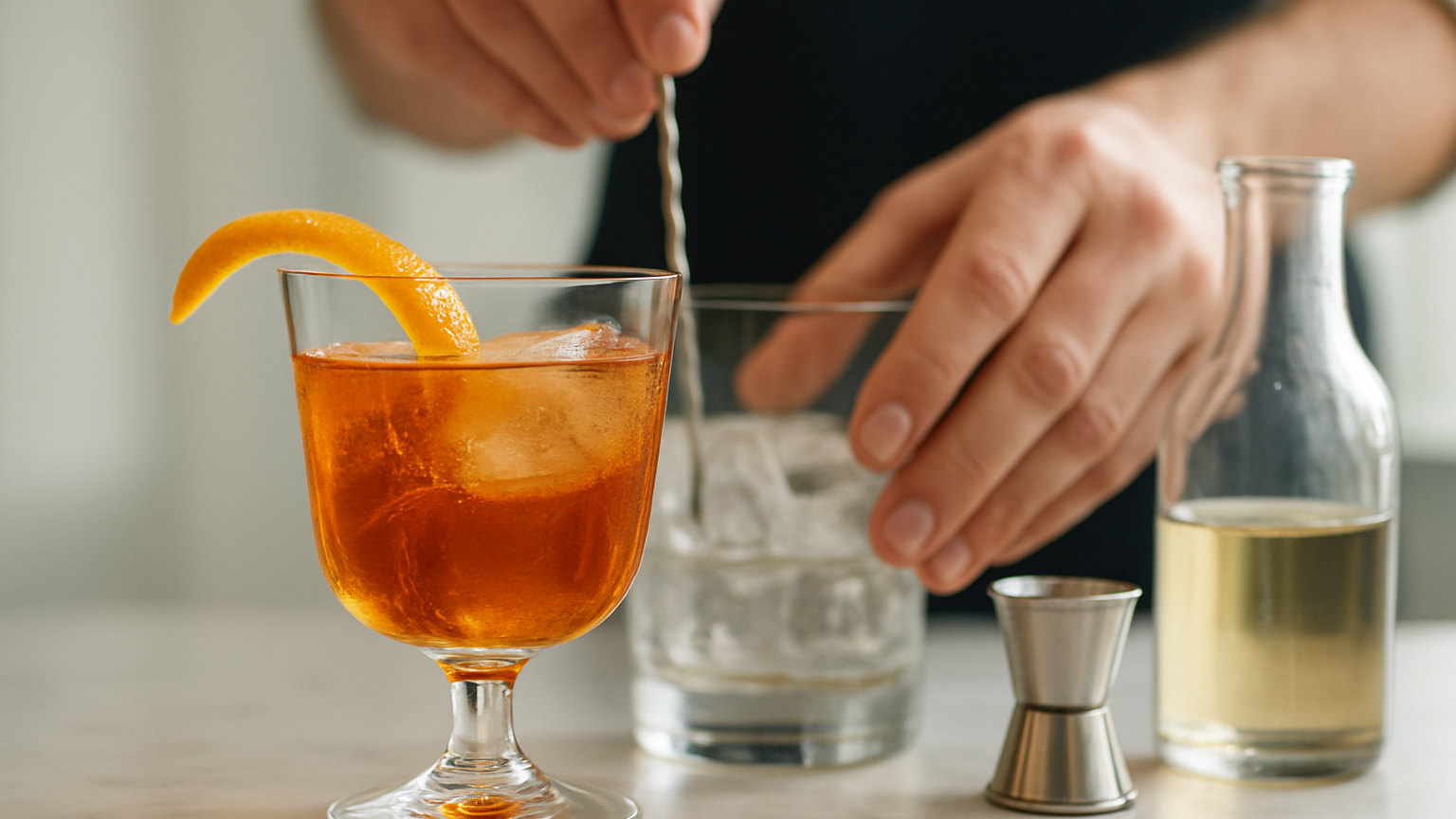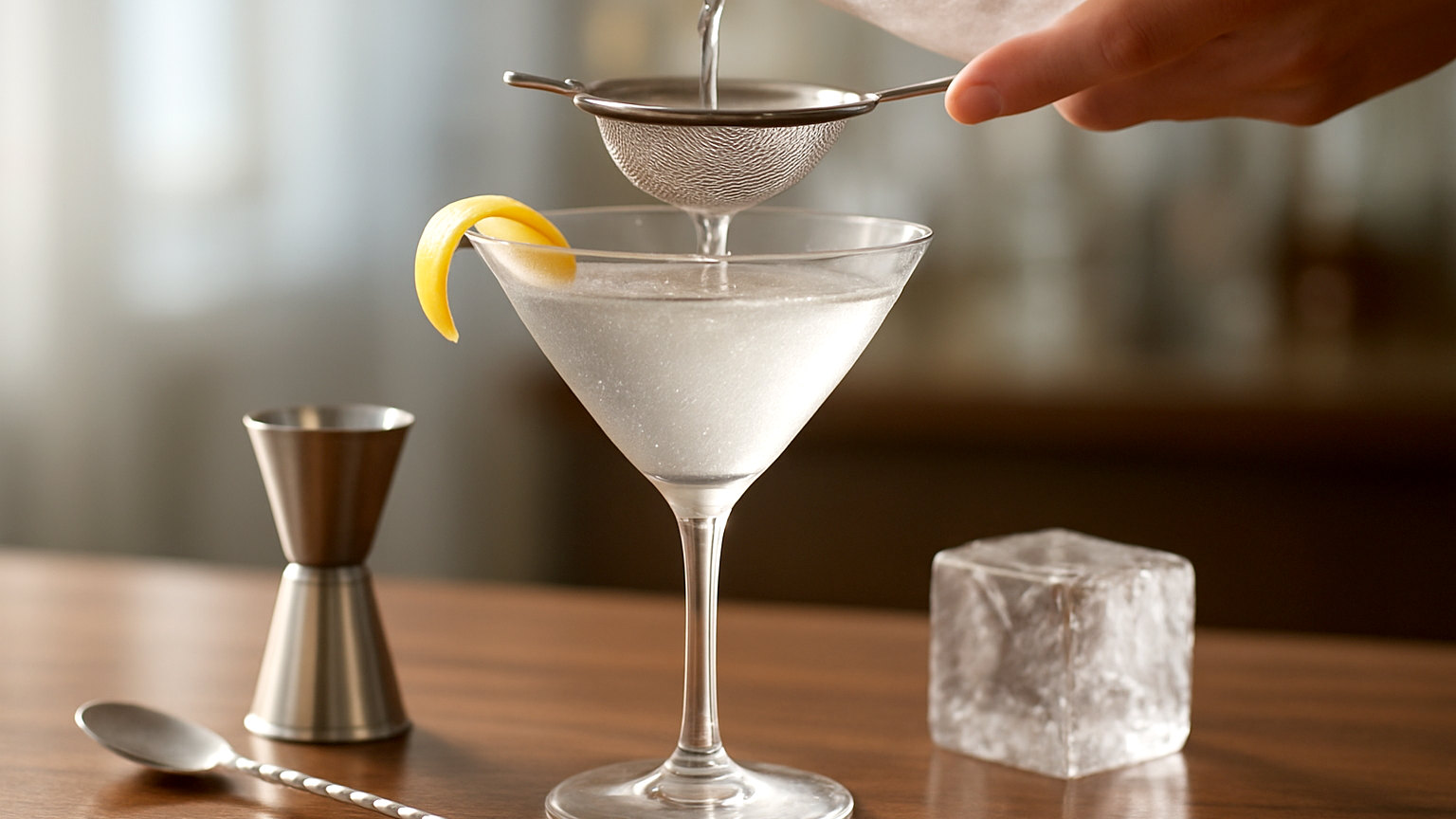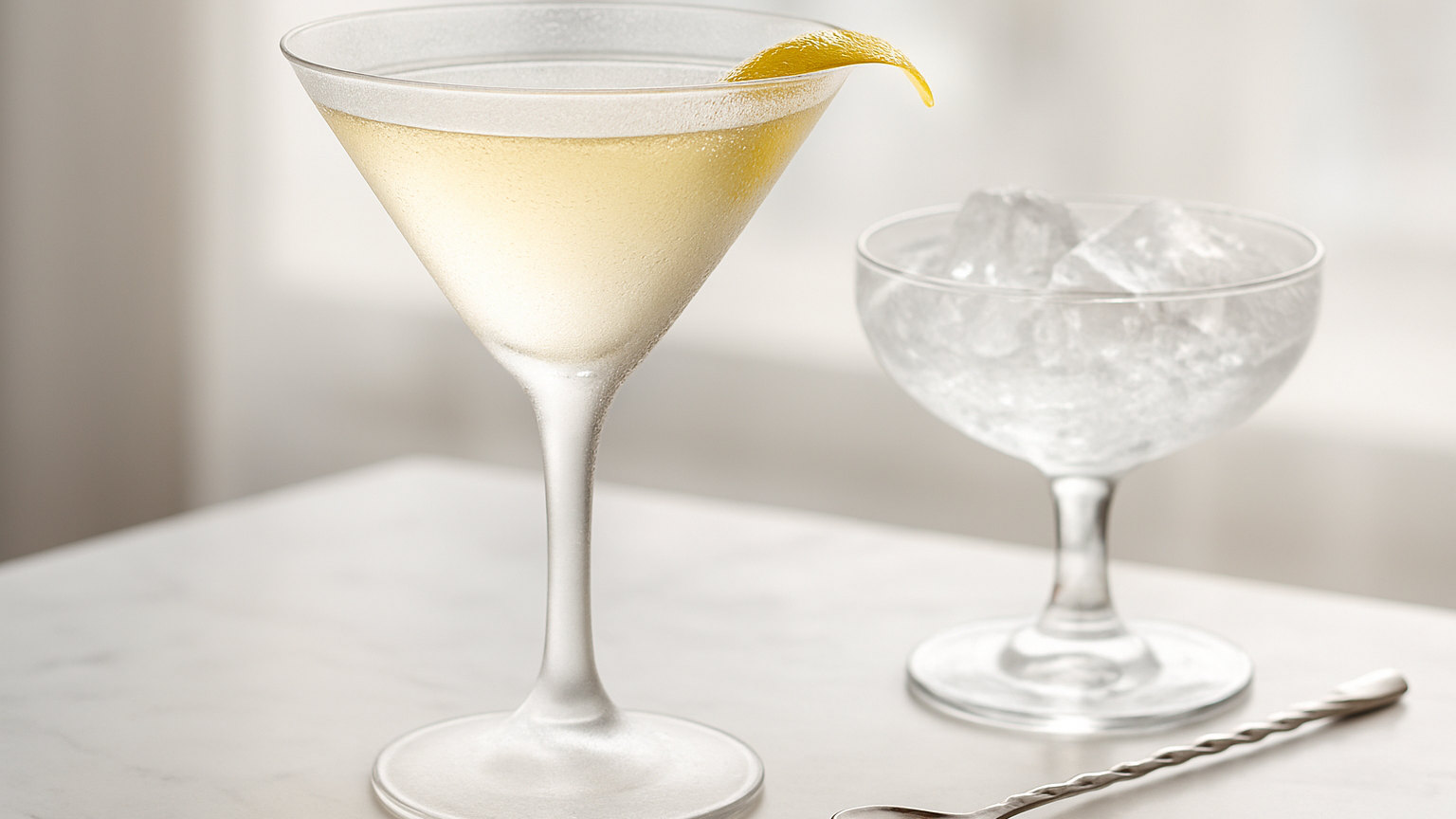
A stirred cocktail served up contains no ice, so it begins warming the moment it is poured. The glass is the only thing standing between a properly cold drink and a tepid one.
Which drinks need it
Anything served up without ice: martinis, manhattans, daiquiris, sidecars, sours served in a coupe.
Anything where temperature is central to the drink, which for cocktails is most of them.
Sparkling wine benefits, since a warm glass raises the temperature and drives off carbonation.
What does not need it: anything served over a full glass of ice, which will chill itself, and anything meant to be drunk warmer, such as a strong dark beer or a red wine.
The freezer method
The most effective and the simplest. Ten minutes in a freezer brings a glass down properly, and it can stay there indefinitely.
Keeping two or three glasses in the freezer permanently is a reasonable habit for anyone who makes stirred drinks.
The one caution is that a glass will pick up freezer odours over time if it is not stored in a bag or covered, which the drink will carry.
The ice-water method
For when there is no freezer space or no time.
Fill the glass with ice and cold water while you stir or shake the drink, then discard it just before straining.
Water conducts heat far better than ice alone, so ice and water together chill the glass considerably faster than ice on its own.
Two or three minutes is enough. Tip it out, shake the last drops, and pour.
Frozen versus chilled
A glass straight from a freezer will frost as condensation forms on the outside, which looks striking.
For a martini or a very cold drink that is entirely appropriate.
For anything where aroma matters, an extremely cold glass suppresses volatiles further and can mute the drink. A chilled glass rather than a frozen one is the better choice for an aromatic cocktail.
The frozen beer glass is a specific case worth flagging. Ice crystals inside the glass melt into the beer and dilute it, and the extreme cold kills the aroma of anything with hop or malt character. It suits a mass market lager on a hot day and works directly against a good beer.
How much difference it makes
Substantial and easy to demonstrate.
Make two identical drinks and pour one into a chilled glass and one into a room-temperature glass. Taste both after three minutes.
The difference is larger than most people expect, and it is why bars chill glassware as a matter of routine rather than for show.
Practical points
Chill the glass before you start making the drink rather than after, so it has time.
Handle a chilled glass by the stem or the base, since a warm hand around the bowl undoes it quickly.
Do not put thin crystal directly from a hot dishwasher into a freezer, since rapid temperature changes can crack glass.
For a party, chill glasses in batches rather than trying to do it as you go.
When it is not worth it
For a highball built over a full glass of ice, the ice does the work and chilling adds little.
For anything served warm or at room temperature, obviously.
And when it would delay the drink to the point of irritation, since a slightly warm cocktail drunk promptly is better than a cold one that took ten minutes to arrive.
Chilling the bottle instead
For spirits used mainly in cold drinks, keeping the bottle in the fridge or the freezer works alongside a chilled glass.
Vodka and gin both take freezer storage well and produce a thicker texture. Vermouth belongs in the fridge regardless.
A cold bottle and a cold glass together mean the ice has almost nothing to do, which is the entire objective.
Warming a glass
The opposite operation, occasionally needed for hot drinks.
Rinse with hot water and discard it before pouring, which prevents the glass absorbing heat from the drink and prevents thermal shock cracking it.
Toughened glass or something with a handle is sensible for anything genuinely hot.