Glassware is sold in sets of eight shapes and most households need four. The purpose here is a list that covers everything without producing a cupboard nobody can close.
The four
A universal wine glass of around 450 millilitres, with a bowl tapering towards the rim. This handles red, white, rosé, sparkling wine and anything else in the wine category.
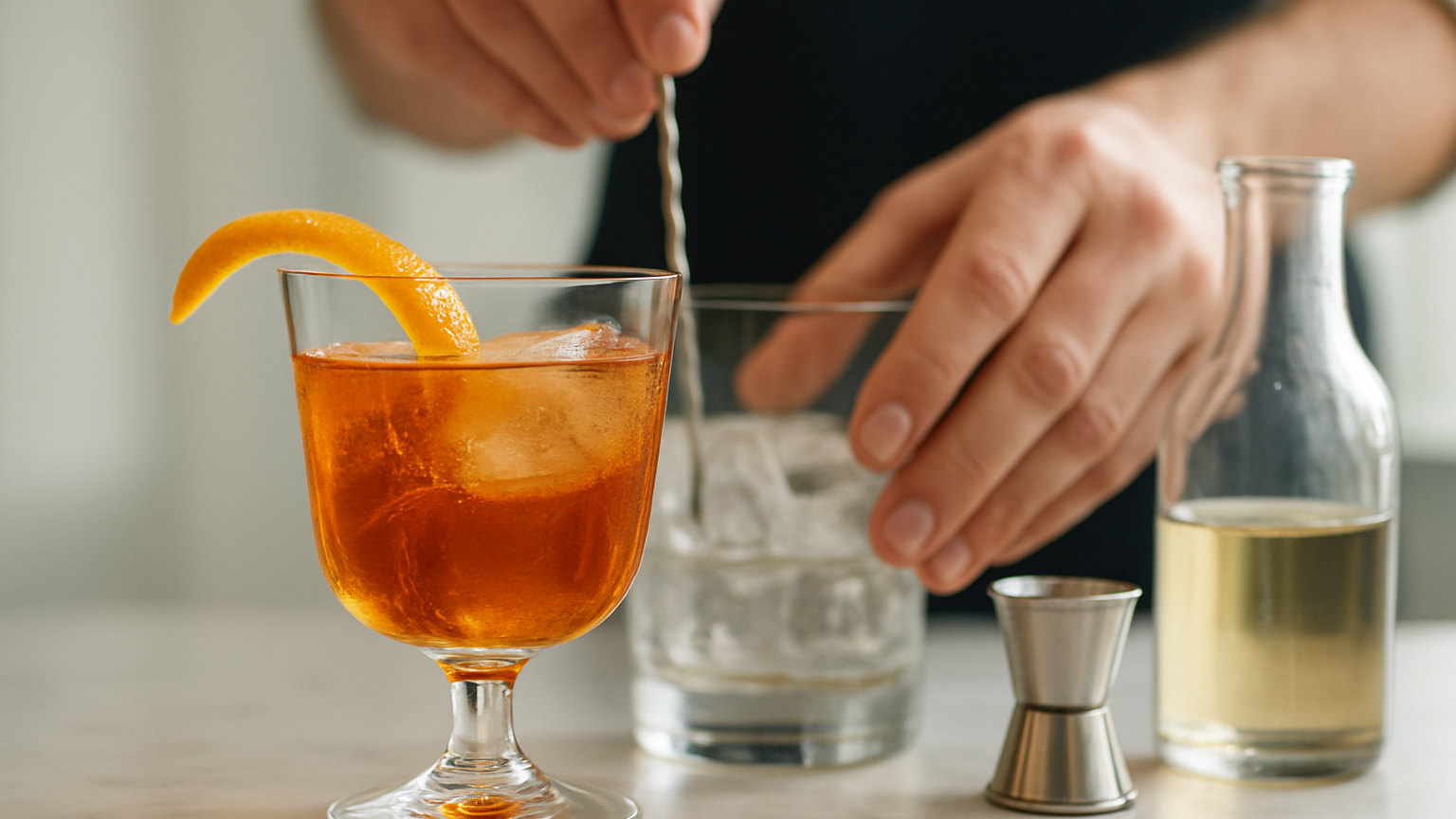
A rocks glass of around 250 to 300 millilitres, with a heavy base. This handles whisky, old fashioneds, negronis and anything served over ice.
A highball glass of around 300 to 400 millilitres. This handles gin and tonics, whisky and soda, mules and anything long, and it needs the height to hold enough ice.
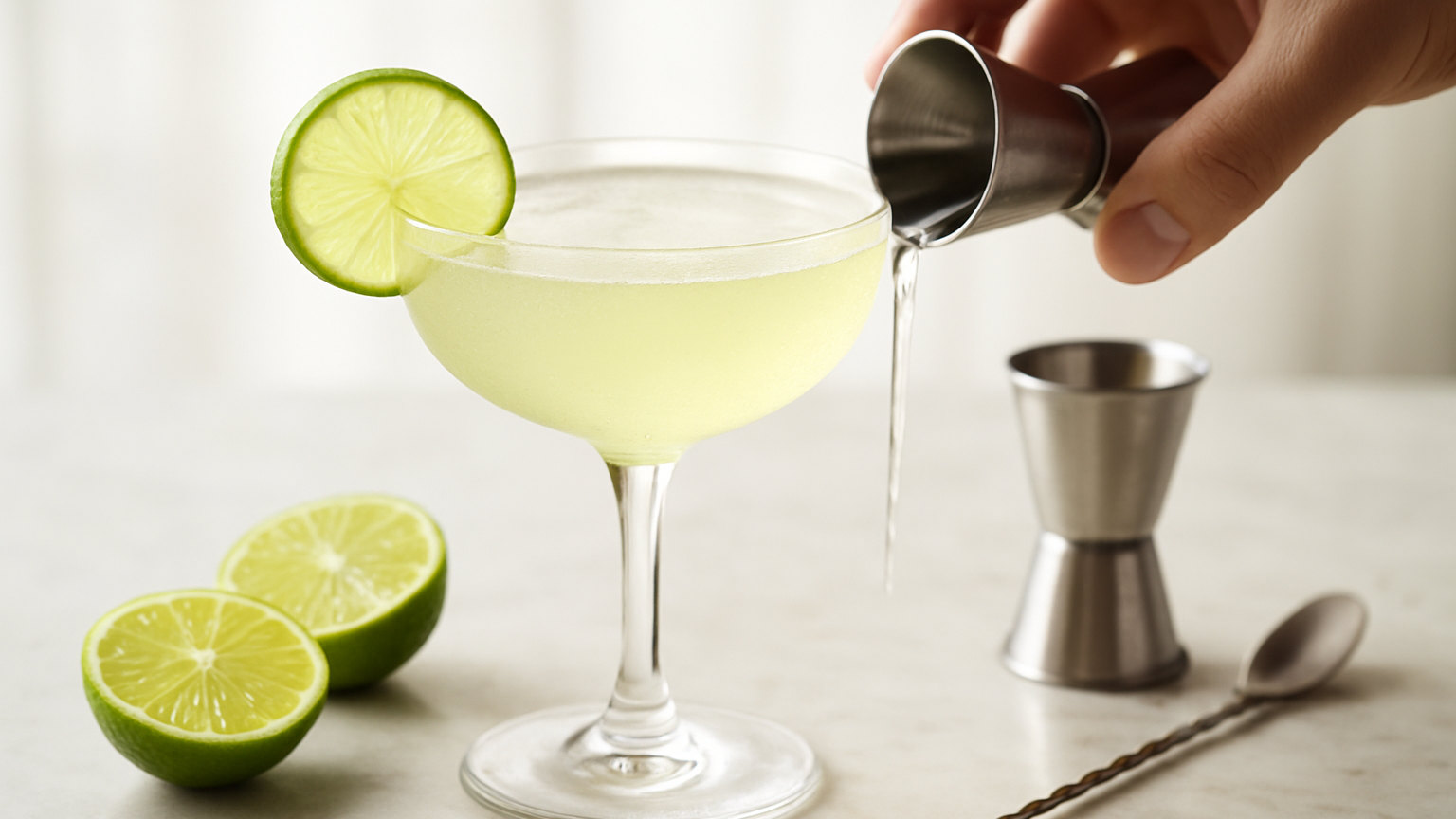
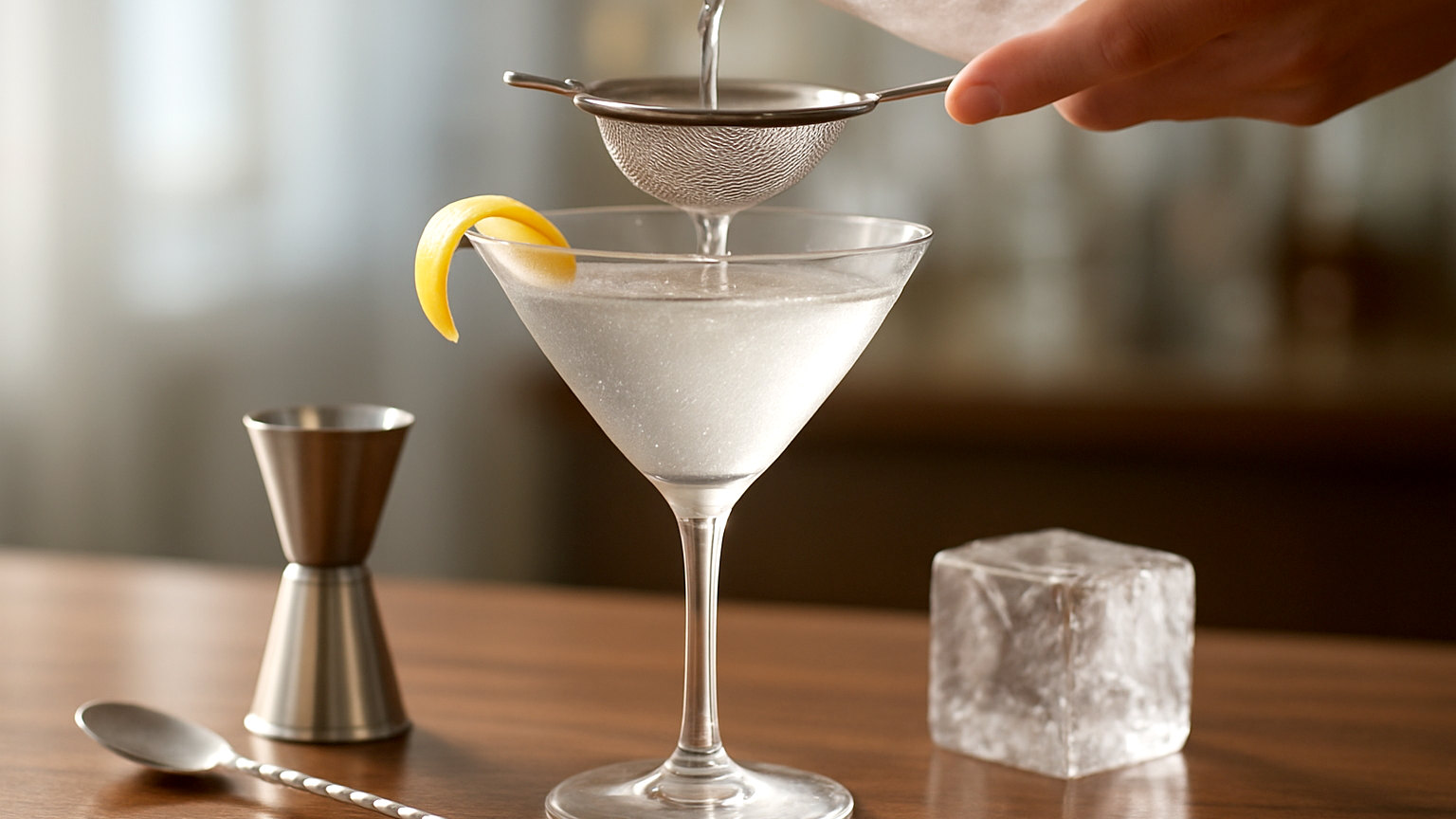
A small stemmed glass of around 150 millilitres, whether a coupe or a Nick and Nora. This handles anything served up: martinis, manhattans, daiquiris, sours.
How many of each
Six wine glasses, since wine is drunk in company more than anything else.
Four of each of the others.
Buy in even numbers above two, since one will break and an odd number is awkward when serving.
Where storage is tight, four of everything is sufficient and can be washed between courses.
The fifth shape
If you drink a particular thing regularly, one more is justified.
A tulip beer glass of around 400 millilitres for anyone who drinks IPA, stout or Belgian ale.
A nucleated pint glass for anyone who drinks lager or bitter.
A weizen glass for anyone who drinks wheat beer, since nothing else holds the head.
A Glencairn or copita for anyone who tastes whisky attentively.
Choose one, not all four.
What to look for
Thin rims, which deliver the drink more pleasantly than thick rolled ones and are the difference most people notice.
Sensible capacity. Check it by filling one with water and measuring, since it is rarely printed and modern glasses run larger than they look.
Stability, particularly for anything that will be used on a table with other people around.
Dishwasher safety if that matters to you, though hand washing is better for anything used with foamed drinks.
What to skip
Flutes, unless you drink a great deal of sparkling wine. A universal glass shows champagne better, and prosecco is fine in anything.
Shot glasses, which encourage a way of drinking that is not improved by having the right vessel.
Specialist wine shapes for individual grape varieties, which produce small differences at considerable cost and cupboard space.
Novelty glassware of every kind.
Sets of eight assorted shapes, which duplicate each other and leave you with two of everything and enough of nothing.
Cost
Inexpensive glassware is entirely adequate. A set of good plain glasses from a supermarket or a catering supplier costs very little and performs well.
Catering suppliers are worth knowing about, since they sell durable, well designed glassware in sensible sizes at low prices, and it is what most bars actually use.
The money is better spent on more of a good plain shape than on fewer expensive ones.
Where to keep them
Upright, dry, not touching, and somewhere reachable.
Glasses kept at the back of a high cupboard do not get used, and the point of owning the right shape is that using it is easy.
Building the set over time
There is no need to buy everything at once.
Wine glasses first, since they are used most. Tumblers second, which double for soft drinks and water. Highballs third. Stemmed cocktail glasses last, and only if you make drinks served up.
Spread over a year, the whole set costs very little and each purchase is made because something was actually needed.
Storage space
A realistic constraint that determines the answer more than any preference.
If a cupboard holds twenty glasses, four shapes at four or six each is the maximum, which is another argument for keeping the list short.
What to prioritise
Wine glasses, since they get the most use and double for a great deal.
Everything else can wait until a specific drink makes the case for it.