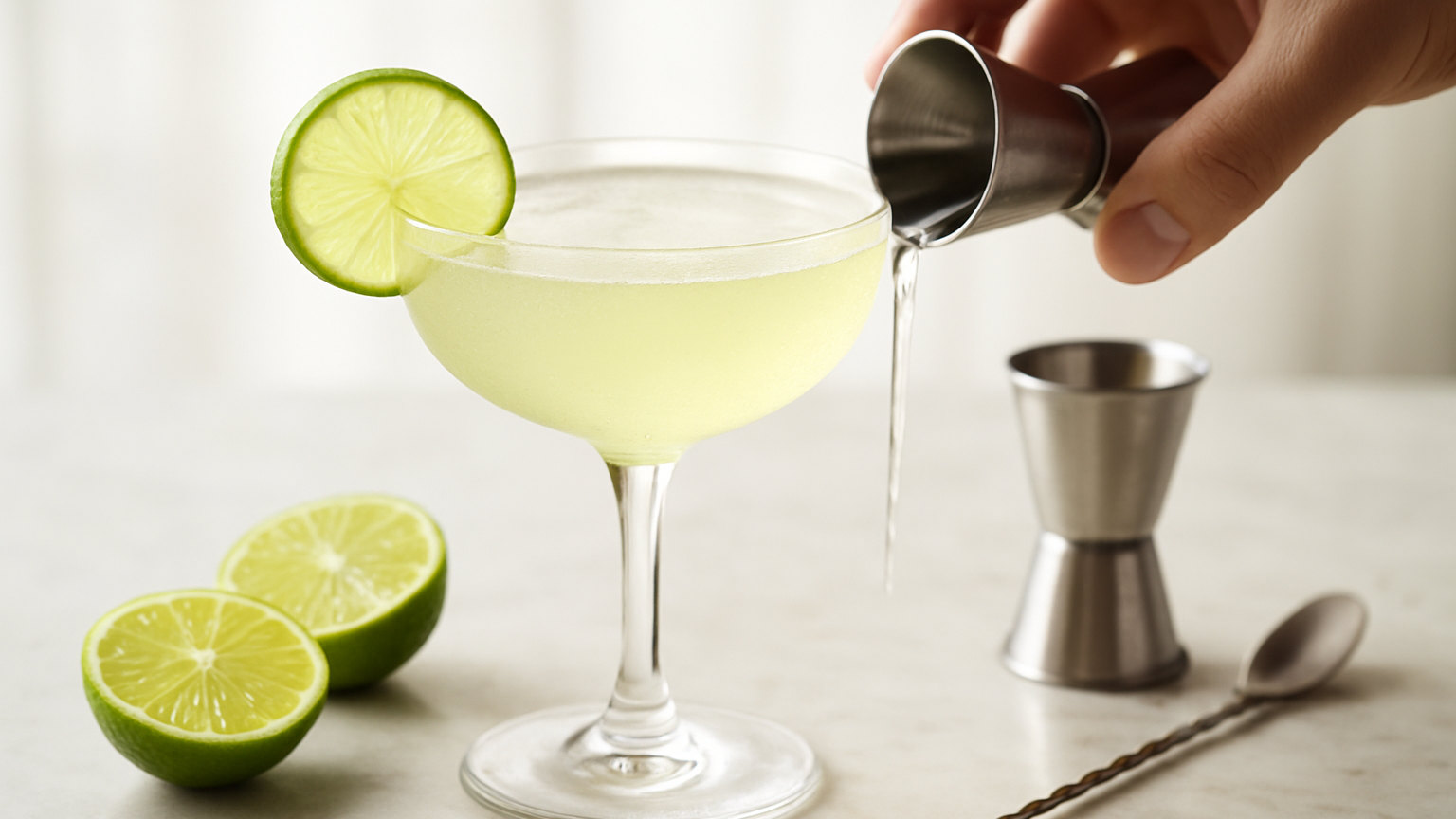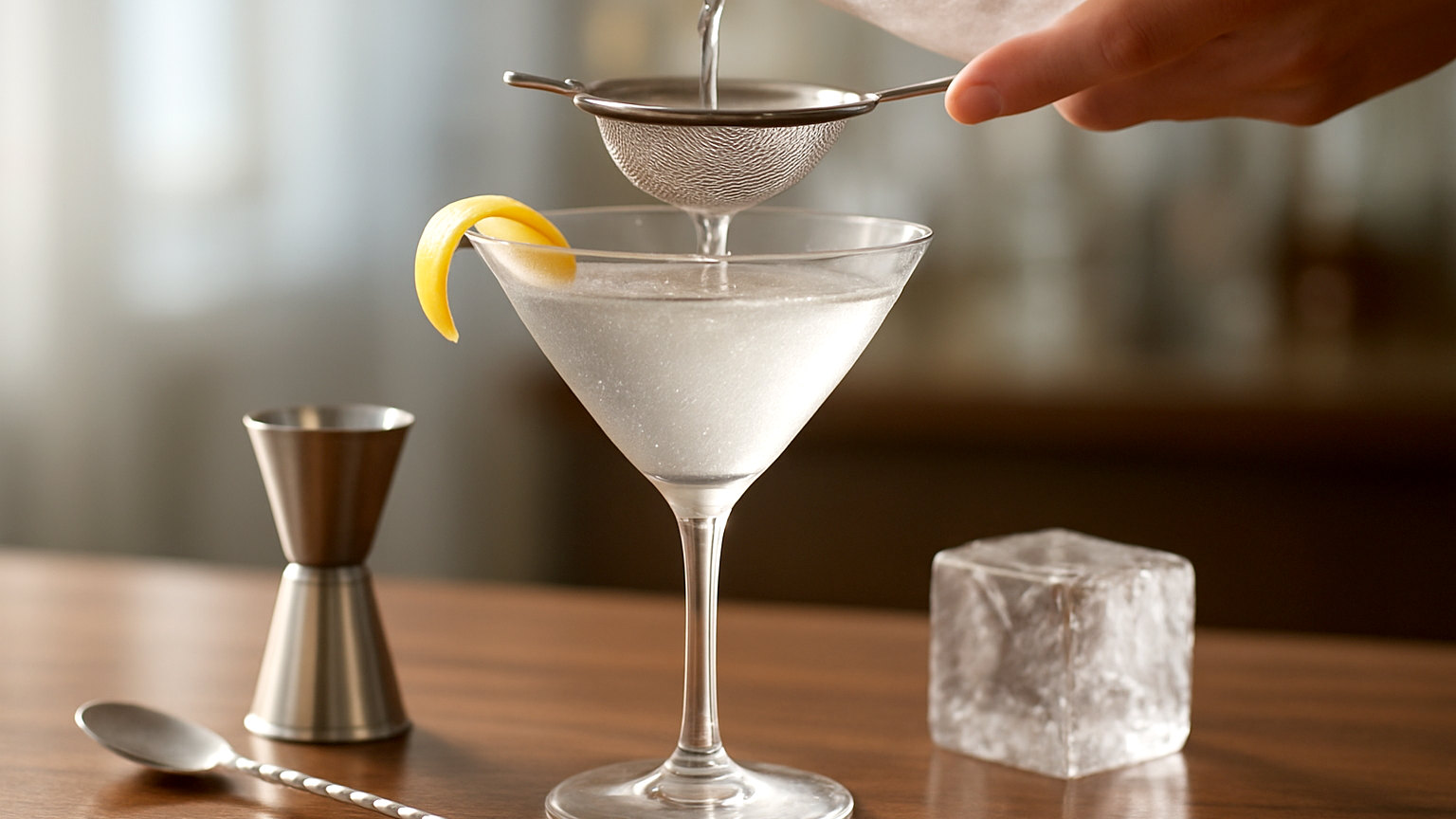
A great deal of attention goes into the shape of a glass bowl and very little into the rim, which is the only part of the vessel that makes contact with you.
Thickness
The single largest difference between an inexpensive glass and a good one.
A thin rim delivers liquid cleanly, with very little sensation of the glass itself. A thick one interposes a noticeable barrier and the drink arrives as though over an edge.
This is the difference most people register when they drink from good glassware without being able to name it, and it is why fine crystal feels different in a way that has nothing to do with the material's optical properties.
Thin rims break more easily, which is the trade.
Cut and rolled rims
Two manufacturing approaches producing quite different results.
A cut rim is sheared and then fire-polished, leaving an edge the same thickness as the wall of the glass. It is the finer option and the more fragile.
A rolled or beaded rim is folded and thickened for strength, which is why it is used on pub glassware and anything expected to be knocked about.
Neither is wrong. A rolled rim on a pint glass is a sensible durability decision; a rolled rim on a wine glass is a compromise you can feel.
Chipped rims
A chipped glass should be thrown away rather than kept for casual use.
The reason is safety rather than aesthetics. A chip creates a sharp edge that can cut a lip, and it also creates a weak point where the glass may fail further.
Chips happen most often from glasses knocking together in storage or in a washing up bowl, and from using a glass to scoop ice, which is why ice scoops exist.
Running a finger carefully around a rim when putting glasses away catches damage that is not visible.
Salting and sugaring
The rim as an ingredient, which applies to margaritas, palomas, sidecars and several others.
The technique that matters: rub a citrus wedge around the outside of the rim only, then roll the outside in salt or sugar.
Salting the inside means salt falls into the drink, which becomes progressively saltier as you go. This is the most common error and it ruins the balance of the drink.
Use a shallow plate of salt rather than trying to dip into a bowl, which coats too far down the glass.
Salting only half the rim lets the drinker choose, which is a courtesy worth extending, particularly for anyone limiting their salt intake.
Flaked sea salt is better than fine table salt, since it adheres in distinct crystals rather than forming a solid crust. Mixtures with chilli, citrus zest or spices are common and worth trying.
Wetting the rim
Citrus juice is the traditional adhesive and works well.
Water alone works and holds less securely. A wipe of syrup or liqueur holds sugar particularly well and adds sweetness.
Whatever you use, apply it to the outside only and keep it off the inside surface.
Cleanliness at the rim
Any residue at the rim is where you will taste it, since that is the point of contact.
Detergent residue, fingerprints and polish marks all concentrate there, which is another argument for thorough rinsing and air drying.
Polishing with a cloth risks reintroducing residue at exactly the wrong place, which is why glasses used for beer or foamed cocktails are better air dried and left alone.
Rim size and the pour
A narrow rim delivers a thinner stream, which arrives more slowly and gives more time to register the aroma.
A wide rim delivers a broader spread and a larger mouthful.
Neither is better in the abstract, and it explains why the same drink feels different in a tumbler and a tapered glass beyond what aroma alone accounts for.
Testing your own
Pour the same drink into your thinnest and thickest glasses and taste both.
Most people find the difference clear once they know what to attend to, and it is the cheapest way to decide whether better glassware is worth buying.