Dilution is measurable and reasonably consistent, which is useful for two reasons: it lets you batch drinks accurately, and it lets you diagnose a drink that tastes wrong.
The figures
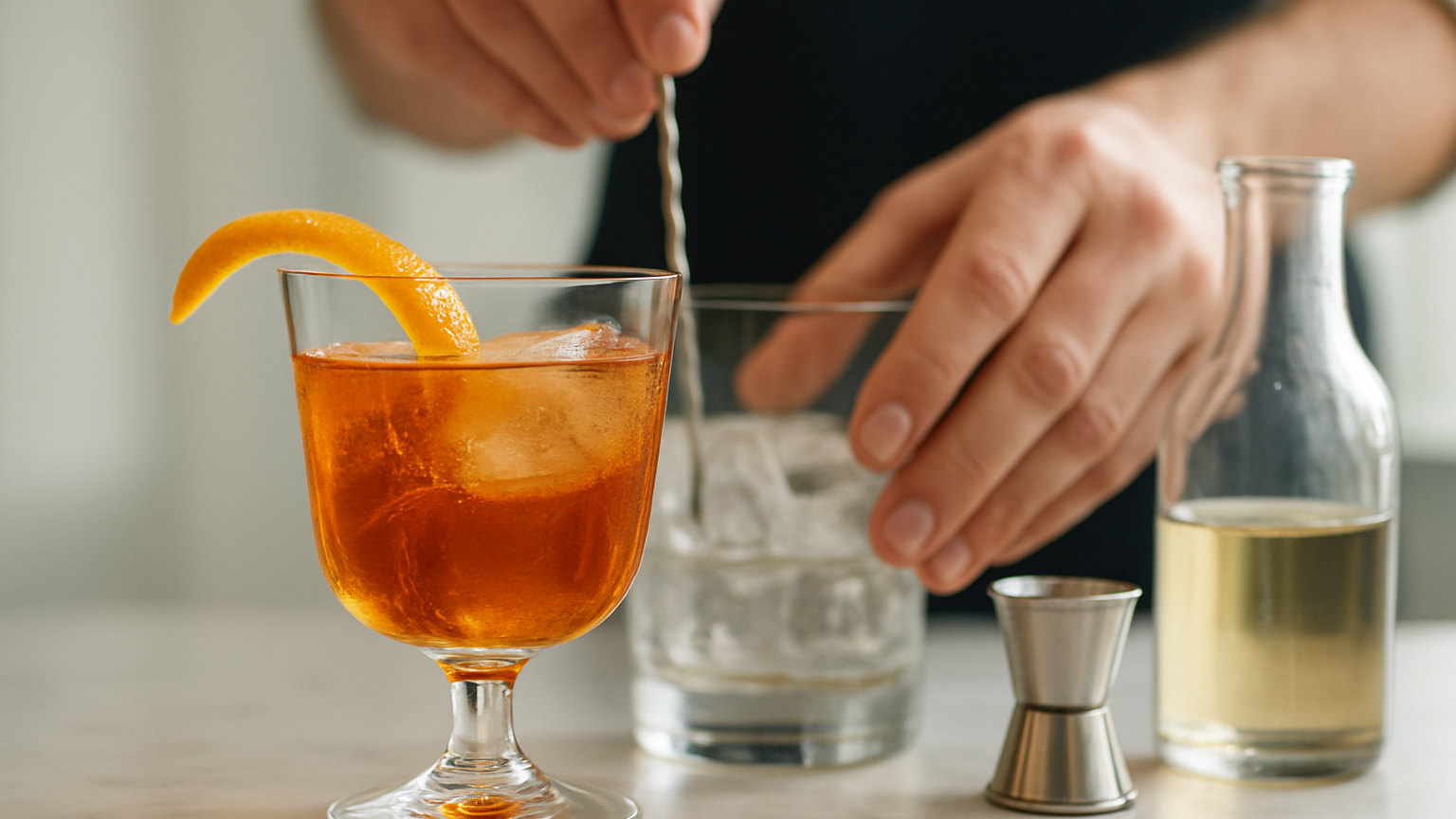
A stirred drink, stirred for around thirty seconds with plenty of ice, gains roughly twenty to twenty five per cent of its volume in water.
A shaken drink, shaken hard for ten to fifteen seconds, gains rather more, typically twenty five to thirty per cent.
Shaking dilutes faster because the agitation increases contact between the liquid and the ice surface enormously.
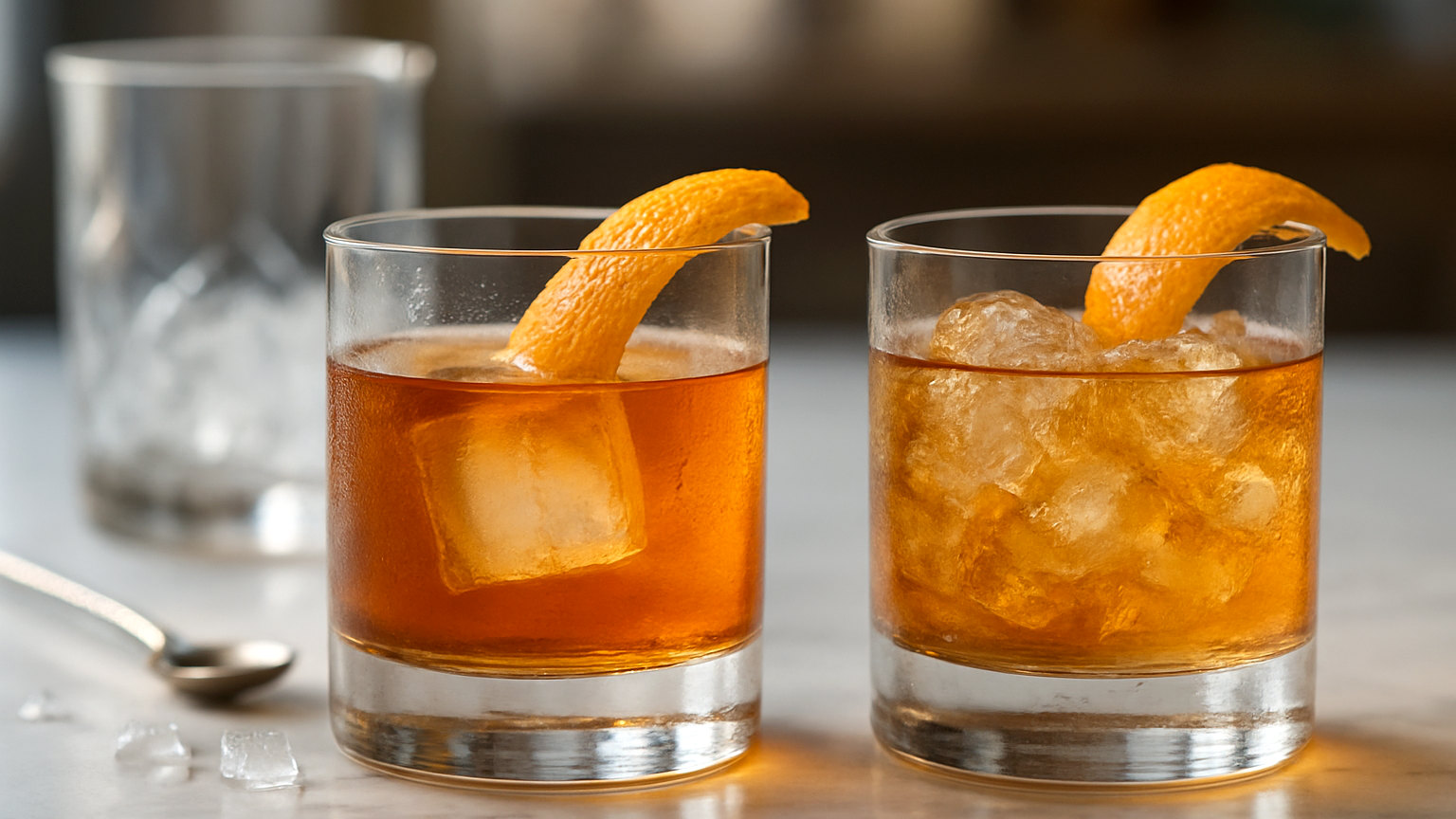
A drink built over ice in the glass dilutes continuously rather than to a fixed point, which is why highballs are constructed differently.
What that means in practice
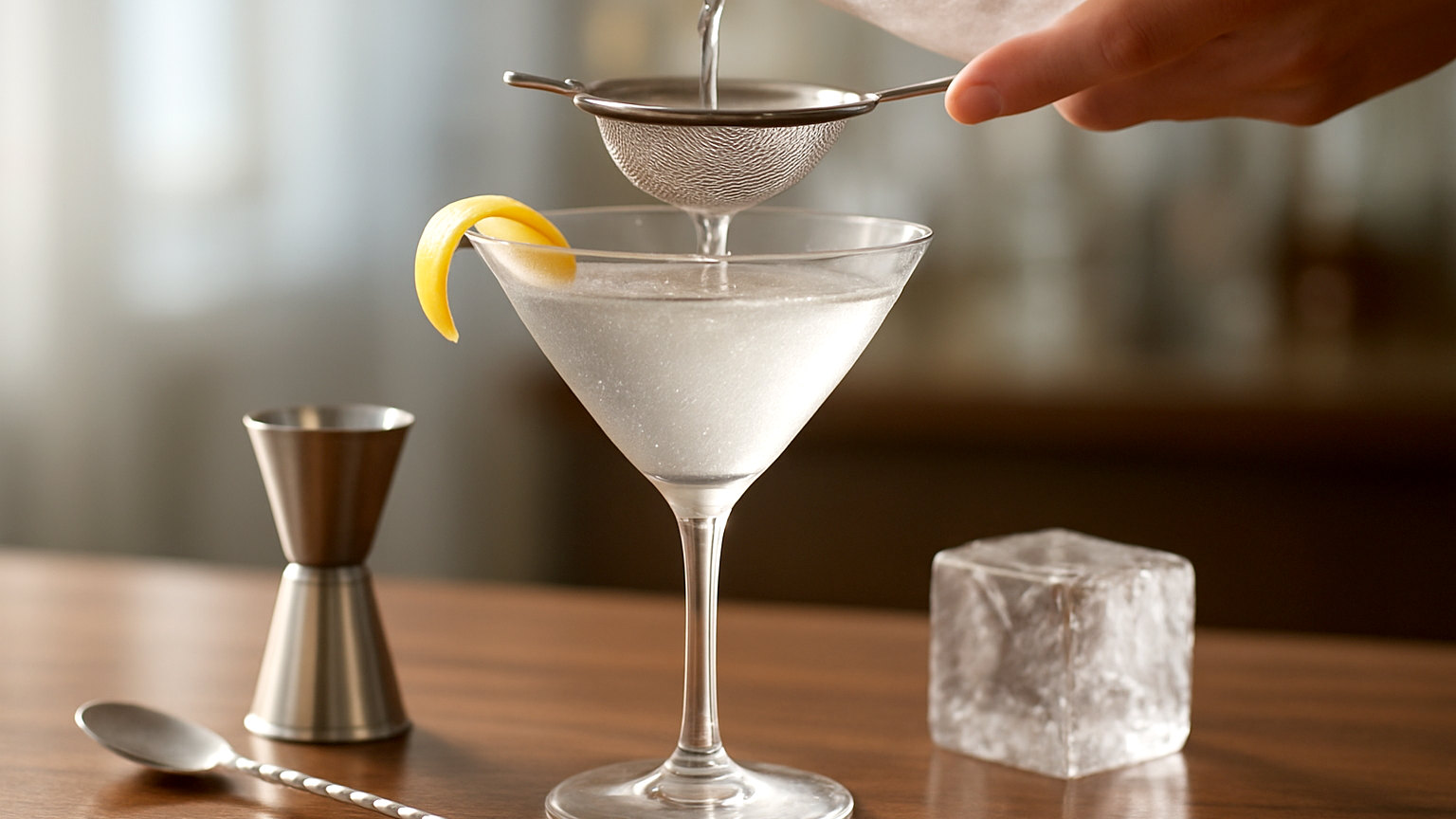
A martini made with 60 millilitres of gin and 20 of vermouth is 80 millilitres of ingredients. Stirred properly it arrives in the glass at around 100 millilitres.
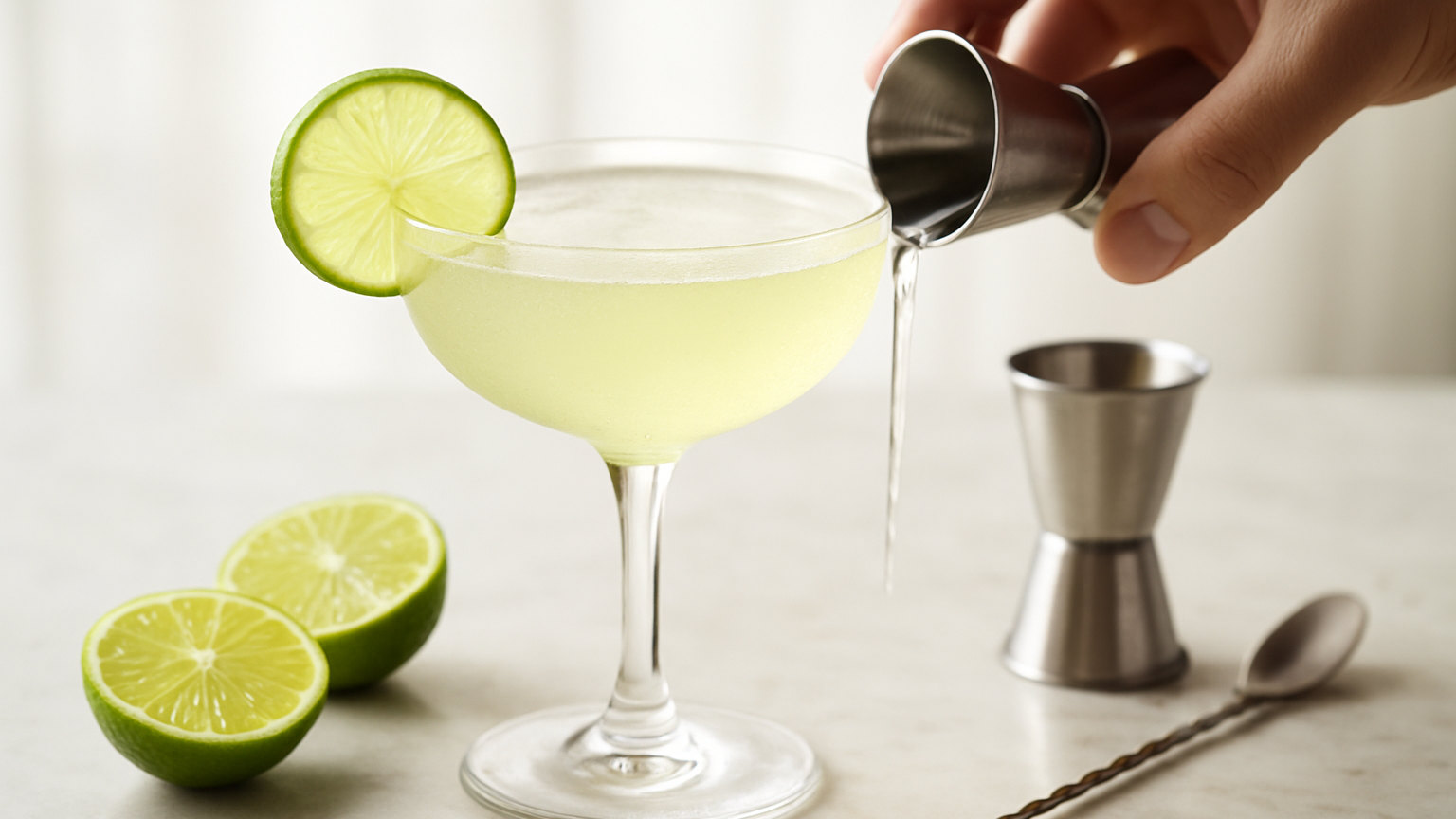
A daiquiri of 60, 30 and 20 is 110 millilitres of ingredients and around 143 after shaking.
Those figures explain why a coupe of 150 millilitres is the right size and why a 250 millilitre glass encourages an oversized pour.
What affects the rate
Ice temperature. Ice straight from a freezer at minus eighteen degrees dilutes considerably less than ice that has been sitting out and is already at zero and wet.
Ice size. Small cubes have more surface area and dilute faster.
Quantity. A full shaker dilutes less than a half-empty one, since the larger mass chills the liquid quickly and then melts slowly.
Ingredient temperature. Cold ingredients require less melting to reach temperature.
Duration and vigour, obviously.
Under-diluted drinks
The most commonly misdiagnosed fault in home bartending.
A drink that tastes harsh, hot and closed is usually under-diluted rather than under-sweetened.
The instinct is to add sugar, which produces something sweet and still harsh. The fix is a longer stir or shake, or a few millilitres of water added directly.
If a martini or an old fashioned tastes aggressive, stir it for longer before changing anything else.
Over-diluted drinks
Thin, flat, and tasting of very little.
Causes are shaking too long, using wet ice, a half-filled shaker, or leaving the drink standing on ice before straining.
The fix is next time rather than this glass, since water cannot be removed.
Batching
This is where the numbers earn their keep.
A batched cocktail has no ice contact during preparation, so the dilution has to be added deliberately.
Measure the total volume of ingredients, add twenty to twenty five per cent as water for a stirred drink and twenty five to thirty for a shaken one.
Then taste it cold, since chilling flattens sweetness and a batch that seemed balanced warm frequently needs a small adjustment.
Write down the percentage that worked, since it varies slightly by recipe.
Measuring it yourself
Straightforward and worth doing once.
Measure your ingredients into the shaker, note the total. Shake as you normally would, strain into a measuring vessel, and note the new volume.
The difference is your dilution, and it will tell you whether you shake for long enough.
Most people who try this discover they shake or stir considerably less than they thought.
The general rule
Cold ice, plenty of it, and enough time.
Thirty seconds of stirring or twelve to fifteen seconds of hard shaking is the target, and the frost on the outside of the vessel is the most reliable indicator that it is done.
Building over ice
Highballs work differently, since dilution continues rather than stopping at a fixed point.
This is why a full glass of ice matters so much: it slows the rate rather than reaching a target.
It also means the recipe should be built without extra water, since the drink will acquire it over the following twenty minutes.
A rough guide
Stirred: add twenty to twenty five per cent water when batching. Shaken: twenty five to thirty. Built over ice: none.