A cocktail is served in a small glass and contains no mixer, which means almost everything in it is alcoholic. That combination makes them the strongest drinks on most lists and the easiest to underestimate.
The figures
Calculated from typical recipes, and they vary with how a particular bar makes them.
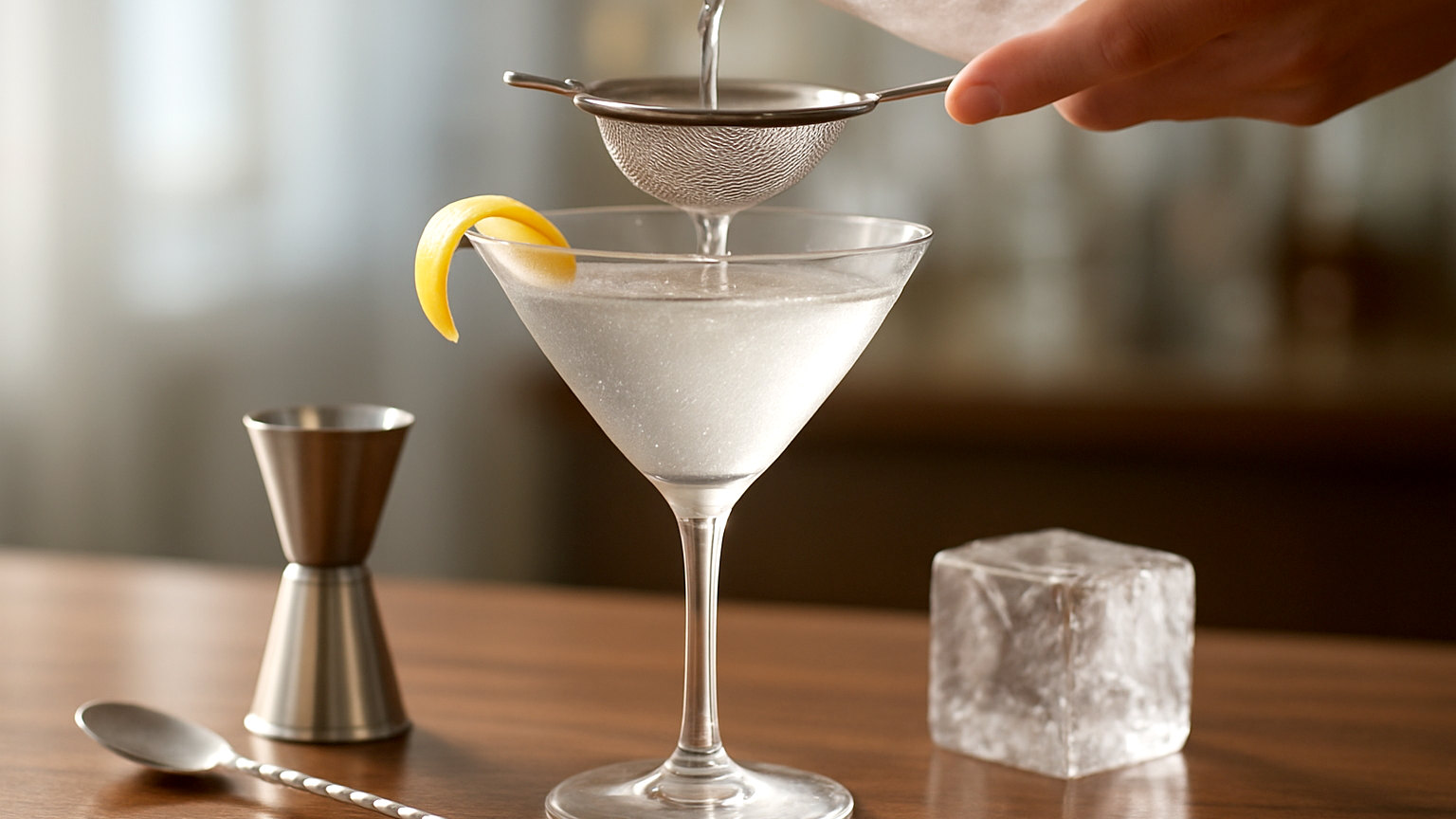
A martini with 60 millilitres of gin at forty per cent and 20 of dry vermouth: around two and eight tenths units.
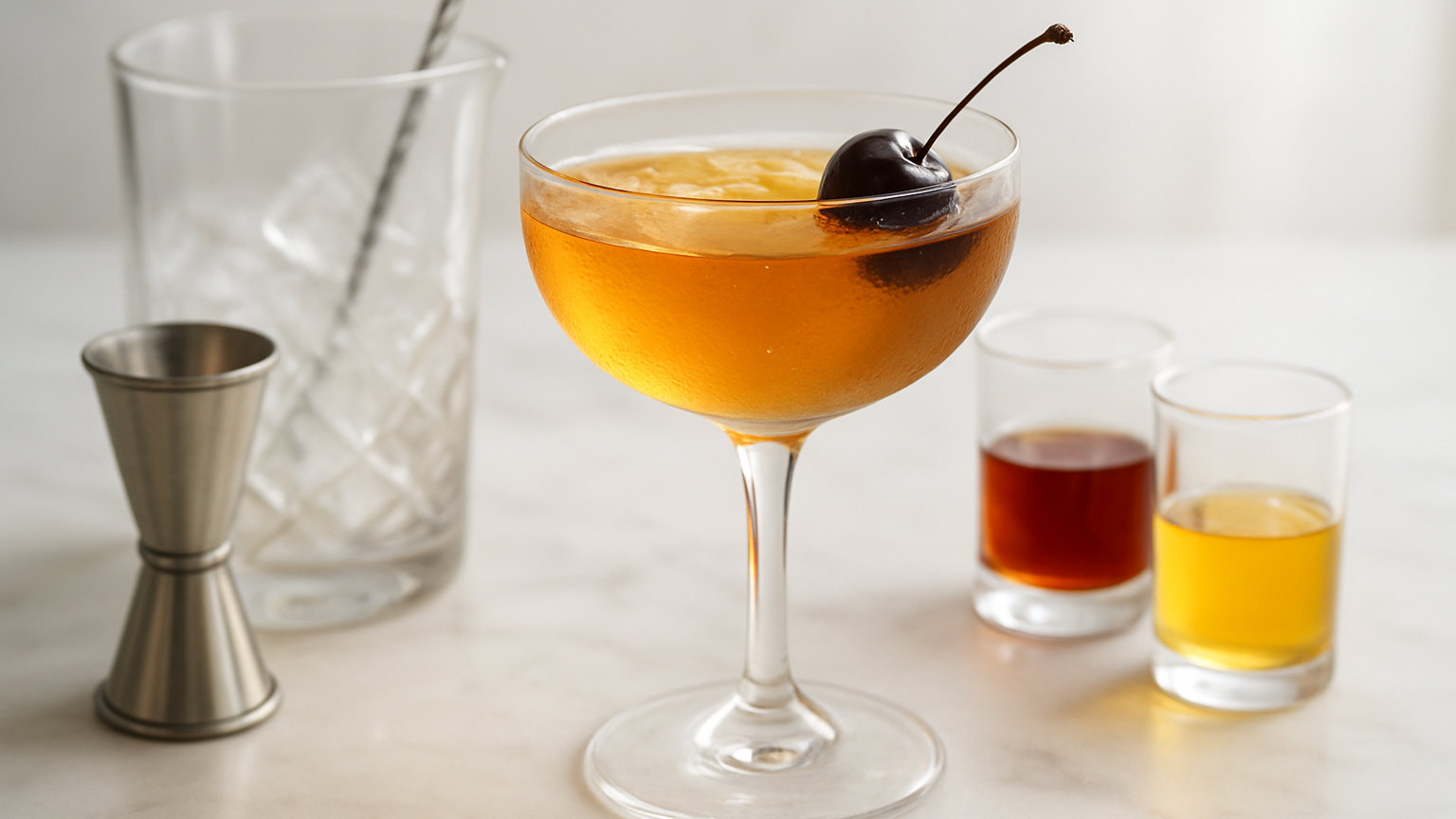
A manhattan with 60 millilitres of rye at forty five per cent and 30 of sweet vermouth: around three units.
A negroni, equal parts at 30 millilitres each: around two and a half units.
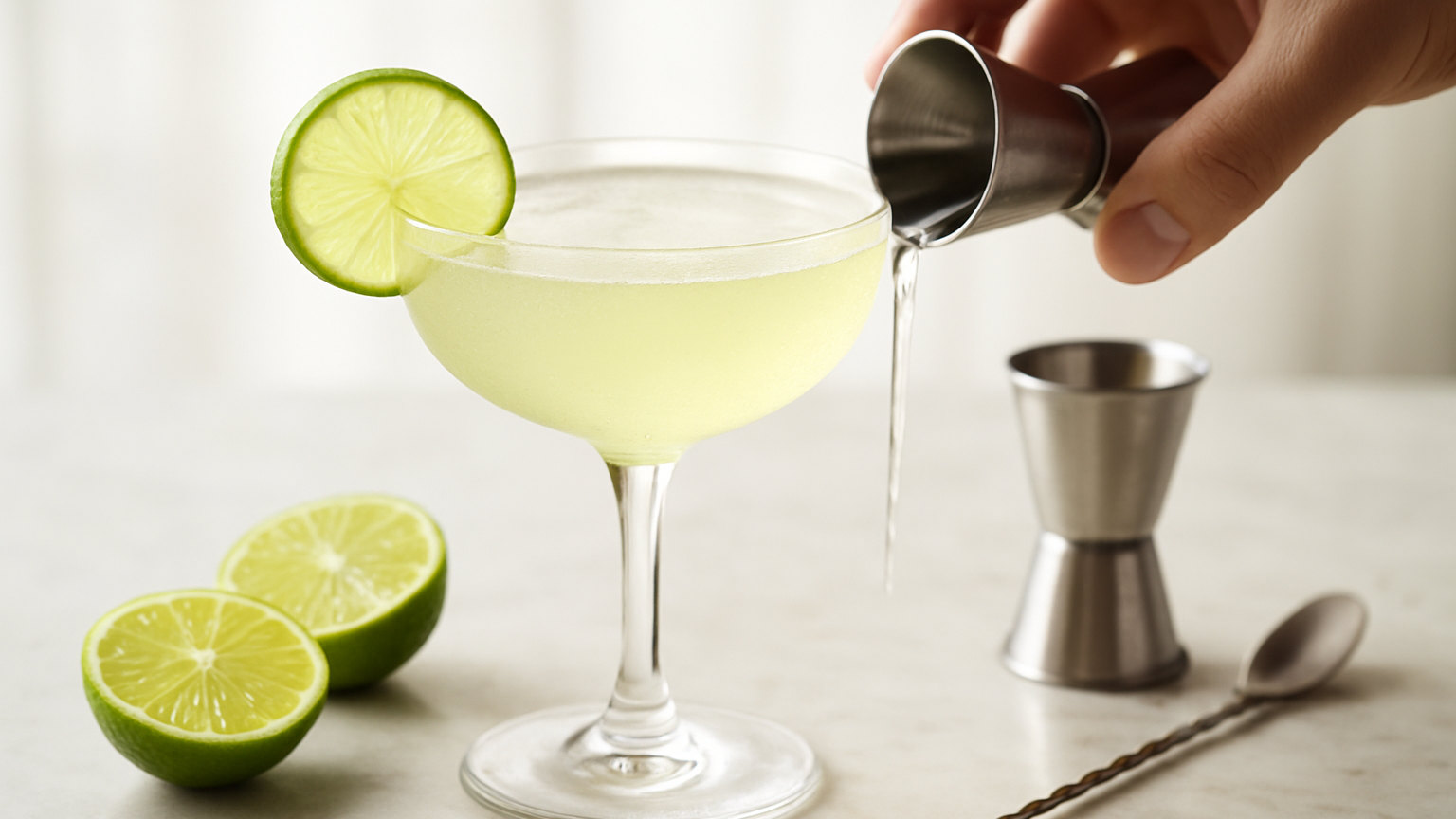
A daiquiri with 60 millilitres of rum: two and four tenths.
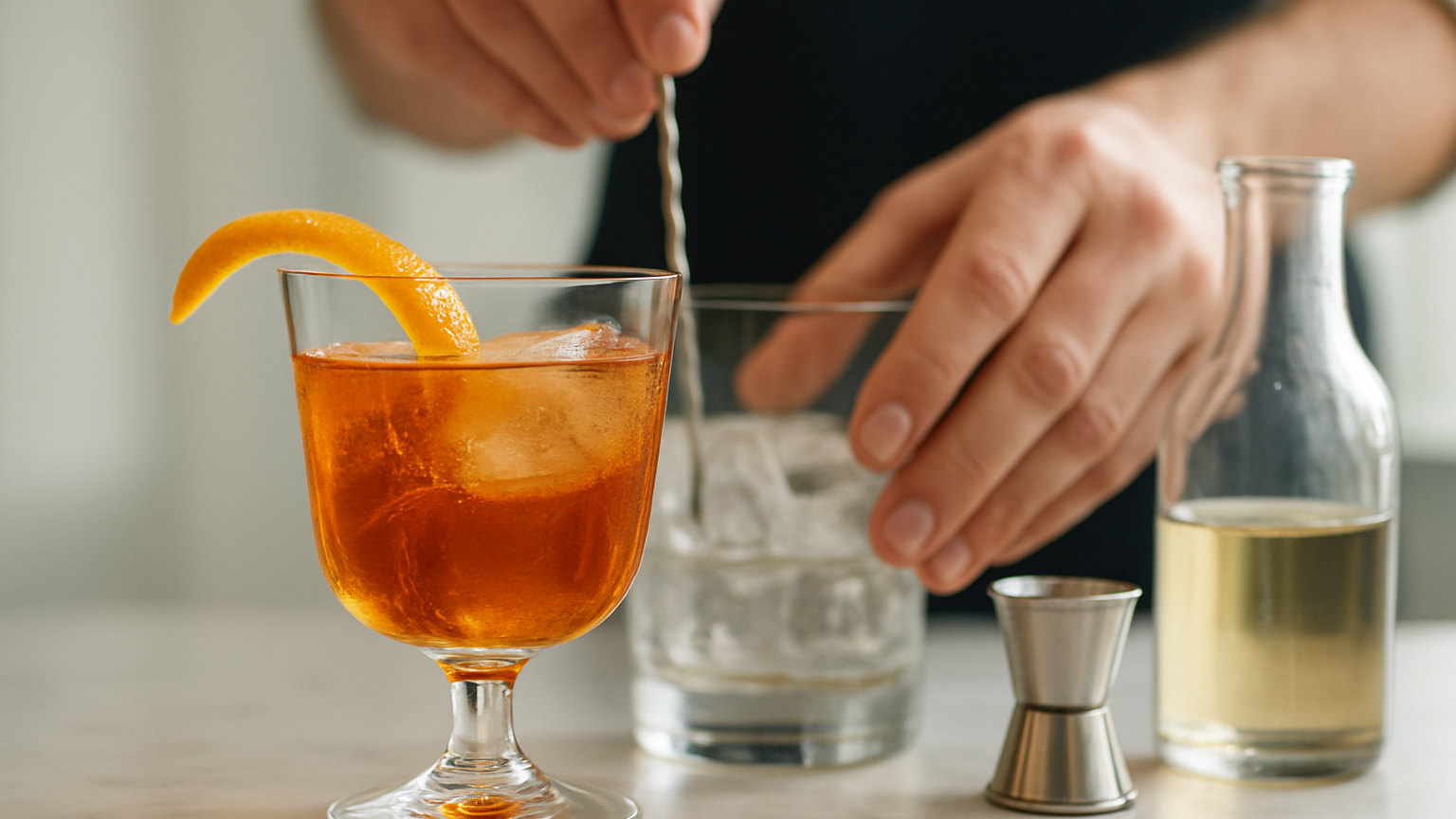
An old fashioned with 60 millilitres of bourbon: two and four tenths.
A margarita with 50 millilitres of tequila and 20 of orange liqueur: around two and a half.
A double IPA-strength drink such as a full-strength tiki cocktail with multiple rums can reach four or more.
For comparison, a 175 millilitre glass of wine at thirteen per cent is around two and a quarter, and a pint of four per cent beer around two and three tenths.
Why they feel deceptive
Several things operate together.
The glasses are small, and volume is what people instinctively use to estimate quantity.
They are served very cold, which suppresses the perception of alcohol.
A well made one is balanced and smooth, so nothing about it announces its strength.
And they are drunk relatively quickly, since a drink served up warms and is at its best within fifteen minutes.
The result is that two cocktails can arrive considerably faster than the equivalent in wine or beer, carrying the same alcohol.
Dilution does not reduce the alcohol
A point worth being clear about.
Ice adds water, which lowers the strength as a percentage and does not remove any alcohol.
A martini at 80 millilitres of ingredients diluted to 100 has fallen from around thirty five per cent to around twenty eight, and it still contains the same two and eight tenths units.
Dilution changes how a drink tastes and how quickly it is absorbed. It does not change how much alcohol you have consumed.
Long drinks are different
A highball contains one measure of spirit lengthened with a mixer, which is around one unit.
That makes a gin and tonic or a whisky and soda roughly half the alcohol of a stirred cocktail, in a considerably larger glass that lasts longer.
A spritz sits at around one and a half units. An americano is around one.
Which is a substantial part of the argument for long drinks over short ones on an evening that is going to last.
At home
Home cocktails are frequently stronger than bar ones, since free pouring produces a larger measure than a jigger does.
Using a measure is worth doing for balance and worth doing for this reason too.
Glass size matters as well. A 150 millilitre coupe holds a sensible drink; a 250 millilitre martini glass encourages a pour of four or five units.
Moderating without stopping
Several adjustments work without anything feeling restricted.
Smaller glasses, which reduce the pour without changing the drink.
Wetter ratios, since a three to one martini contains less alcohol than a six to one and is a better drink besides.
Lower-strength drinks within the same flavour family: an americano rather than a negroni, a spritz rather than a cocktail, a highball rather than something served up.
Alternating with water, and having something to eat.
The guidance
United Kingdom Chief Medical Officers advise not regularly exceeding fourteen units a week, spread over three or more days, and state that no level of regular drinking is risk-free.
Three cocktails is close to eight units in an evening.
How that applies to any individual is a matter for them and their doctor, and the NHS is the appropriate reference for current guidance.
Asking in a bar
Perfectly reasonable to ask what is in a cocktail and how large the measures are.
Most bartenders will tell you without hesitation, and menus increasingly state it.