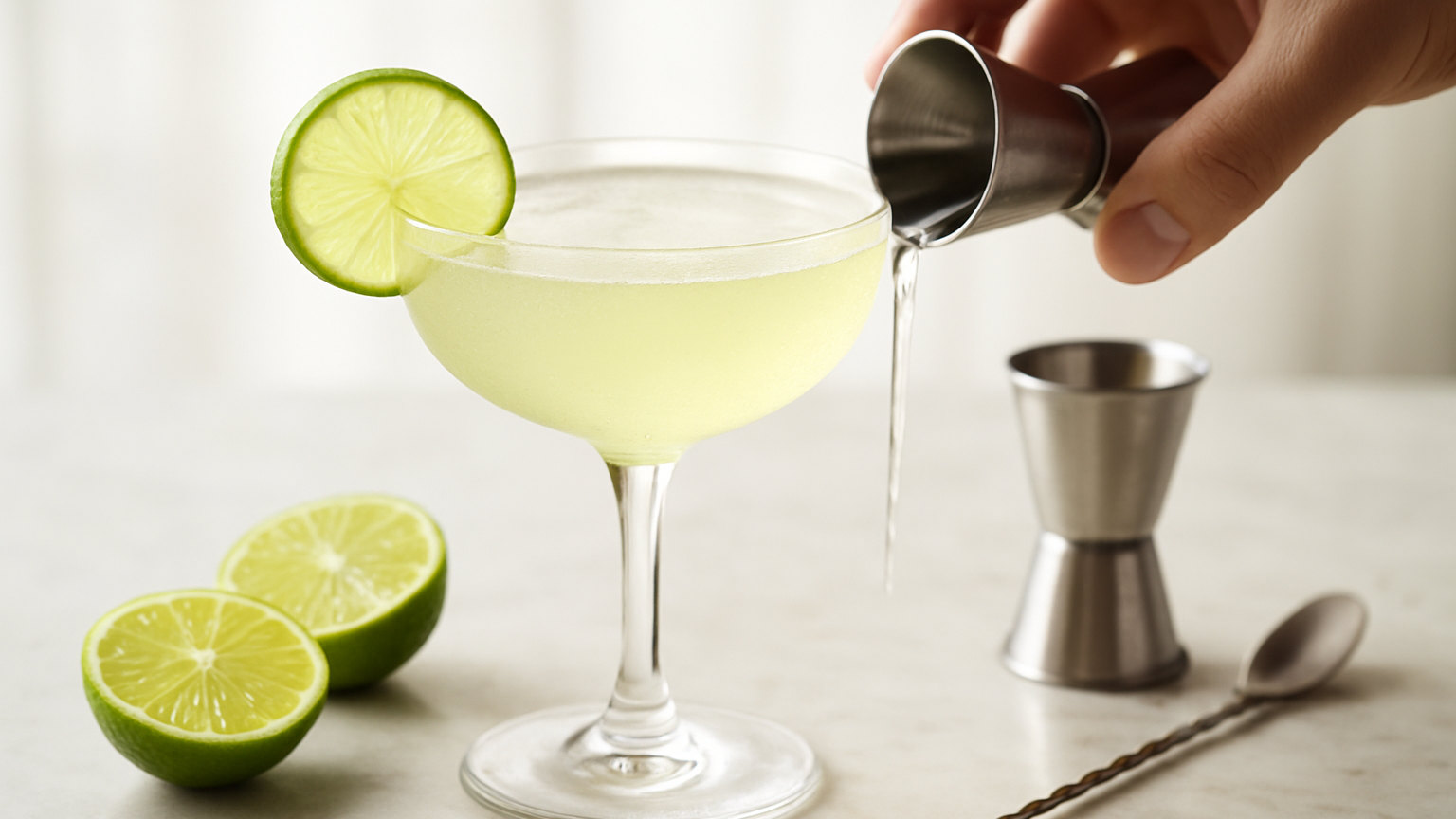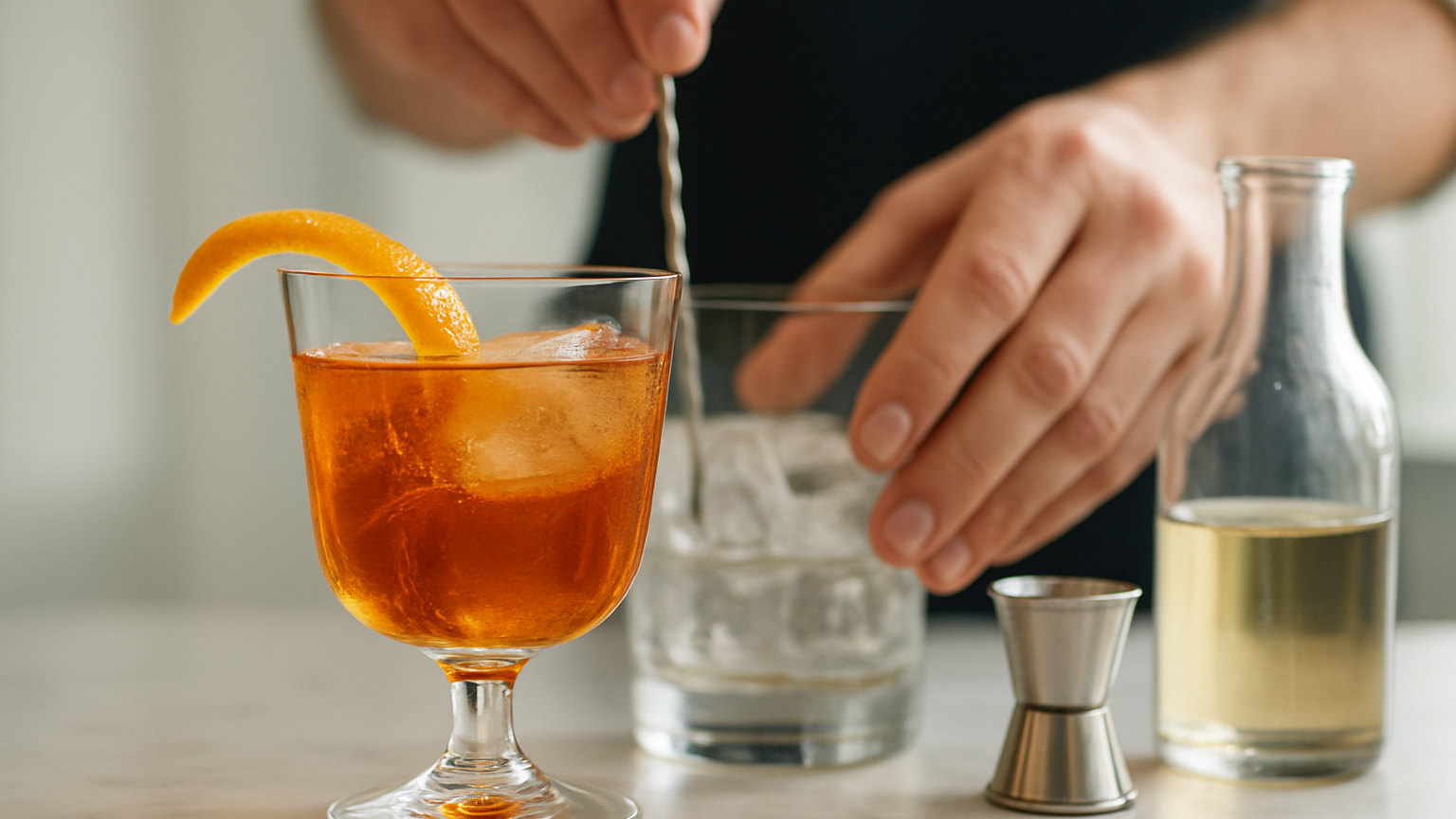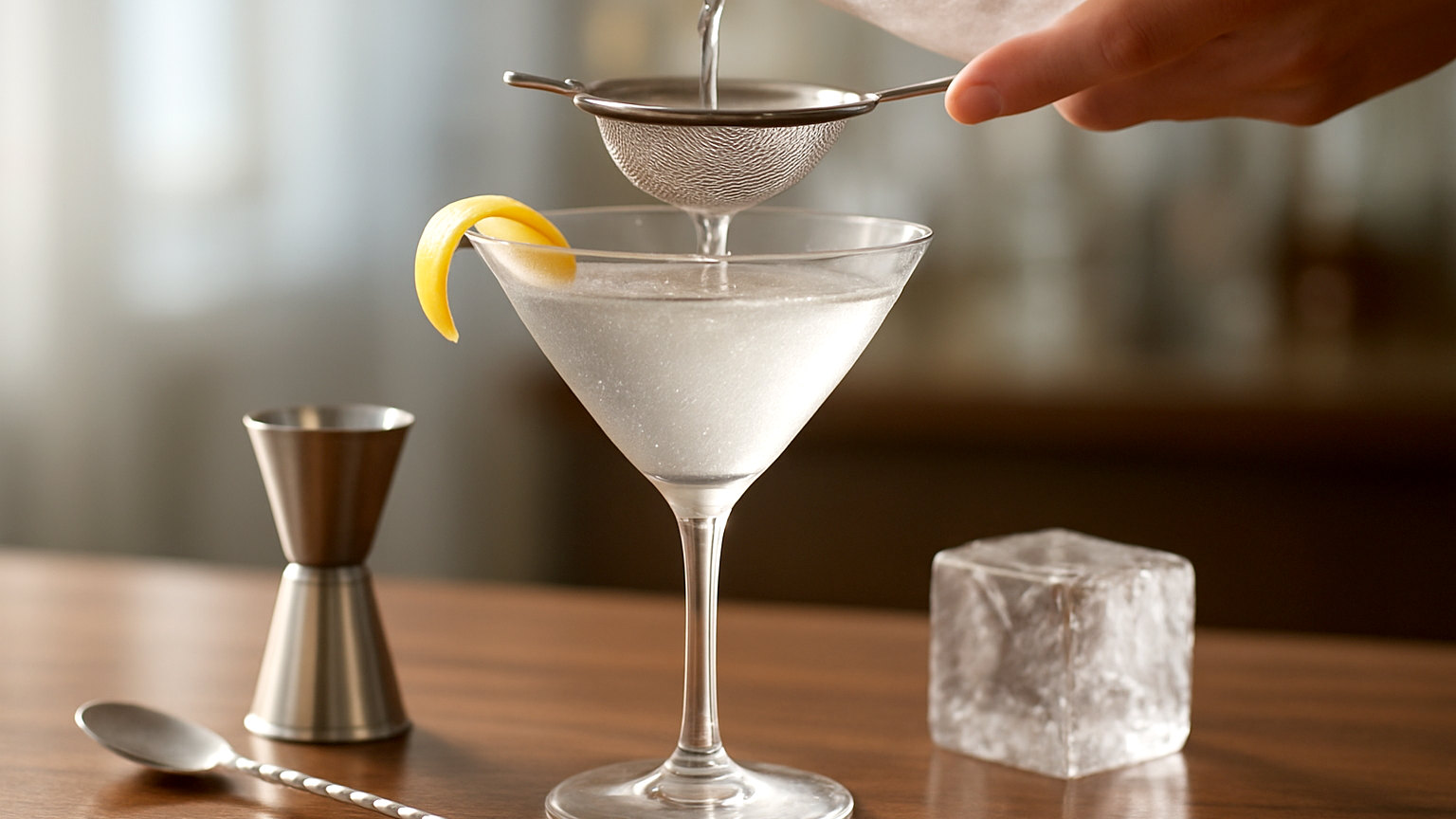
A unit of alcohol in the United Kingdom is ten millilitres of pure alcohol, which is equivalent to eight grams. It is a measure of how much alcohol a drink contains, not of how large the drink is.
Why the distinction matters
People generally count drinks. Drinks vary enormously in strength and size, so counting them tells you considerably less than it appears to.
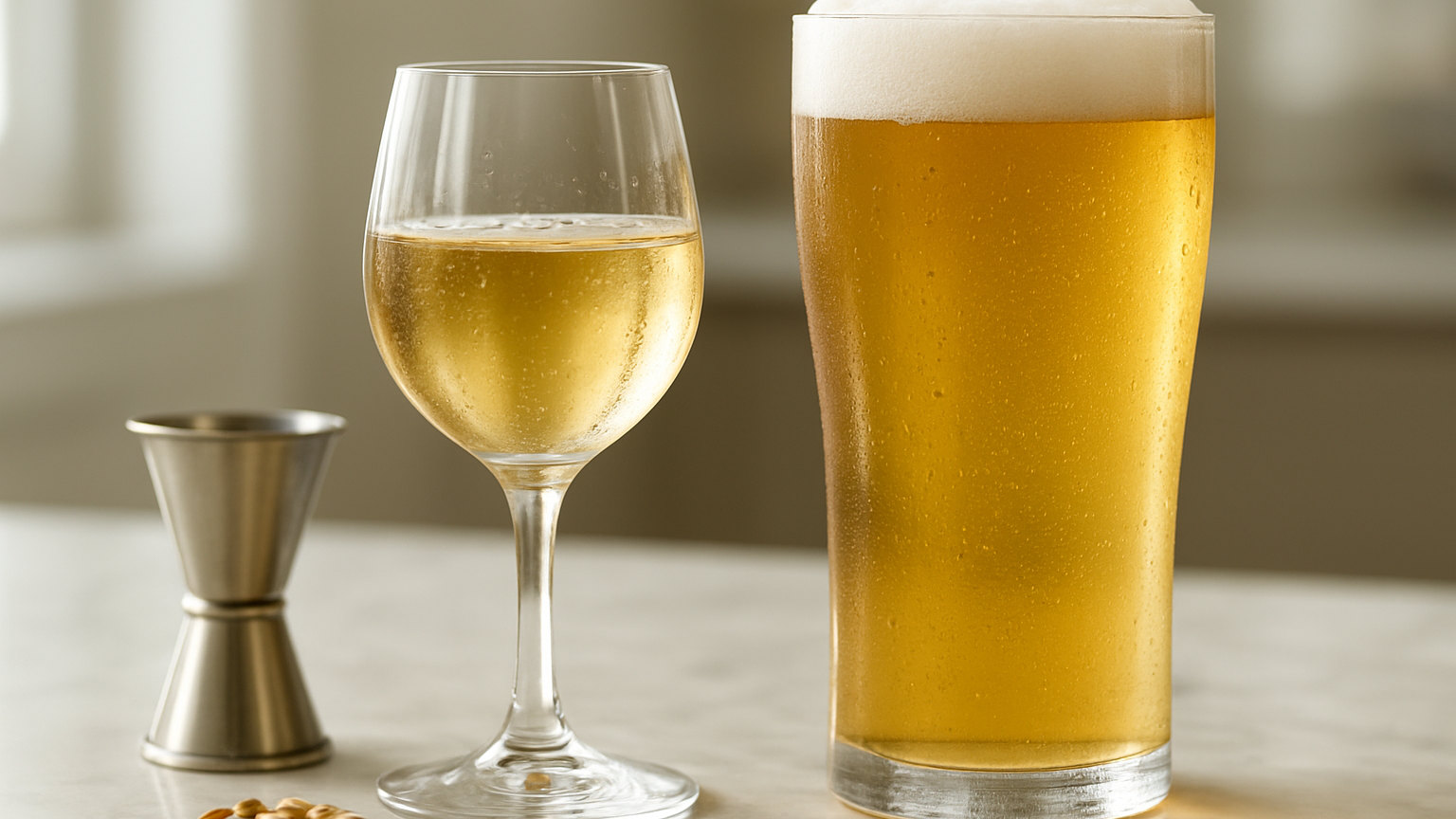
A 25 millilitre measure of a spirit at forty per cent contains one unit. A 175 millilitre glass of wine at thirteen per cent contains around two and a quarter. A pint of lager at five per cent contains around two and eight tenths.
All three are one drink. They are not the same amount of alcohol.
The unit exists precisely to make those comparable.
Where the figure comes from
Ten millilitres of pure alcohol was chosen partly because it is roughly what a healthy adult's body processes in an hour, though that varies considerably between individuals and should not be treated as a reliable guide to anything.
It is a convenient round number for public health communication rather than a biological constant.
Other countries use different figures, which is worth knowing when reading advice from elsewhere.
Units in common drinks
These are approximate and depend on the strength and the measure.
A single 25 millilitre spirit at forty per cent: one unit.
A pint of lower-strength beer at four per cent: around two and three tenths.
A pint of higher-strength beer at five and a half per cent: around three and a tenth.
A small 125 millilitre glass of wine at thirteen per cent: around one and six tenths.
A standard 175 millilitre glass at thirteen per cent: around two and three tenths.
A large 250 millilitre glass at thirteen per cent: around three and a quarter.
A 750 millilitre bottle of wine at thirteen per cent: around nine and eight tenths.
A typical cocktail: two to three, and frequently more.
The glass size problem
Worth flagging, since it is where most miscounting happens.
Wine glasses have grown considerably over recent decades, from capacities around two hundred millilitres to ones commonly exceeding four hundred.
People judge quantity by how full a vessel looks rather than by volume, so a large glass produces a larger pour without anyone intending it.
Someone reporting two glasses of wine may have had anywhere between two hundred and fifty and five hundred millilitres depending entirely on the glassware, which is a difference of several units.
Measuring 175 millilitres of water into your usual glass once, and noting where it comes to, recalibrates that permanently and takes thirty seconds.
What the guidance says
United Kingdom Chief Medical Officers advise that both men and women should not regularly drink more than fourteen units a week, spread over three or more days, with several drink-free days.
The guidance is explicit that there is no level of regular drinking that carries no risk.
Fourteen units is roughly six pints of lower-strength beer or six standard glasses of wine, spread across a week.
How that applies to any individual is a matter for them and their doctor. The purpose of understanding units is to know what you are actually drinking rather than to hit a target.
Where to find reliable information
The NHS publishes the current guidance and a unit calculator, and it is the appropriate reference rather than anything on a drinks website.
Anyone concerned about their own drinking, or about someone else's, can speak to a GP or pharmacist, and there are national helplines and support organisations that offer confidential advice.
Asking is a reasonable thing to do and does not require anything to have gone wrong first.
Why the figure is not a target
Fourteen units is a threshold above which risk becomes more significant, on a curve that starts at zero rather than at fourteen.
It is not an allowance to be spent, and the guidance does not say that fourteen is safe and fifteen is not.
Understanding units is about knowing what you are actually drinking, which is a different exercise from managing a budget.