A great many spirits are bottled at exactly forty per cent, which is not a coincidence. It is partly law, partly tax and partly convention.
The legal minimums
Several categories have a defined minimum strength.
Scotch whisky must be bottled at no less than forty per cent, and the same minimum applies to a number of other protected spirit categories including brandy, rum and gin under the relevant regulations.
Vodka has its own minimum, which differs slightly.
Those minimums exist to prevent products being watered down while retaining a category name, and they set a floor that a great many producers then treat as a target.
The tax incentive
Duty is charged on the alcohol content, so every additional percentage point costs the producer money.
A spirit at forty per cent carries less duty than the same spirit at forty three, and considerably less than one at fifty seven.
Where a producer is not making a point of the strength, bottling at the legal minimum is the cheapest option.
That is the main reason forty is so common: it is the lowest permitted number in the categories where it applies.
Water is cheaper than spirit
The other commercial factor.
Spirit comes off a still at a high strength and is reduced with water before bottling.
Reducing to forty rather than forty six produces more bottles from the same quantity of distillate, which matters at scale.
A producer bottling at a higher strength is selling less water and more spirit per bottle, which is why higher-strength expressions cost more even when nothing else differs.
Why higher strengths often taste better
Not because of the alcohol itself, but because of what comes with it.
A great many flavour compounds are more soluble in alcohol than in water. Reducing a spirit's strength can cause some of them to precipitate out, and producers frequently chill filter to remove the resulting haze.
Chill filtration removes fatty acids and esters that contribute to texture and mouthfeel, and a spirit bottled at forty and chill filtered is measurably different from the same spirit at forty six and unfiltered.
Above around forty six per cent, hazing is much less likely, which is why that figure appears so often on unfiltered bottlings.
The strengths that mean something
Forty three and forty six are common and generally indicate a producer who has chosen not to reduce further.
Fifty seven per cent is navy strength, deriving from the old British proof system, where 57.15 per cent was a hundred degrees proof.
Cask strength or barrel proof means bottled without reduction, at whatever strength the cask happened to be, which varies and is usually stated on the label.
Overproof generally means anything above the traditional proof threshold and is used loosely, particularly for rum.
What to do with a stronger spirit
Add water yourself, if you want to.
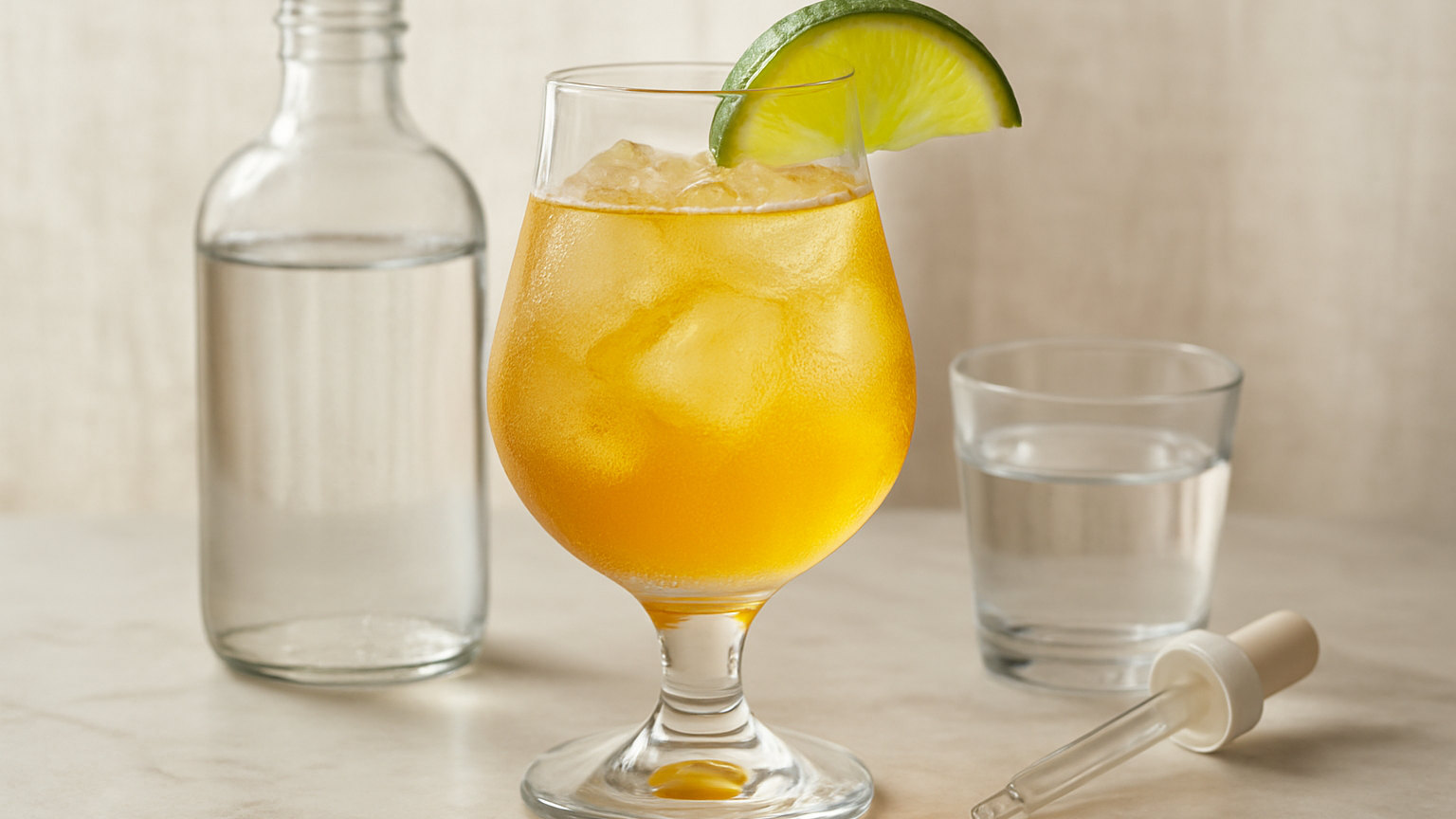
A cask strength whisky reduced with a few drops of water in the glass gives you control over where it ends up, and the aroma frequently opens up considerably as the strength falls.
That is the practical argument for buying at a higher strength: you can always add water and you cannot remove it.
It also means a bottle at fifty per cent contains more spirit than one at forty, so the higher price is buying more than it appears.
The unit implication
Worth stating plainly, since it is easy to overlook.
A 25 millilitre measure at forty per cent is one unit. The same measure at fifty seven per cent is around one and four tenths.
A drink made with a navy strength gin therefore contains substantially more alcohol than the same drink made with a standard one, without looking any different.
Anyone using a higher-strength spirit in cocktails should adjust the measure or the count accordingly.
Vodka and gin minimums
Vodka has a minimum of thirty seven and a half per cent under the relevant regulations, which is why a good many are bottled at exactly that figure.
Gin shares that minimum, and the better ones are frequently bottled higher, since juniper and the other botanicals carry better at strength.