How Do You Make a Proper Daiquiri?
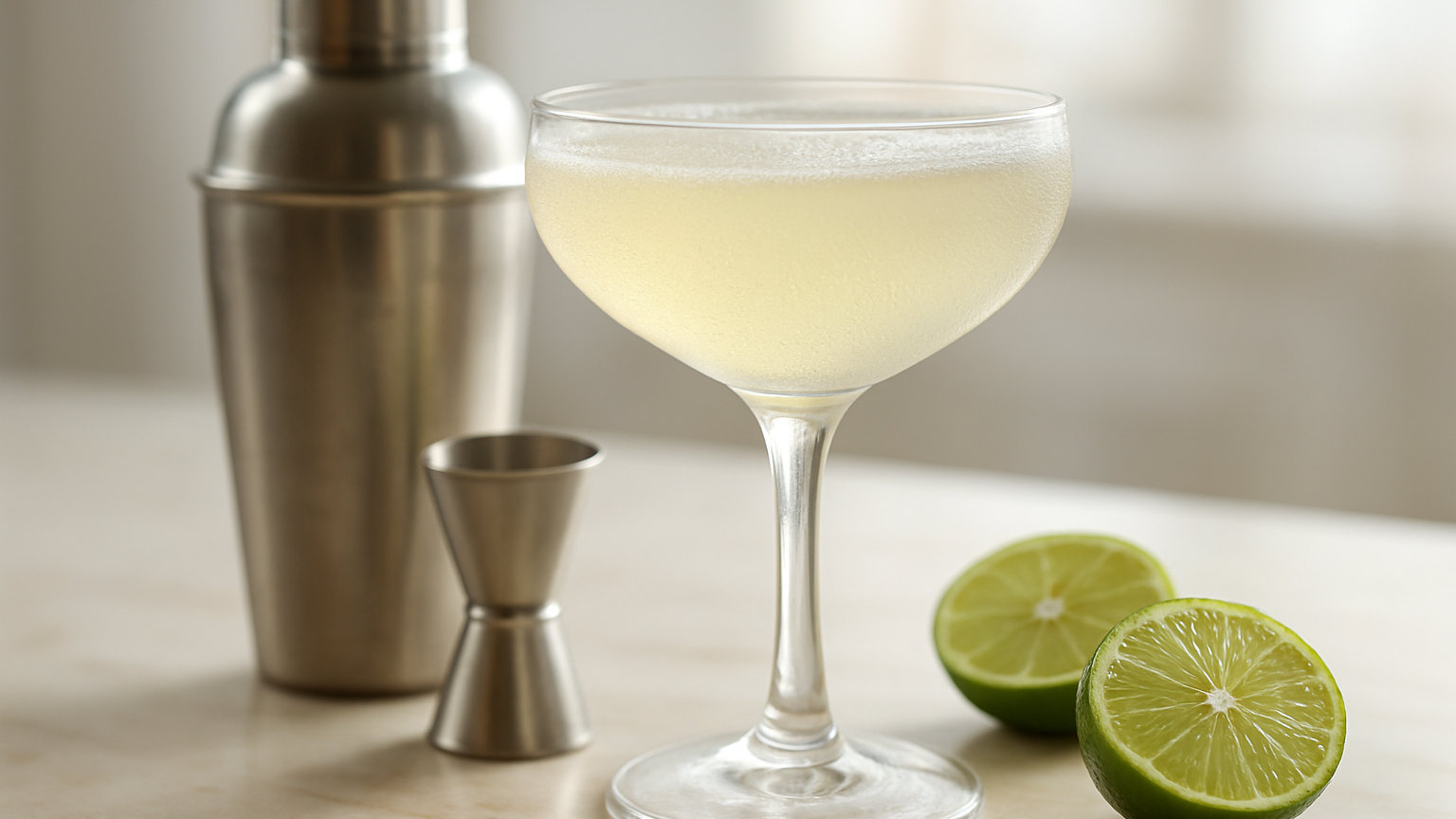
Three ingredients, no garnish and nothing to hide behind. It is the drink bartenders order to judge a bar, and the frozen version is a different thing entirely.
Every recipe here is given in both ounces and millilitres, because a jigger marked one way and a recipe written the other is how good drinks get ruined. These guides cover the classics worth learning, the handful of templates that most cocktails are built on, and non-alcoholic drinks that are properly made rather than an afterthought.
Three ingredients, no garnish and nothing to hide behind. It is the drink bartenders order to judge a bar, and the frozen version is a different thing entirely.
Britain's most-made cocktail is routinely assembled without thought, and four small decisions separate a good one from a warm, flat disappointment.
The complaint is consistent and the causes are specific. Too much sugar, no bitterness and nothing providing weight will produce a dull drink every time.
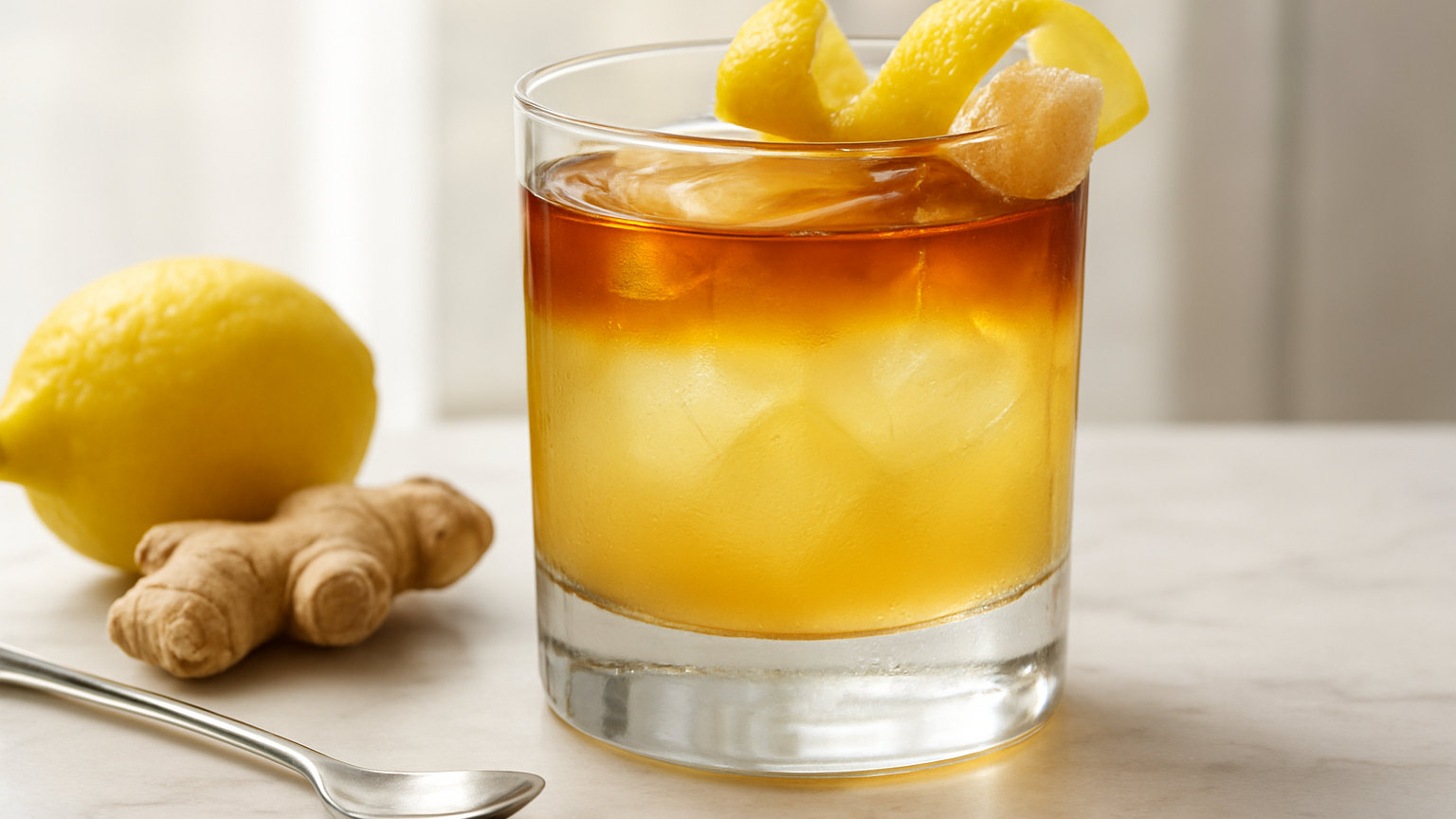
Scotch, lemon, honey and ginger with a float of smoky Islay whisky on top. The float is the whole idea, and it demonstrates a technique worth stealing.
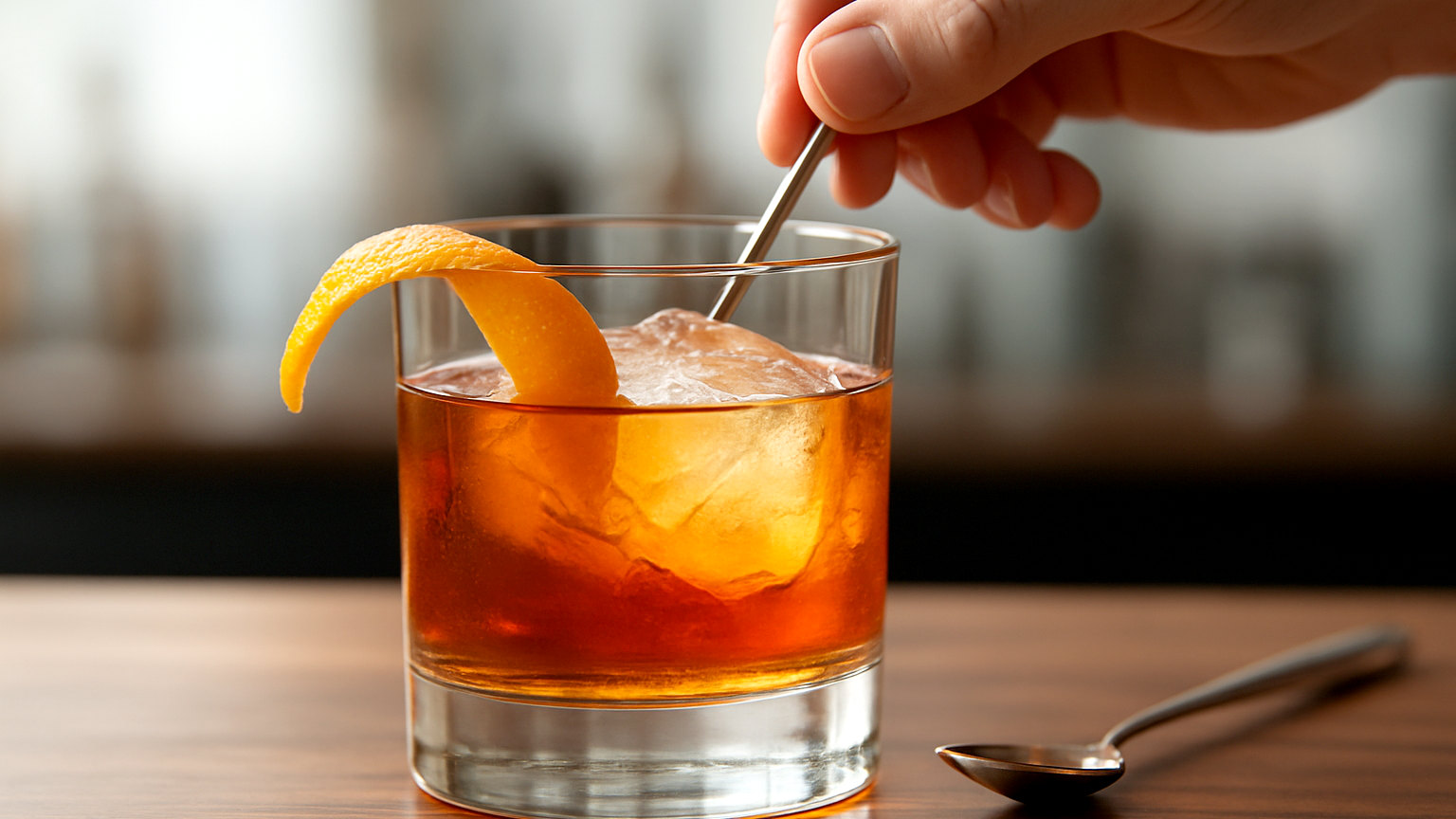
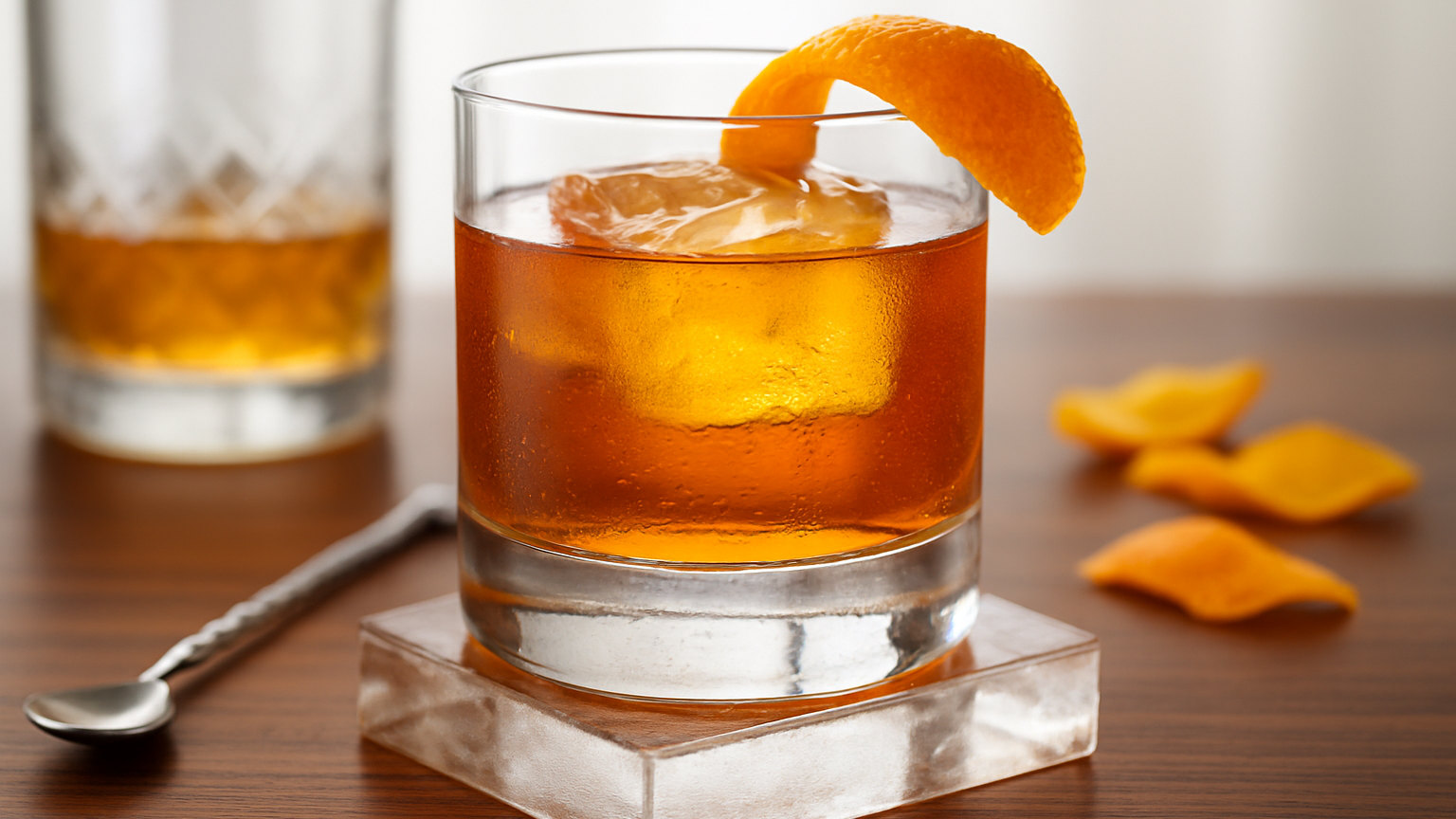
The oldest cocktail template is also the least forgiving, since it contains almost nothing to hide behind. Everything depends on dilution, ice and restraint.
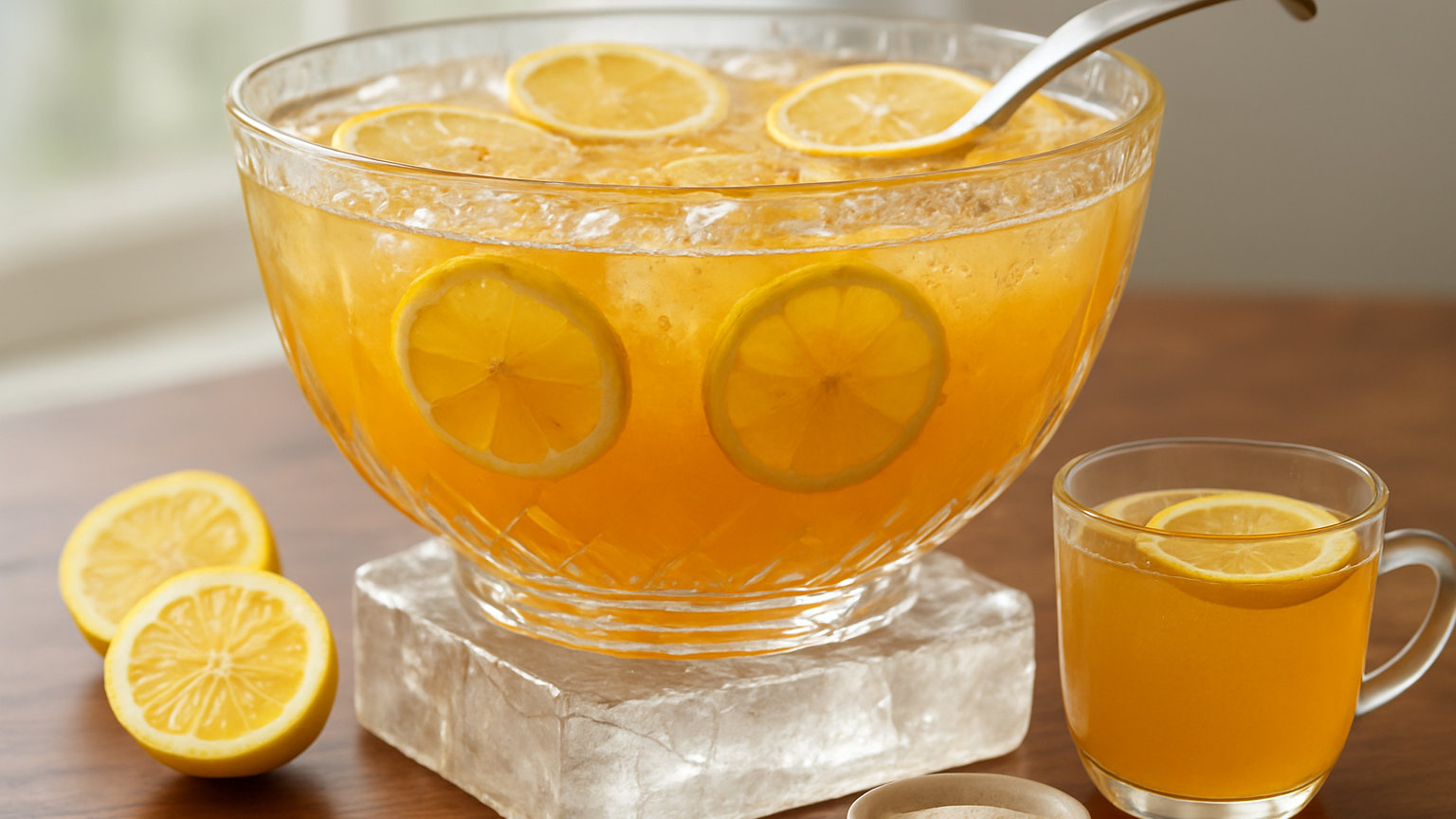
Punch predates the cocktail by more than a century and dominated British drinking for two hundred years. The formula it was built on still works.
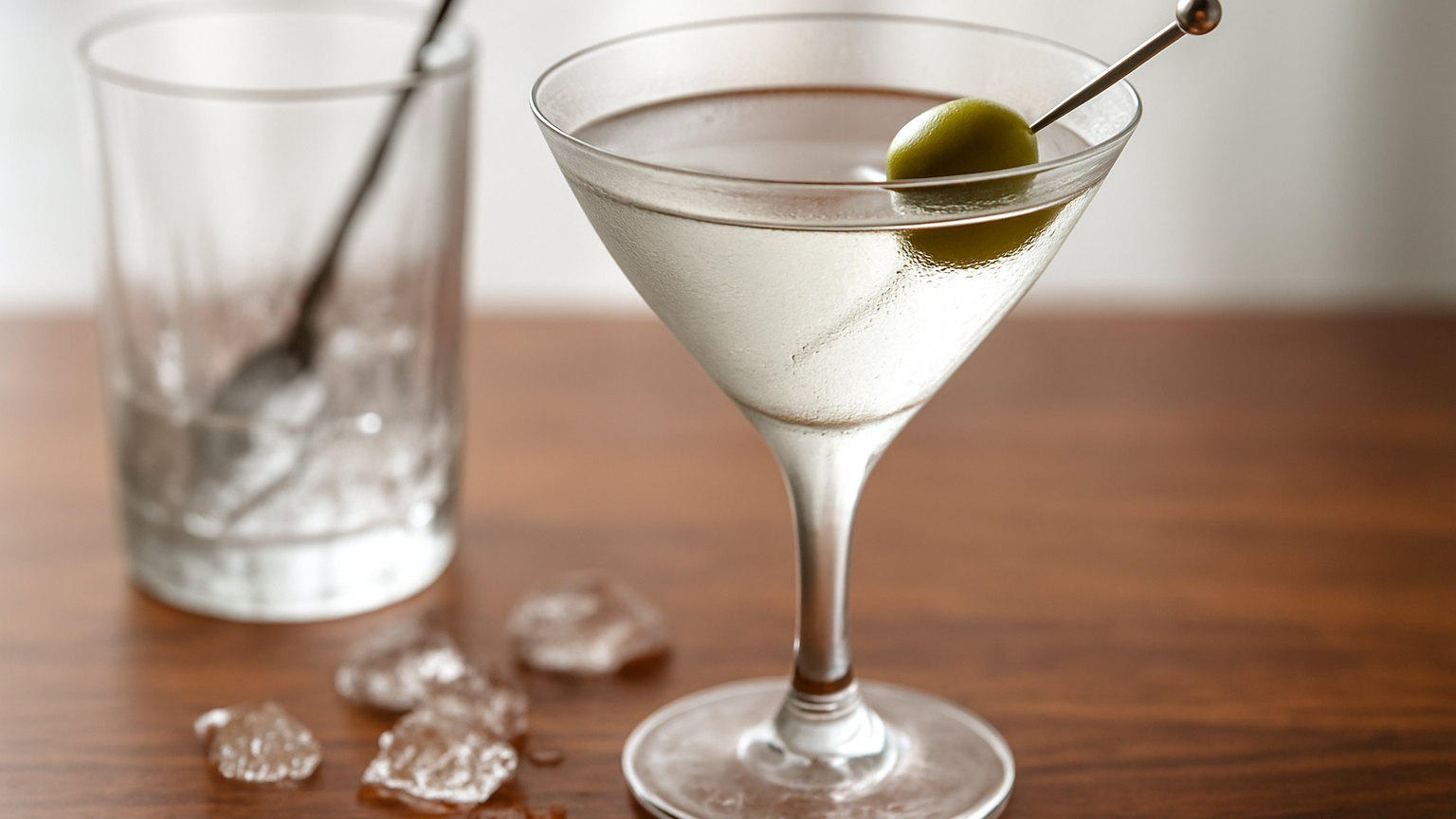
Two ingredients, no citrus, nothing to hide behind. The received wisdom that a martini should contain almost no vermouth produces cold gin rather than a cocktail.
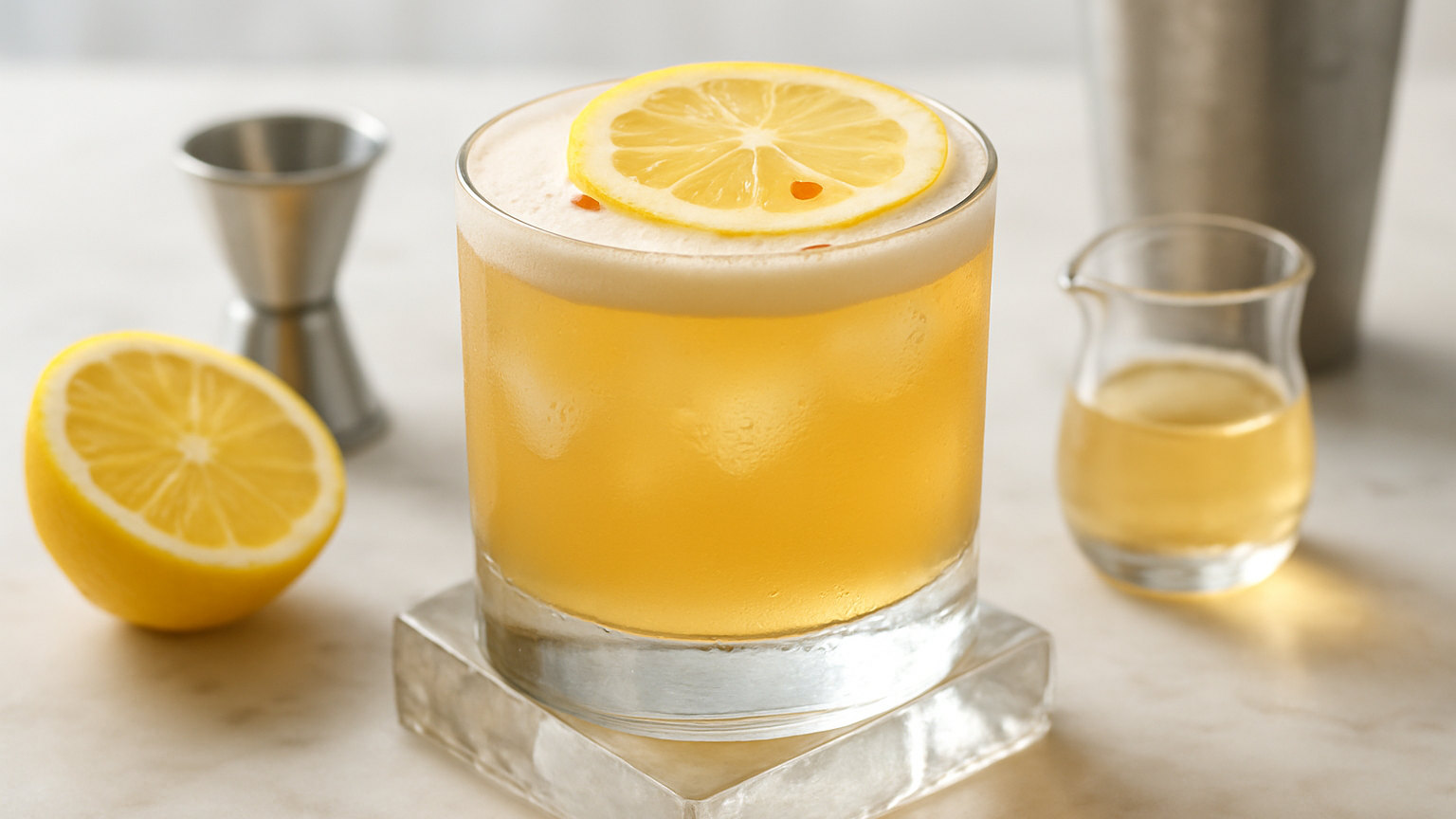
Spirit, citrus and sweetener in a fixed proportion underlies half the cocktail canon. Learning one ratio gives you a dozen drinks without learning a single further recipe.
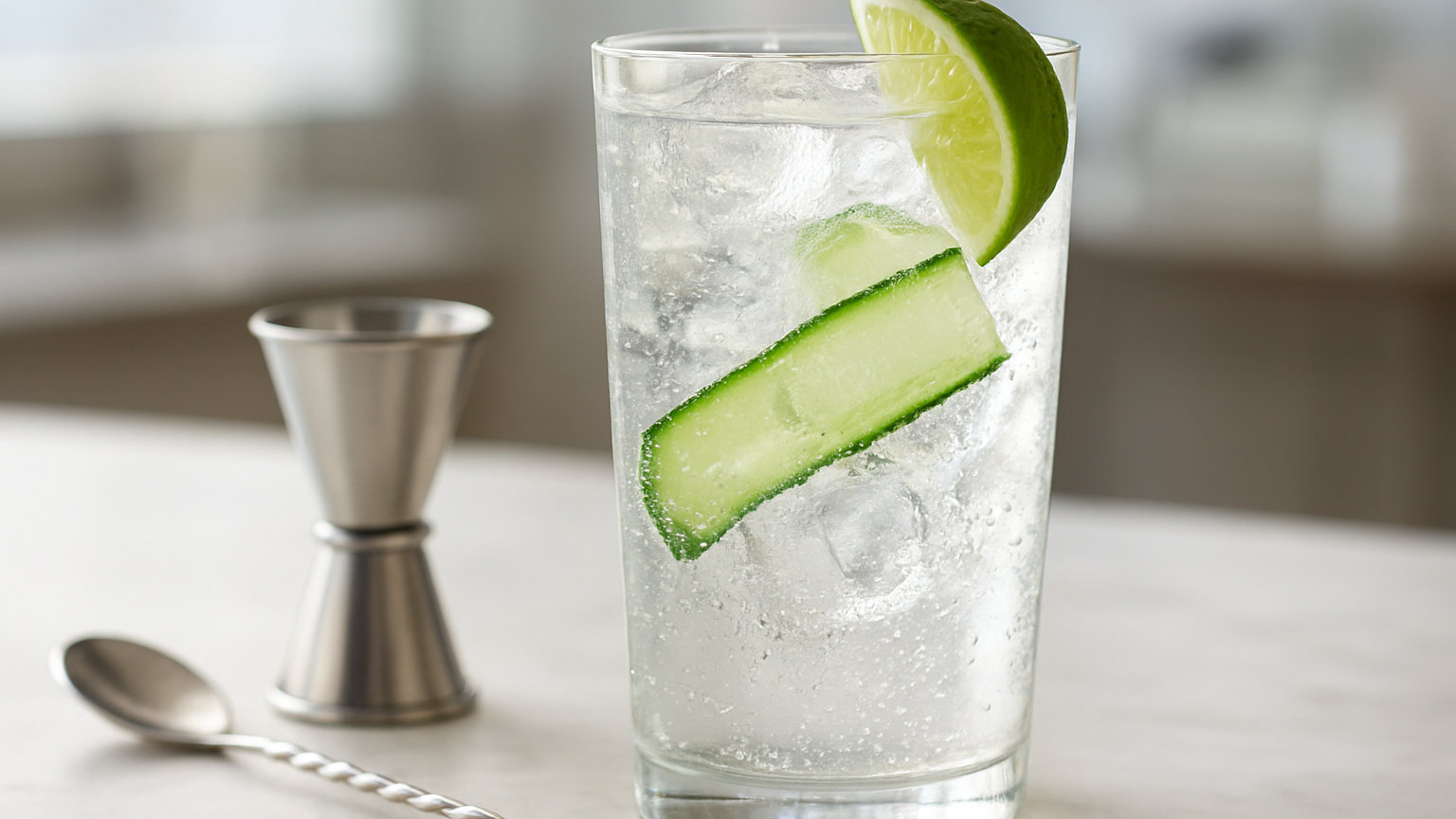
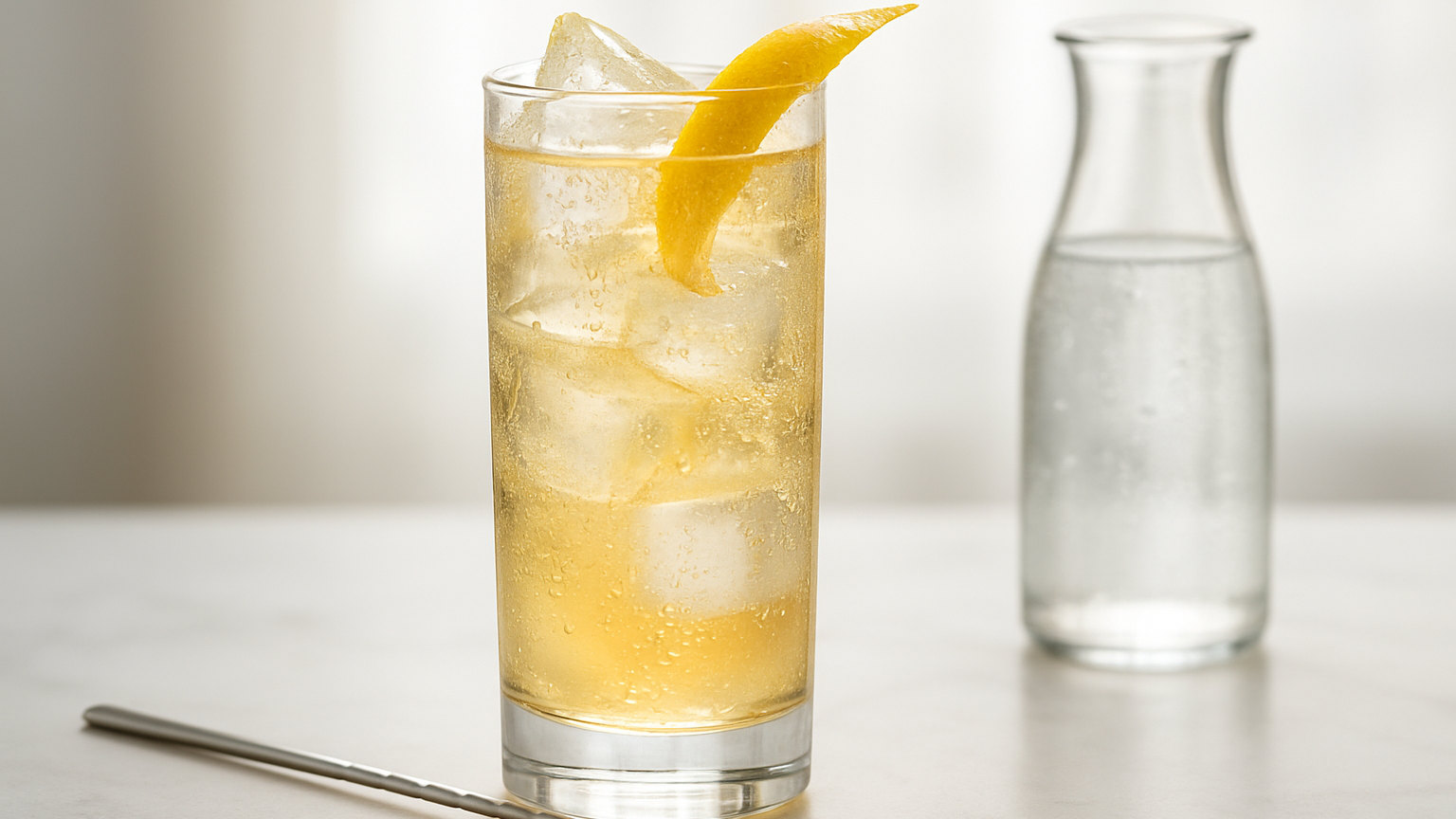
Spirit and a mixer over ice is the simplest drink there is, which is why it was dismissed for decades and why getting it right is more difficult than it looks.
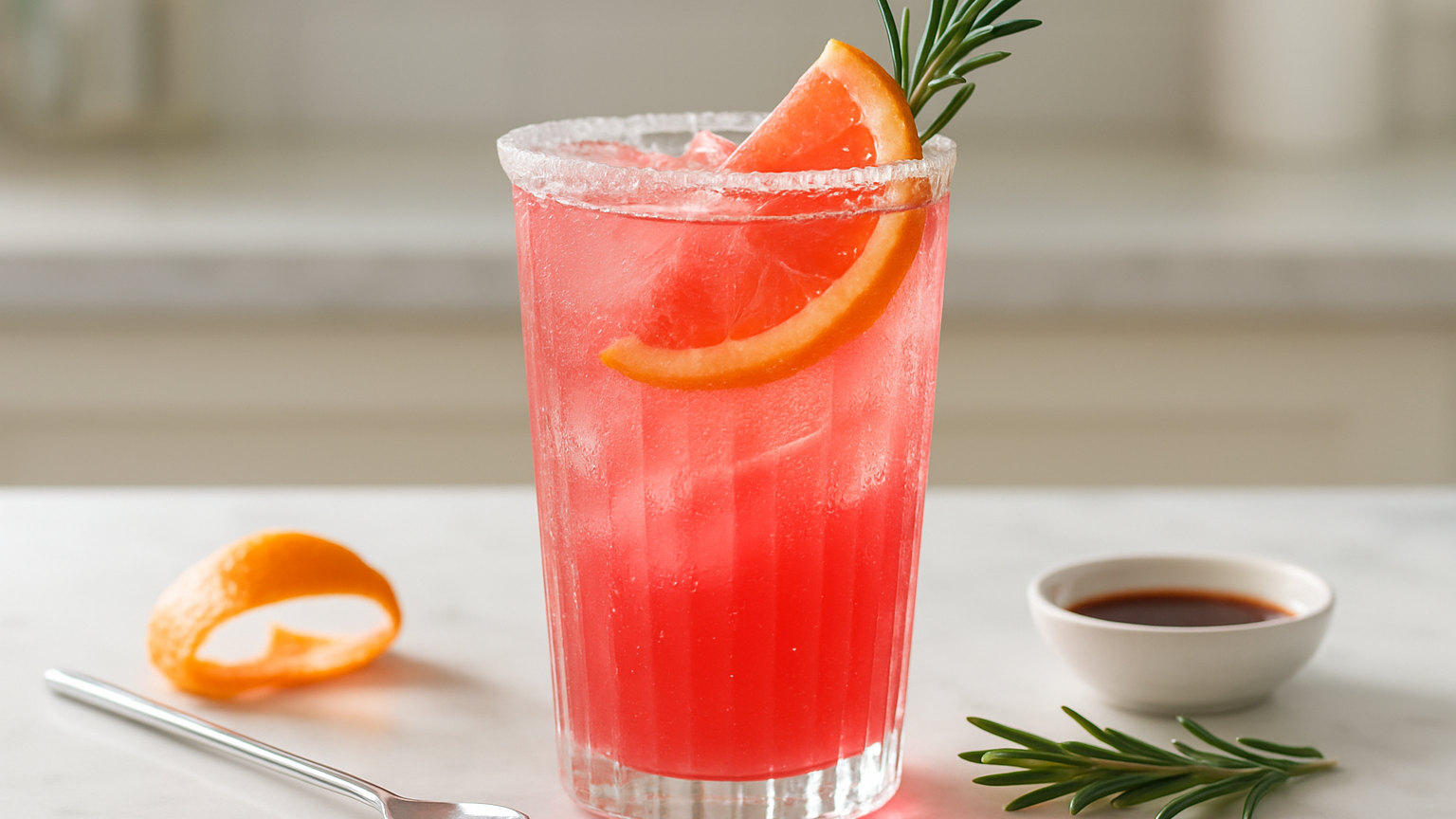
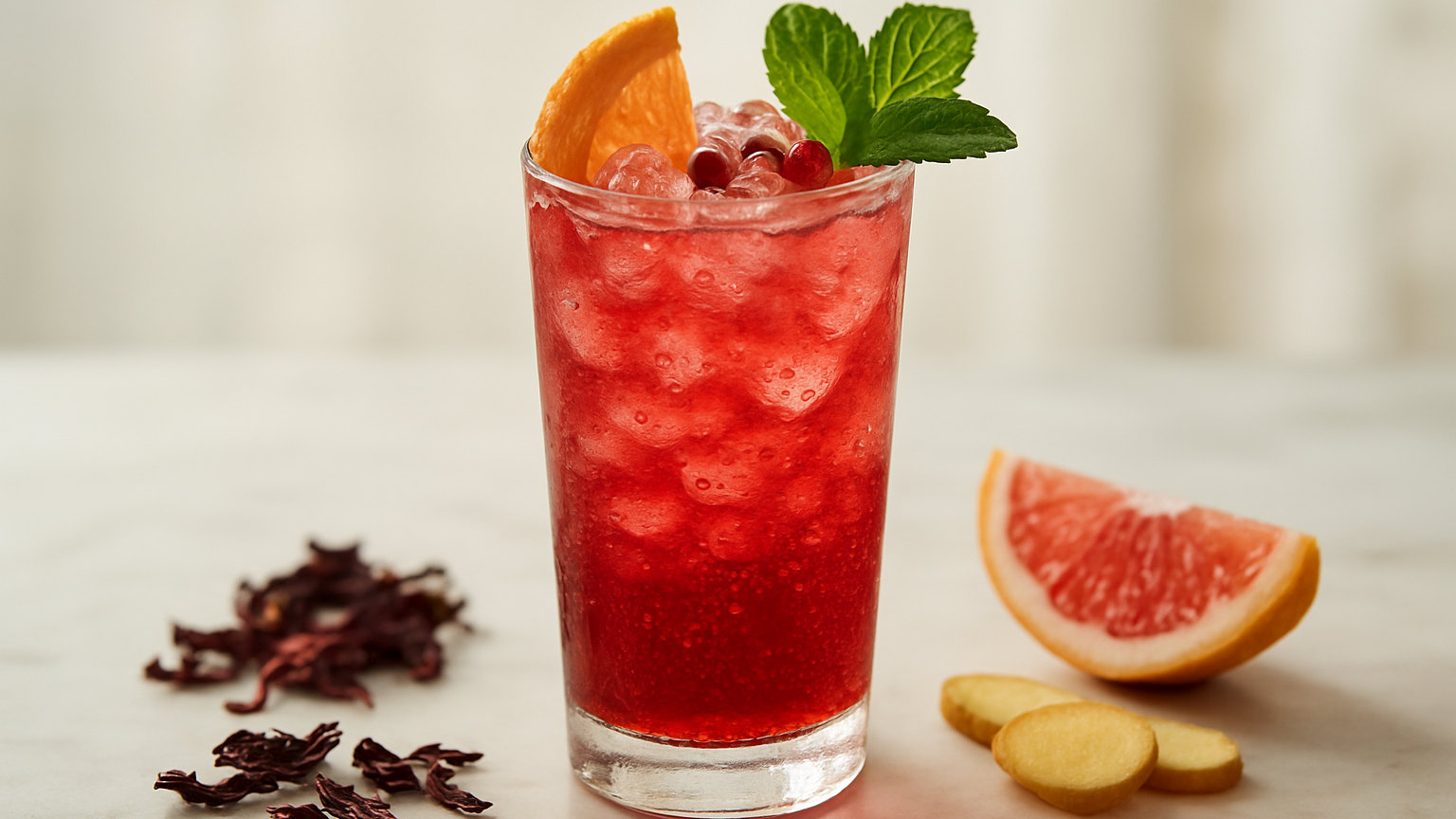
The drinks that work are not imitations of cocktails with the spirit left out. They are built from ingredients that carry flavour on their own account.
A small number of drinks invented since the 1980s have entered the standard repertoire, and they share the same qualities as the older classics rather than breaking from them.
A handful of drinks have survived a century and a half while thousands have disappeared, and the ones that lasted share a structure rather than an ingredient.