What Is a Collins, and How Is It Different From a Fizz?
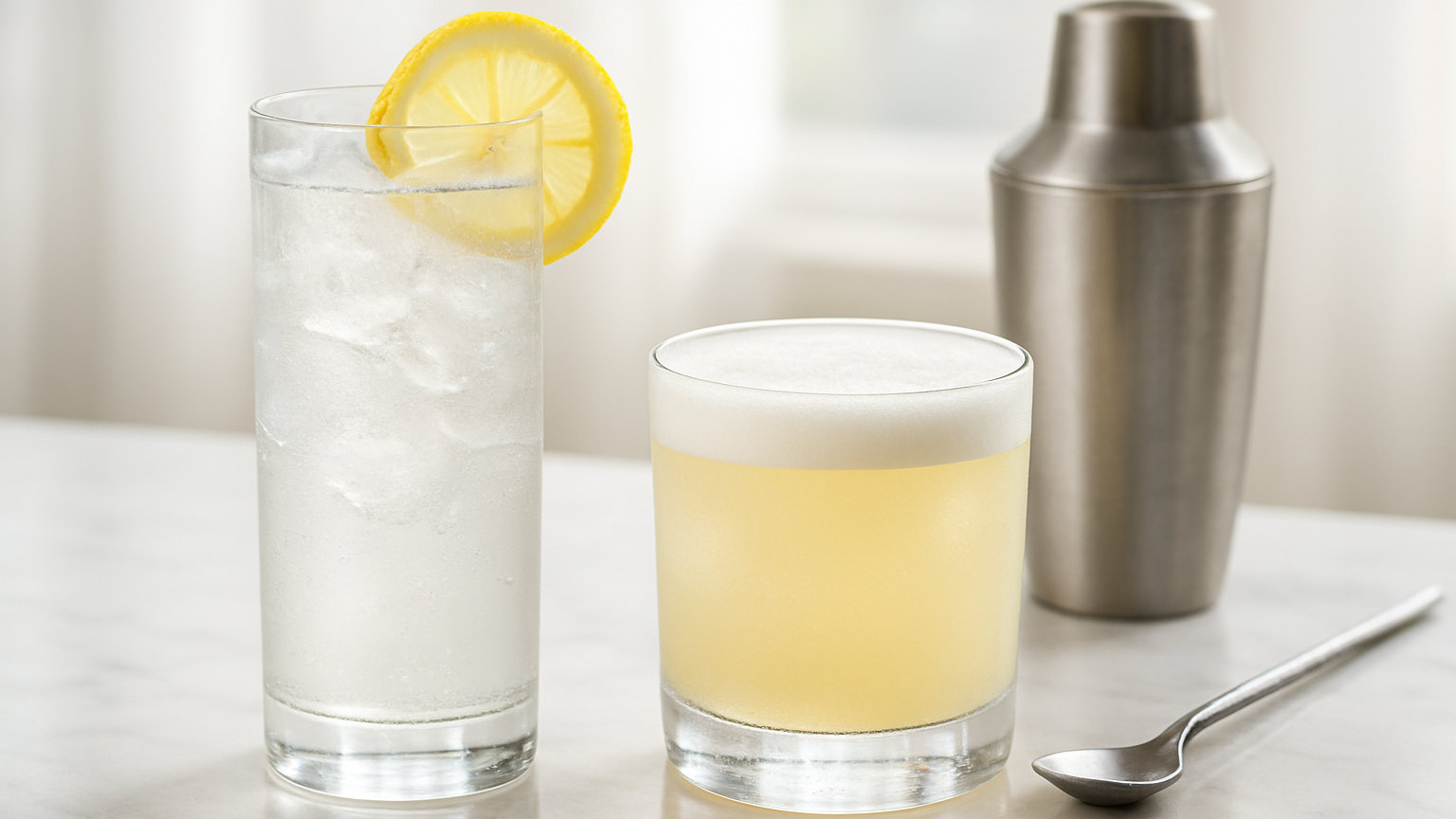
Two drinks with almost identical ingredients and different construction. One is built long over ice, the other is shaken and served short, and the results are not the same.
Every recipe here is given in both ounces and millilitres, because a jigger marked one way and a recipe written the other is how good drinks get ruined. These guides cover the classics worth learning, the handful of templates that most cocktails are built on, and non-alcoholic drinks that are properly made rather than an afterthought.
Two drinks with almost identical ingredients and different construction. One is built long over ice, the other is shaken and served short, and the results are not the same.
The pre-dinner drink is the easiest one to replace, because the qualities that make an aperitif work are bitterness and acidity rather than alcohol.
Making cocktails in advance is the single most useful thing a home host can learn, and the part everyone gets wrong is the water.
The only savoury drink in the classic canon, and the one where the recipe is least fixed. Getting it right is a matter of seasoning rather than of following a formula.
The bowl needs to work as a piece of equipment rather than a centrepiece, and a few decisions made beforehand determine whether the evening runs smoothly.
Scotch has a reputation as difficult to mix, and most of the difficulty comes from choosing the wrong bottle rather than from anything inherent to the spirit.
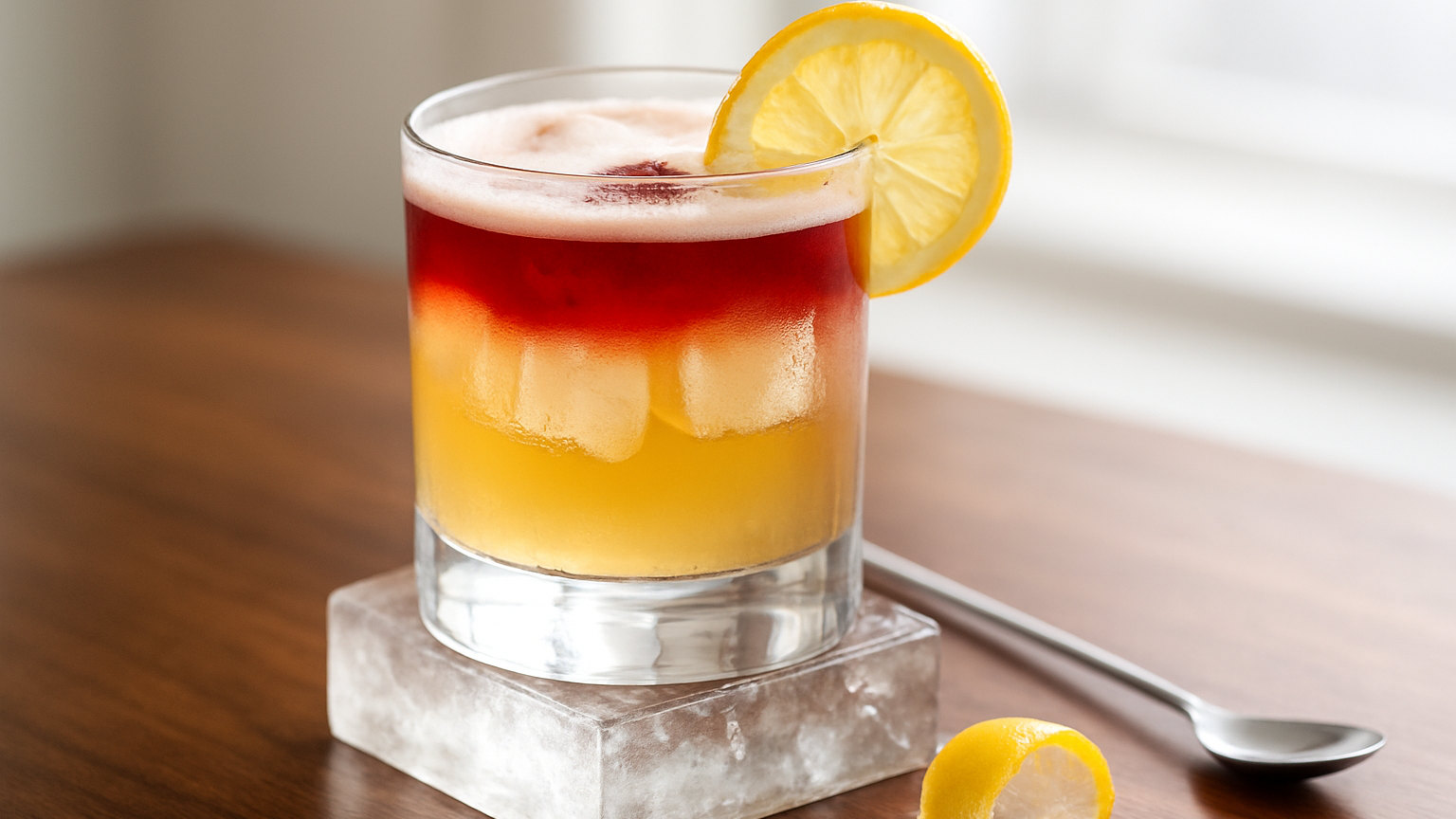
A whiskey sour with red wine floated on top, which looks like a trick and is a genuine improvement. The physics of why it stays put are straightforward.
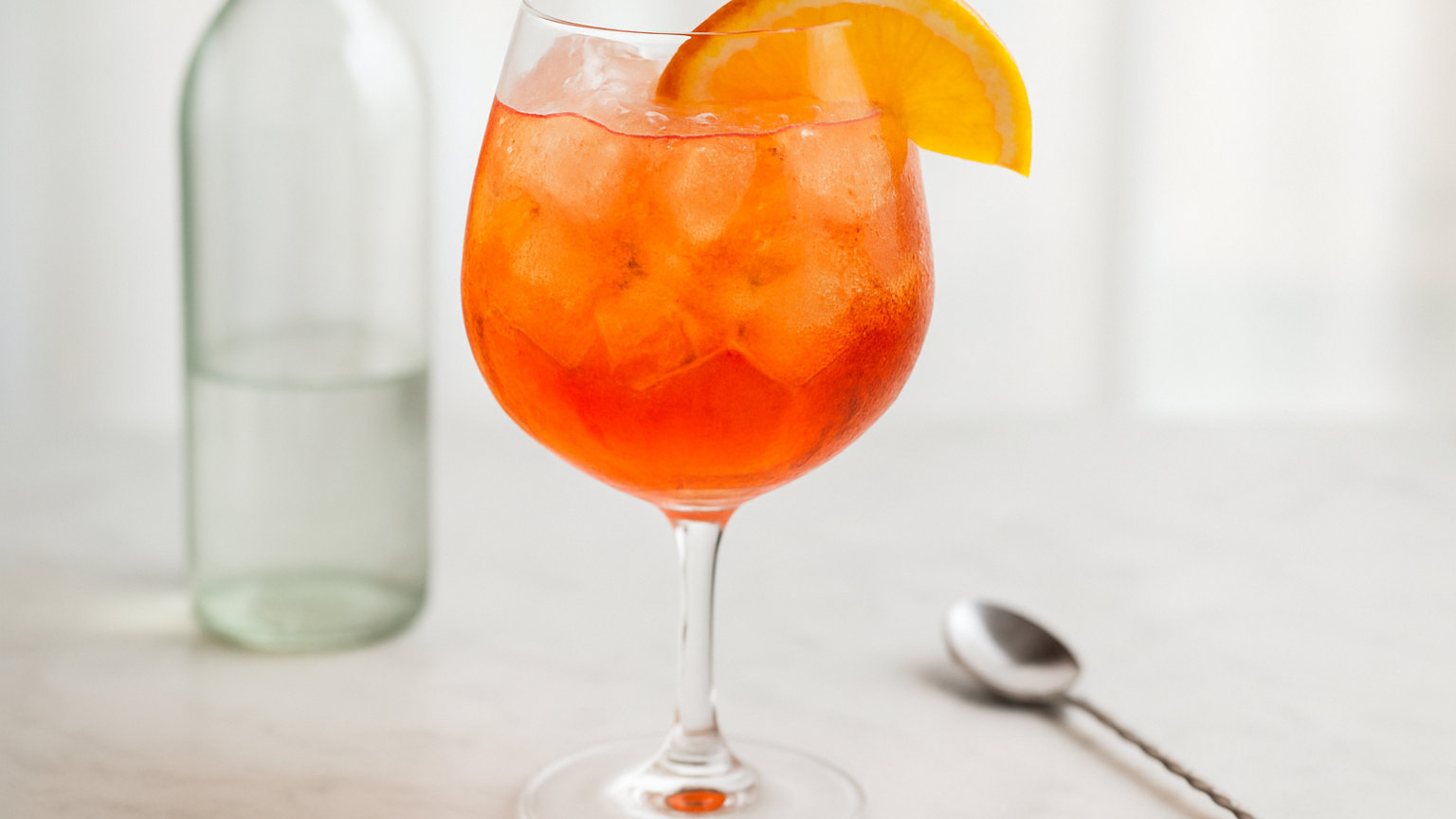
Three parts wine, two parts bitter, one part soda over a great deal of ice. It is the most useful low-strength drink there is and the easiest to make badly.
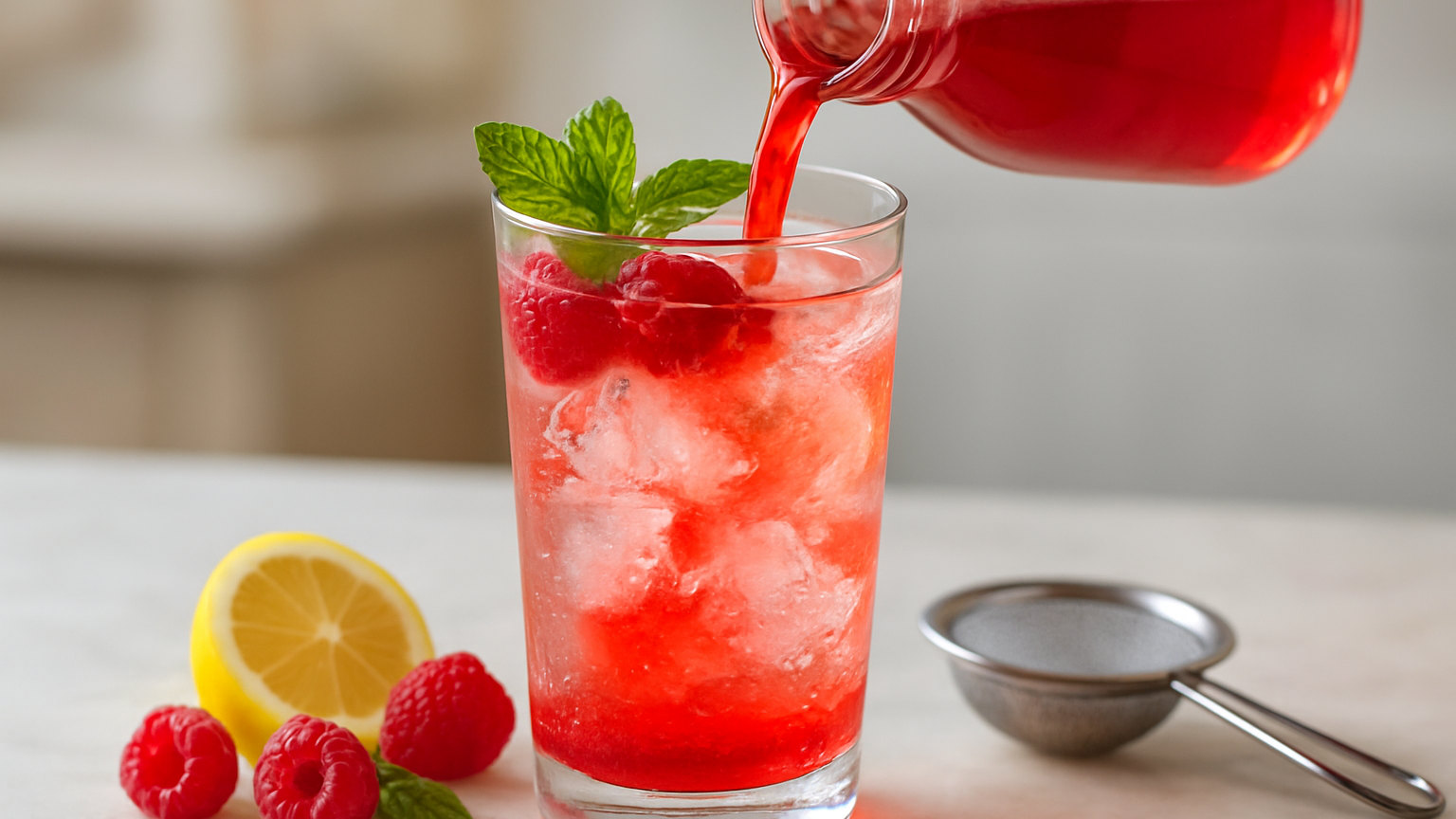
A jar of home-made syrup does more for non-alcoholic drinks than any bottle you can buy, and most of them take fifteen minutes and cost almost nothing.
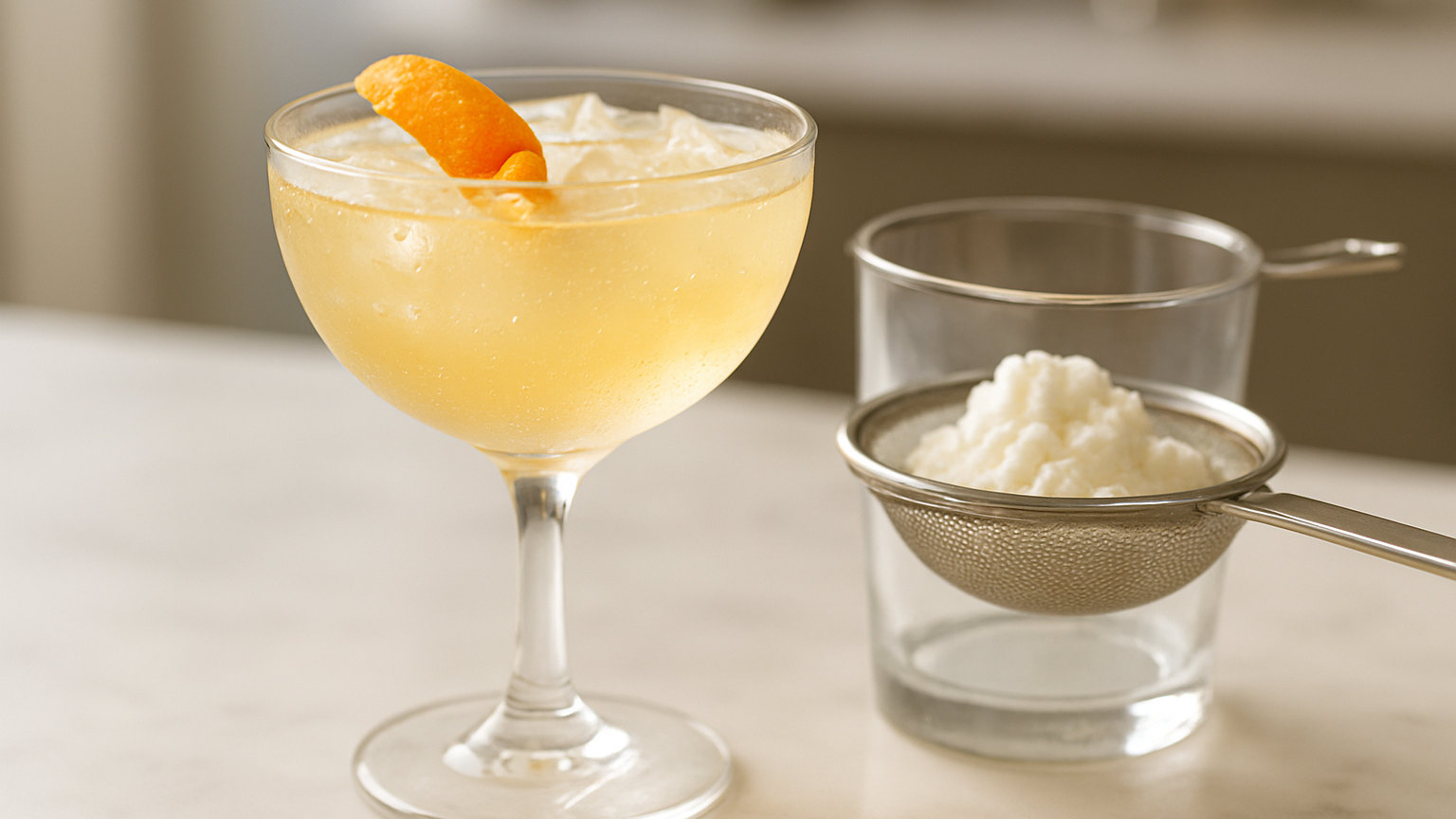
Removing the solids from a drink changes its texture, extends its life and makes it possible to carbonate. The oldest method involves curdling milk on purpose.
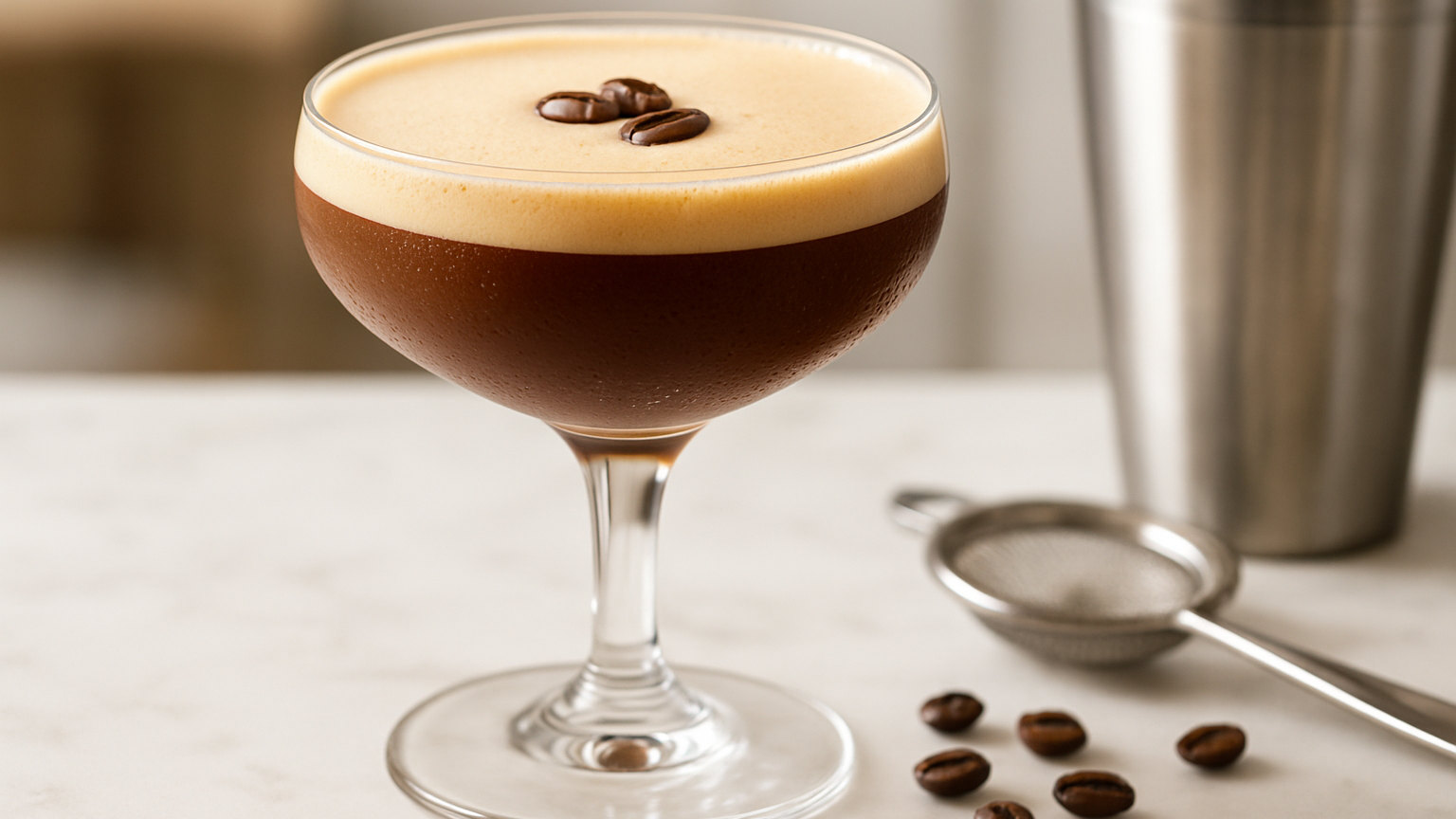
A drink invented in a London bar in the 1980s has become one of the most ordered cocktails in Britain, and the reason it works is a piece of physics rather than fashion.
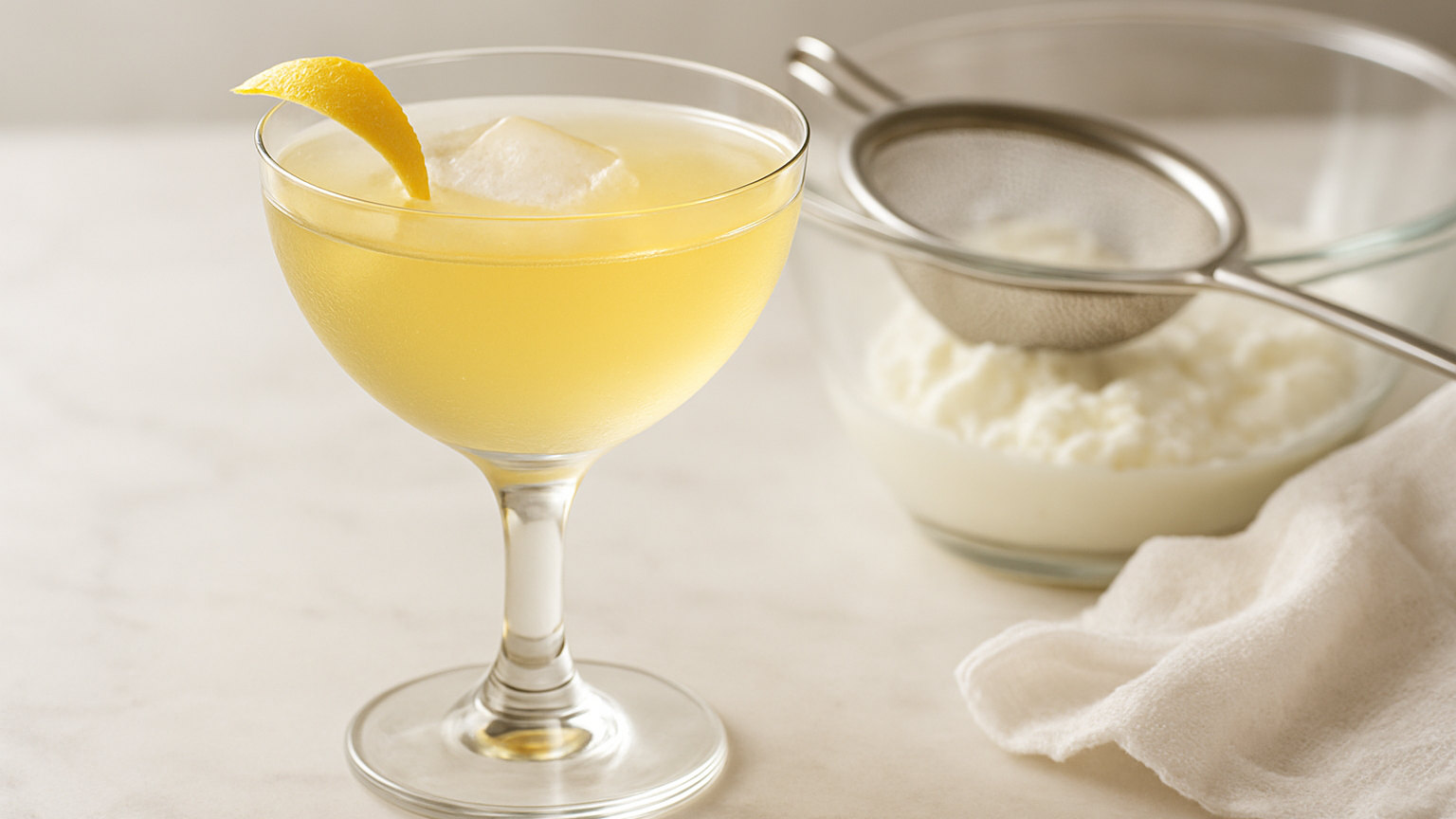
Deliberately curdling milk into a punch and filtering it out produces a clear drink that keeps for months. It is eighteenth century technology and it works remarkably well.