How Long Do Batched Cocktails Keep?
The answer ranges from a few hours to indefinitely, and the determining factor is whether anything in the drink is perishable rather than how strong it is.
Every recipe here is given in both ounces and millilitres, because a jigger marked one way and a recipe written the other is how good drinks get ruined. These guides cover the classics worth learning, the handful of templates that most cocktails are built on, and non-alcoholic drinks that are properly made rather than an afterthought.
The answer ranges from a few hours to indefinitely, and the determining factor is whether anything in the drink is perishable rather than how strong it is.
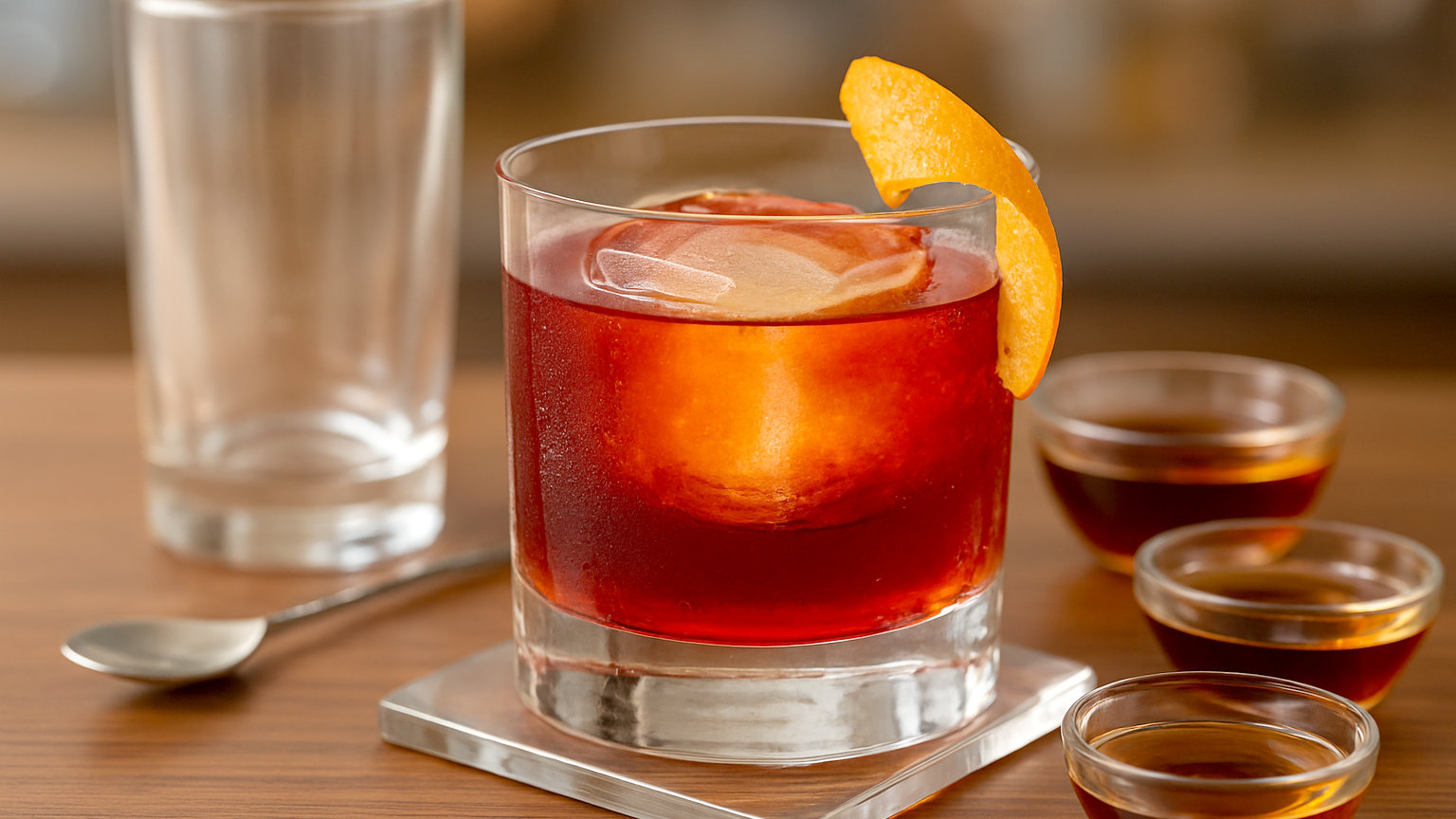
Three ingredients in equal measure makes the negroni the most substitutable drink in the canon, and a handful of the variations are better than the original.
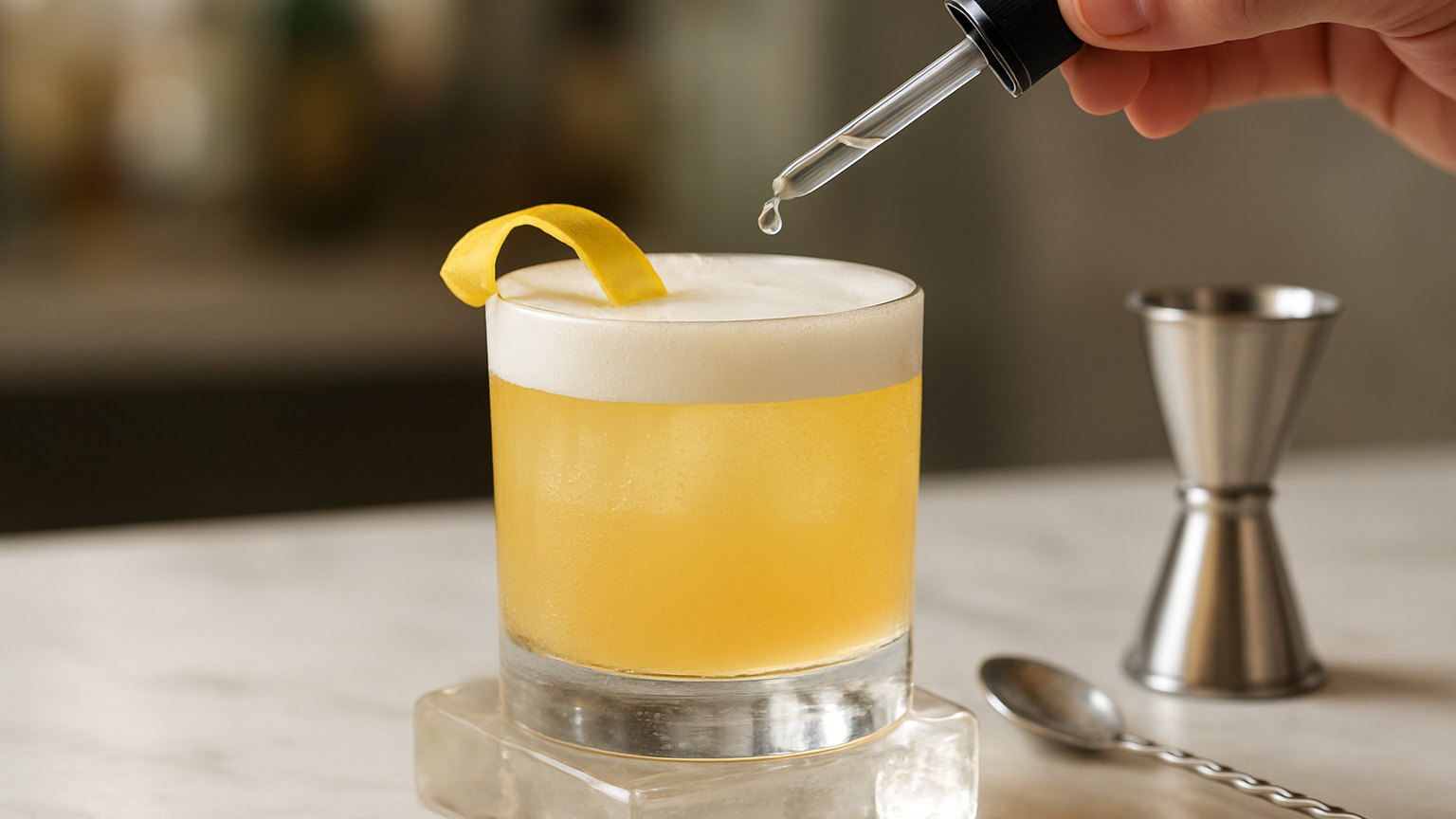
Every fault in a sour has a specific cause and a specific fix, and the most common misdiagnosis is adding sugar to a drink that actually needs water.
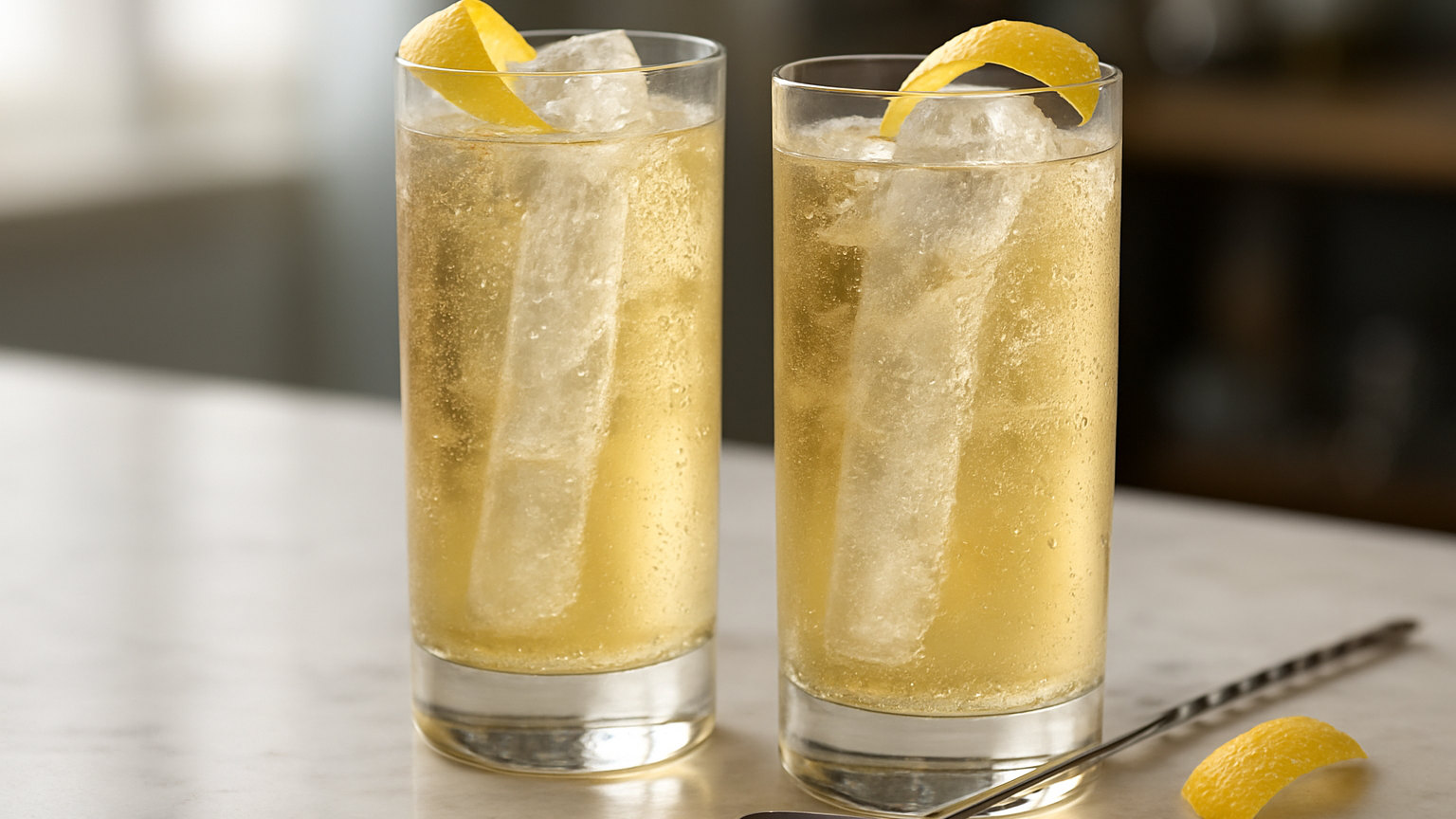
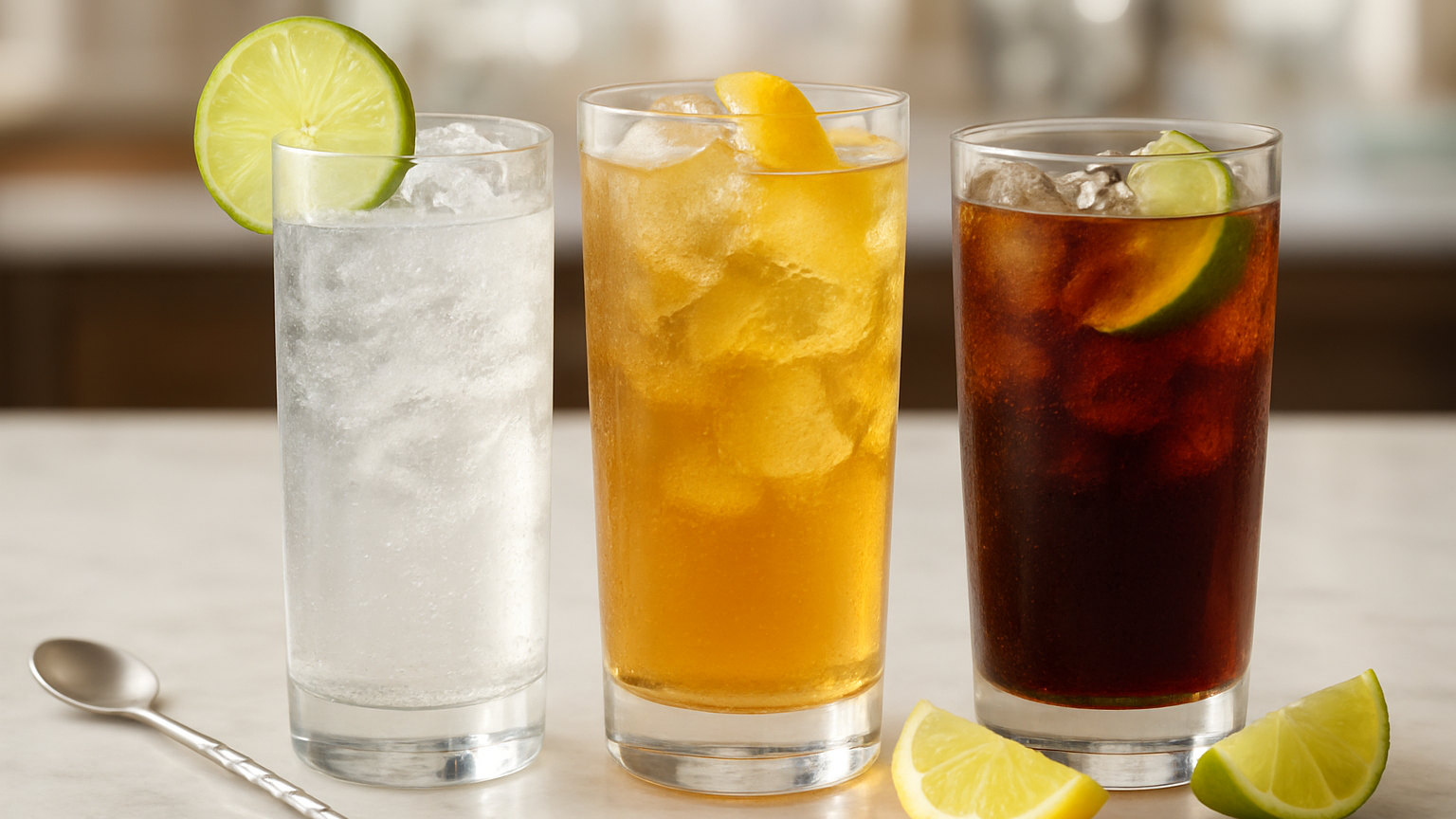
The mixer is the majority of a long drink by volume, which makes the question worth asking properly rather than assuming the answer either way.
The practical answer is a real drink made with the same attention as everyone else's, offered without comment and without asking why.
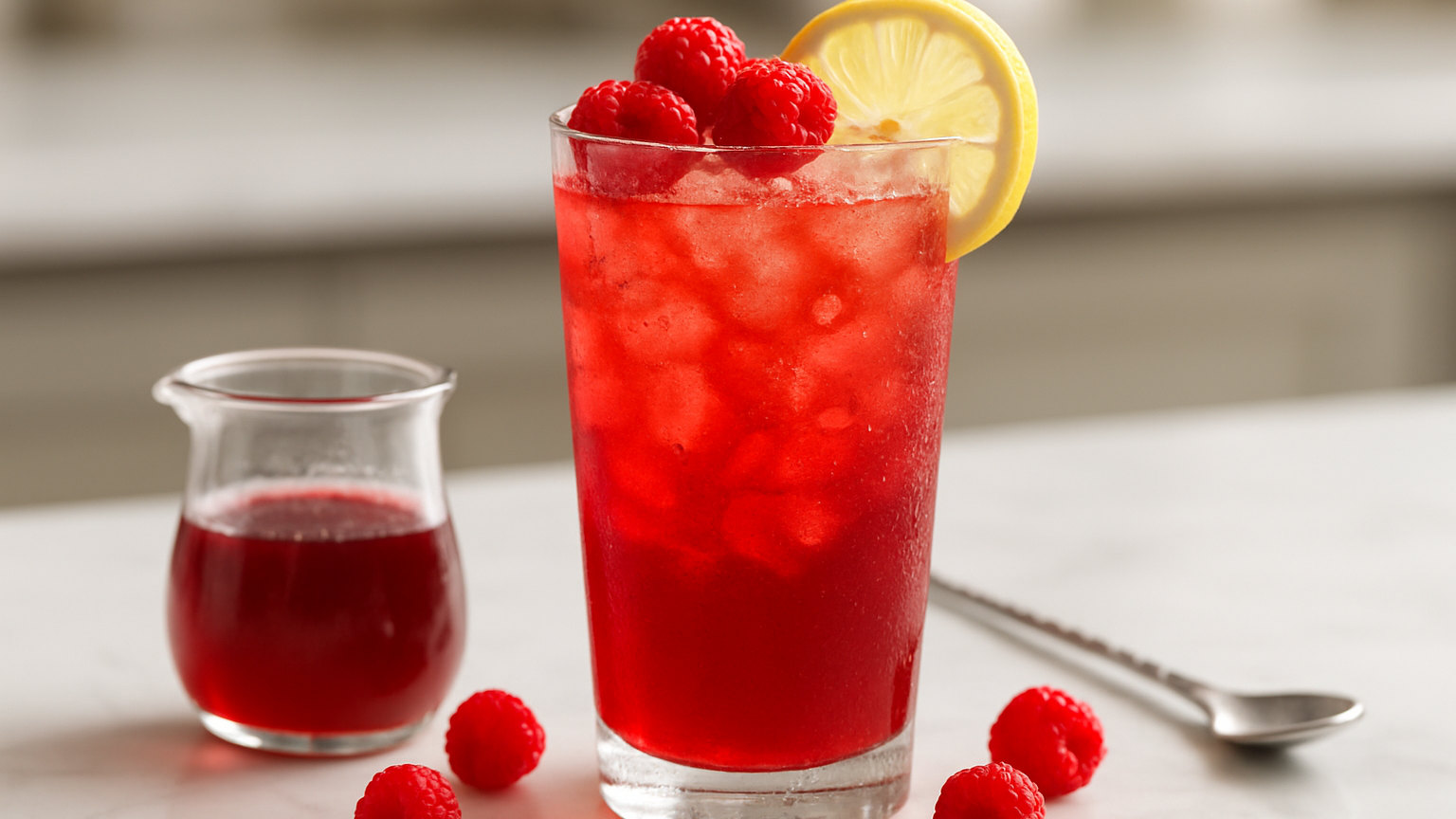
Fruit, sugar and vinegar combined into a syrup, used to bring acidity to a drink without citrus. It was a preservation method long before it was a cocktail ingredient.
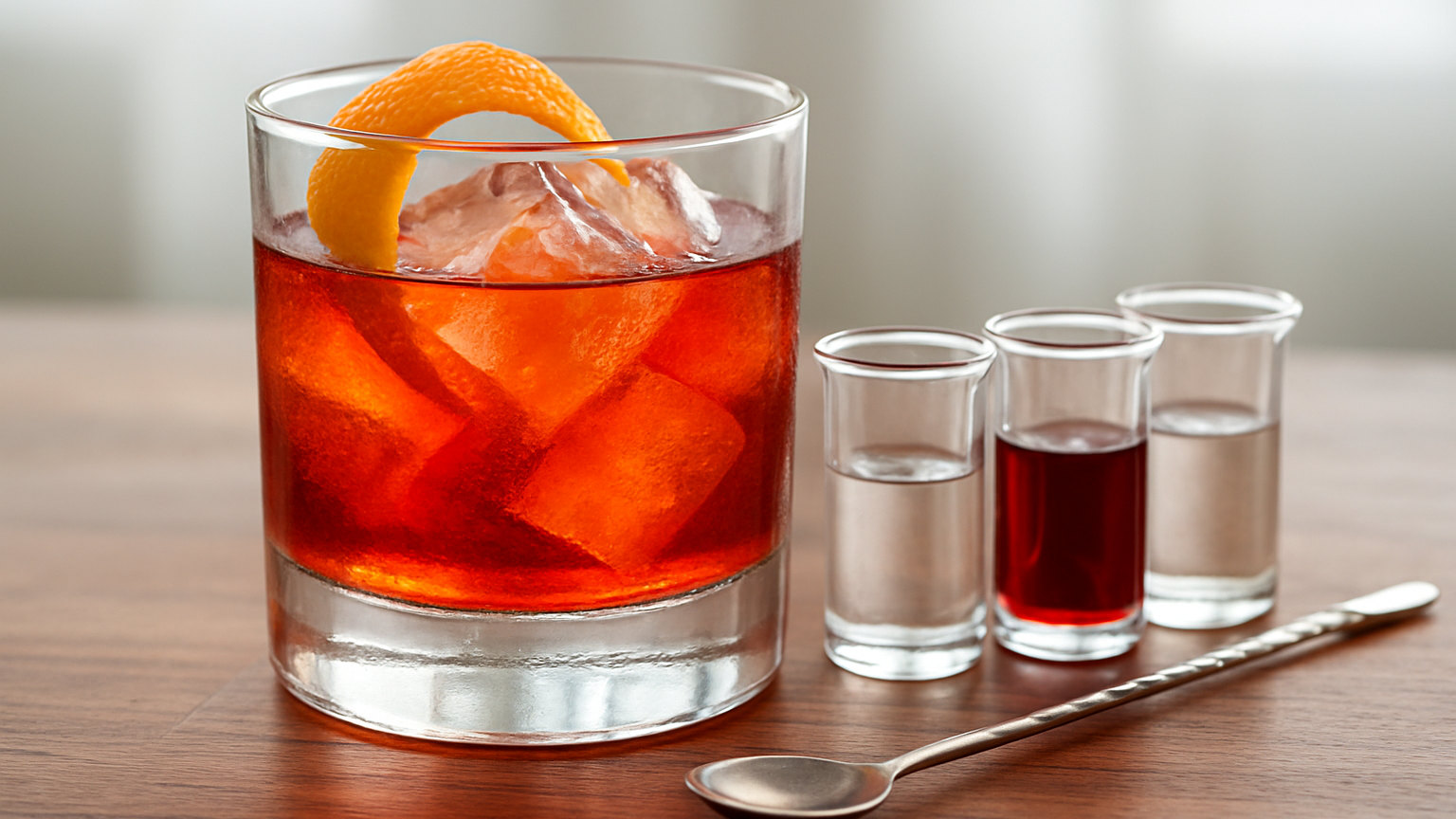
A surprising number of great cocktails use identical measures of three or four ingredients, and the reason is practical as well as structural.
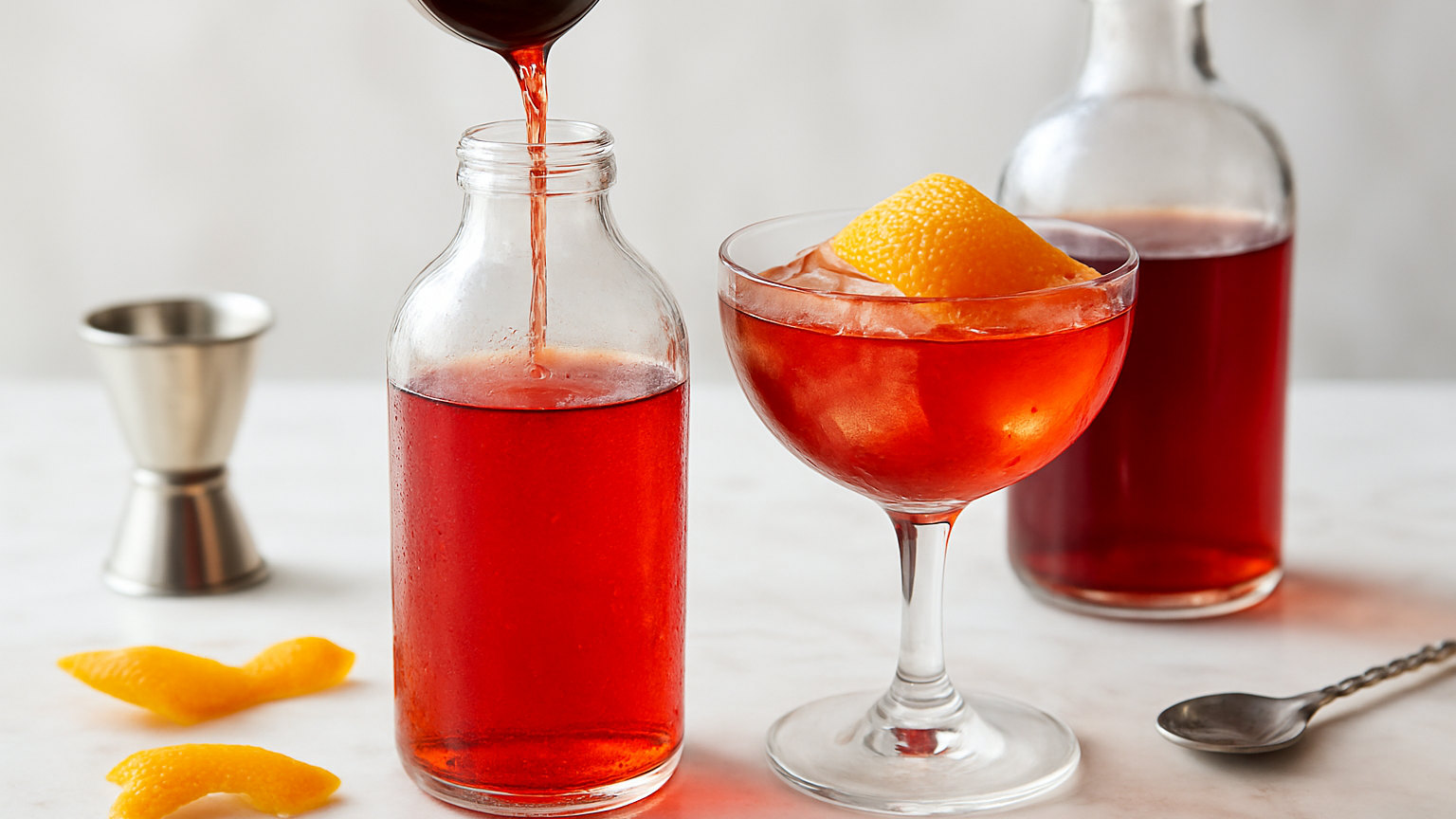
A bottled cocktail is a batch that travels, keeps and makes a good gift, and the details of bottling determine whether it is still good in a month.
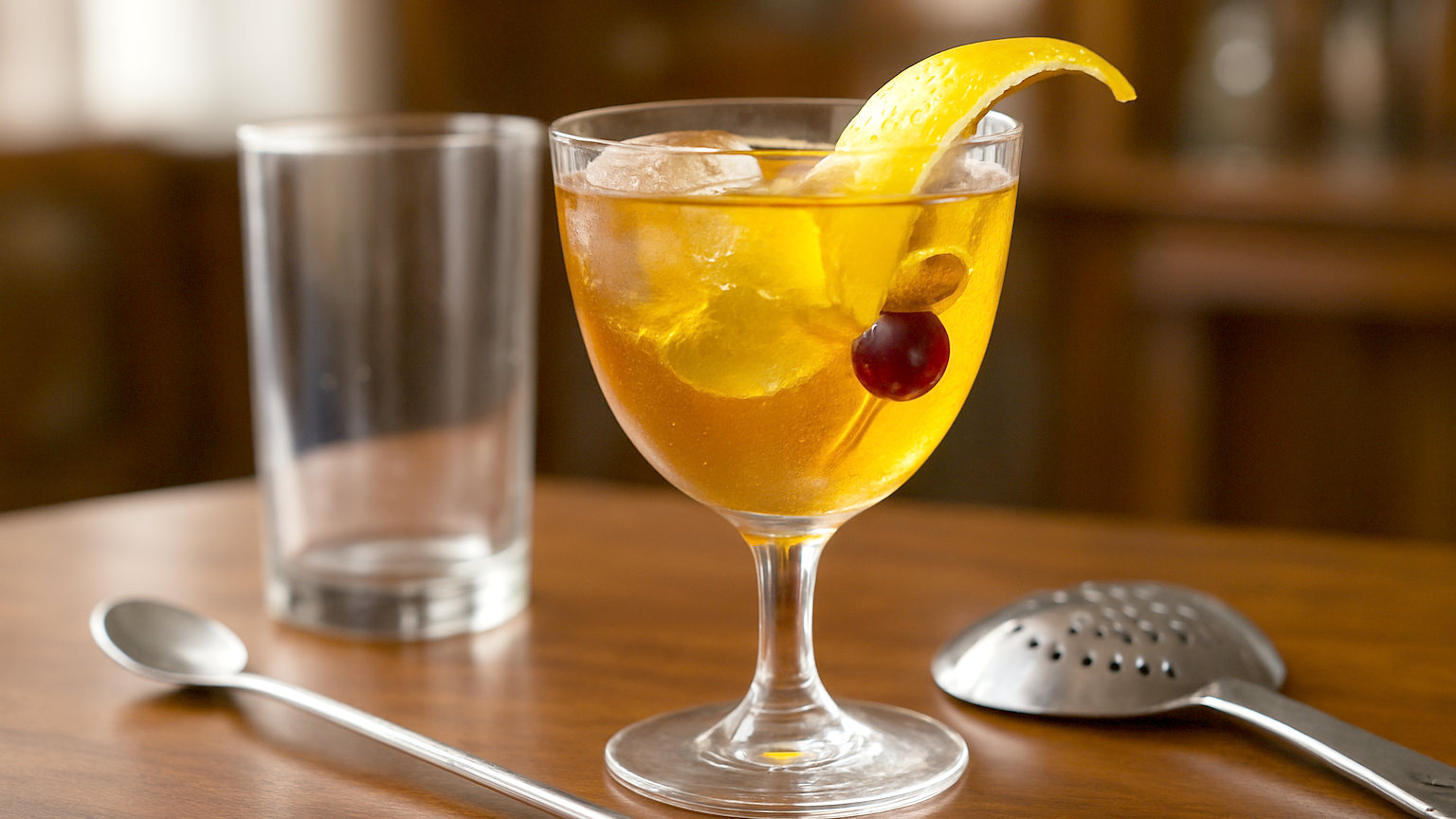
A sweeter, older drink that appears in nineteenth century books and is frequently described as the martini's ancestor. The evidence is suggestive rather than conclusive.
Two versions of the same drink taste entirely different, and the argument between them is about whether a drink should be recreated or updated.
Mixers are chosen by habit rather than by reasoning, and several conventional pairings are worse than the alternatives sitting next to them on the shelf.
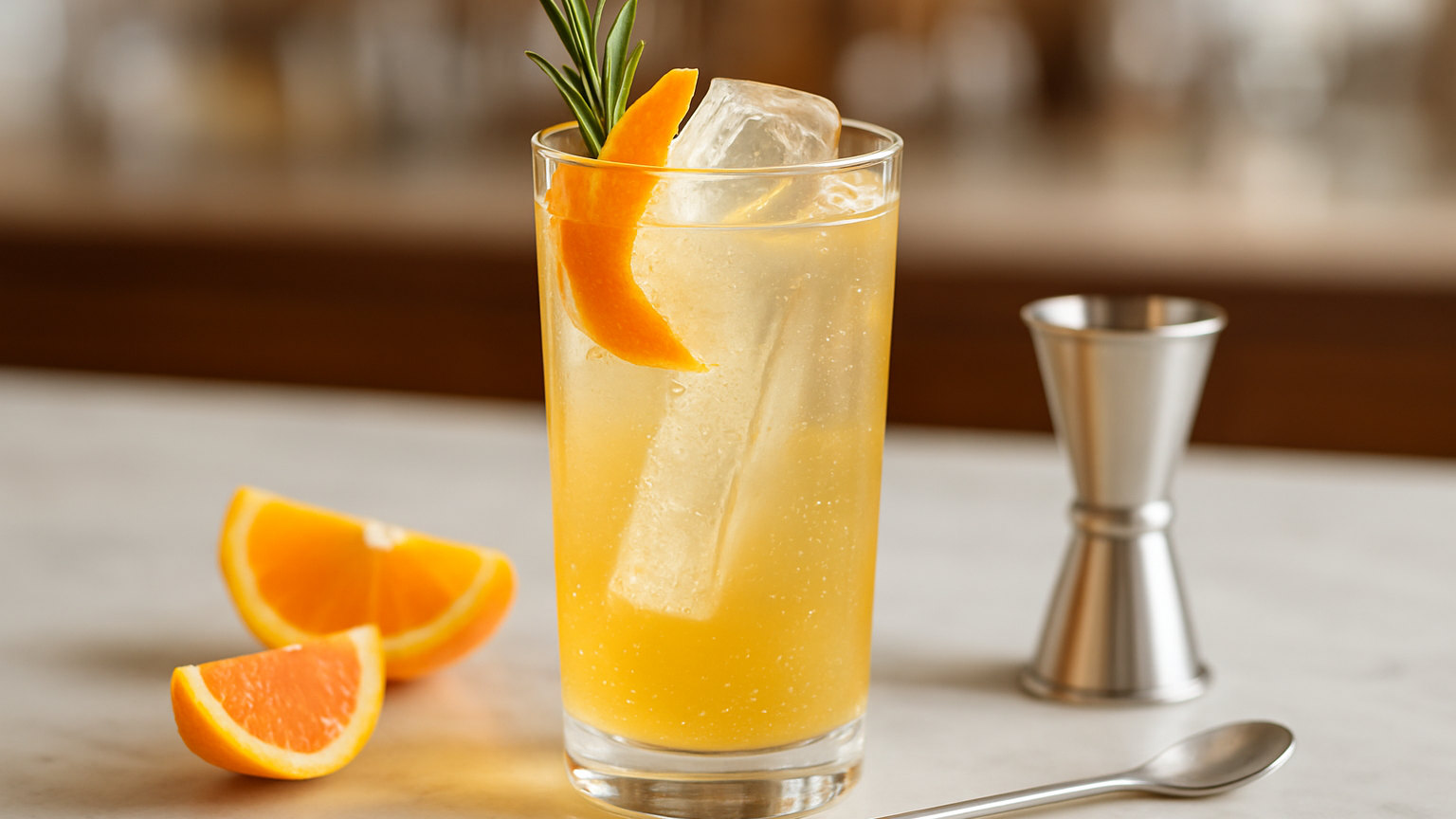
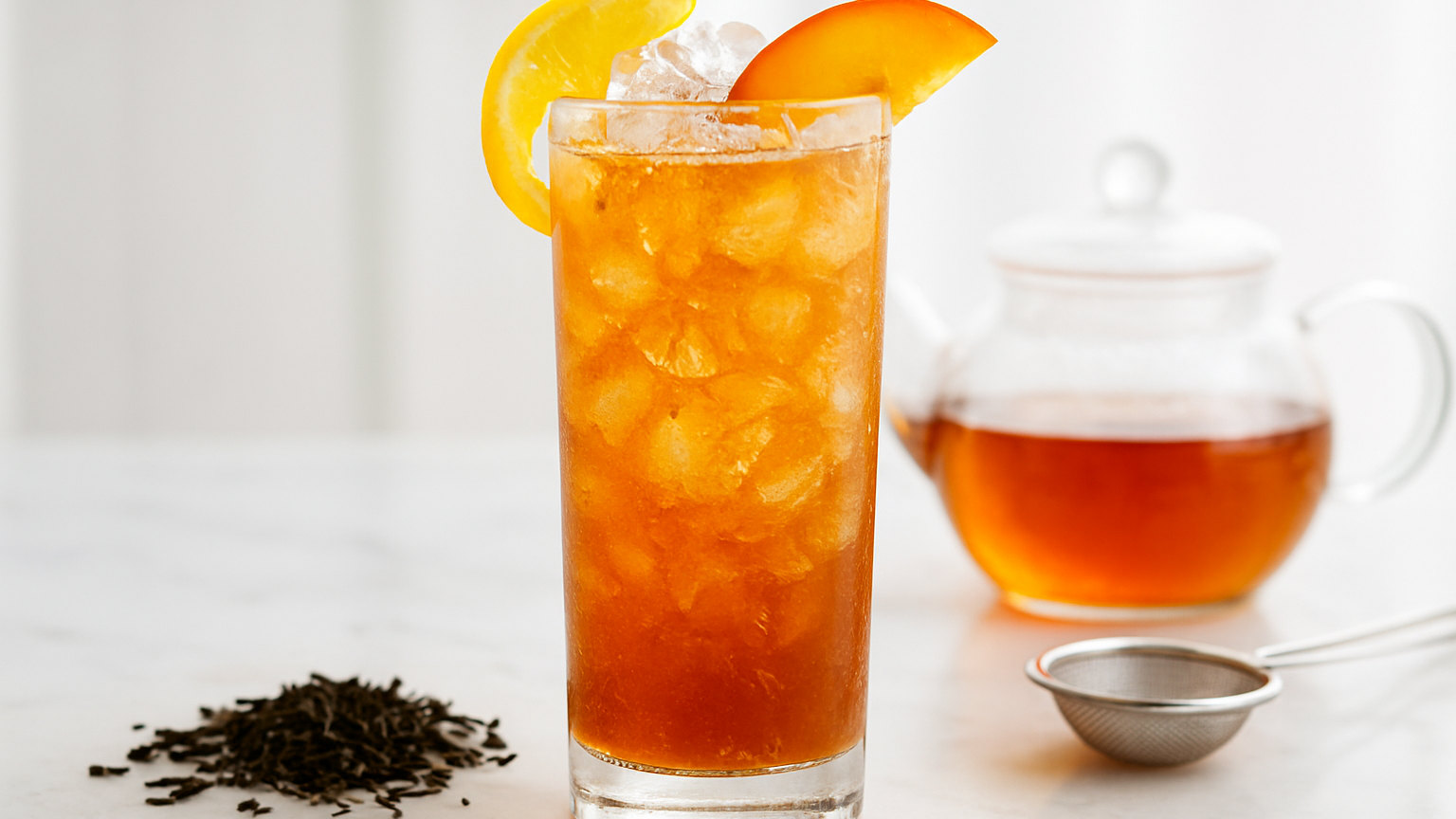
Tea is the most useful ingredient in non-alcoholic drinks because it supplies the tannin and structure that alcohol otherwise provides, and it costs almost nothing.