How Is Vodka Made, and What Is Rectification?
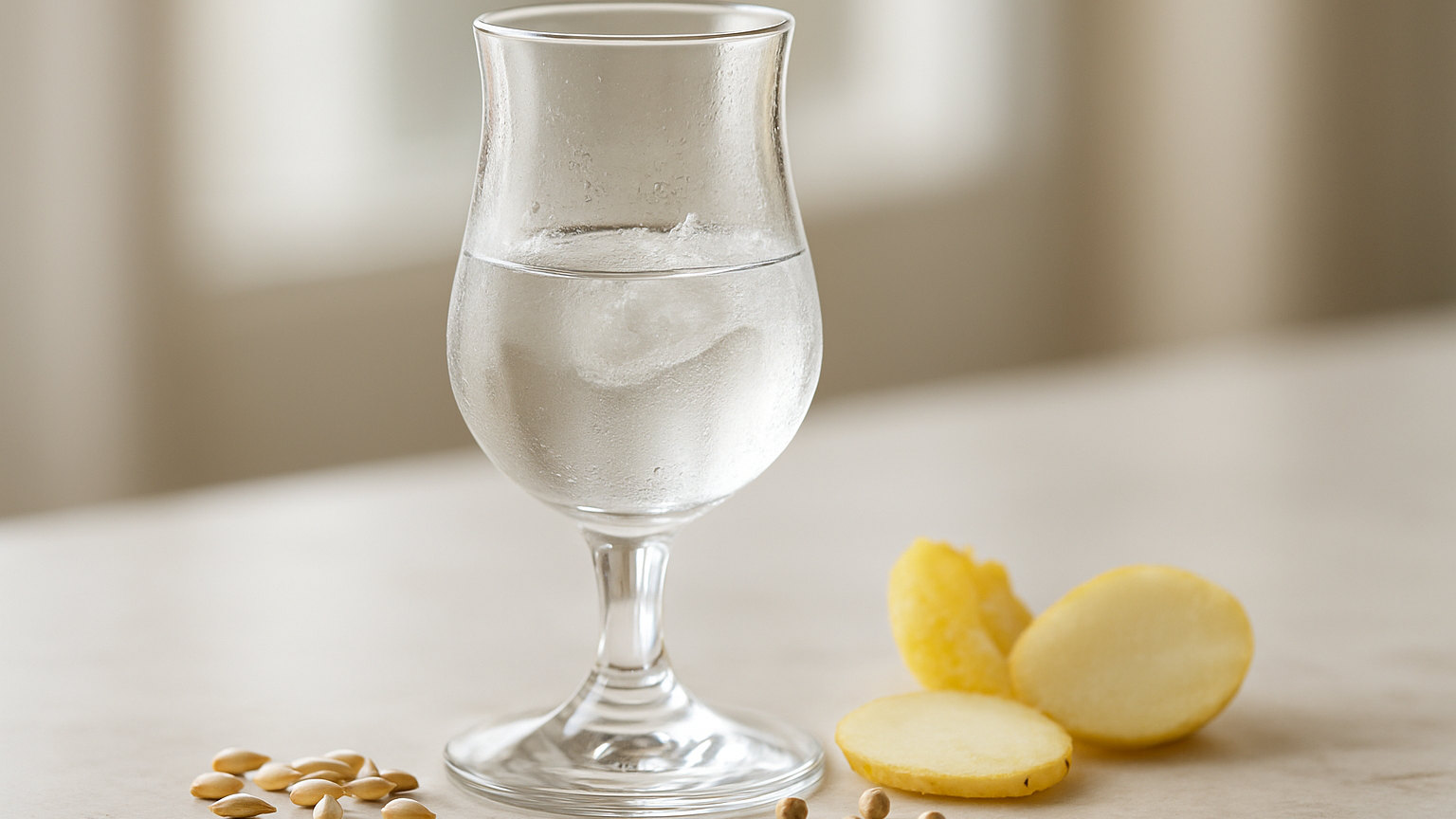
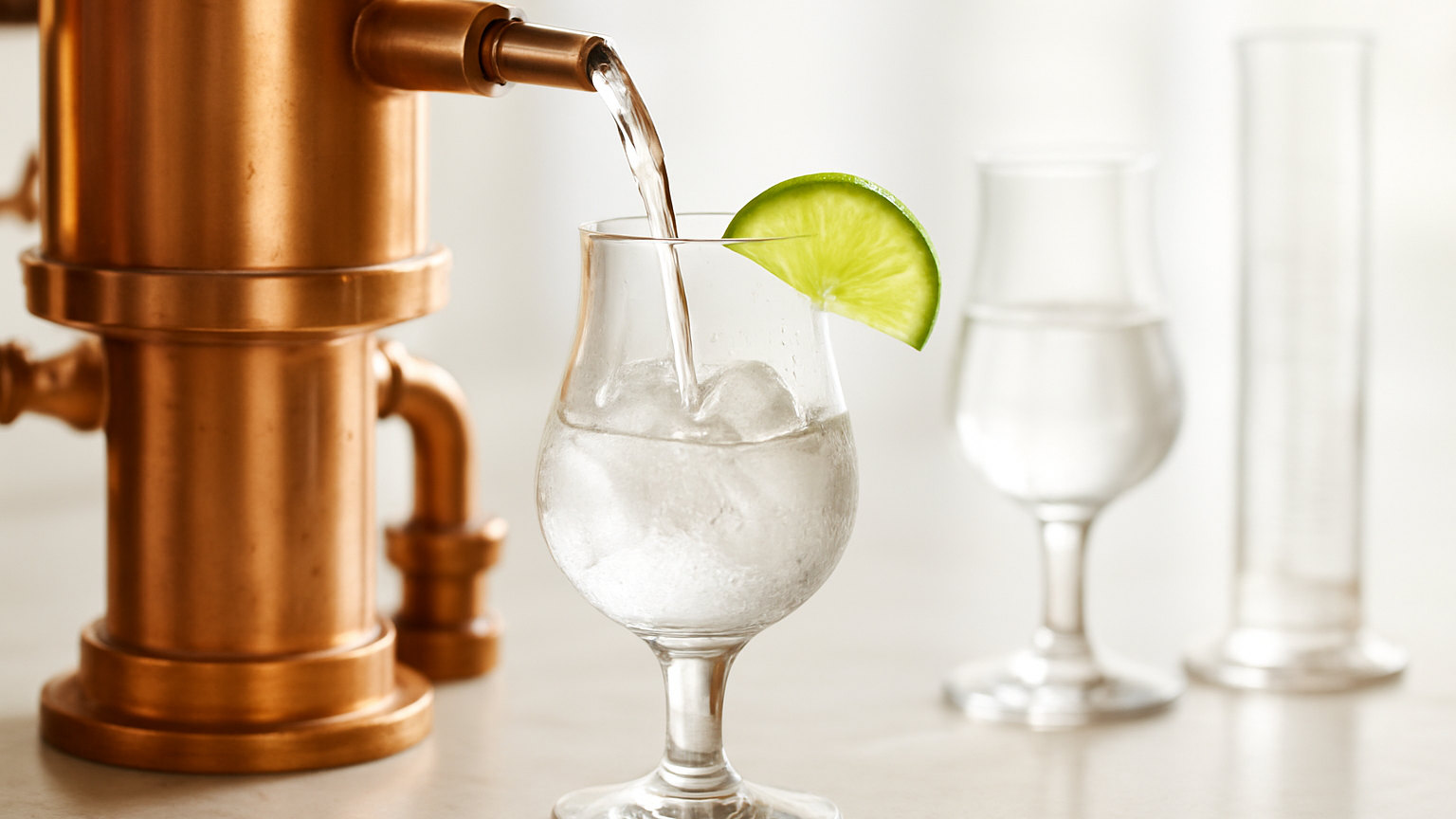
Vodka production is a story about removal rather than addition. Rectification is the step that does the removing, and it explains almost everything about the category.
Spirits are sold on story and priced on packaging, and most of what separates a good bottle from an expensive one is not on the label. These guides explain how each spirit is actually made, what the words on the front mean, which differences you will taste and which you will not, and what is worth having on a shelf at home.
Vodka production is a story about removal rather than addition. Rectification is the step that does the removing, and it explains almost everything about the category.
London dry is a production method, not a place. Nothing about it requires London, and the rules it does impose are about what may not be added after distillation.
A liqueur is a spirit with sugar and flavouring added, and the sugar content is what makes it legally a liqueur rather than a flavoured spirit.
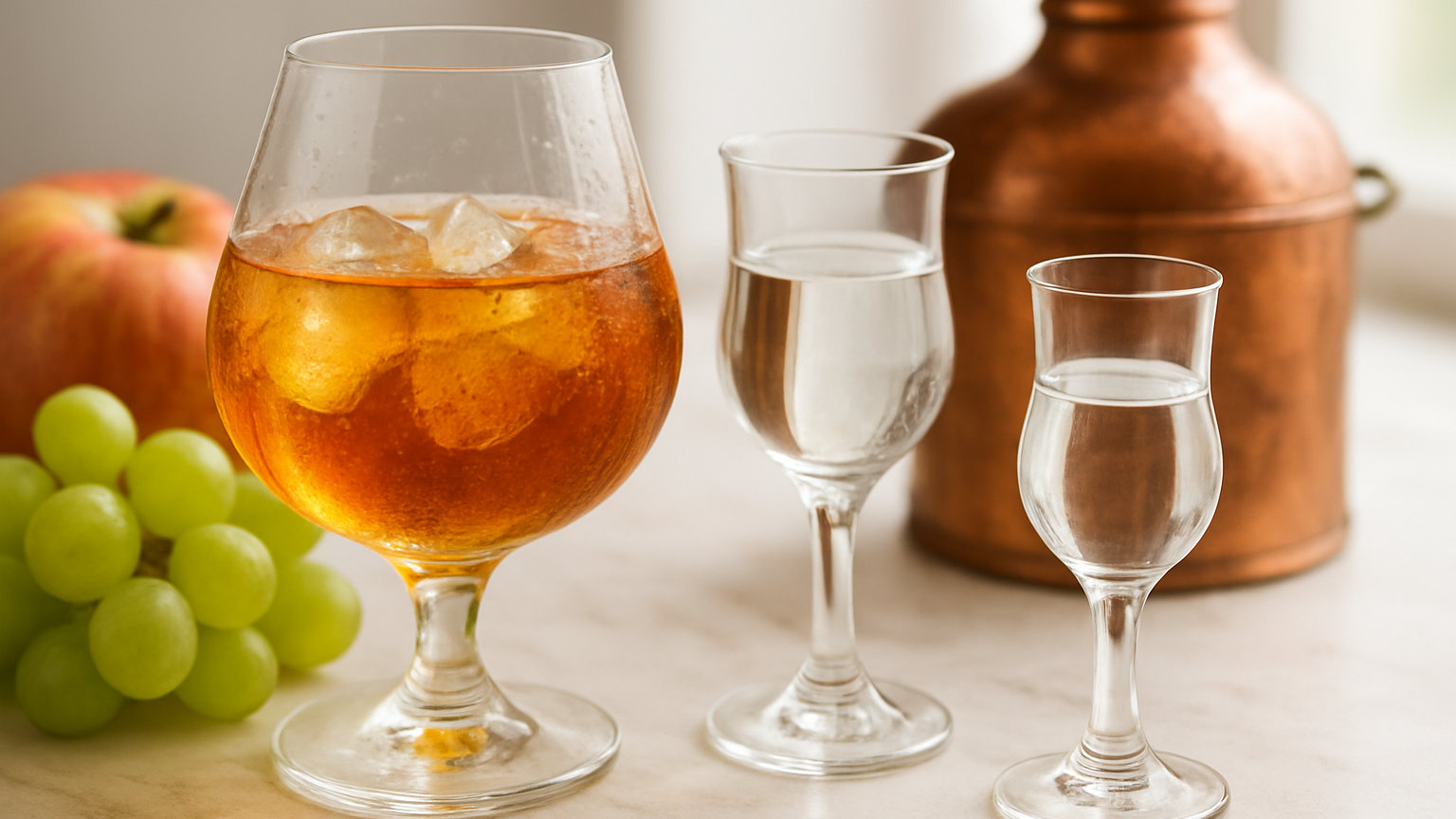
Brandy is distilled wine, or distilled fruit. That simple definition covers cognac, armagnac, calvados, pisco and grappa, which have almost nothing else in common.
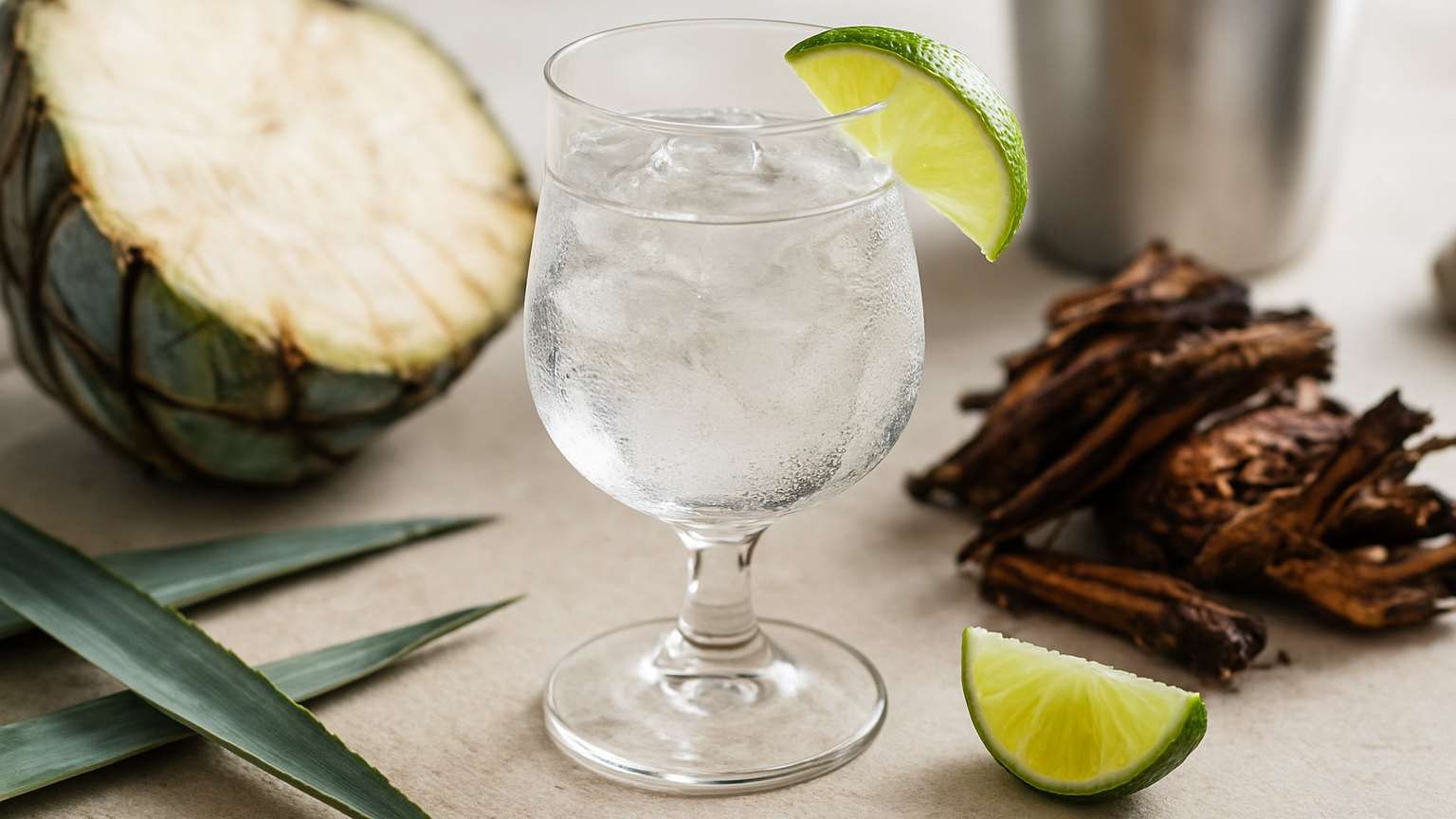
Tequila comes from one plant, grown in a defined region, and takes years before harvest. The production steps in between explain most of the price differences on the shelf.
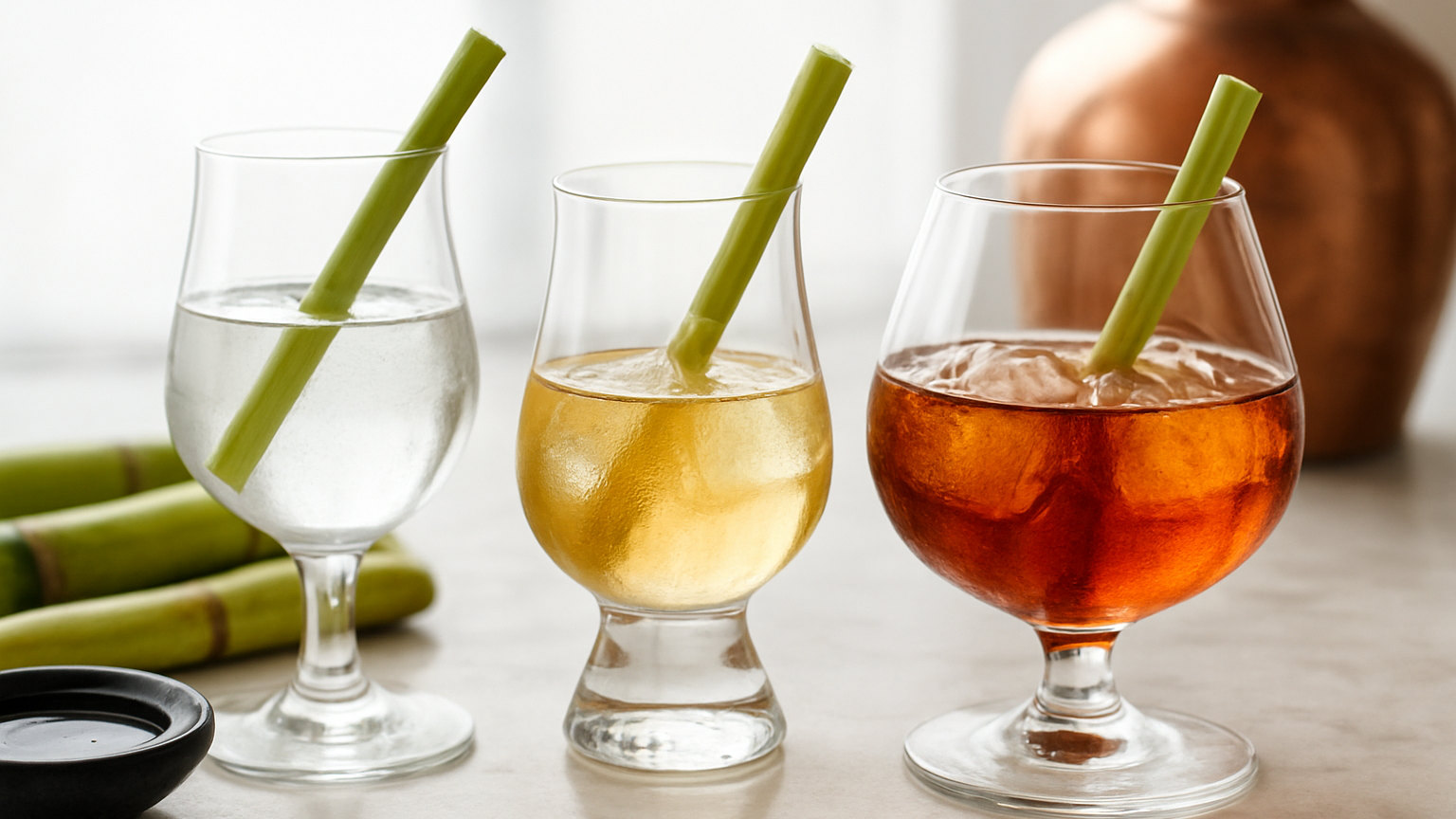
Rum is made from sugar cane, and almost nothing else about it is fixed. That freedom is why the category contains more variety than any other spirit.
Vodka is described as tasteless, which is both its legal aspiration and a poor description of what is in the glass. There is more there than the marketing admits.
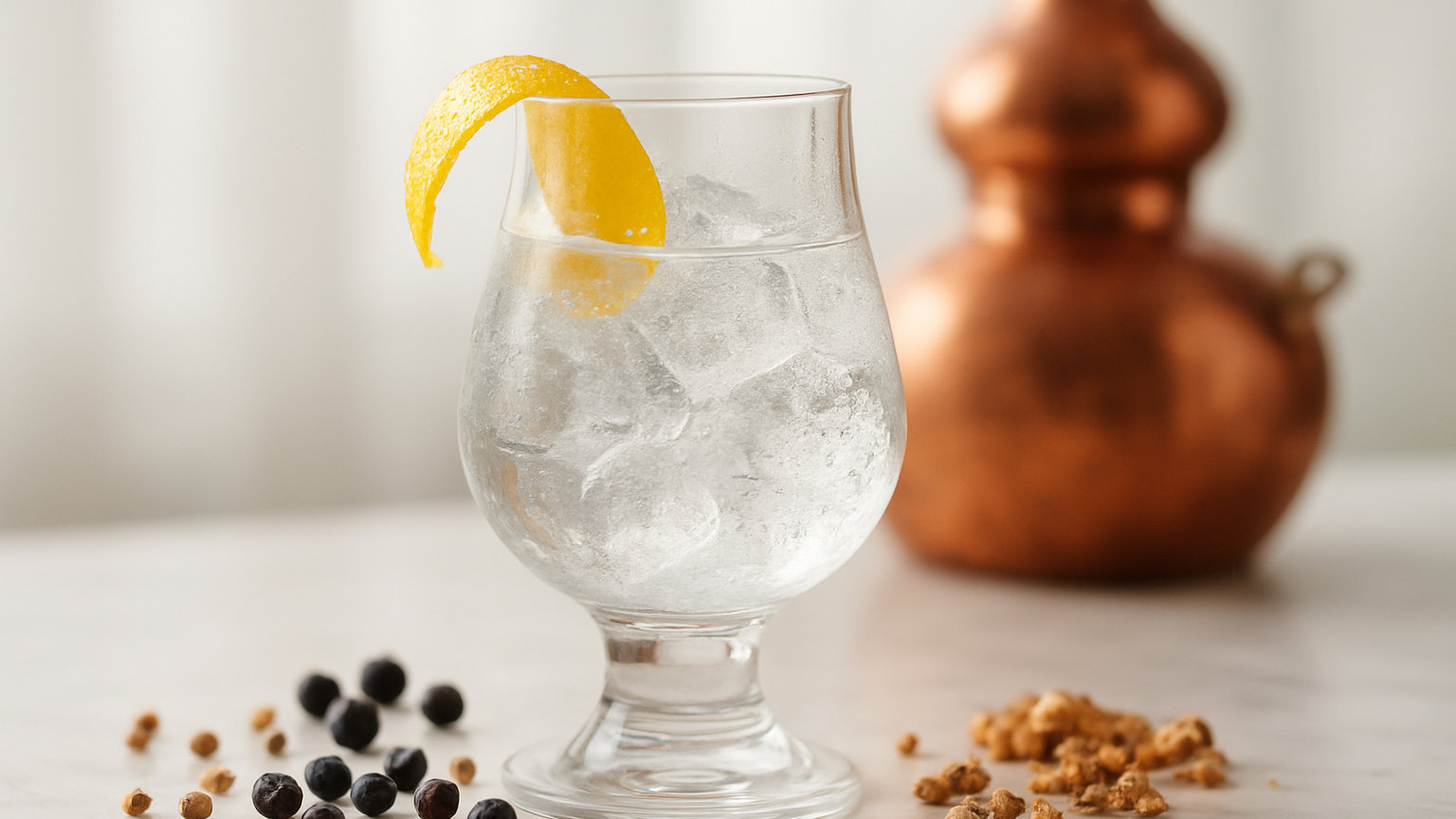
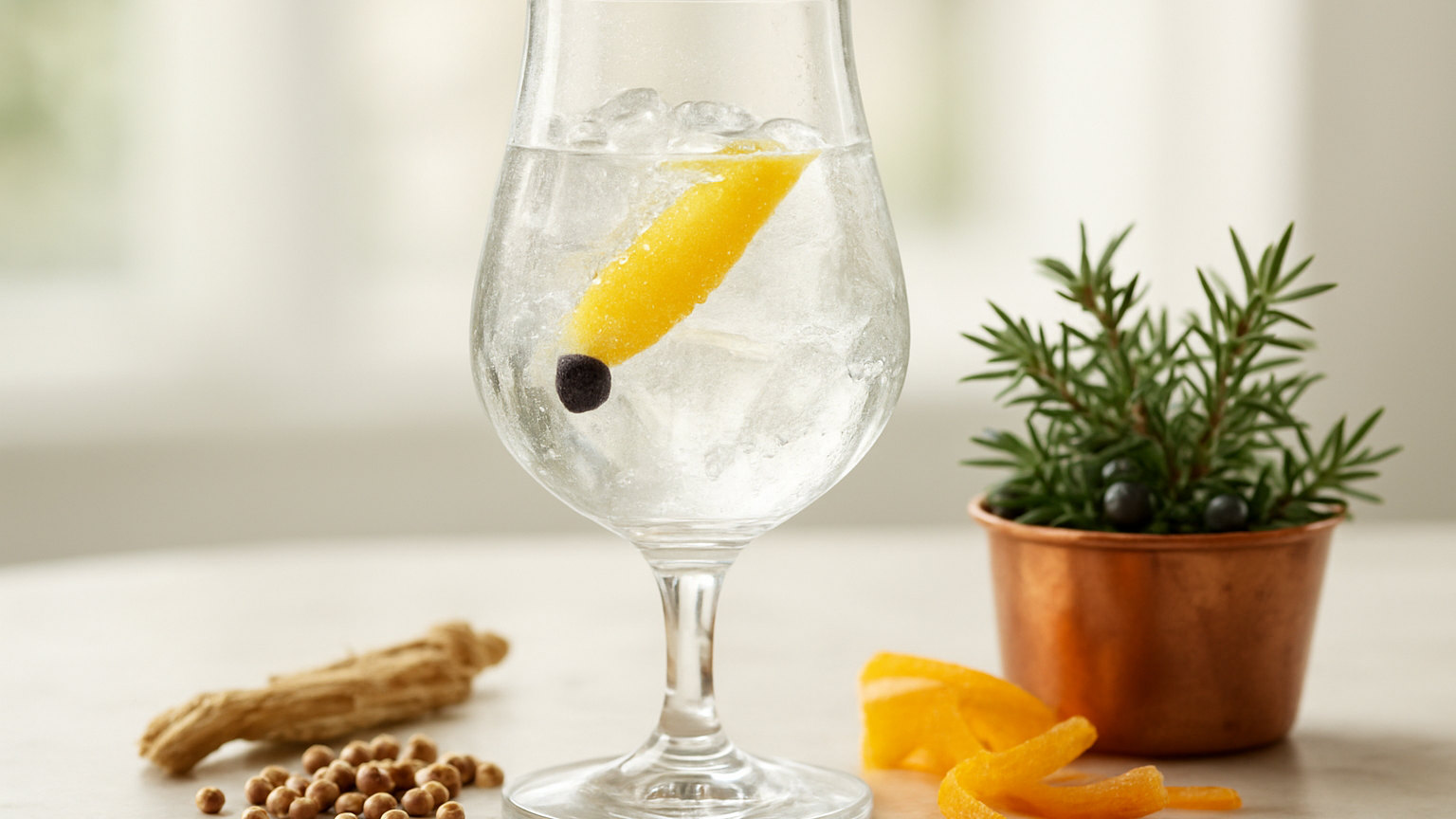
Gin starts as neutral spirit and becomes gin by meeting juniper. How the botanicals get in is the decision that separates a good bottle from a cheap one.
Single malt is not a quality grade and blended is not an insult. The words describe how a whisky was assembled, and each approach has something the other cannot do.
The number on the bottle refers to the youngest whisky inside, not the average. Here is what age does to a spirit, and why older is not automatically better.
The extra letter is not a typo and not a quality marker. It is a national convention with a couple of famous exceptions, and it tells you roughly where a bottle comes from.
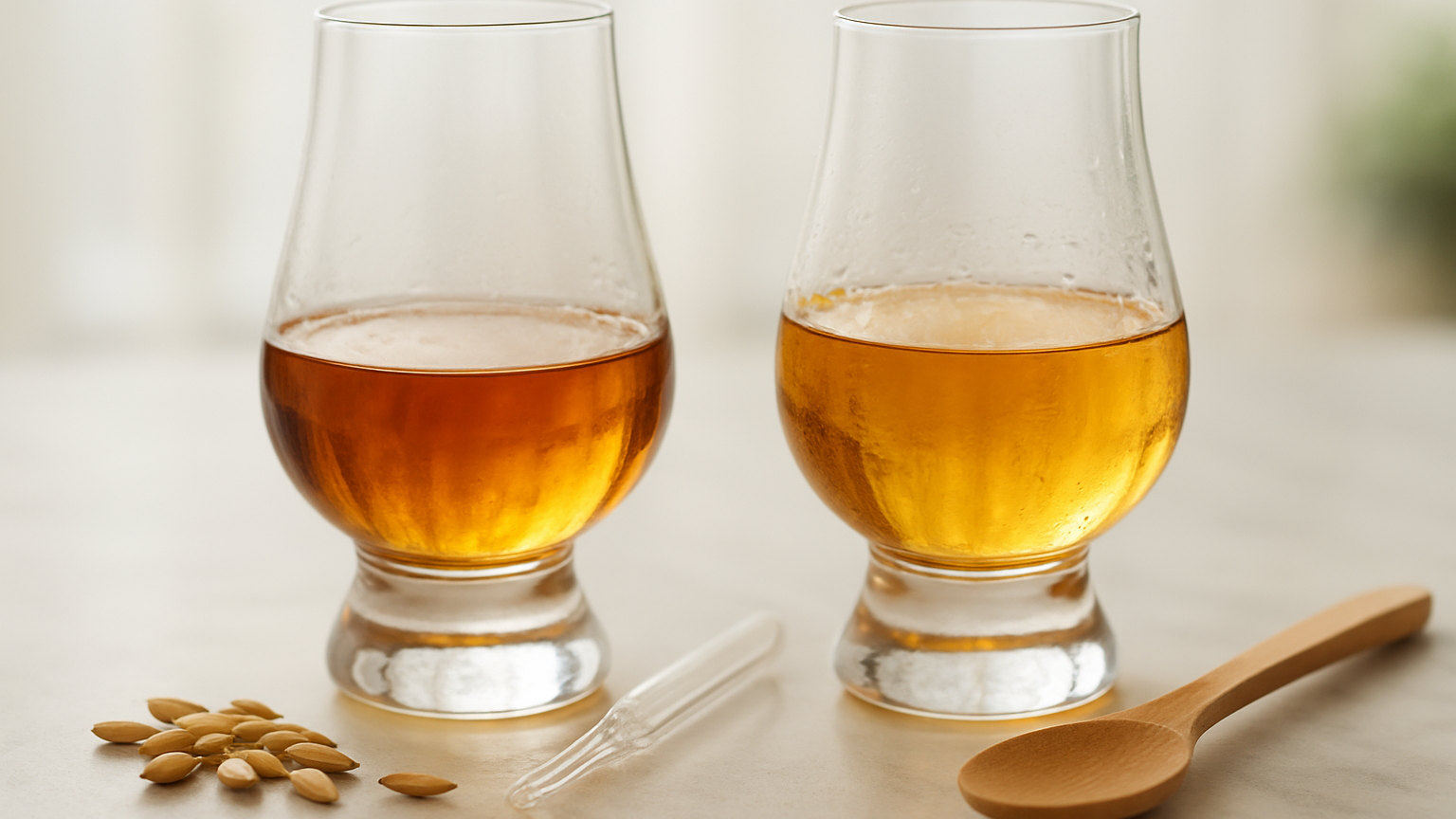
Grain, water, yeast and time. Whisky is made from four ingredients and a long list of decisions, and knowing which decision does what makes every label easier to read.