How Long Does an Open Bottle of Vermouth Last?
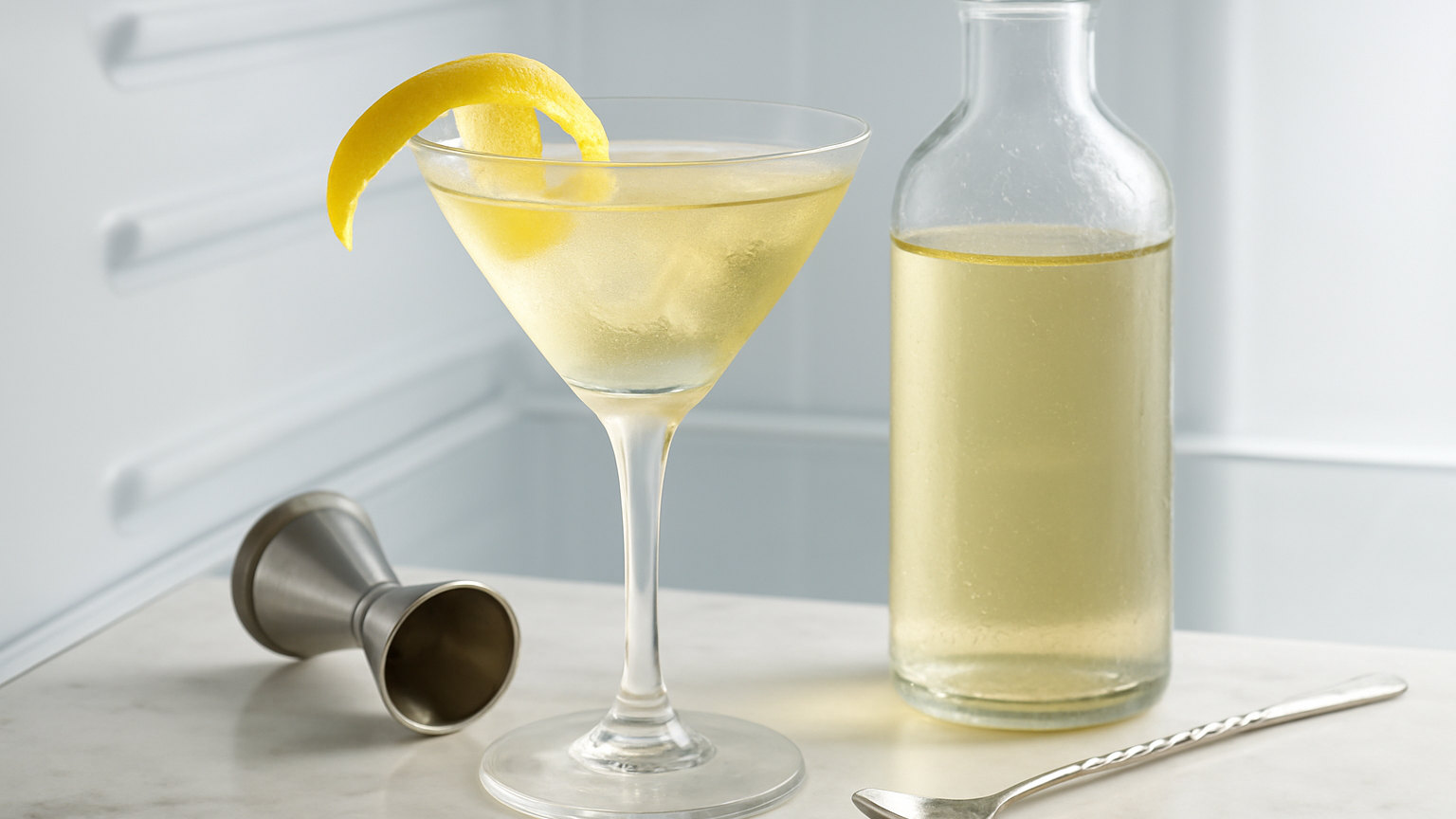
Weeks, not months, and the fridge is not optional. Stale vermouth ruins more home martinis and negronis than any other single ingredient.
By Simply Alcohol Team
19 Mar 2026

Spirits are sold on story and priced on packaging, and most of what separates a good bottle from an expensive one is not on the label. These guides explain how each spirit is actually made, what the words on the front mean, which differences you will taste and which you will not, and what is worth having on a shelf at home.
Weeks, not months, and the fridge is not optional. Stale vermouth ruins more home martinis and negronis than any other single ingredient.
The letters on a cognac bottle refer to the youngest spirit in the blend, counted from a fixed date each year. They are more reliable than most spirits age markers.
Bourbon has a legal definition that is unusually strict, and every clause in it pushes the flavour in the same direction. Here is what the rules require and what they taste like.
The four tequila classes are defined by time in oak, and the differences are larger than the names suggest. Which suits you depends on whether you want agave or wood.
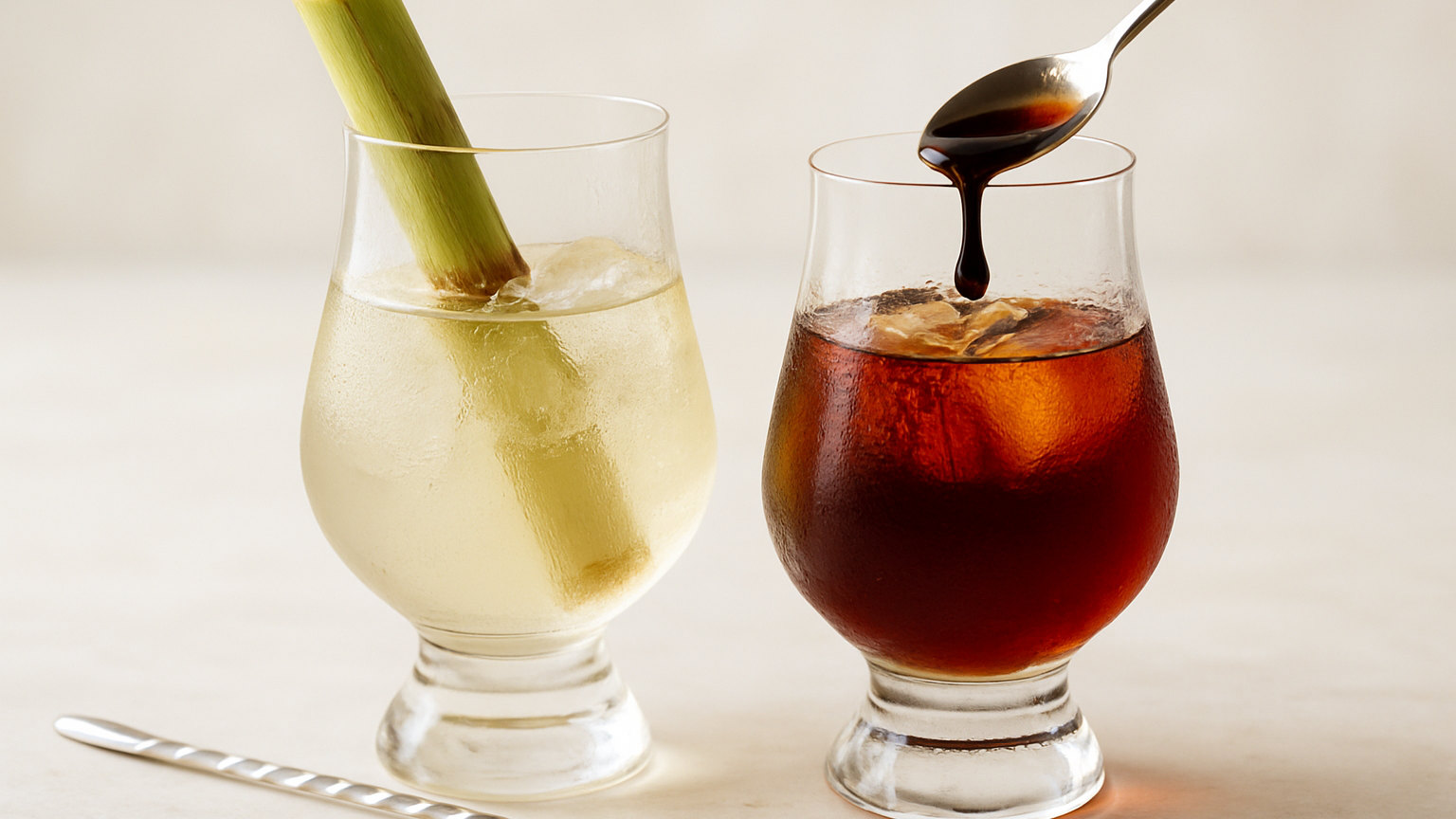
The French Caribbean style is made from fresh cane juice under some of the strictest rules in rum, and it tastes almost nothing like what most people expect from the category.
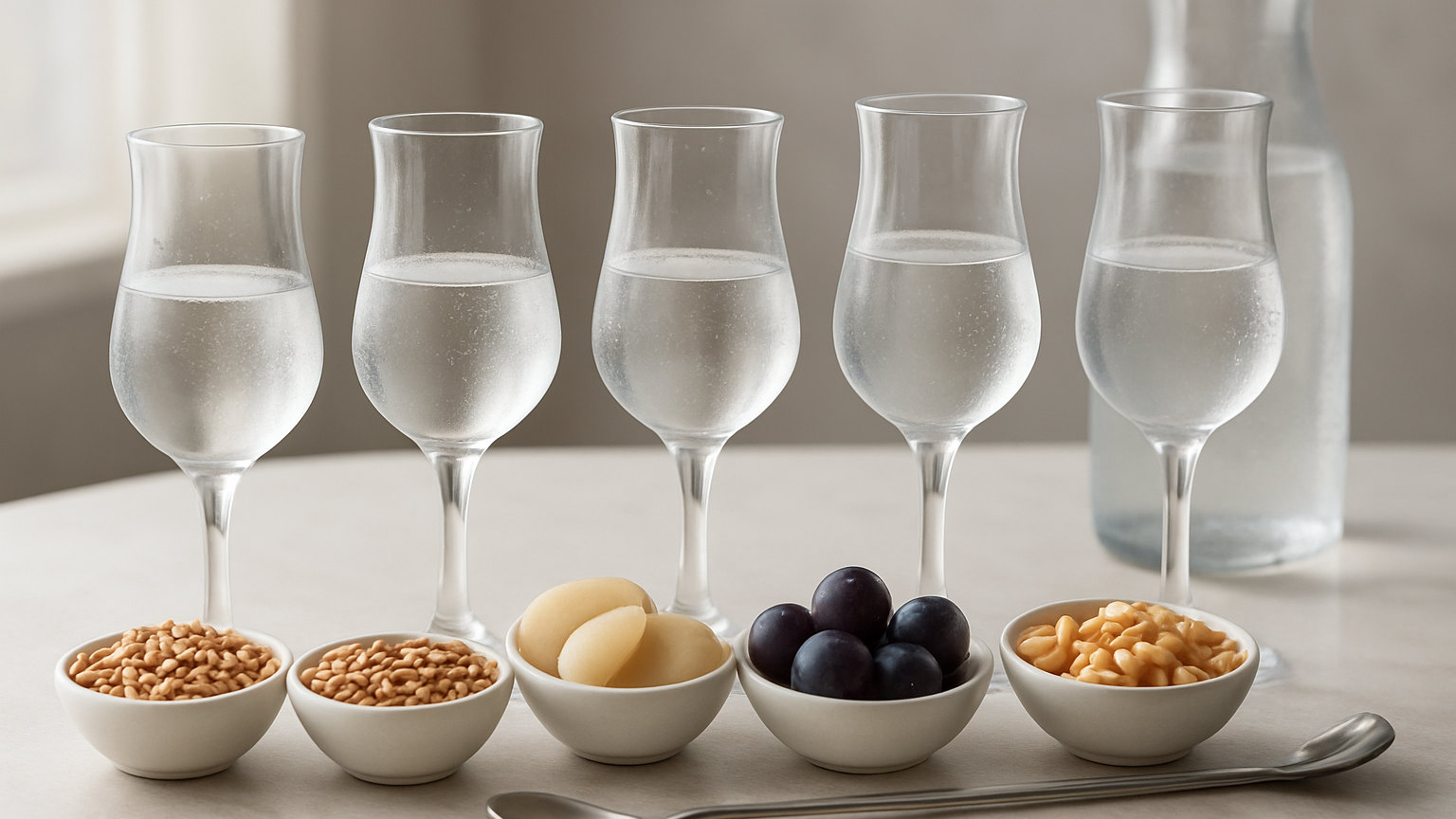
Wheat, rye, potato, grape or maize. Rectification removes most of the difference, but not all of it, and what survives shows up in texture more than in flavour.
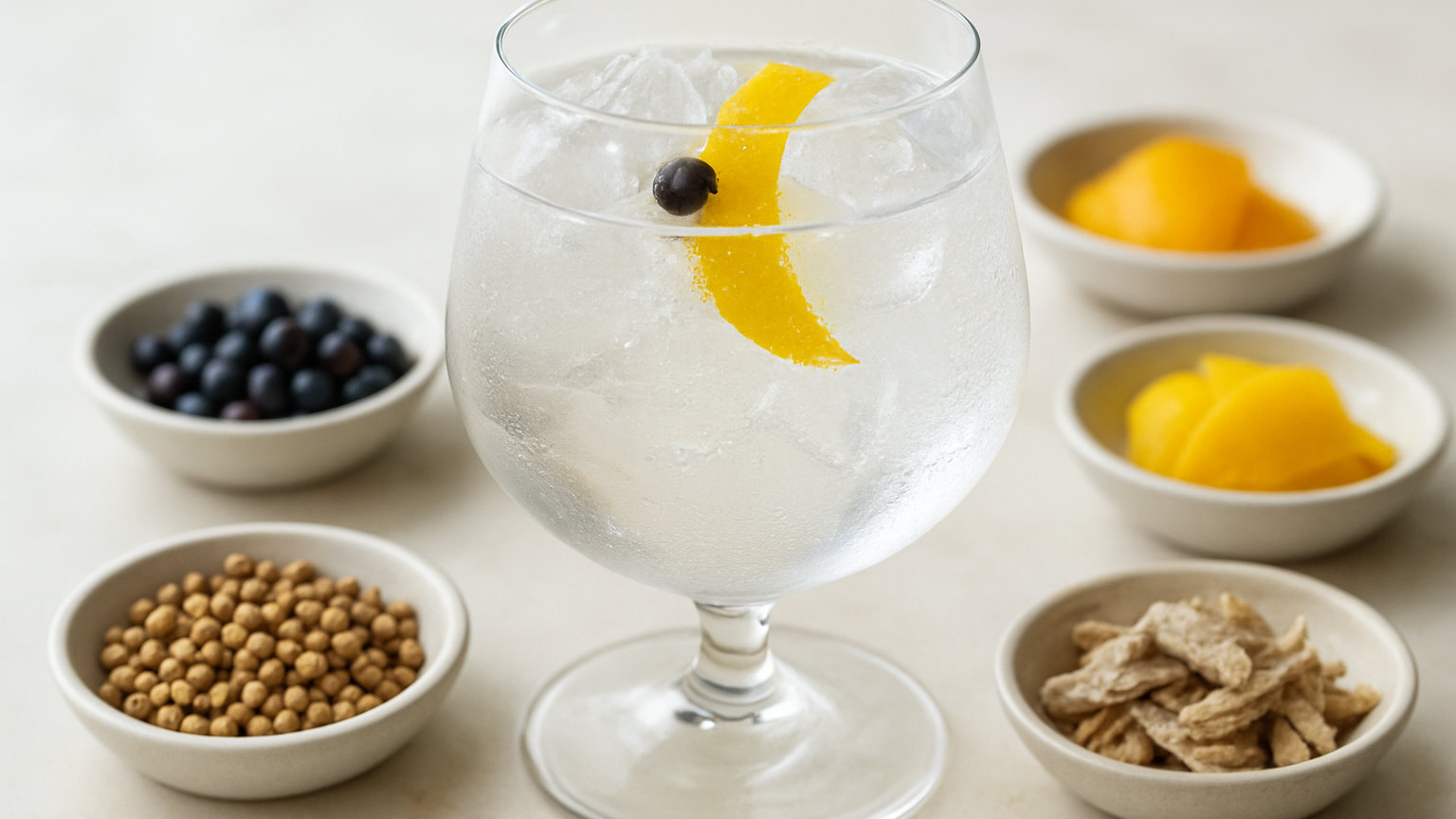
Most gins share the same handful of core botanicals and differ at the edges. Knowing what each one contributes lets you predict a bottle from its ingredient list.
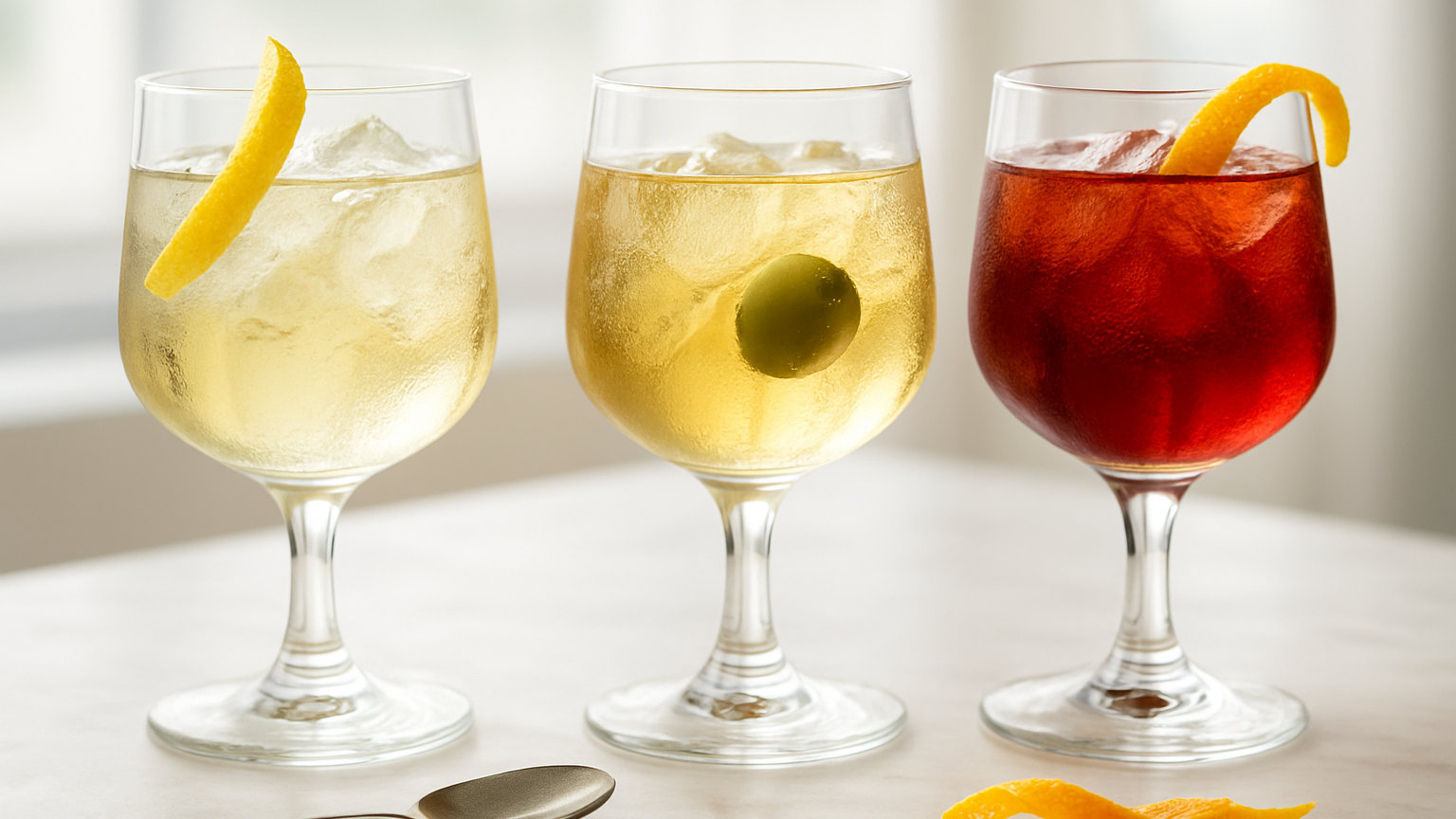
Vermouth is aromatised wine rather than a spirit, and the difference between dry, sweet and bianco decides half the cocktails you can make.
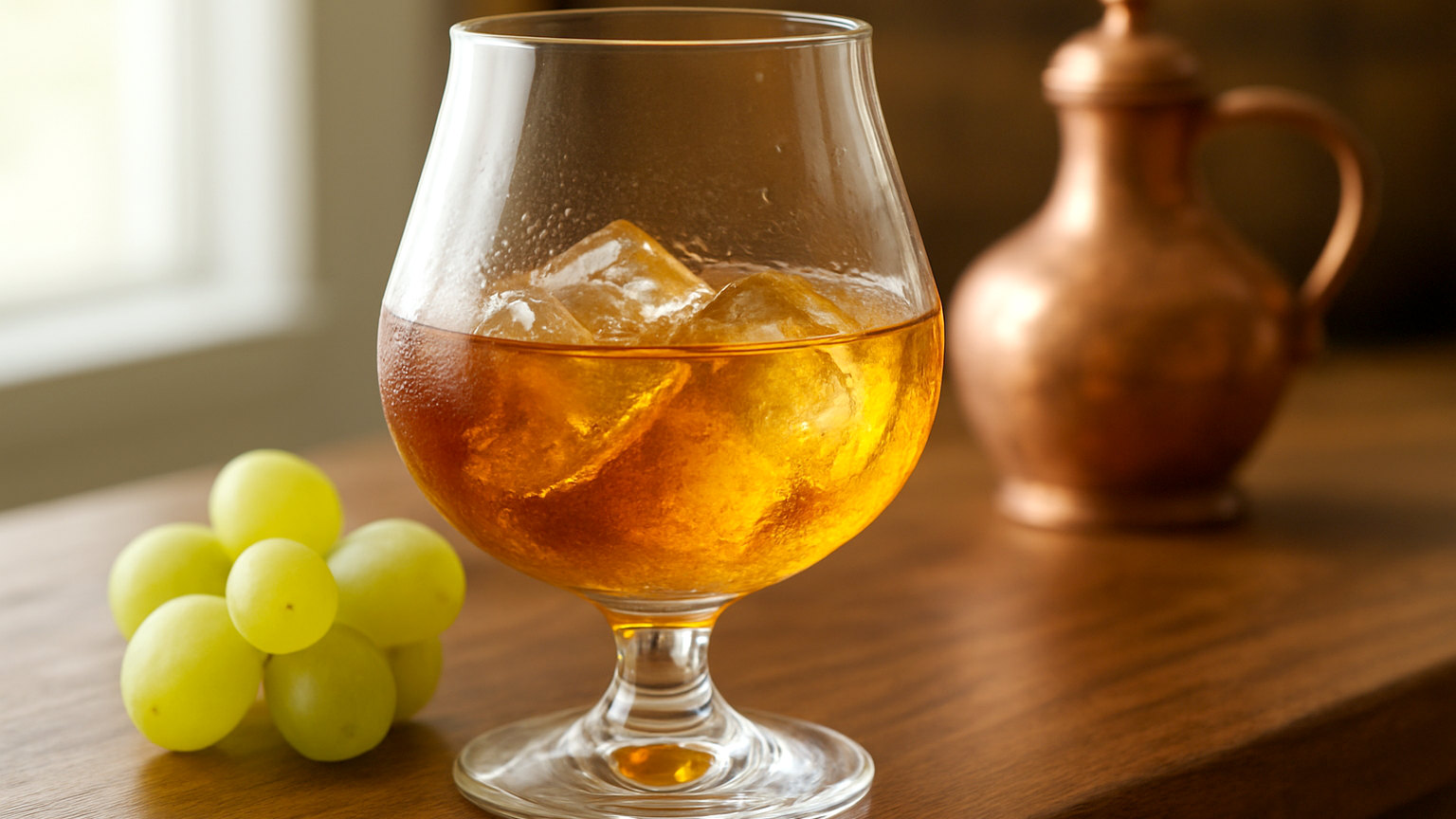
Cognac is brandy made under an unusually detailed set of rules covering the region, the grapes, the still, the timetable and the wood. All cognac is brandy; very little brandy is cognac.
It is the single most useful phrase on a tequila label, and it rules out a whole category of product. It does not, however, guarantee that nothing was added.
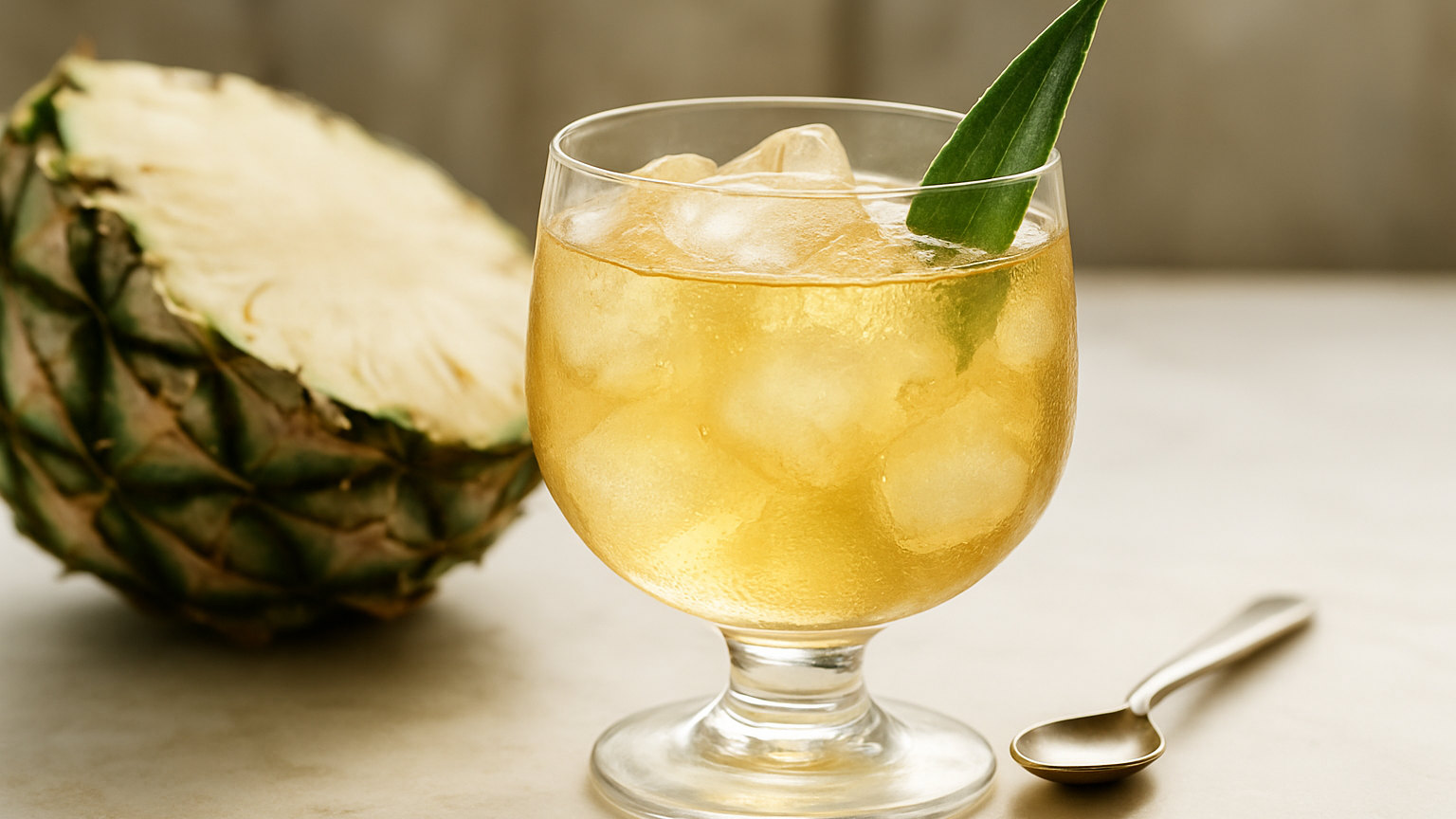
The raw material splits rum into two broad families that taste nothing alike. Knowing which one is in the bottle explains most of what you are about to drink.
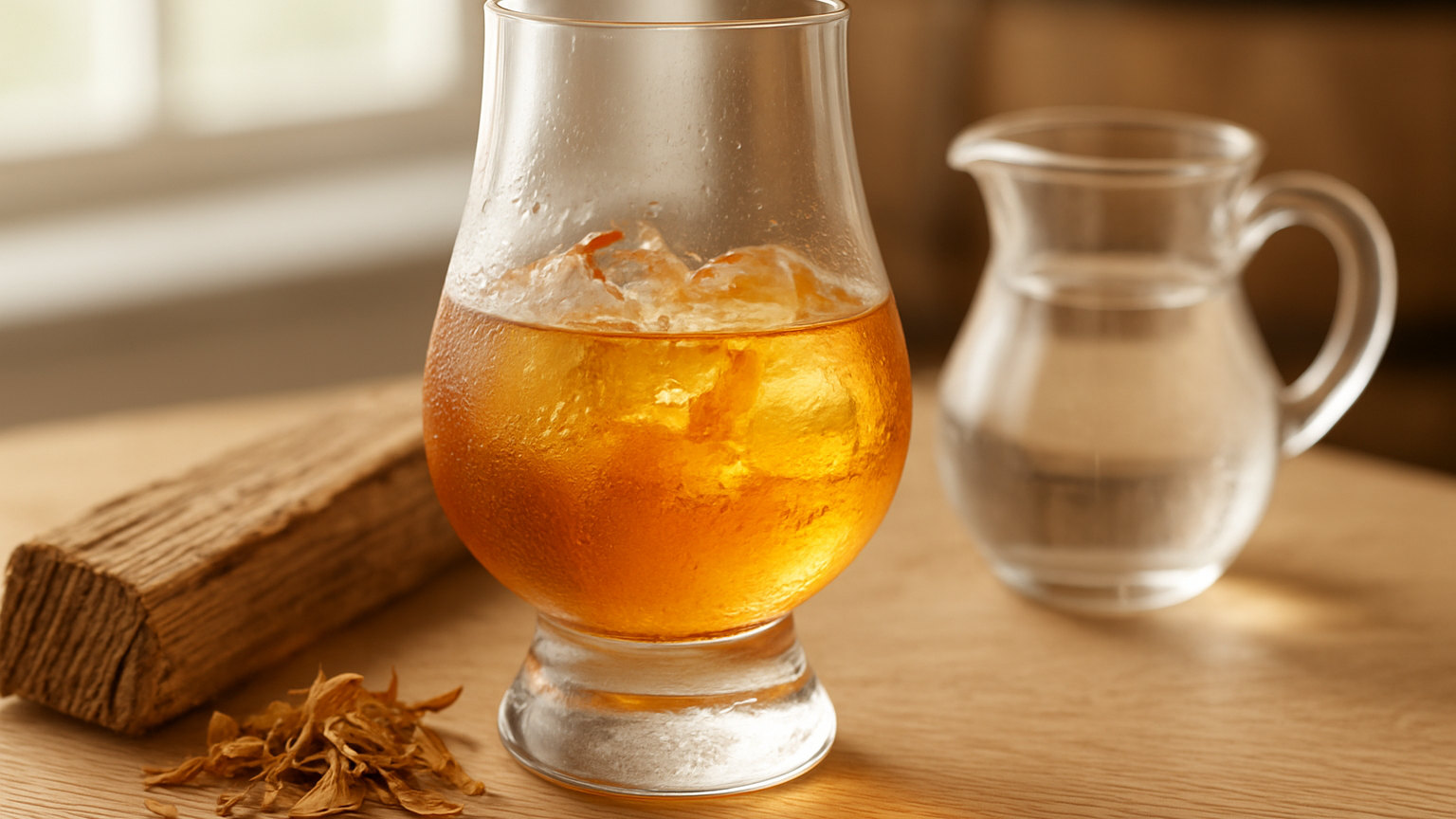
New make spirit is clear and sharp. Most of the colour, sweetness and depth in a finished whisky was contributed by wood, and the type of cask tells you more than the age does.