What Is Solera Ageing, and Is It Honest?
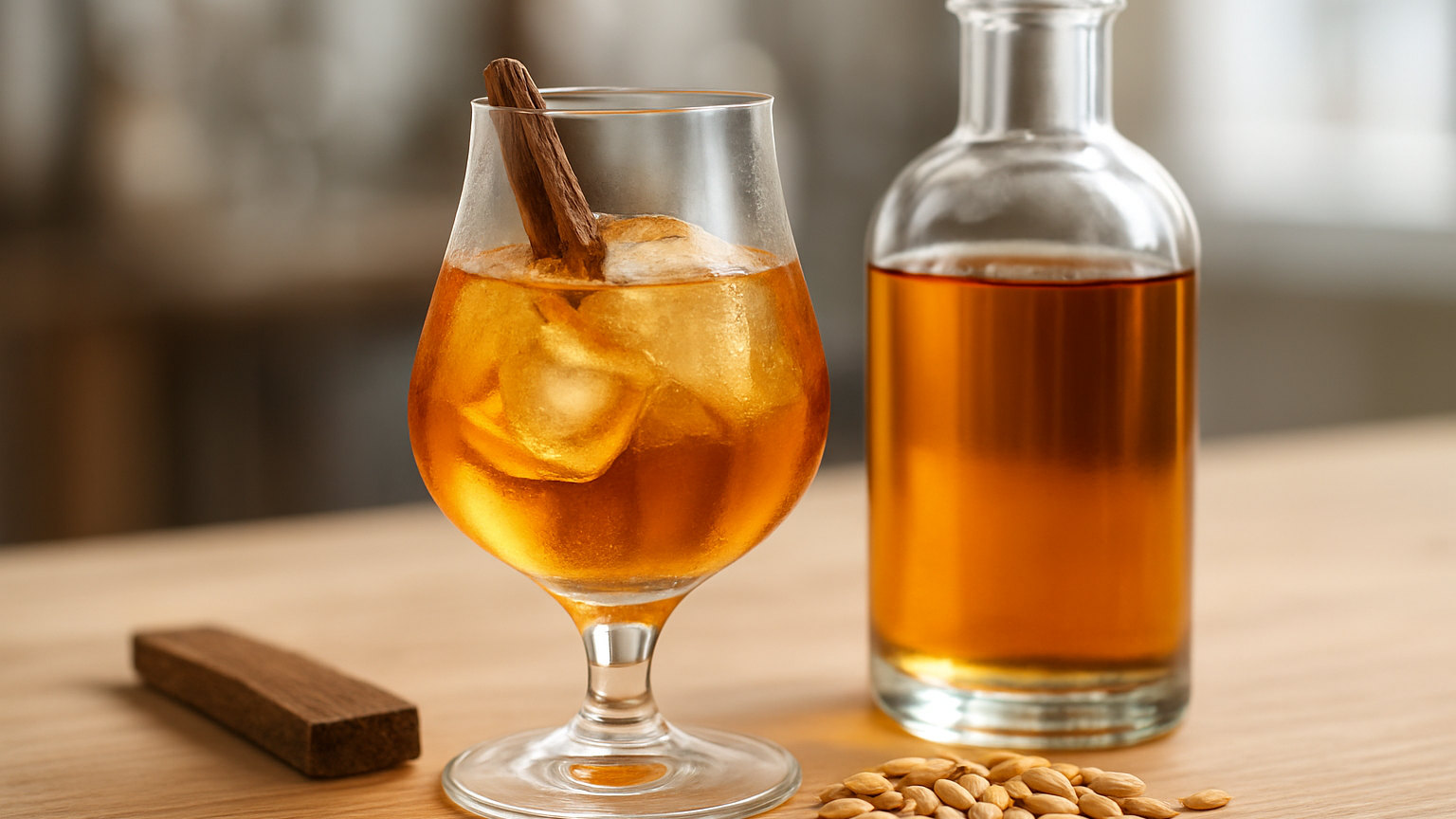
Solera is a genuine and ancient blending method borrowed from sherry. The controversy is not about the method but about the numbers printed on the bottles that use it.
Spirits are sold on story and priced on packaging, and most of what separates a good bottle from an expensive one is not on the label. These guides explain how each spirit is actually made, what the words on the front mean, which differences you will taste and which you will not, and what is worth having on a shelf at home.
Solera is a genuine and ancient blending method borrowed from sherry. The controversy is not about the method but about the numbers printed on the bottles that use it.
Japanese whisky earned its reputation honestly and then got expensive, and for years the labelling rules did not keep up. Here is how to tell the real thing from the rest.
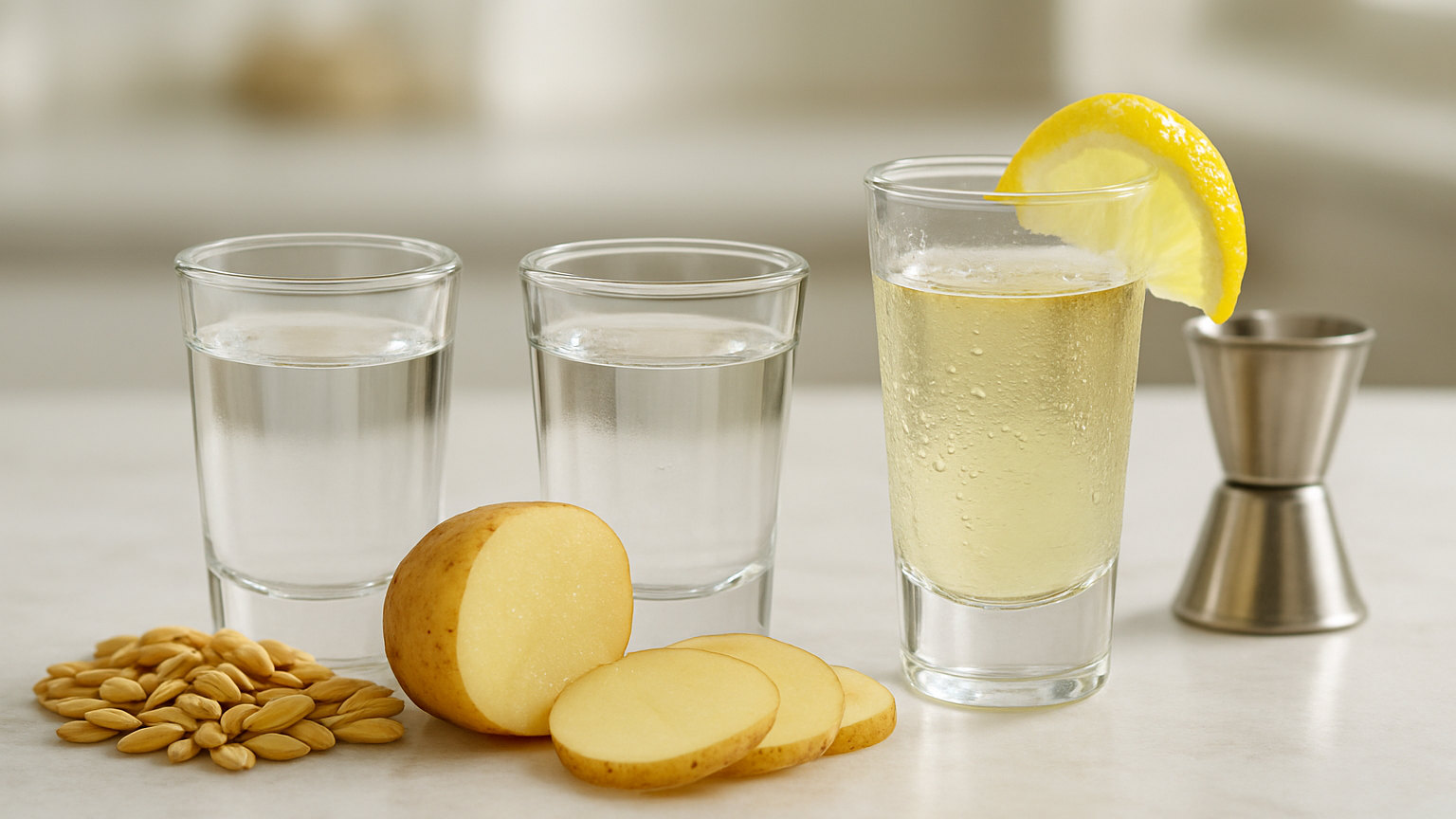
Distillation removes gluten proteins, which is why grain based vodka is generally accepted as gluten free. Flavoured vodka is where the question becomes less simple.
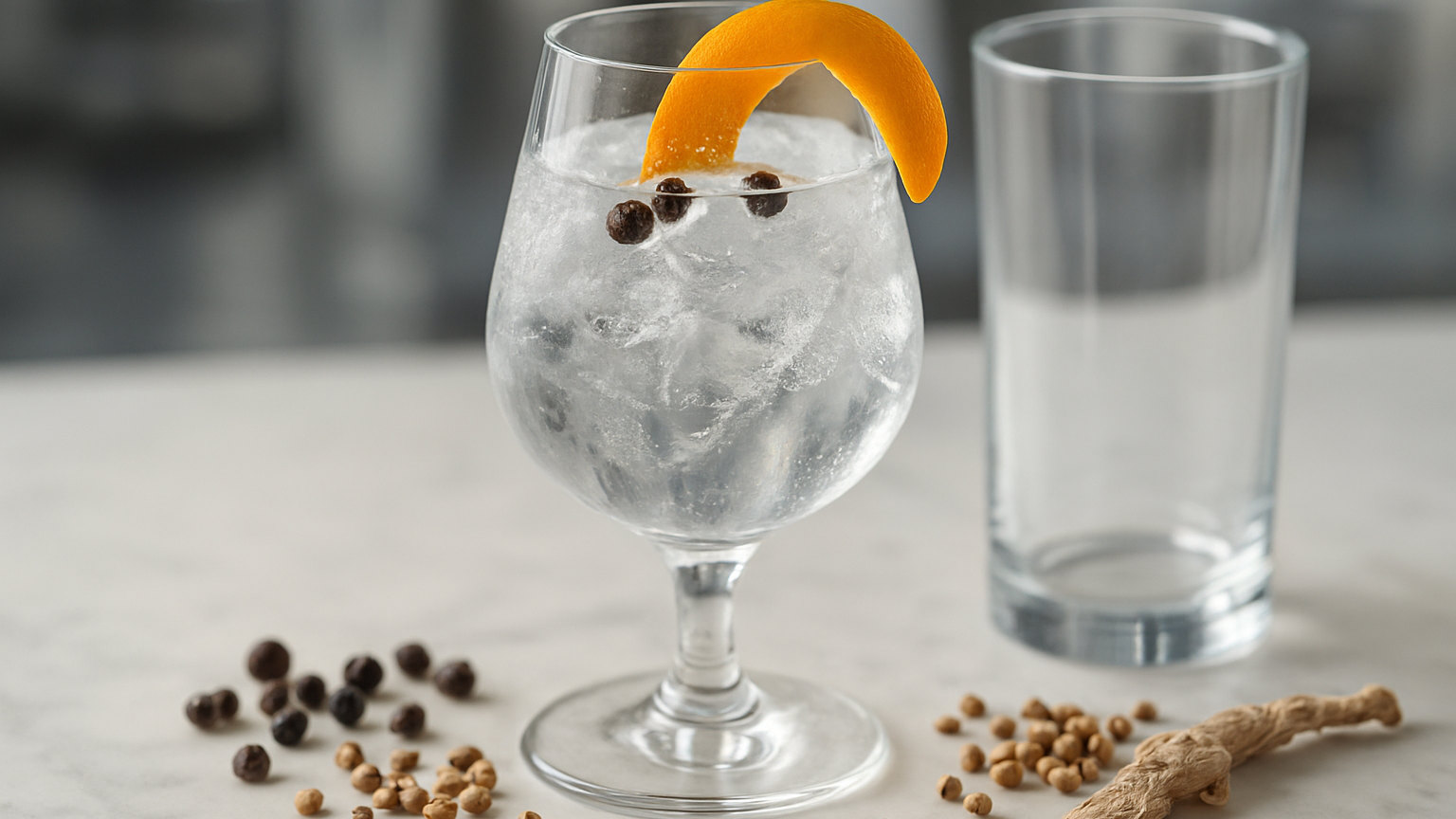
Plymouth gin used to be a protected geographical category with several producers. Today it means one distillery, and the style description survives without the legal weight.
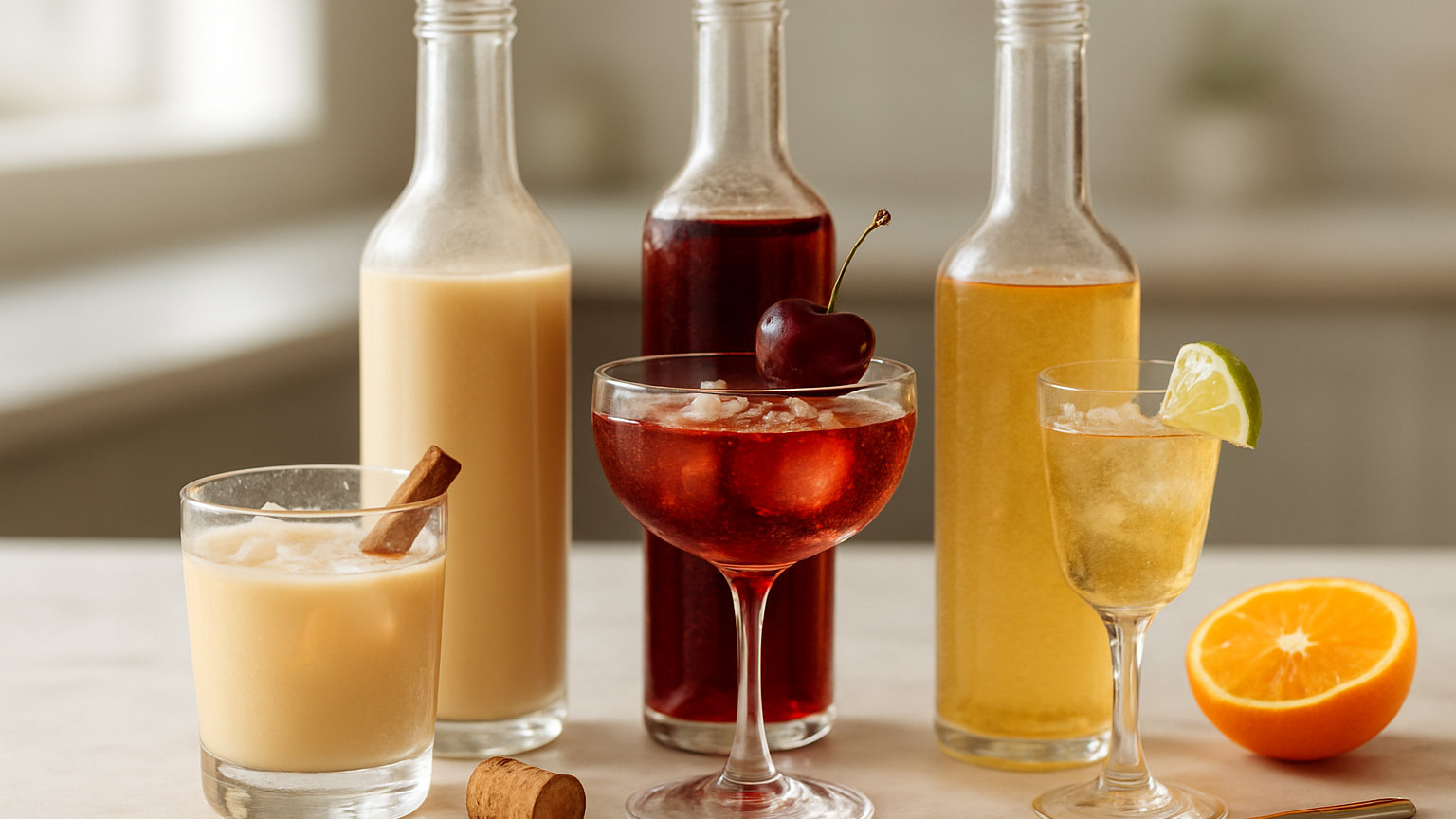
Sugar and alcohol both preserve, so most liqueurs last for years. The exceptions are the ones that matter: cream, wine based bottles and anything low in alcohol.
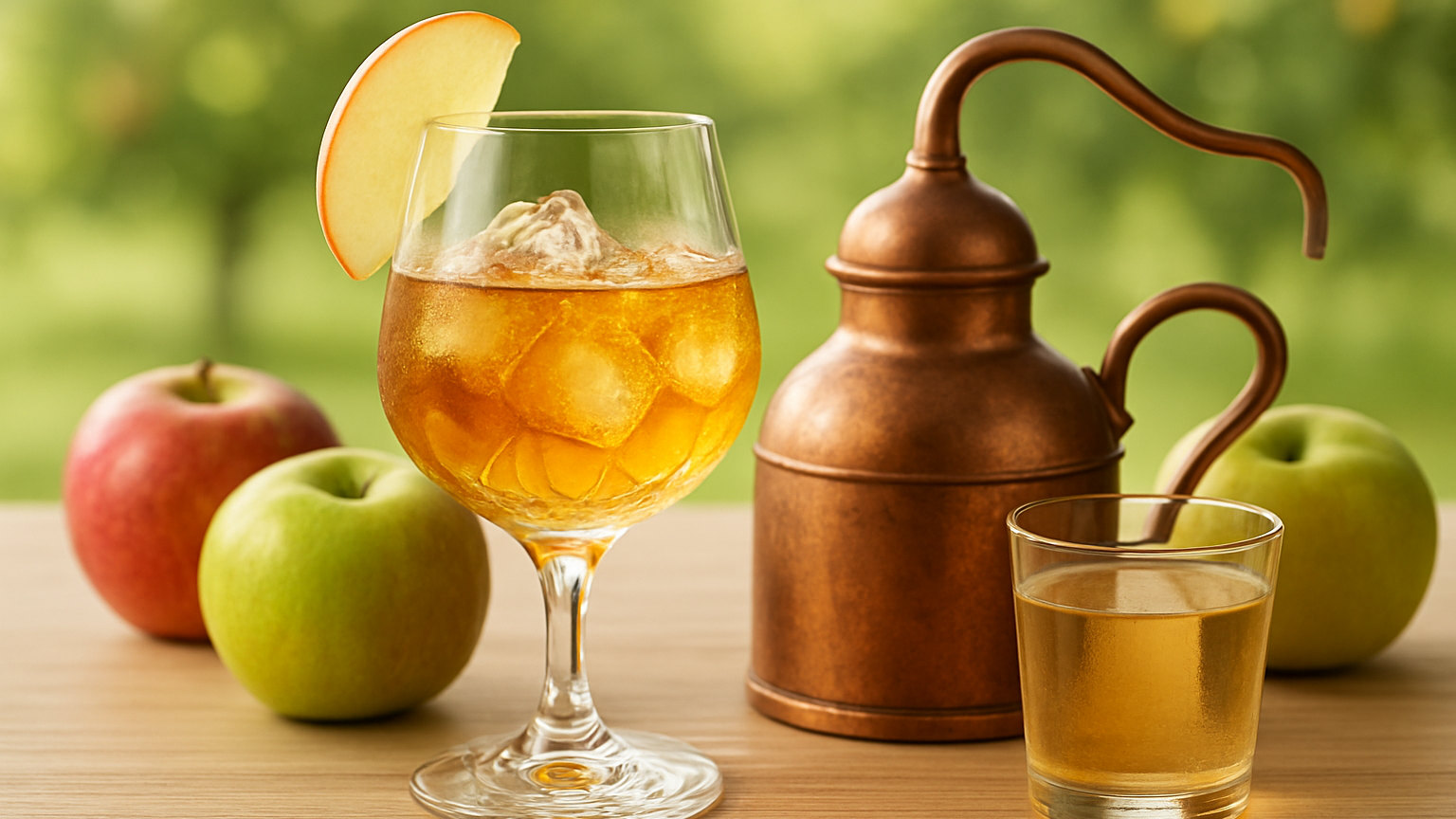
Apple brandy from Normandy, made from cider using dozens of apple varieties most people have never heard of, and governed by three separate appellations.
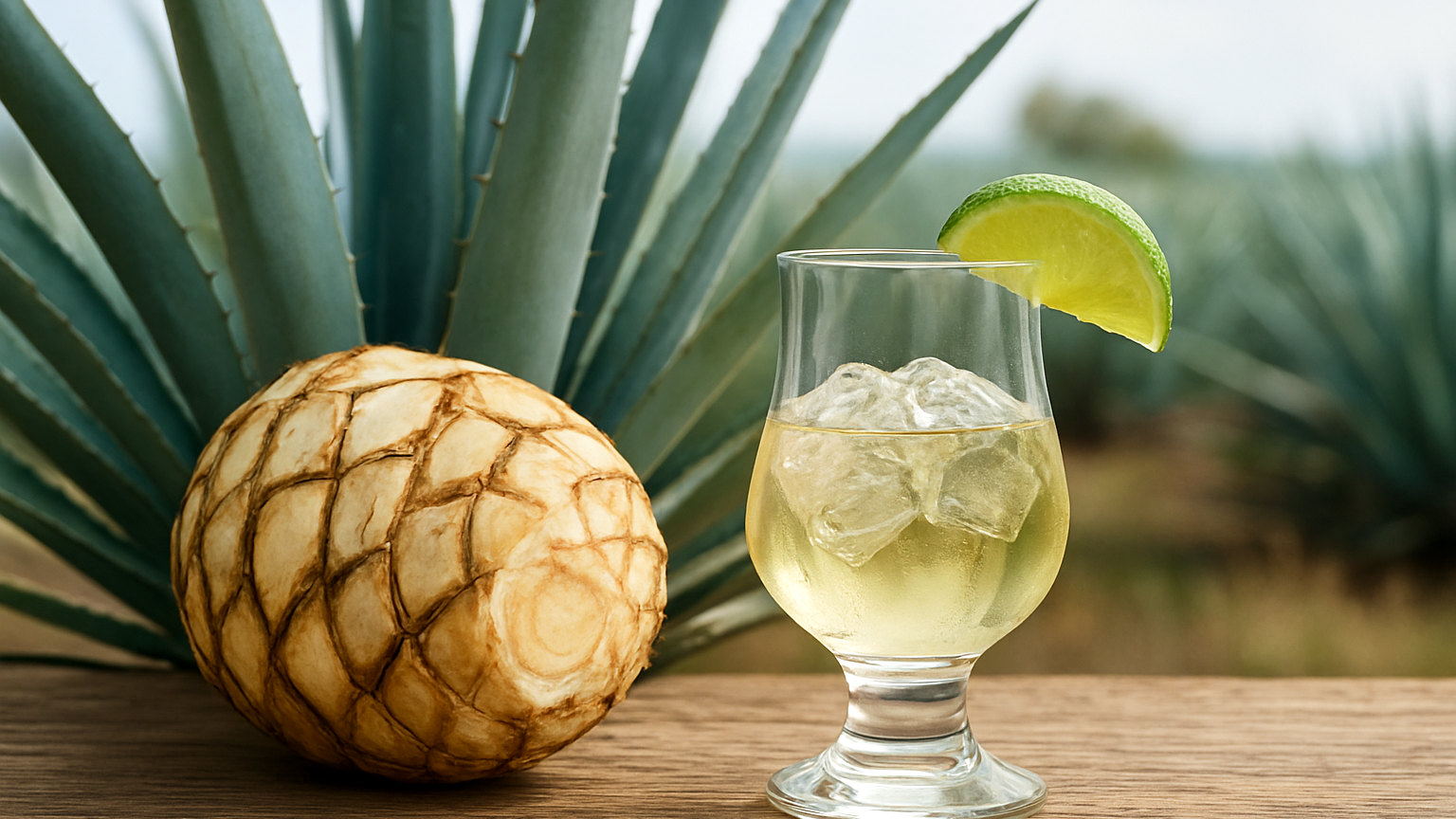
Six to eight years for blue agave, and up to twenty five for some wild species. That timescale drives the price of every bottle and creates cycles of shortage and glut.
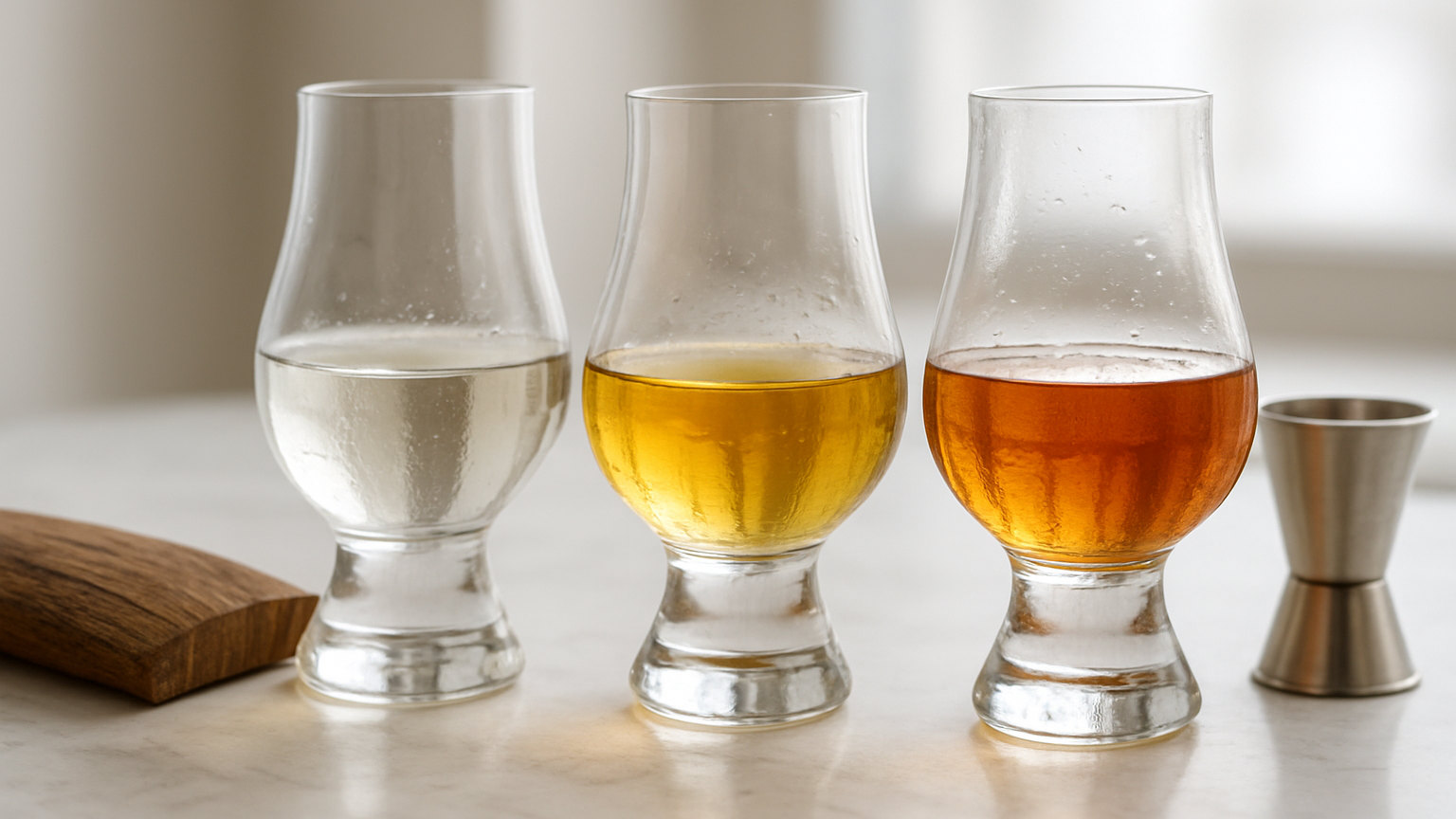
In Scotch an age statement has one meaning. In rum it can have three, and telling which convention a bottle follows is the difference between value and disappointment.
Vodka is the spirit where price and quality separate fastest. There is a floor worth clearing and a ceiling above which you are buying glass and advertising.
Navy strength gin is bottled at 57 per cent, and the number comes from gunpowder rather than marketing. It also behaves differently in a drink.
Triple distillation is the best known feature of Irish whiskey and the most frequently misunderstood. It affects texture and weight rather than smoothness in any simple sense.
Orange liqueur appears in more classic cocktails than any other modifier, and the names on the bottles overlap confusingly. The differences are real and affect your drinks.