What Are the Cognac Crus, and Do They Matter?
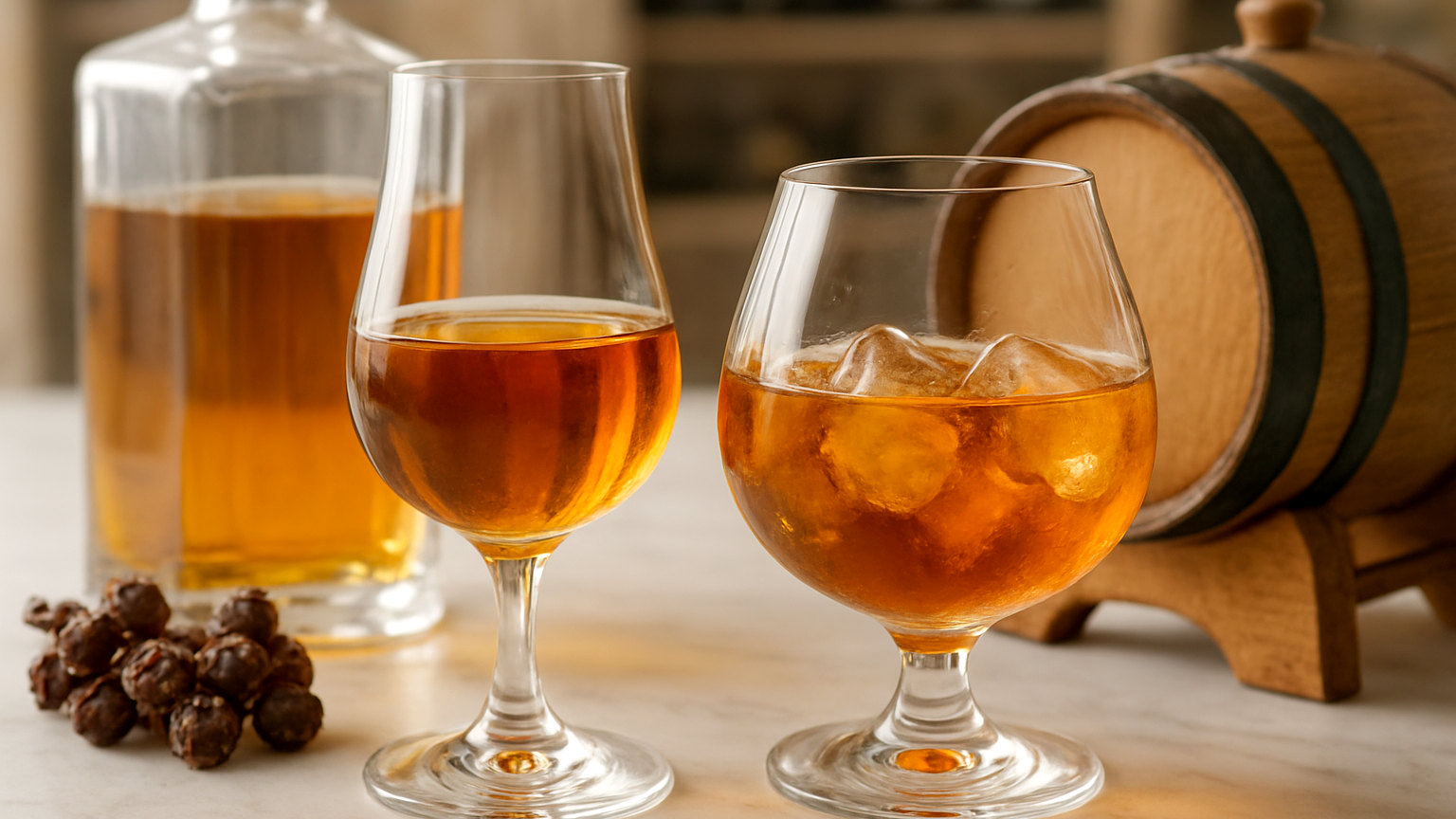
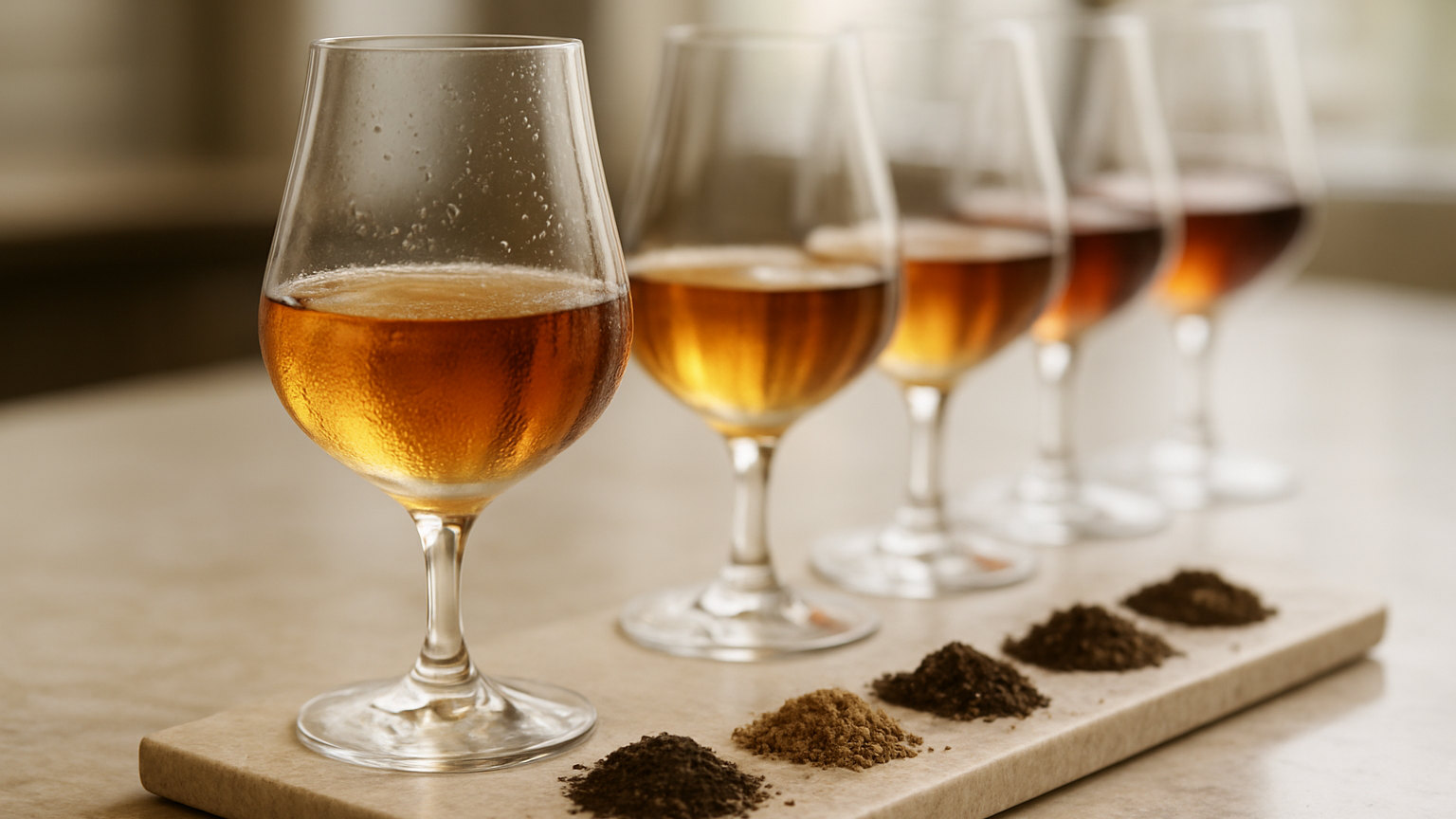
Six growing areas, defined by soil, ranked by tradition and stated on some labels. The differences are real, though most cognac blends across several of them.
Spirits are sold on story and priced on packaging, and most of what separates a good bottle from an expensive one is not on the label. These guides explain how each spirit is actually made, what the words on the front mean, which differences you will taste and which you will not, and what is worth having on a shelf at home.
Six growing areas, defined by soil, ranked by tradition and stated on some labels. The differences are real, though most cognac blends across several of them.
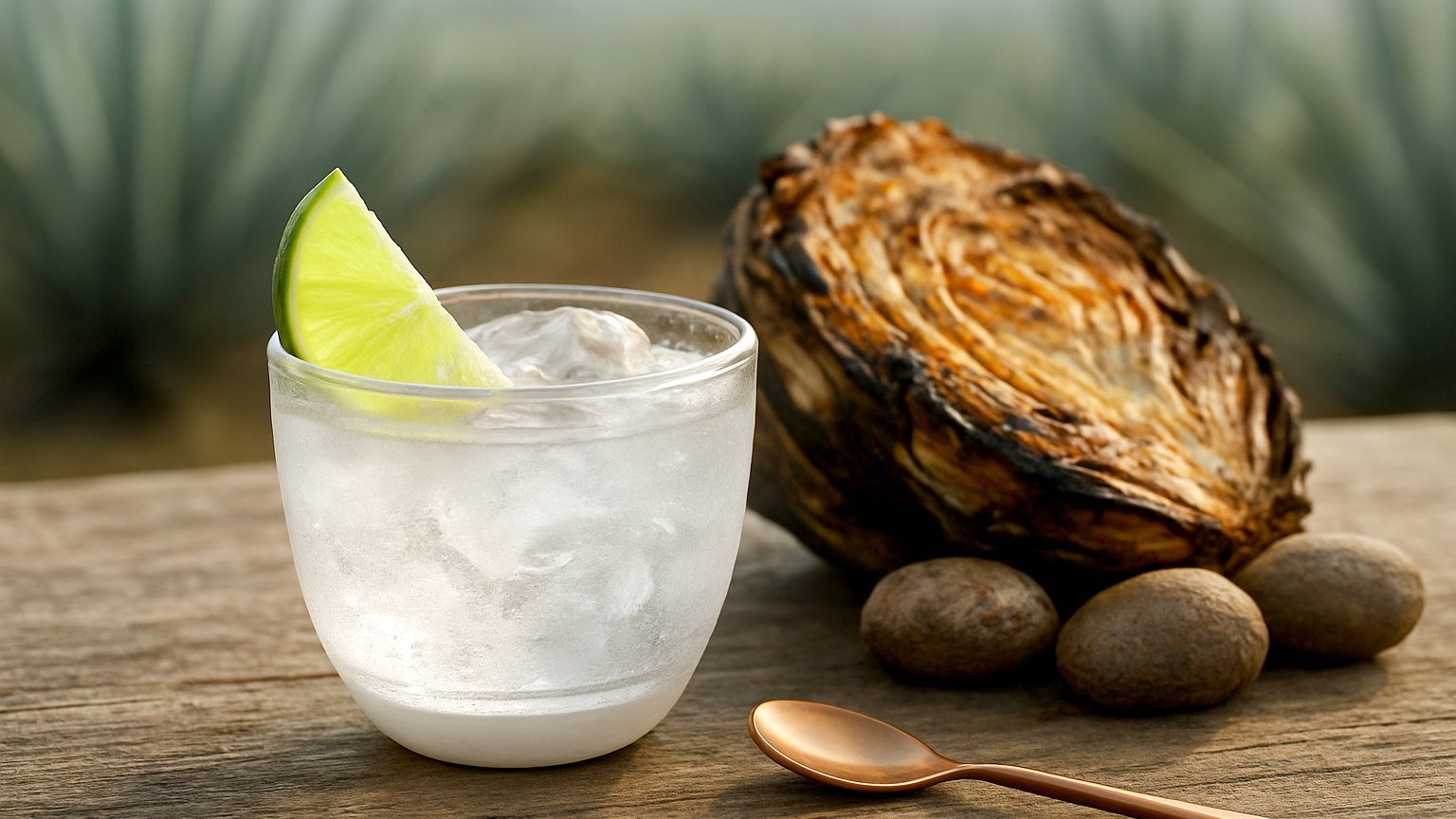
The smoke arrives during a single stage of production and comes from roasting agave in an earth pit. How smoky the result is depends on choices the producer makes there.
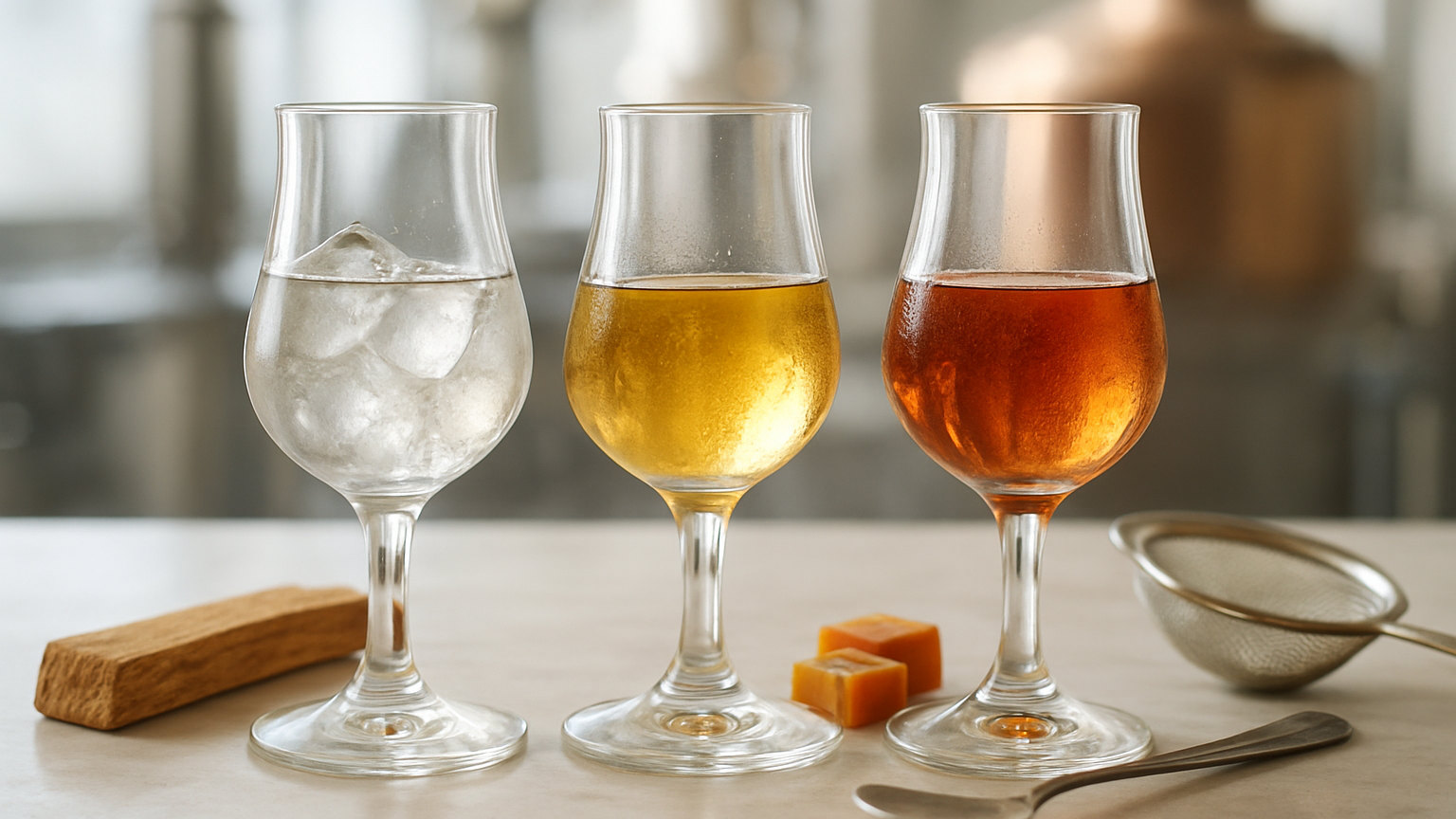
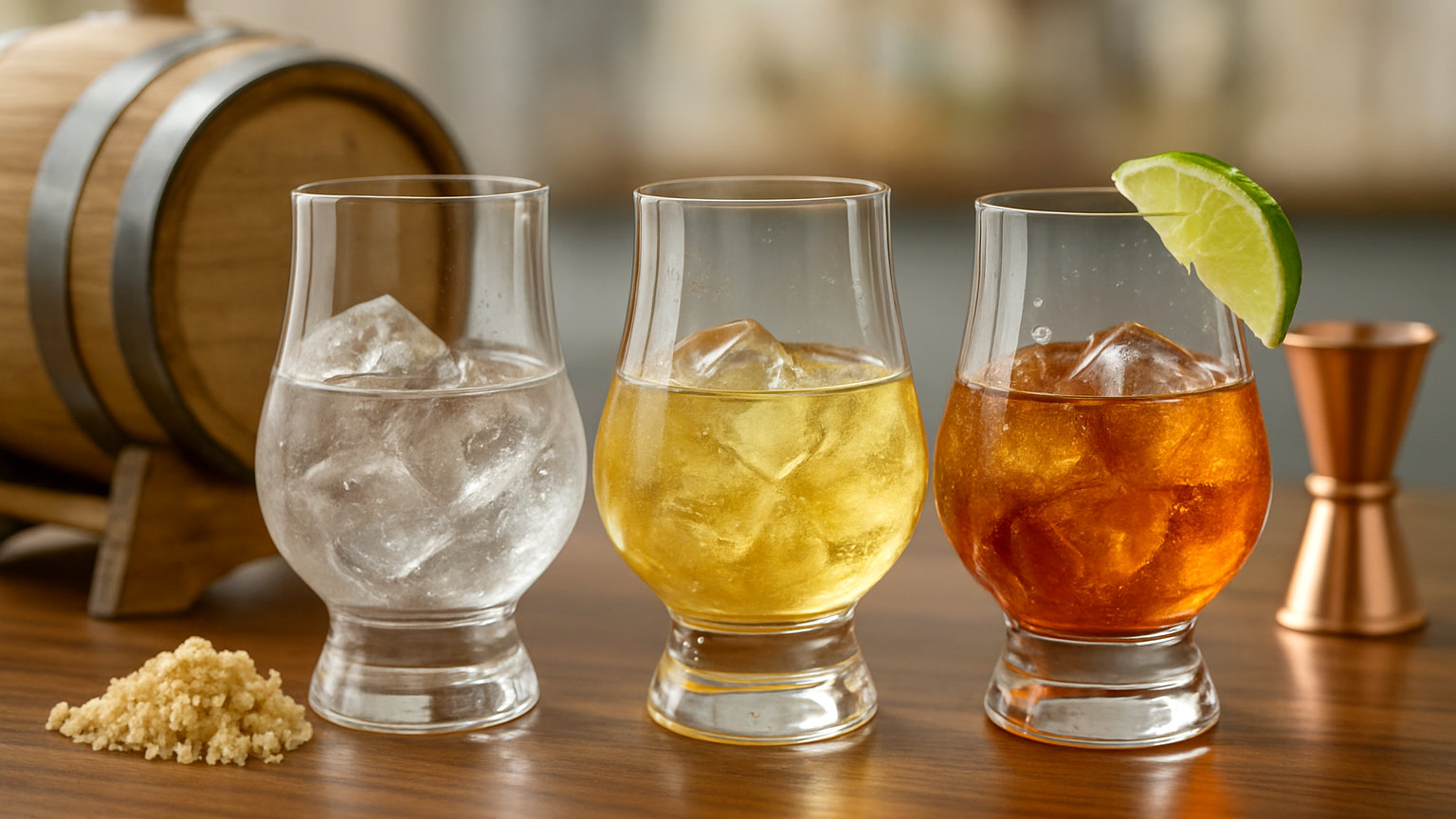
Rum colour is the least reliable indicator in spirits. It can come from a cask, from a bottle of caramel, or it can have been removed after ageing.
Distillation counts on vodka labels are the most quoted number in the category and the least meaningful. Here is what the figure describes and what it does not.
Old Tom sits between sweet Dutch genever and dry London gin. It nearly disappeared, and it came back because a number of classic cocktails do not work properly without it.
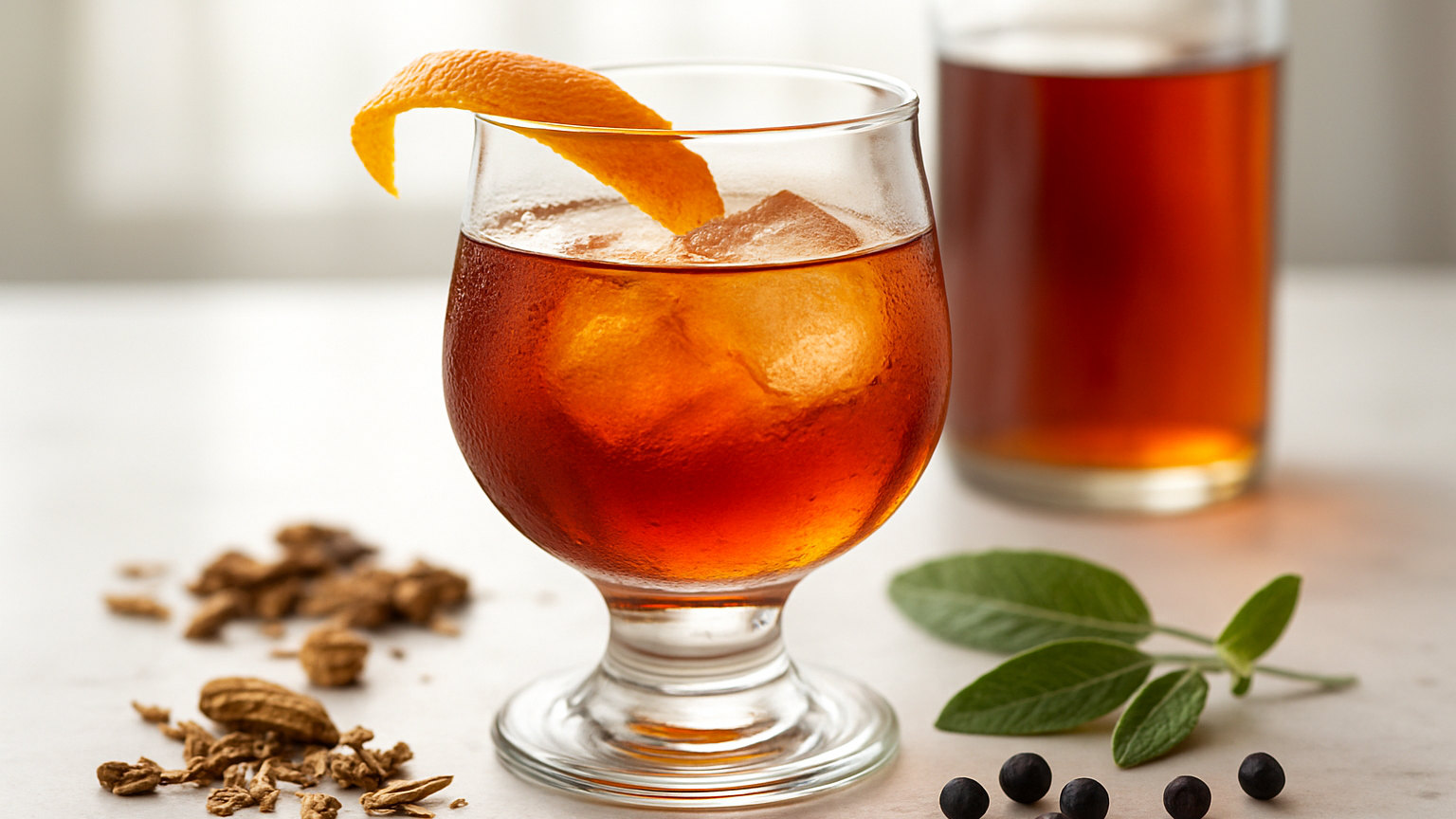
Italian bitter liqueurs made from herbs, roots and bark. The bitterness is the point, it comes from specific plants, and the category is far wider than its reputation.
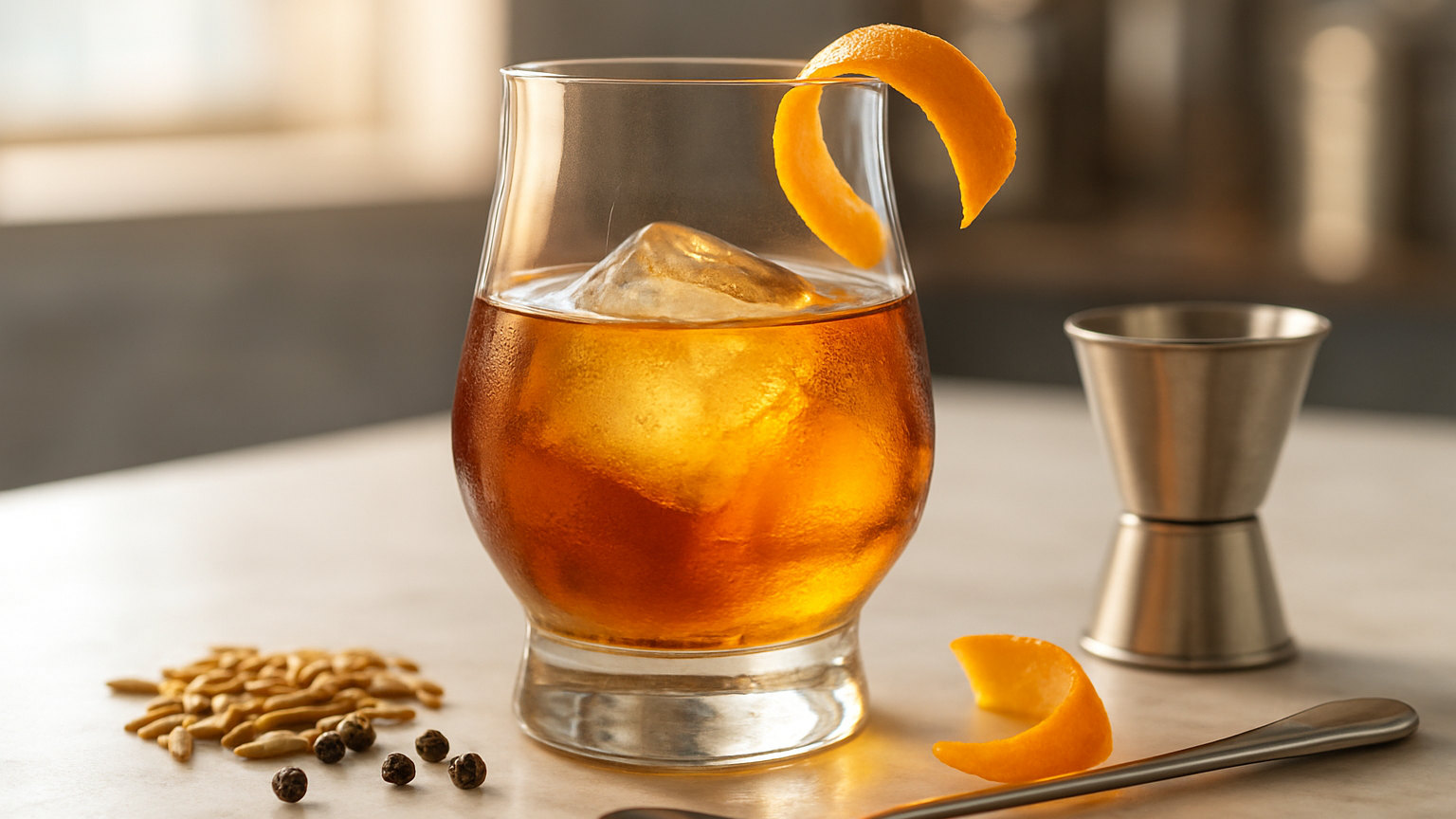
Rye is the grain that gives whiskey its pepper and bite. It disappeared for decades, came back for the cocktails, and behaves differently from bourbon in almost every drink.
Armagnac is older than cognac, made differently, and produced on a far smaller scale. It is also the one that gives you the option of buying the year you were born.
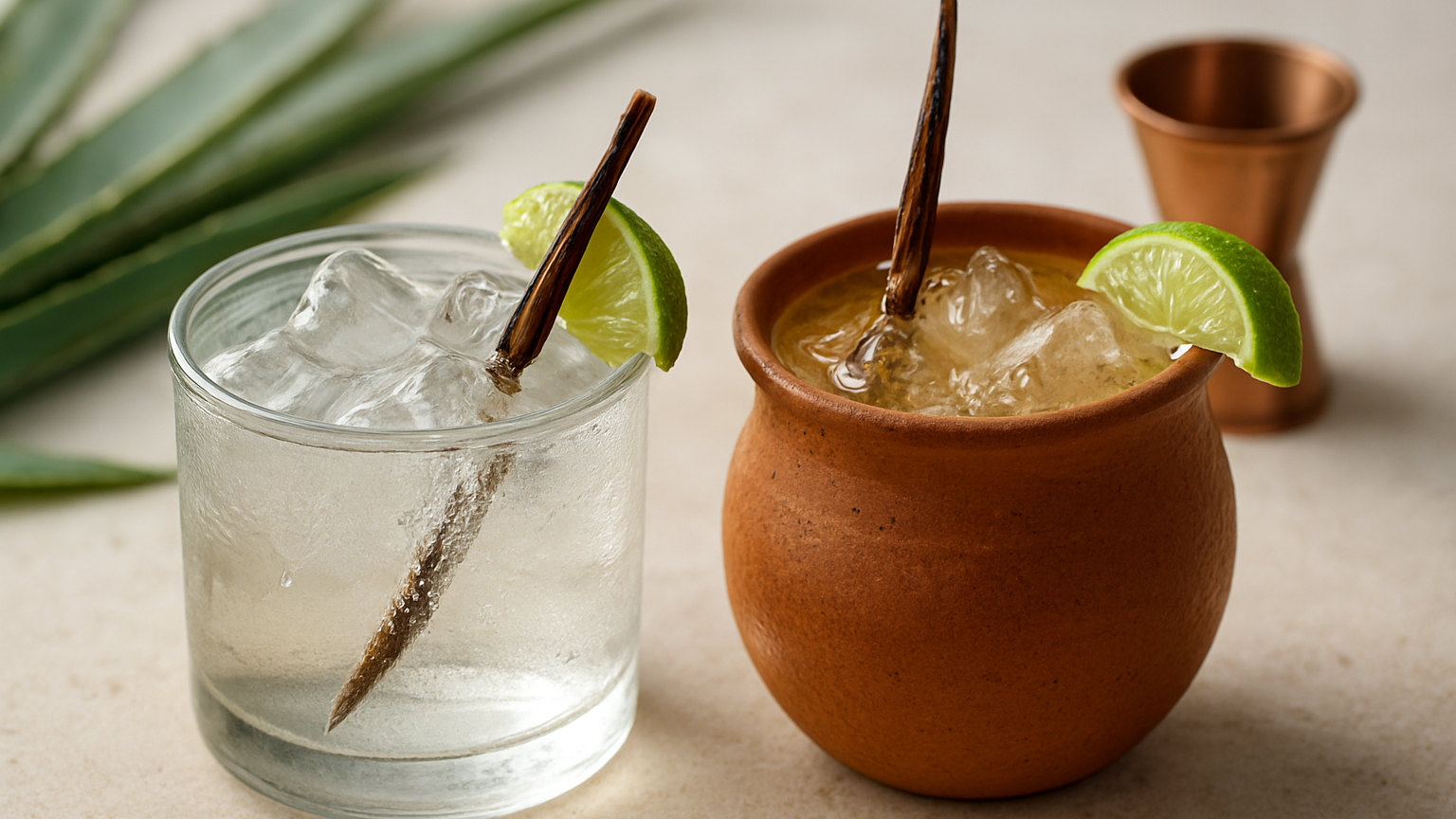
All tequila is technically a type of mezcal, but the reverse is not true. Mezcal uses dozens of agave species, a different region and largely traditional production.
Words like dark, gold, premium and reserve mean nothing in rum. Understanding why they mean nothing is the first step to reading a bottle accurately.
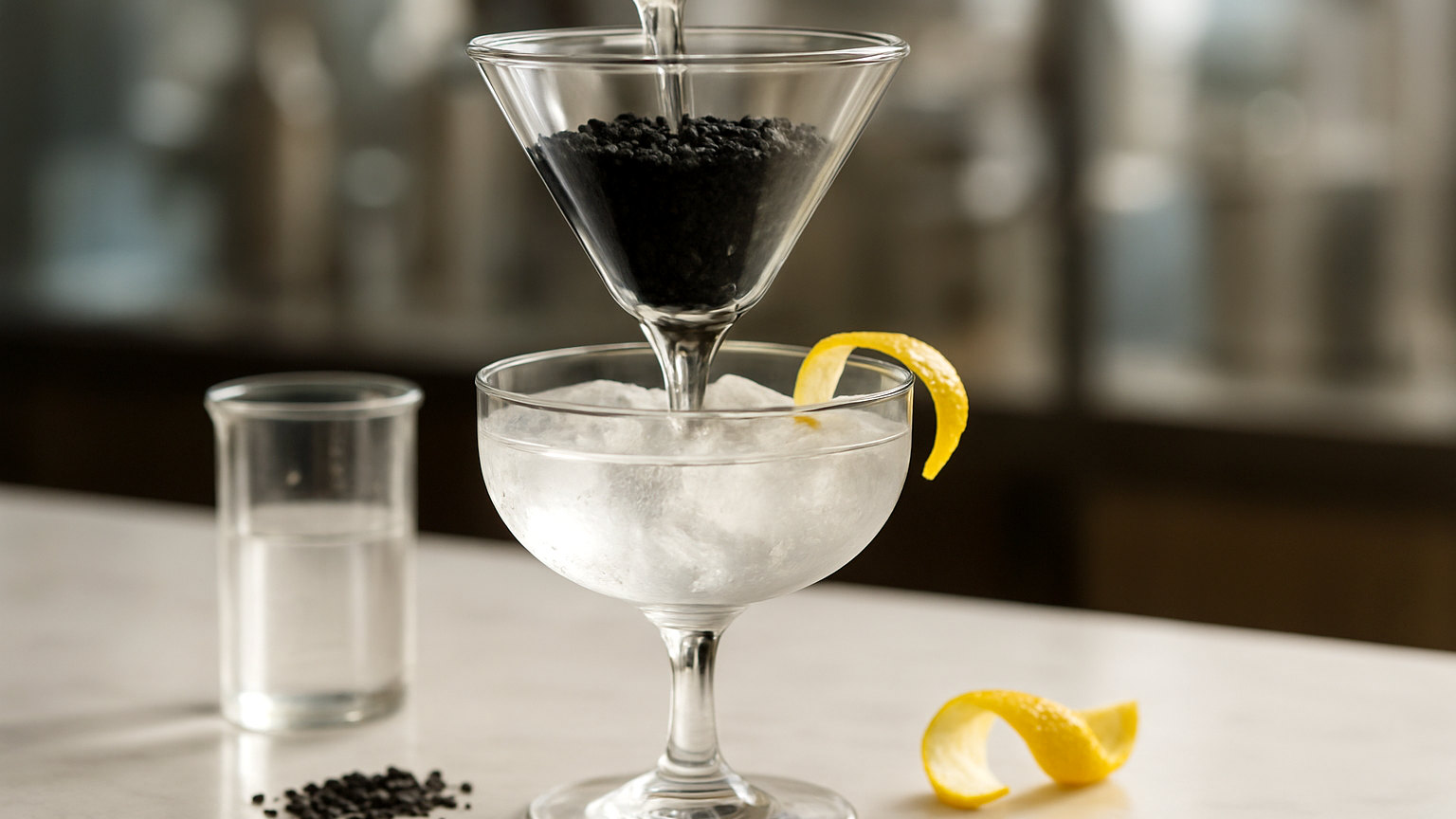
Charcoal filtering is the most advertised step in vodka production and one of the least understood. It removes real compounds, and past a point it removes nothing at all.
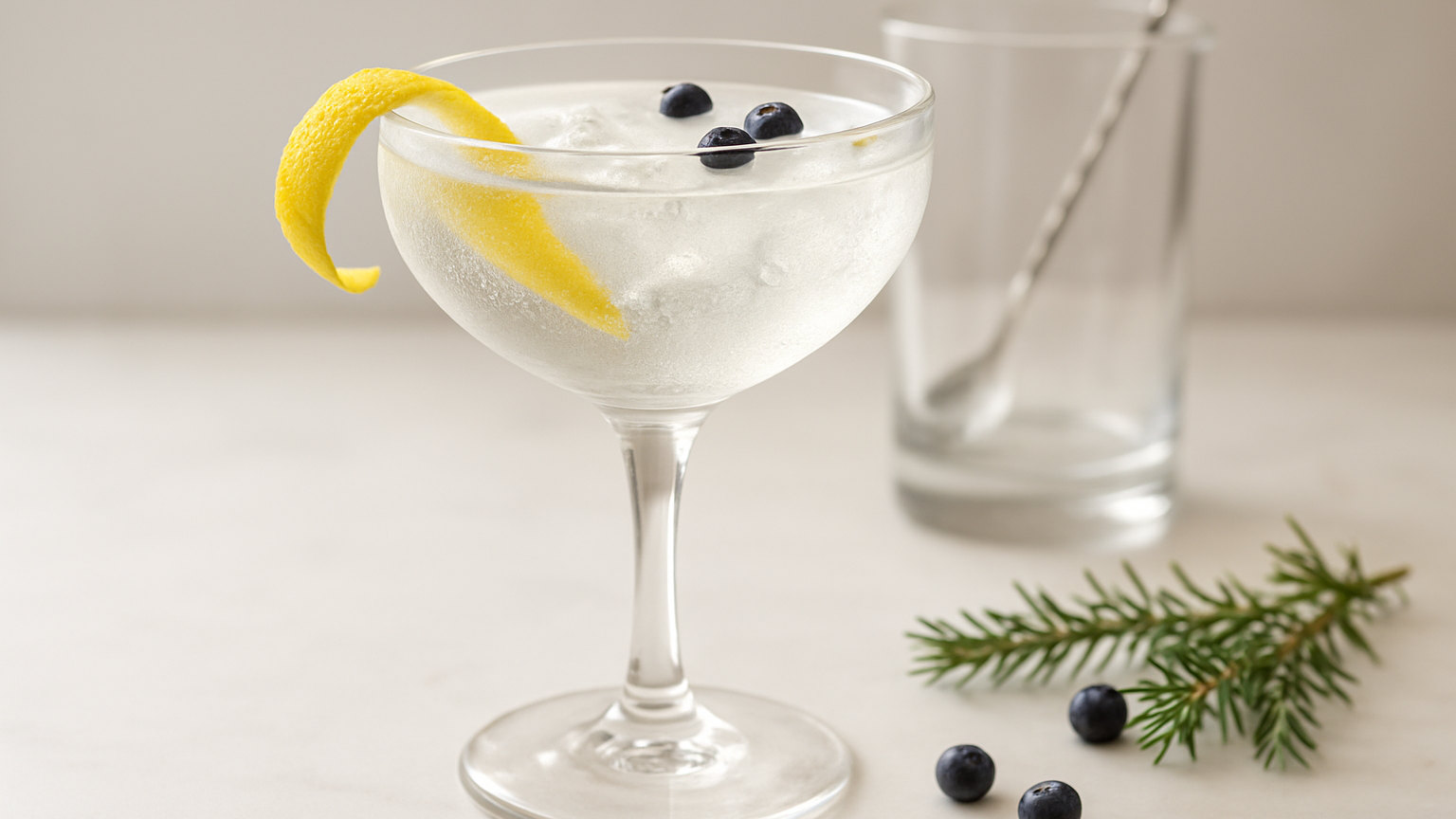
Juniper is the one thing every gin must contain, and it must lead. That legal requirement is why some heavily flavoured bottles are not sold as gin at all.