What Is the Right Order to Serve Wines In?
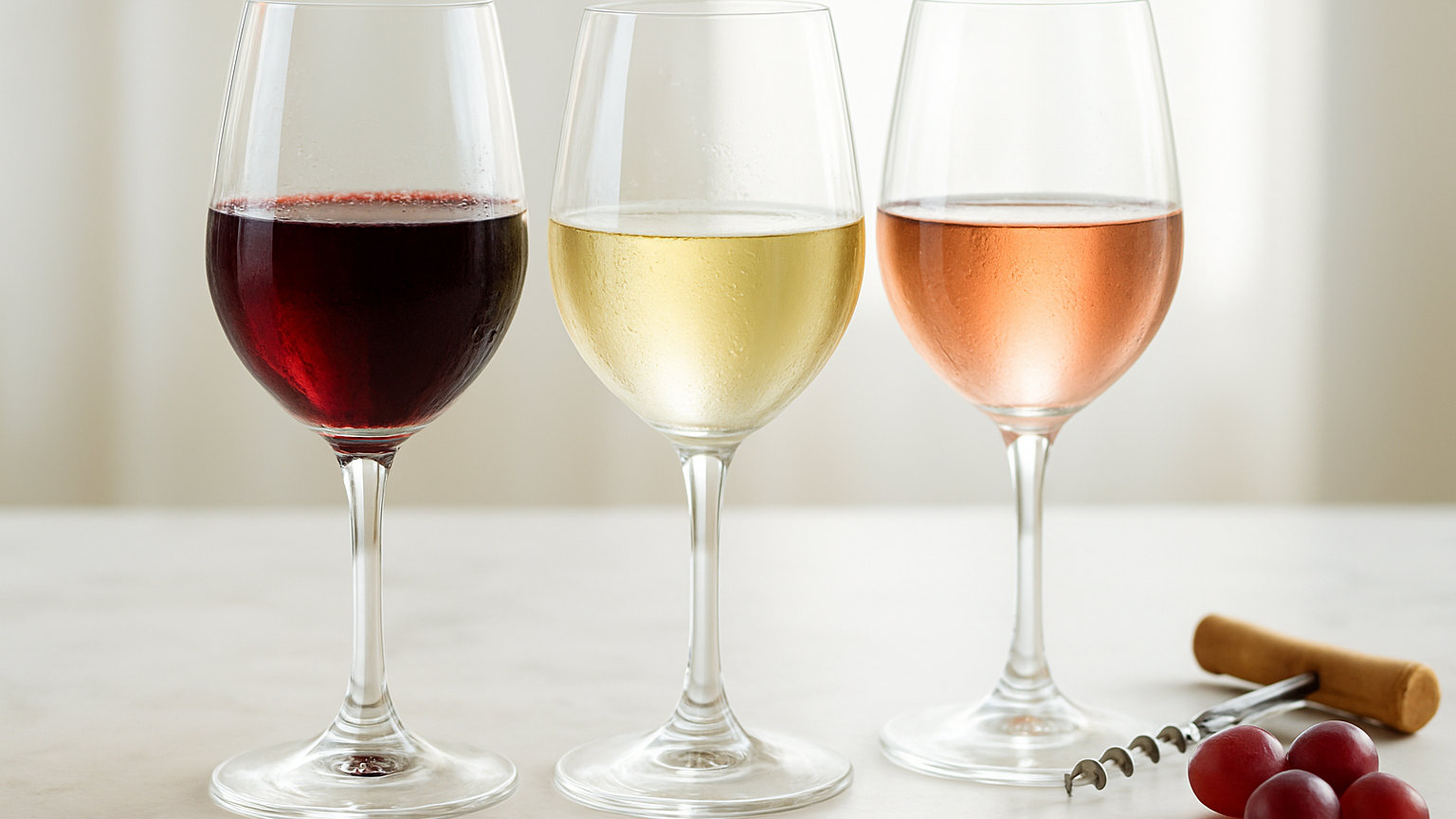
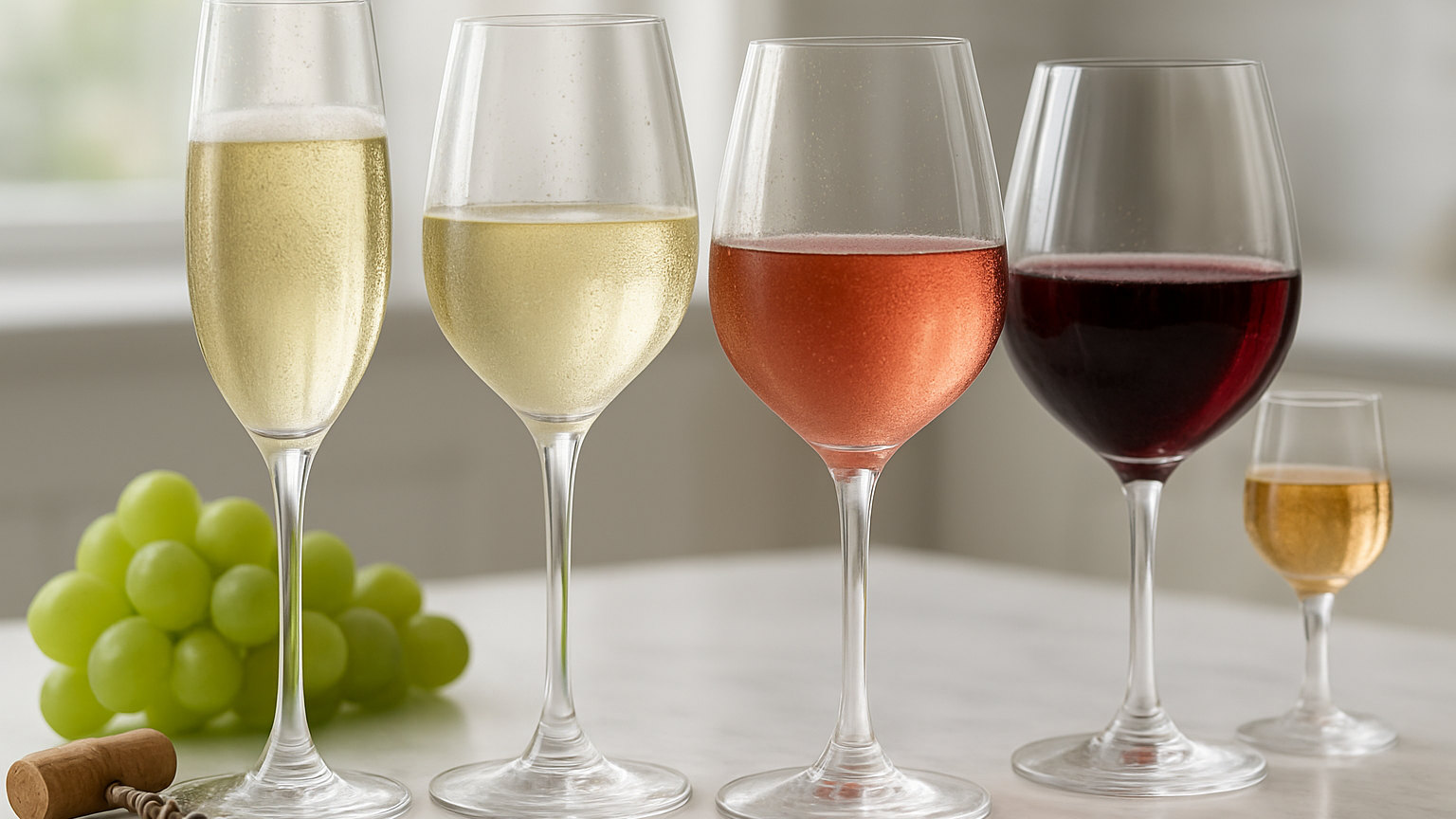
Serving several wines in the wrong sequence makes at least one of them taste worse than it is. The principles are simple and they explain why the conventions exist.
Wine has more vocabulary attached to it than any other drink, and most of it exists to make buying harder rather than easier. These guides cover what the grape actually does, what a region tells you, how to taste without performing, and how to spend twelve pounds well.
Serving several wines in the wrong sequence makes at least one of them taste worse than it is. The principles are simple and they explain why the conventions exist.
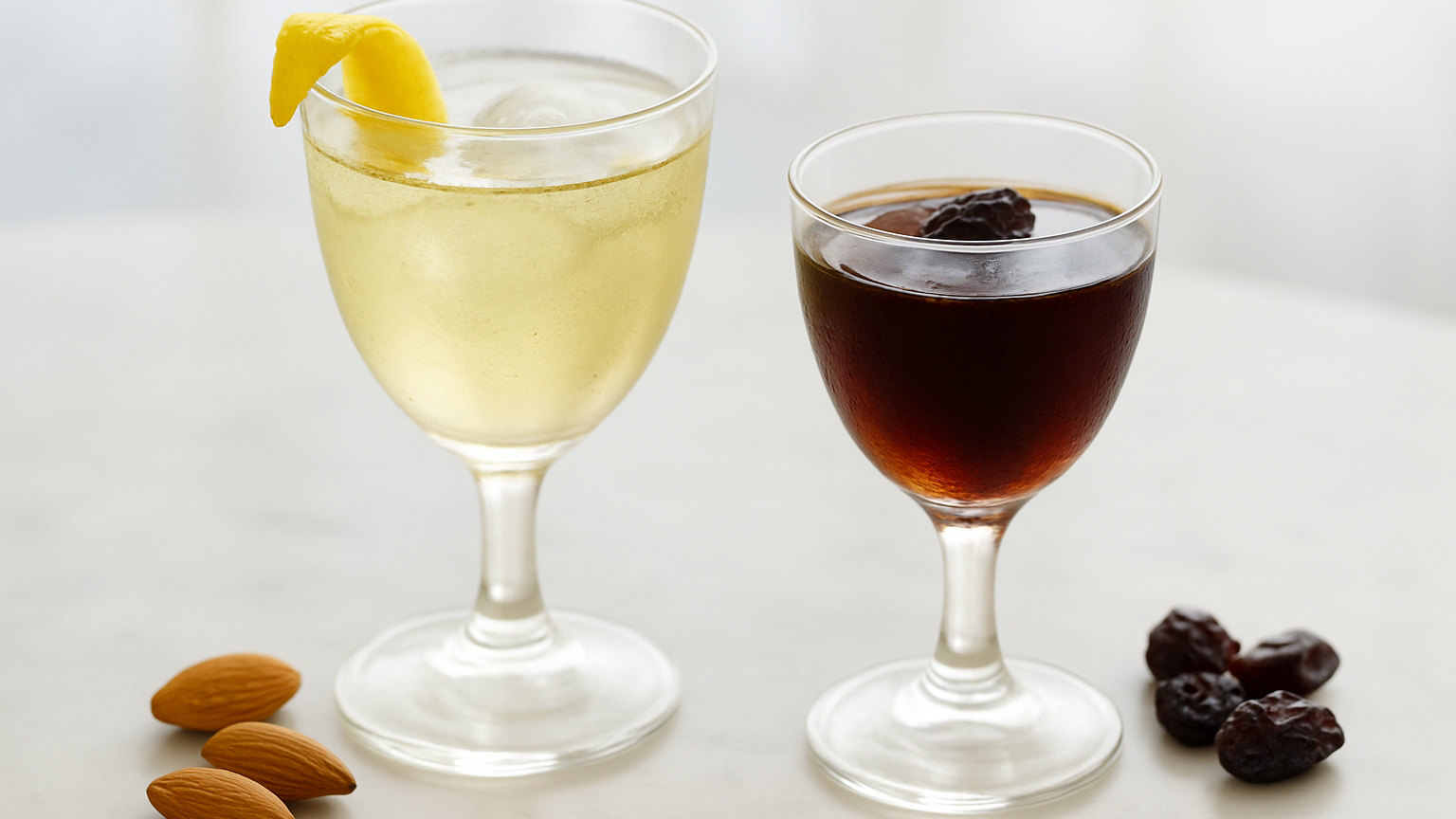
Most sherry is completely dry, and the sweet styles that shaped its reputation are a small and clearly labelled minority. The terms on the bottle are precise once you know them.
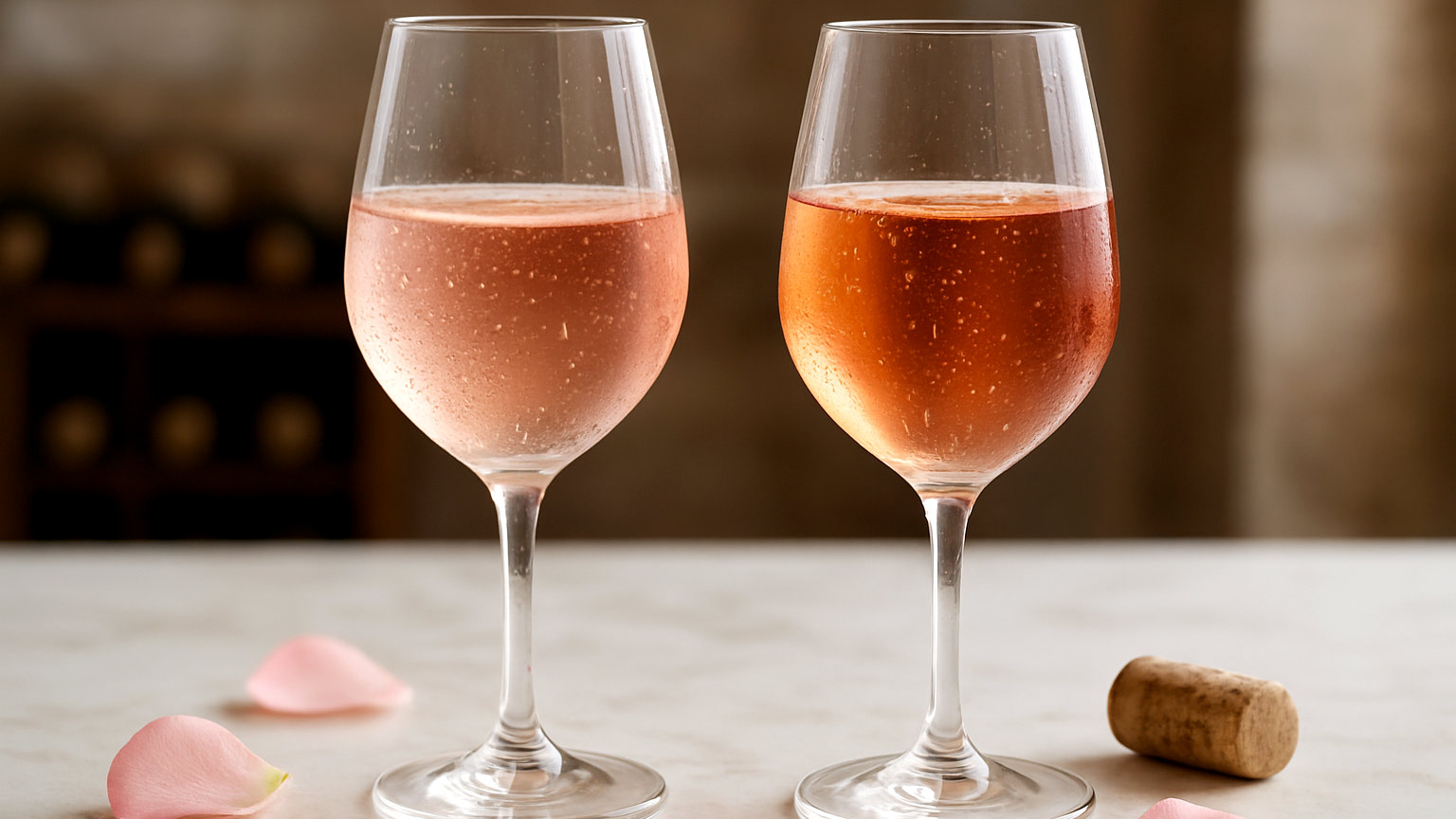
Almost all rosé should be drunk within a year, and the vintage on the bottle matters more here than in any other category. A small number of wines are genuine exceptions.
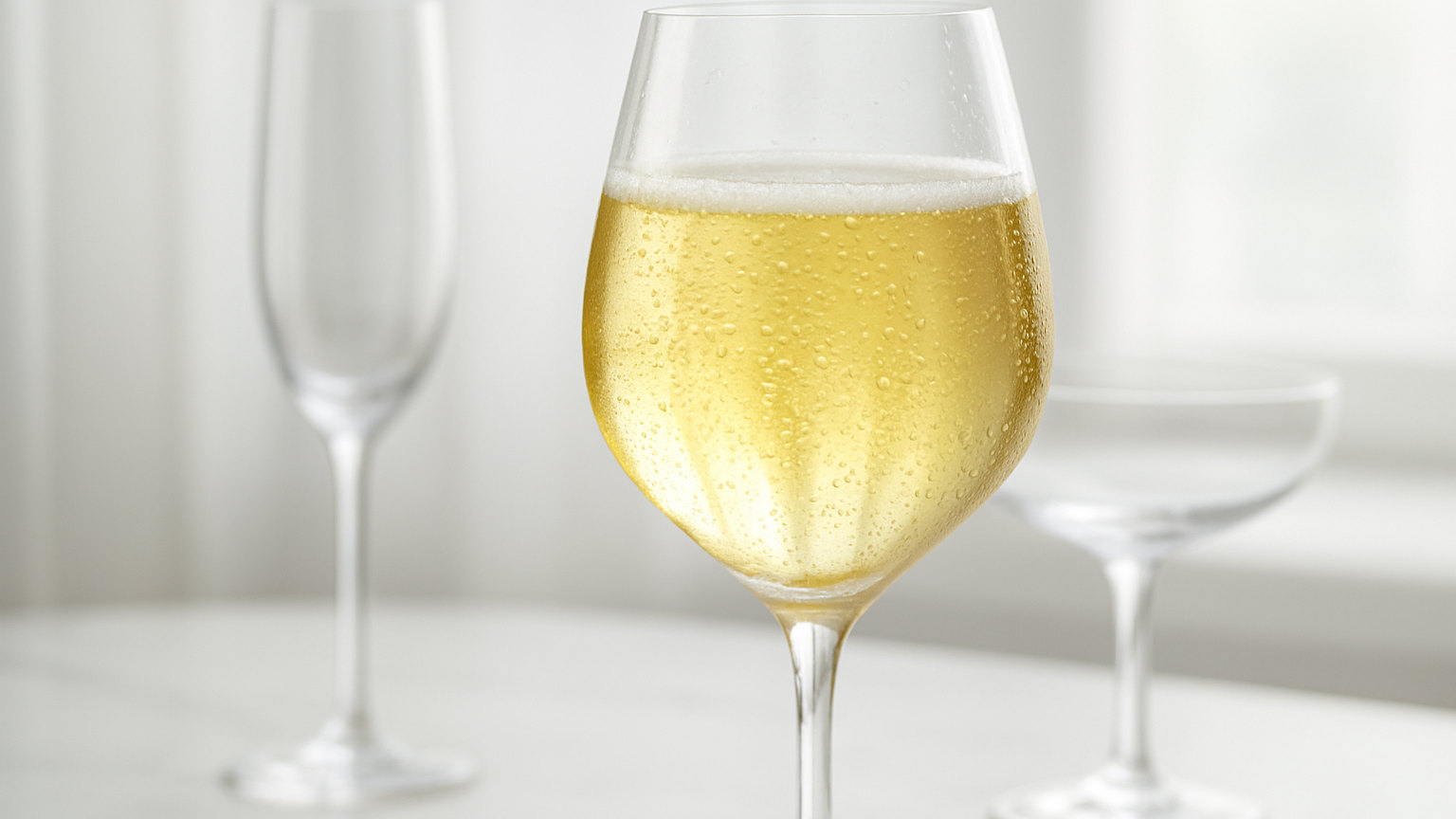
The flute preserves the bubbles and hides the wine. The coupe does neither. The glass most producers now recommend is the one nobody associates with sparkling wine at all.
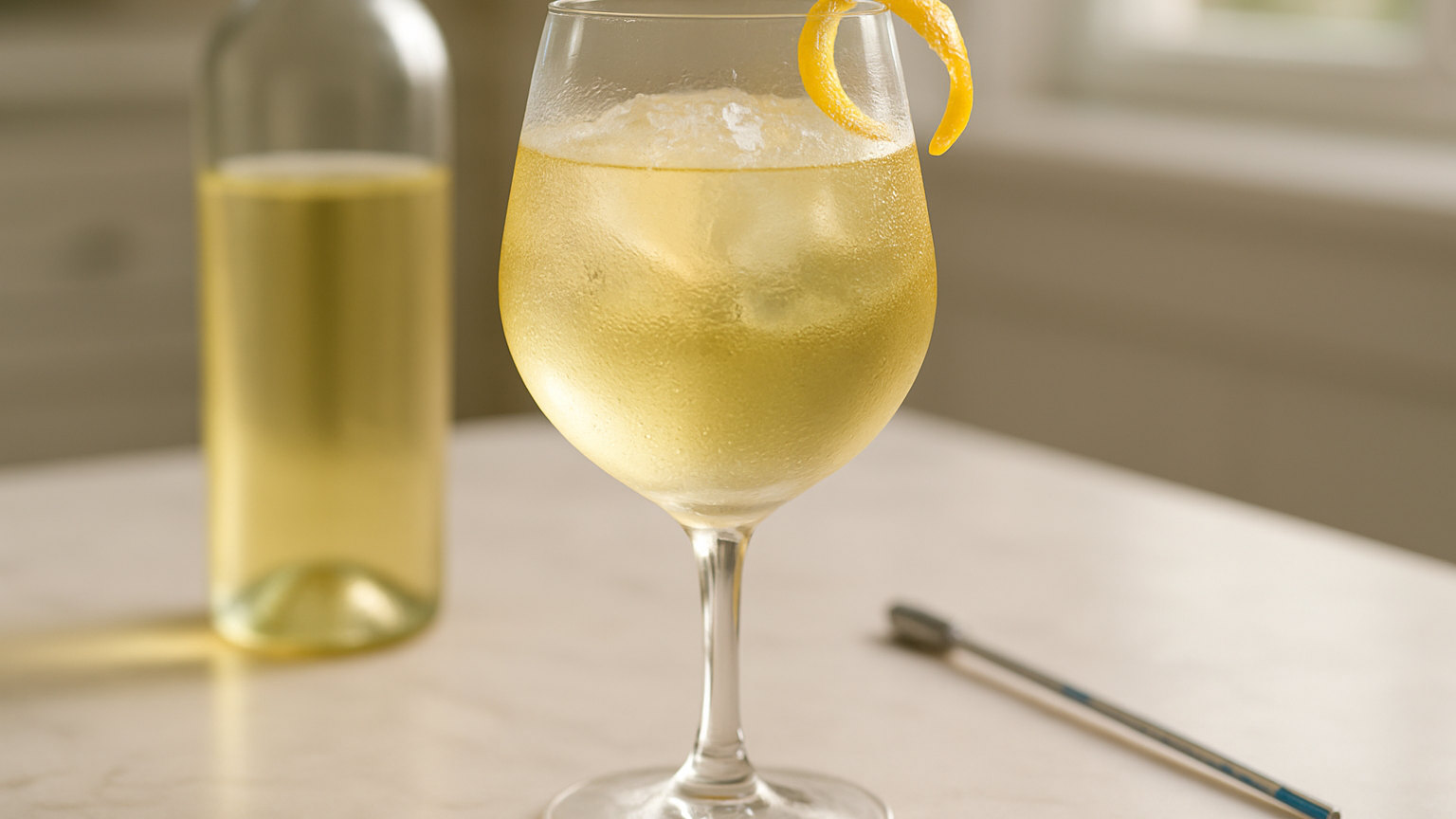
Most white wine in Britain is served too cold, which mutes exactly the aromatics people paid for. The correct range is wider and warmer than the fridge suggests.
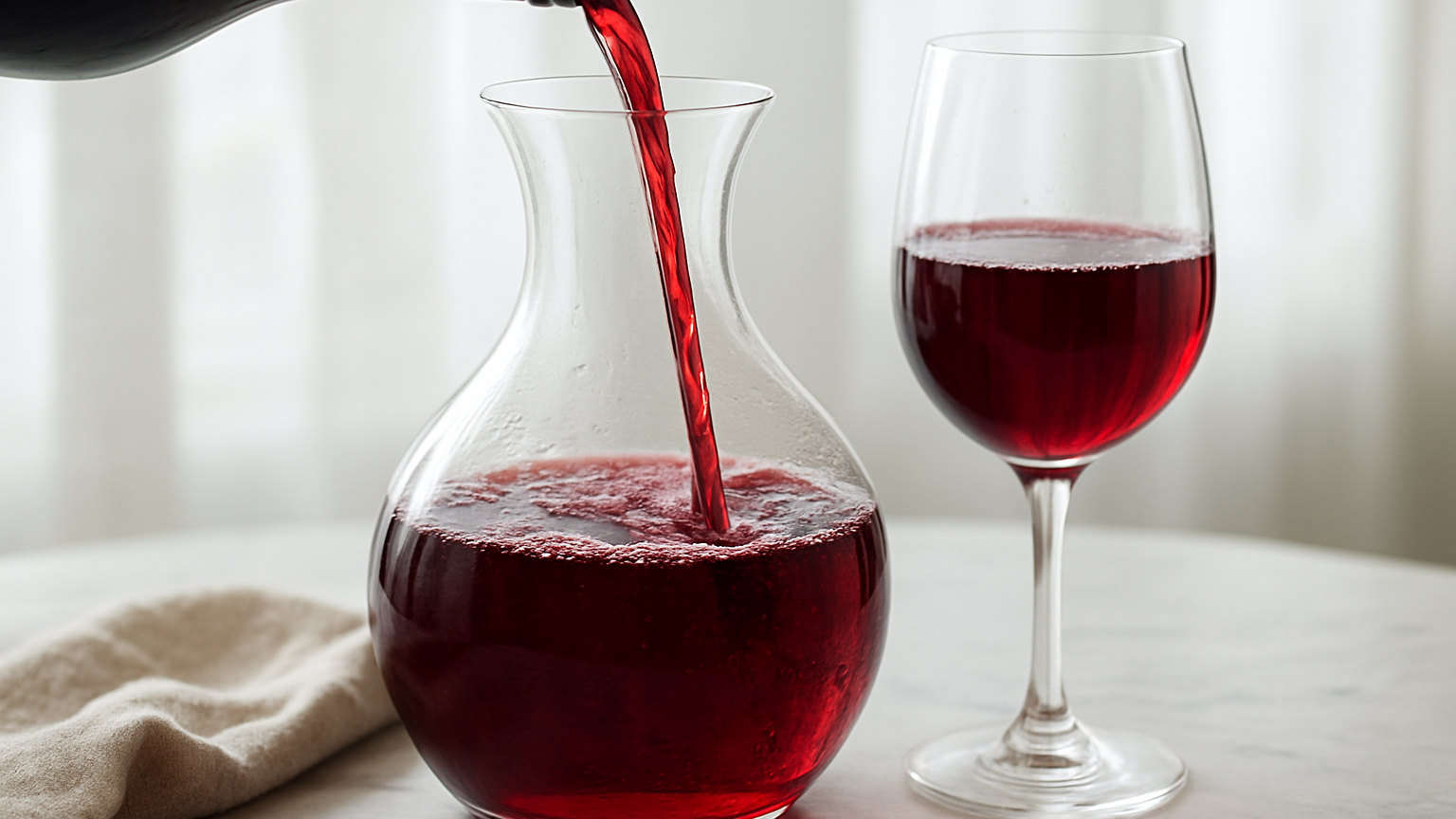
Decanting does two entirely separate jobs, and confusing them is why the practice has a reputation for pretension. One of them genuinely helps young wine.
Supermarkets, independent merchants, online specialists and wine clubs all sell wine and none of them is best at everything. Which to use depends on what you are trying to buy.
The wine trade would like you to own six sets. One good set covers almost everything, and the money saved buys a great deal more wine than the glasses would improve.
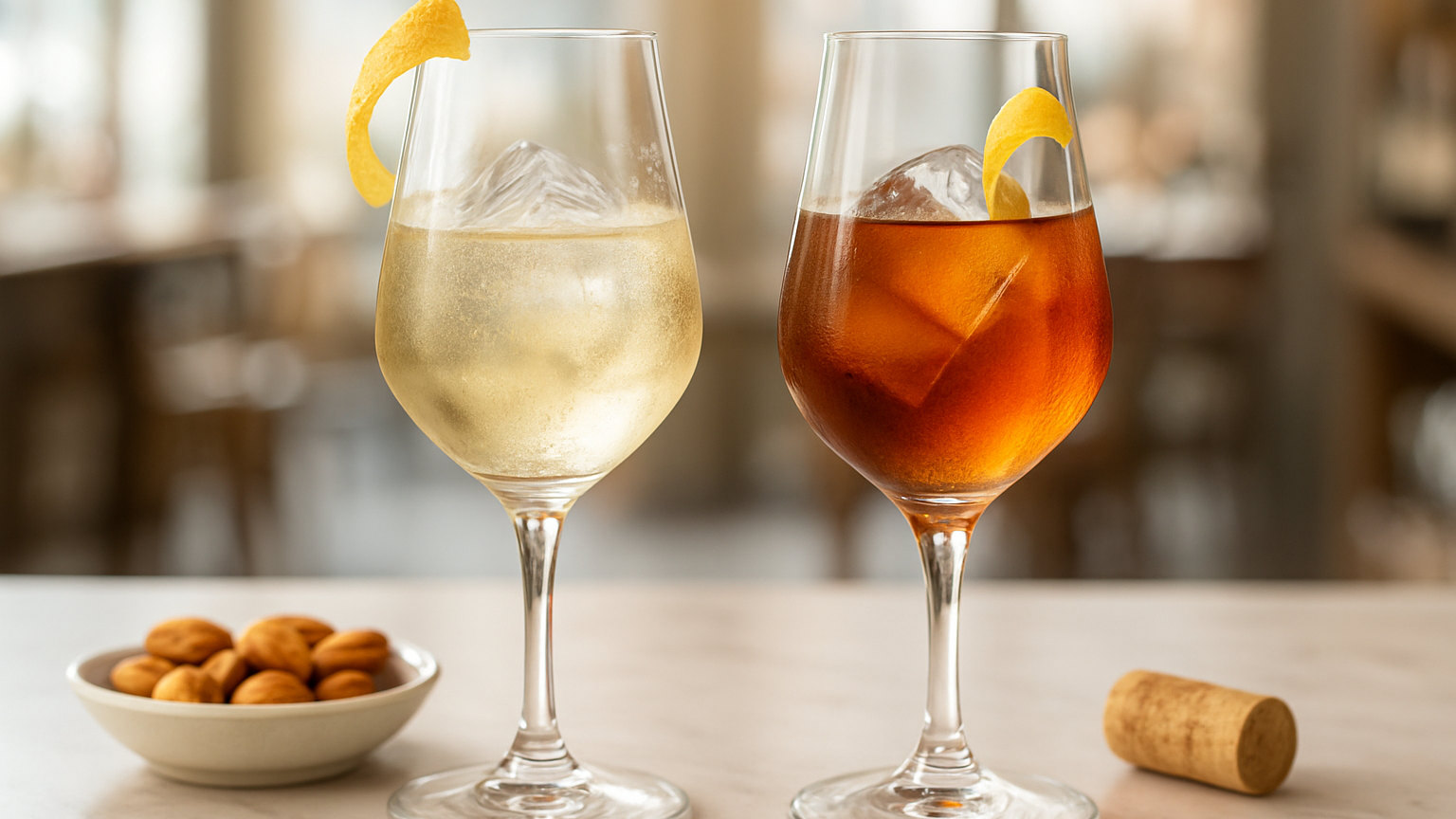
The two main styles of sherry are opposites in almost every respect, and choosing between them is the first real decision in the category. Both are bone dry.
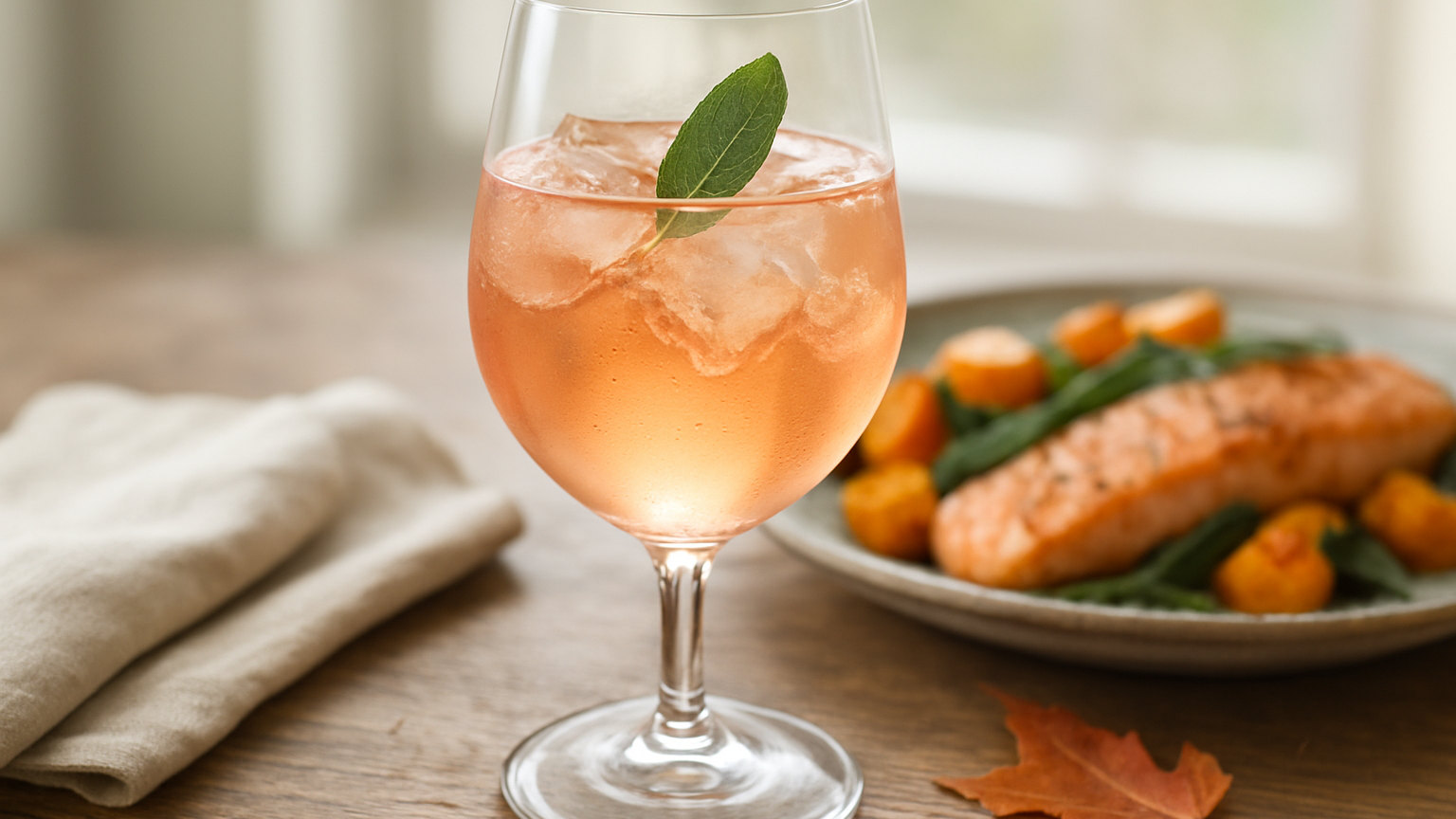
Rosé sales collapse in October and recover in May, which tells you about habit rather than about the wine. Several styles are better suited to autumn cooking than to a hot afternoon.
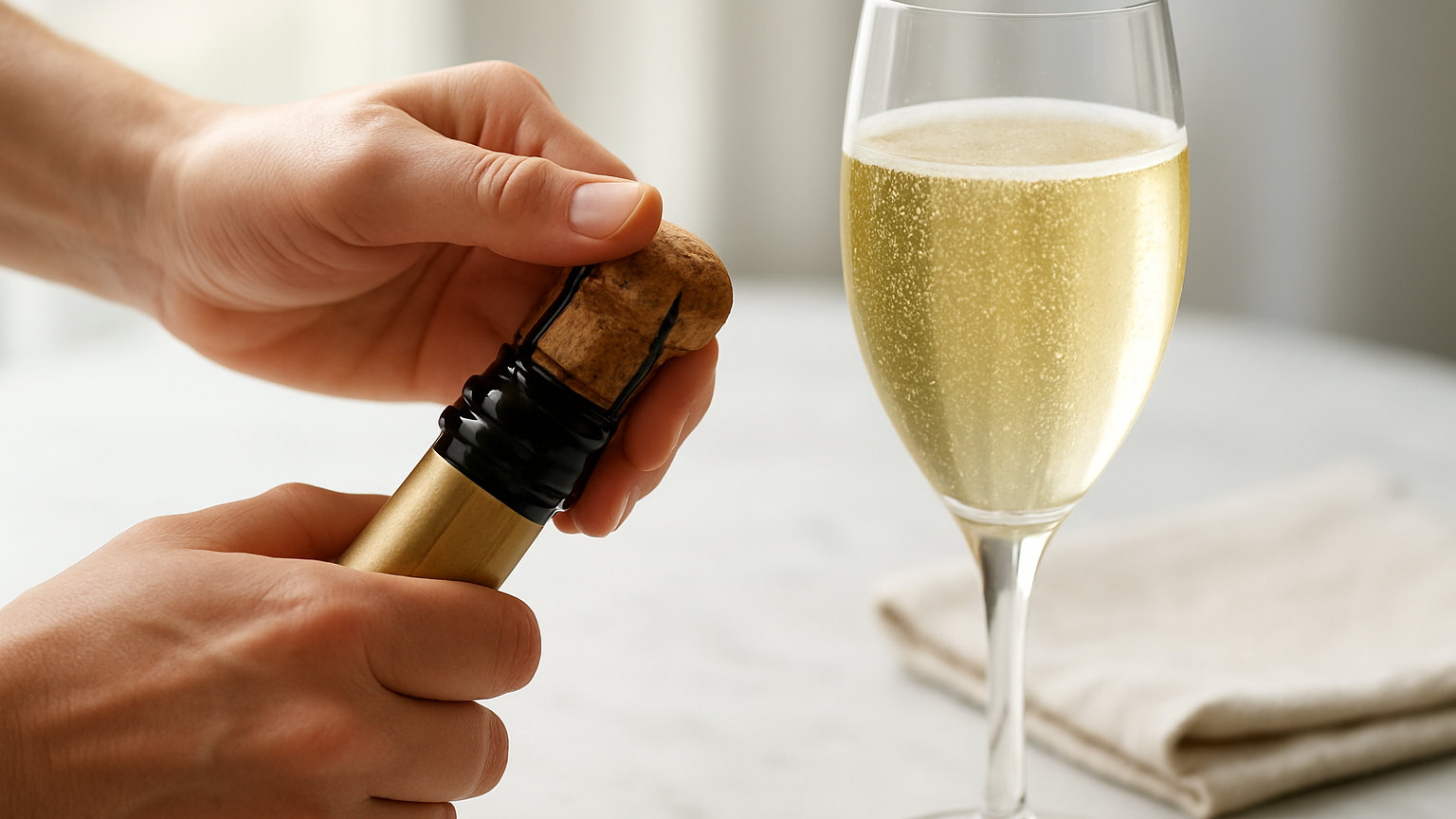
A bottle of sparkling wine holds around six atmospheres of pressure, and the cork can leave at speed. Opening it quietly is safer, wastes nothing and takes no longer.
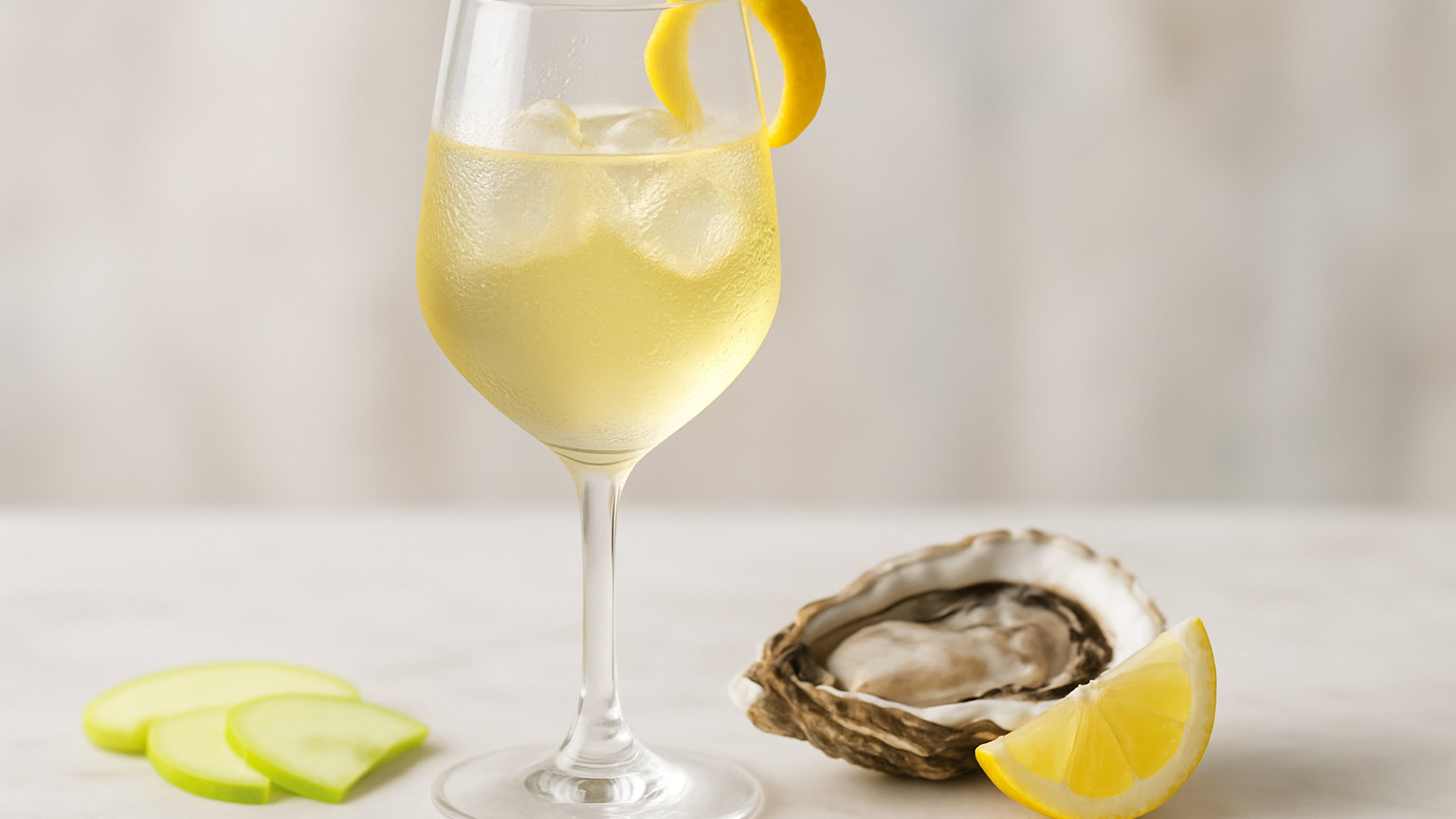
Acidity is the backbone of white wine, doing the structural job that tannin does in red. It decides whether a wine refreshes, whether it works with food, and whether it will last.