What Are the Styles of Port, and How Do They Differ?
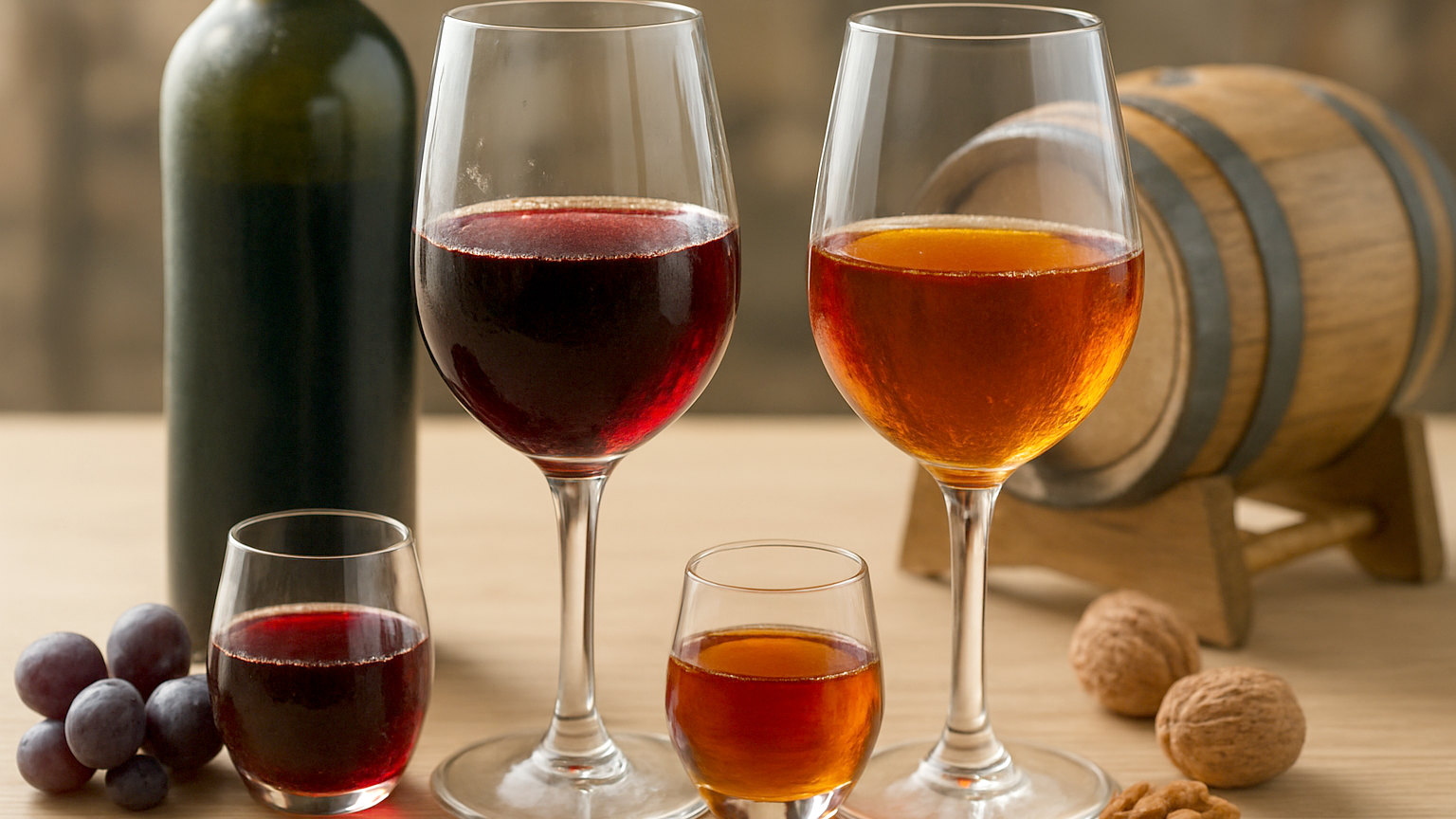
Port is not one wine but two families that share a name. One ages in bottle and one ages in cask, and almost everything else follows from which side a bottle sits on.
Wine has more vocabulary attached to it than any other drink, and most of it exists to make buying harder rather than easier. These guides cover what the grape actually does, what a region tells you, how to taste without performing, and how to spend twelve pounds well.
Port is not one wine but two families that share a name. One ages in bottle and one ages in cask, and almost everything else follows from which side a bottle sits on.
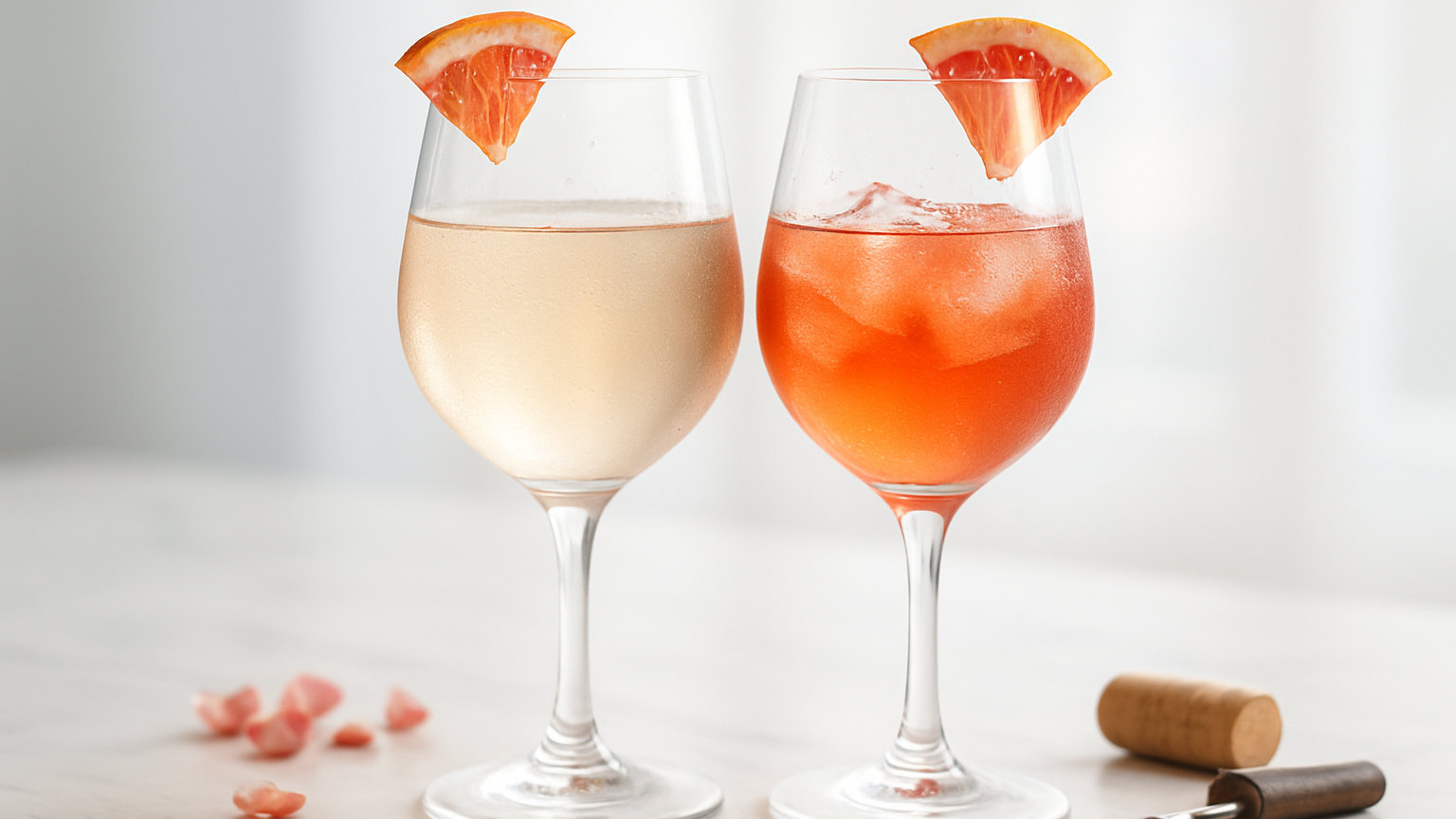
Pale rosé has become shorthand for quality and dark rosé for something cheap and sweet. The colour genuinely indicates a few things, and sweetness is not one of them.
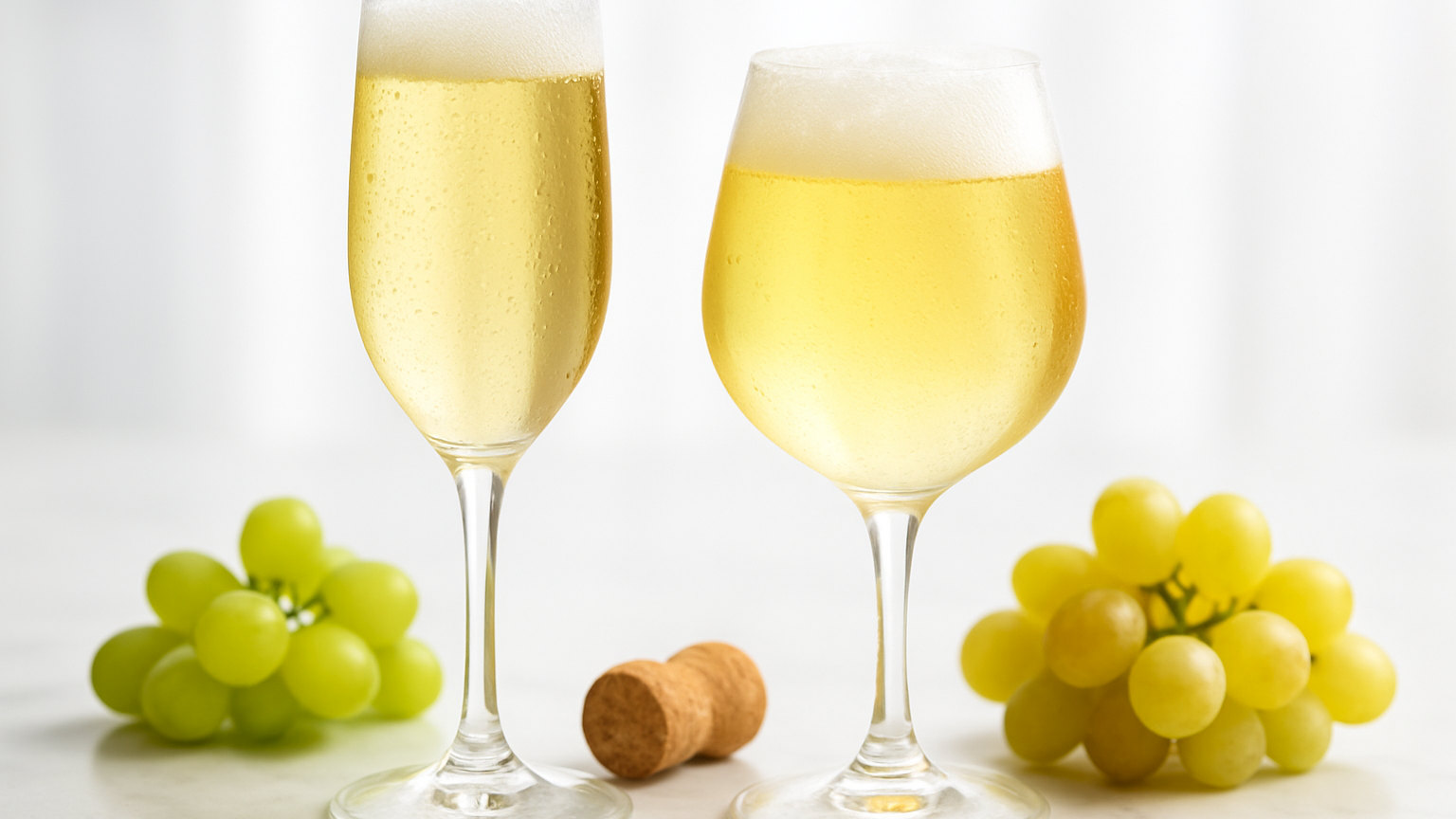
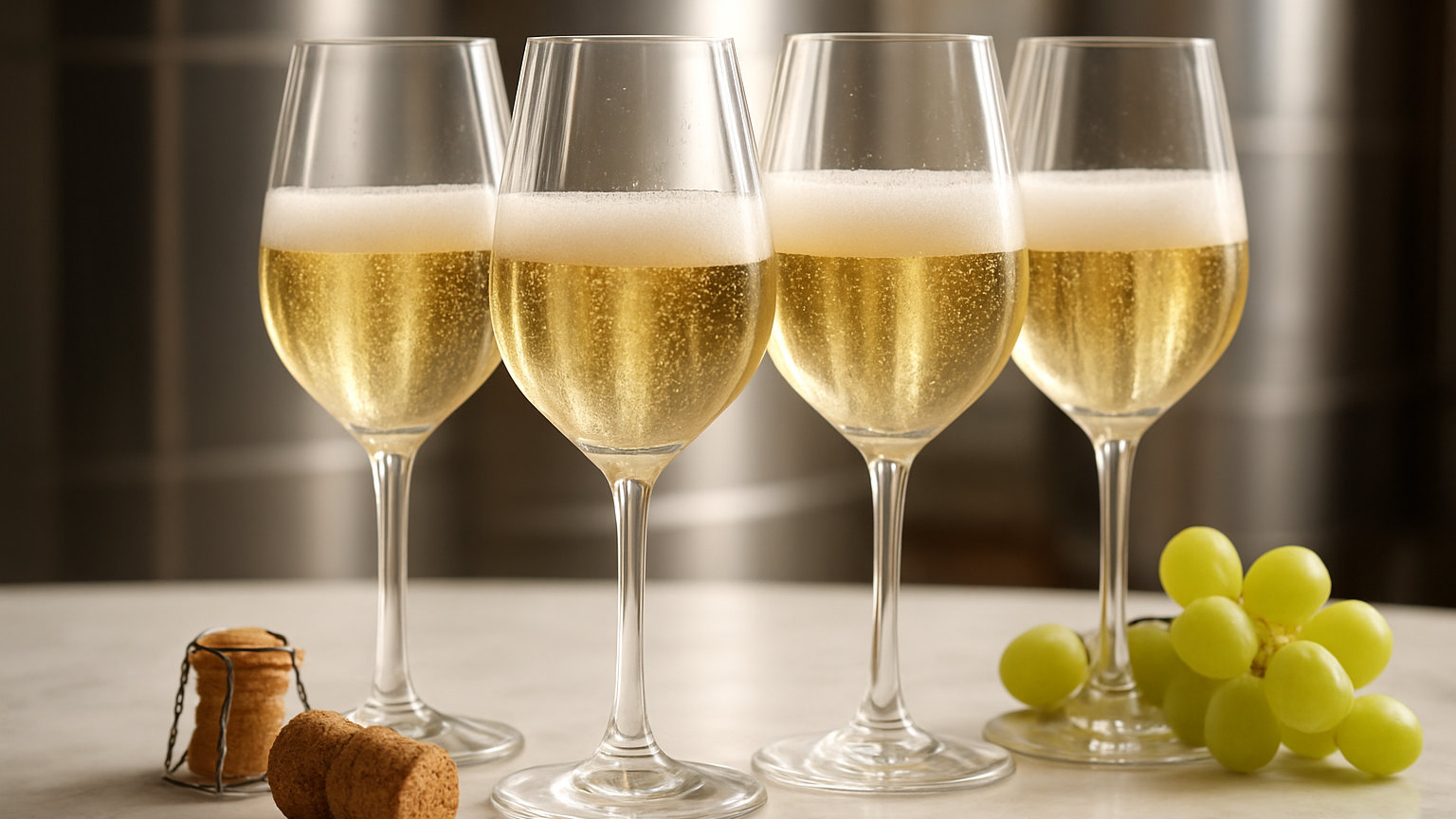
The two most popular sparkling wines are made from different grapes by different methods in different countries. Almost nothing they have in common survives past the bubbles.
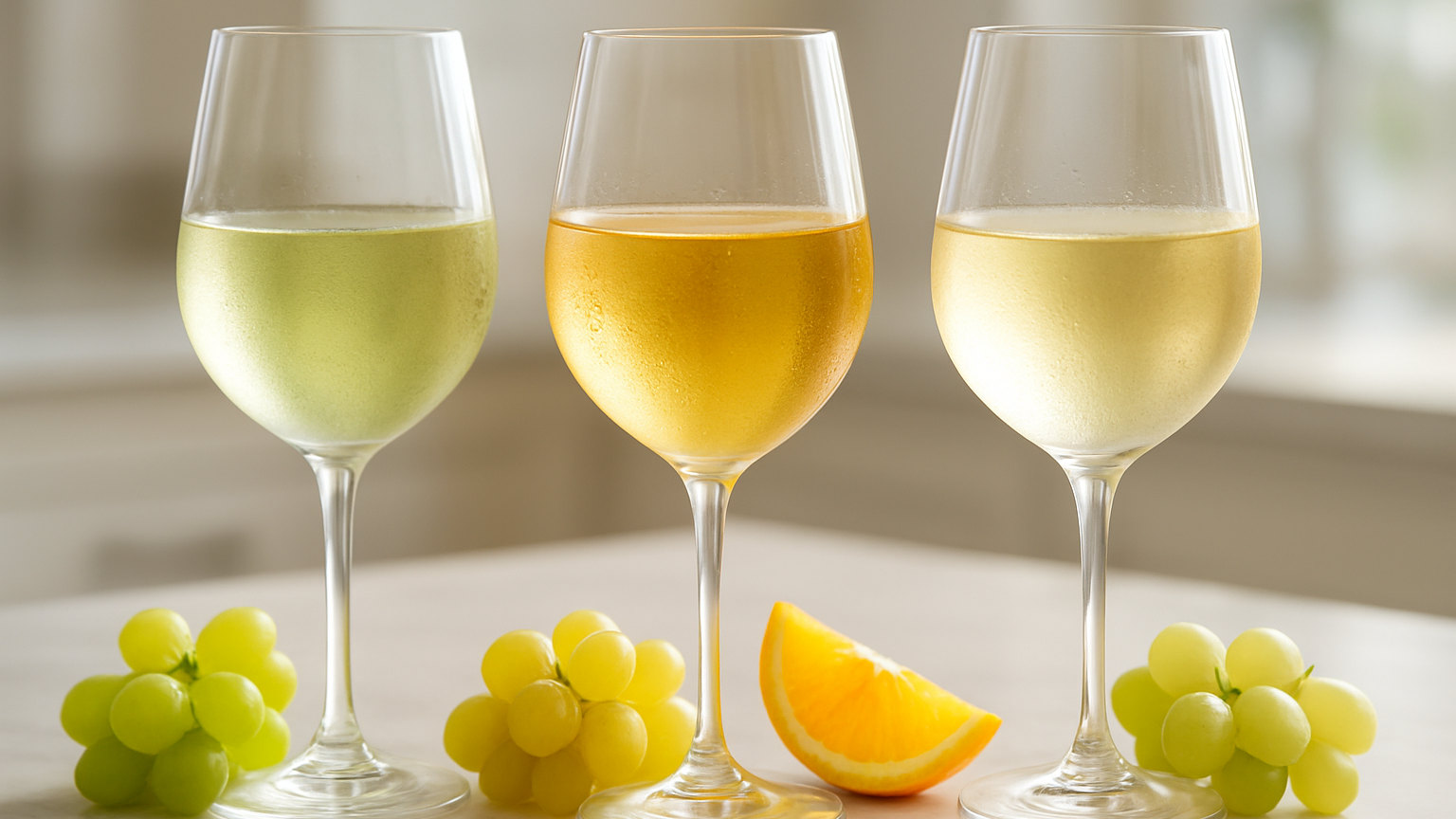
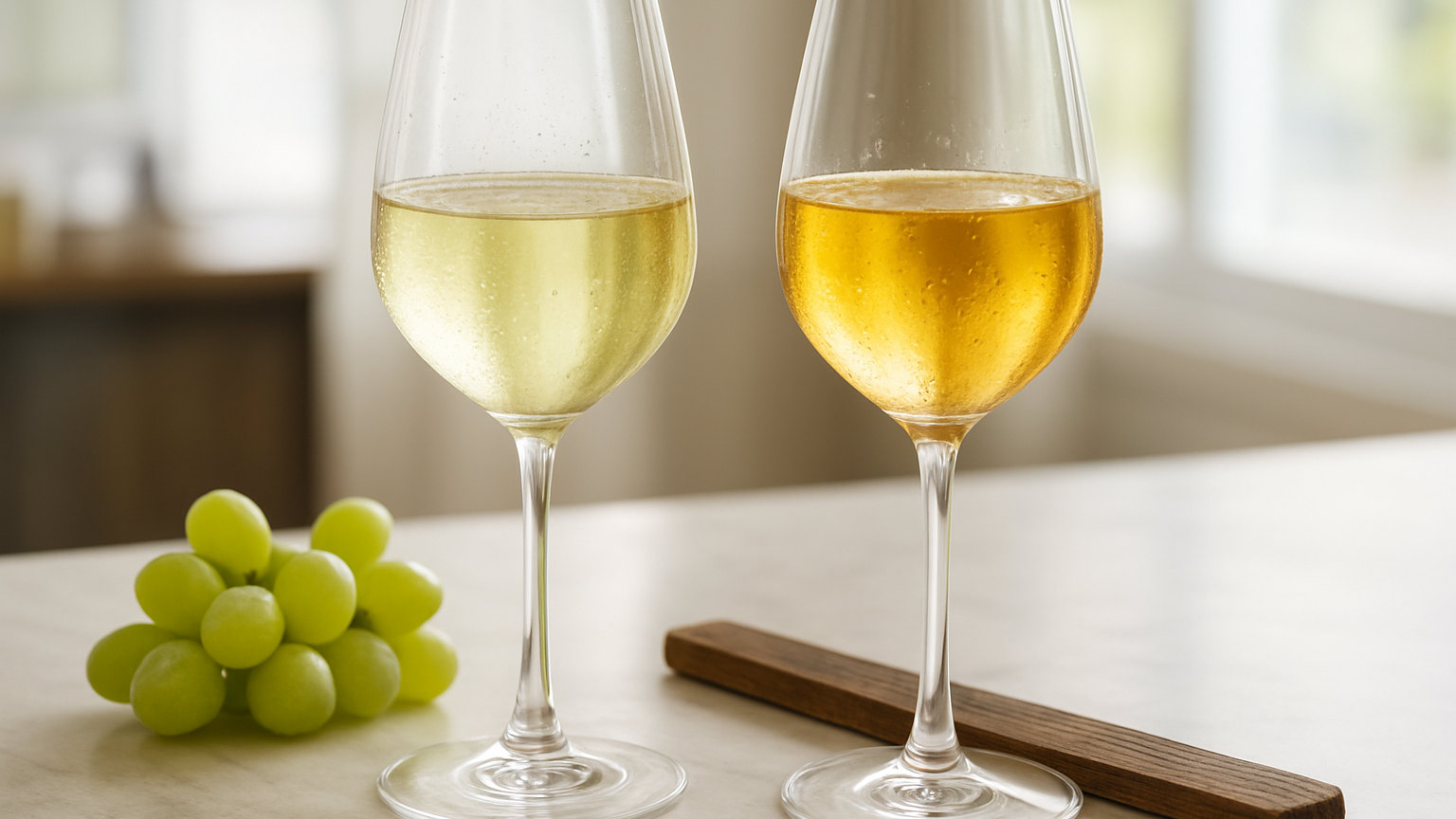
White wine covers a wider stylistic range than red, and the usual advice to start with something inoffensive is the fastest route to never finding out what you like.
The usual advice is to start with something soft and fruity, which is how a lot of people end up drinking the same wine for a decade. There is a better way to work through the main varieties.
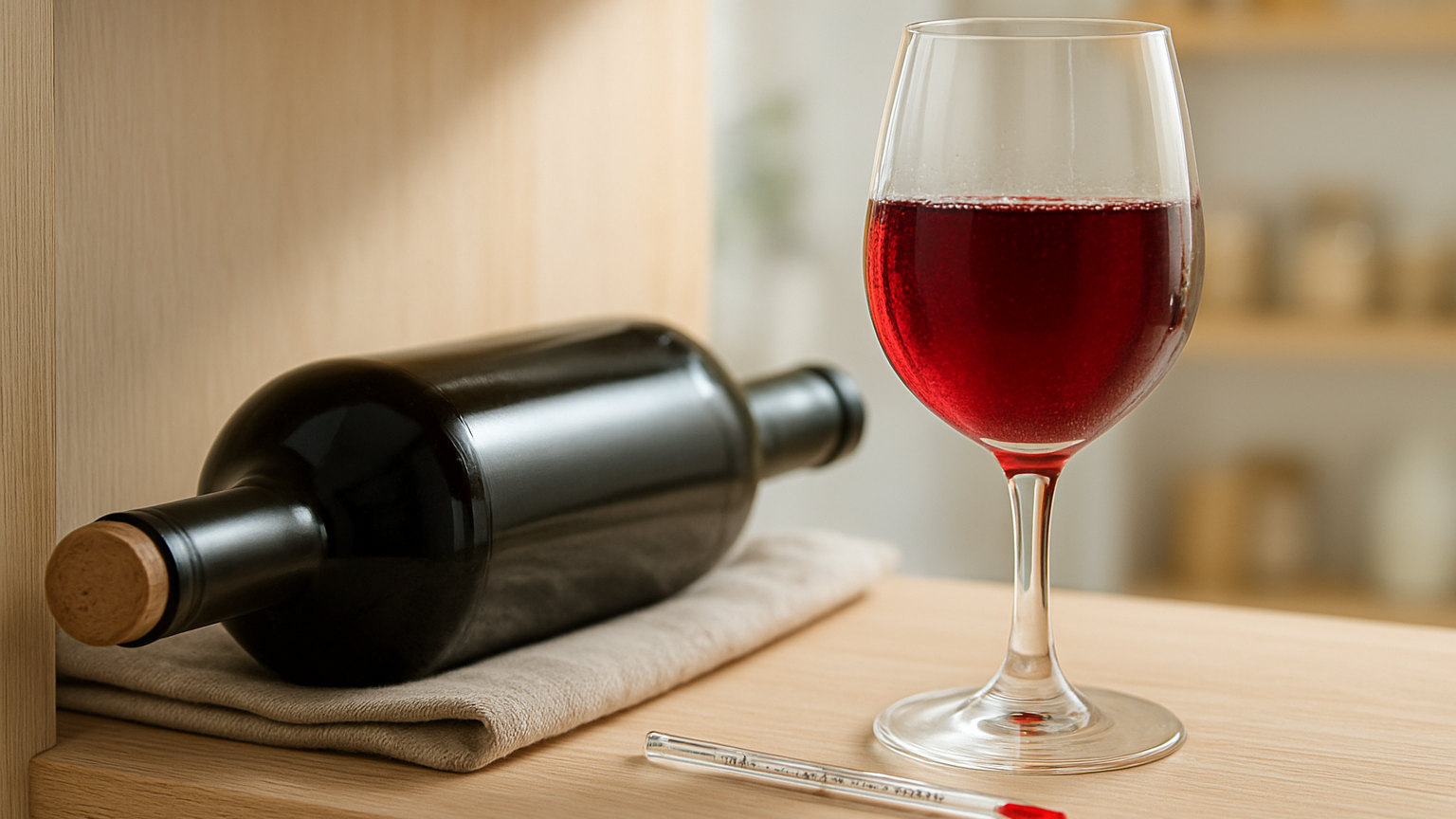
Most homes have no cellar and do not need one. Four conditions matter, one of them far more than the rest, and a cupboard in the right part of the house solves the problem.
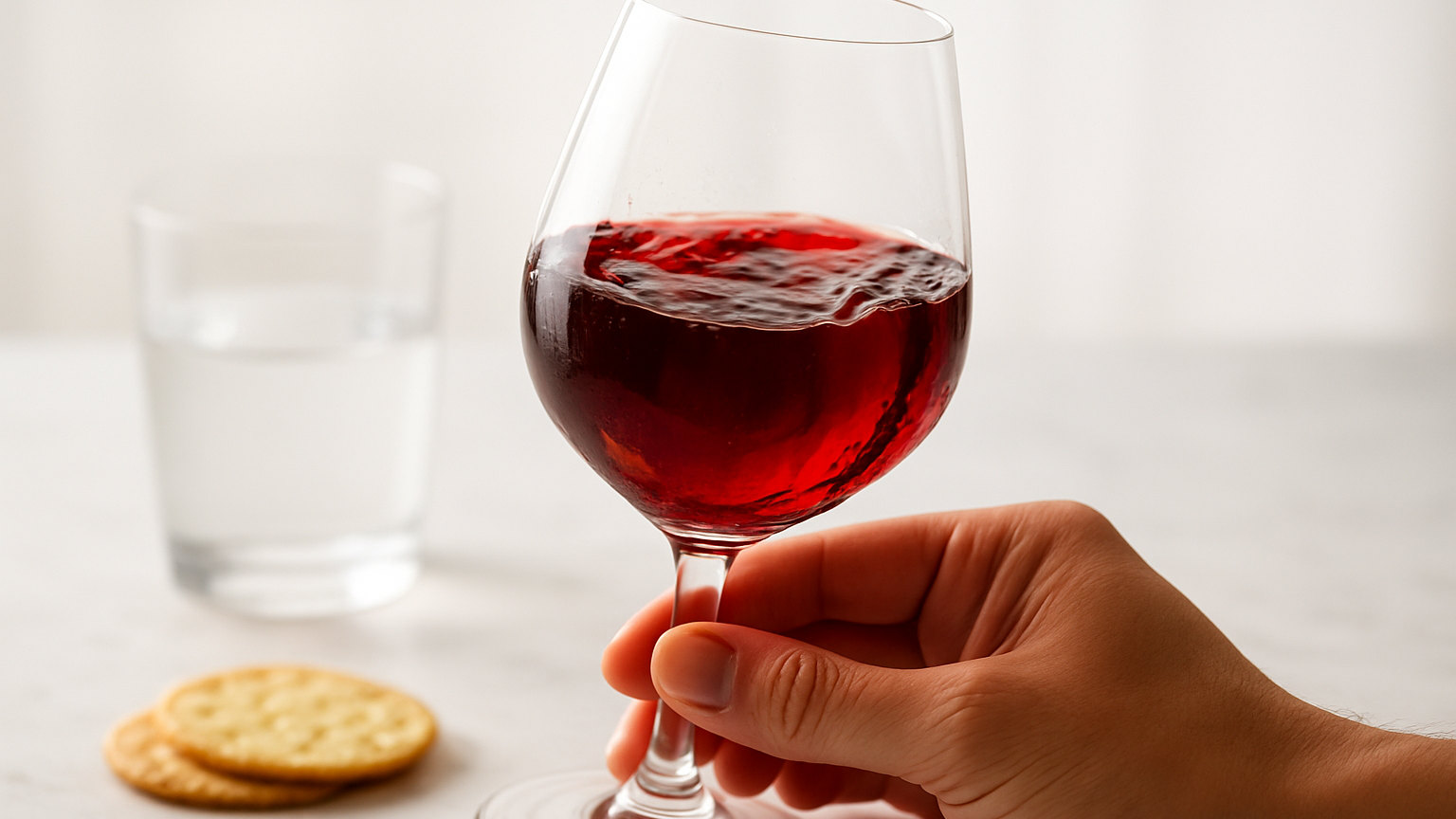
Tasting is not a performance and requires no vocabulary. It is a method for paying attention, and the useful parts of it take about thirty seconds to learn.
Fortified wine is wine with grape spirit added, and the timing of that addition decides everything. Add it during fermentation and the wine is sweet; add it afterwards and the wine is dry.
Rosé is made from black grapes, and the pink comes from a few hours of contact with the skins. Three methods produce it, and which one a producer chooses shapes everything about the wine.
Four different methods put fizz in a bottle, and the one a producer chooses determines the price, the flavour and how long the wine will keep. It is the most consequential decision in the category.
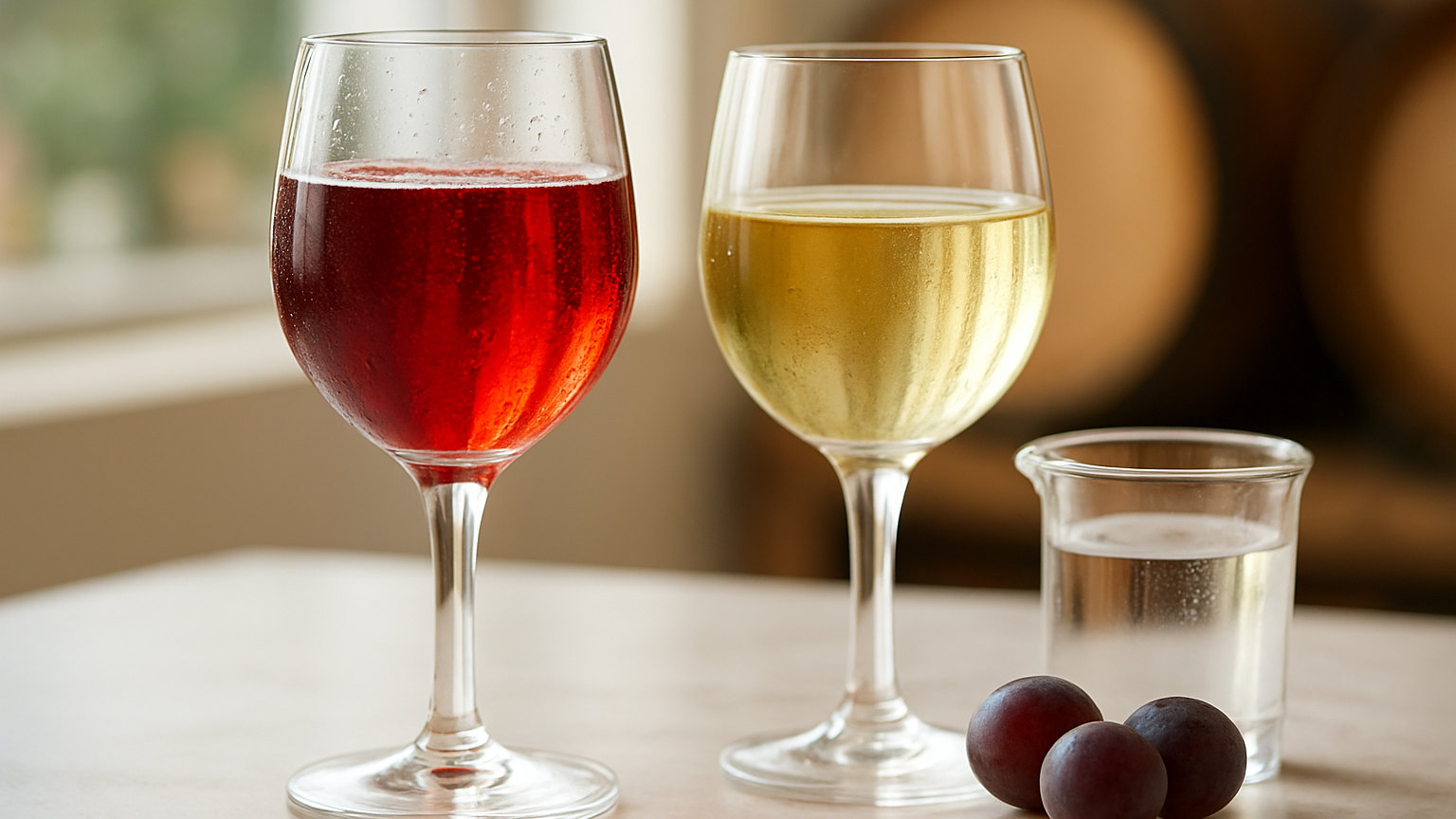
Shelf labels sort white wine into crisp and rich without ever explaining the difference. Four winemaking decisions account for nearly all of it, and three of them happen after the grapes are picked.
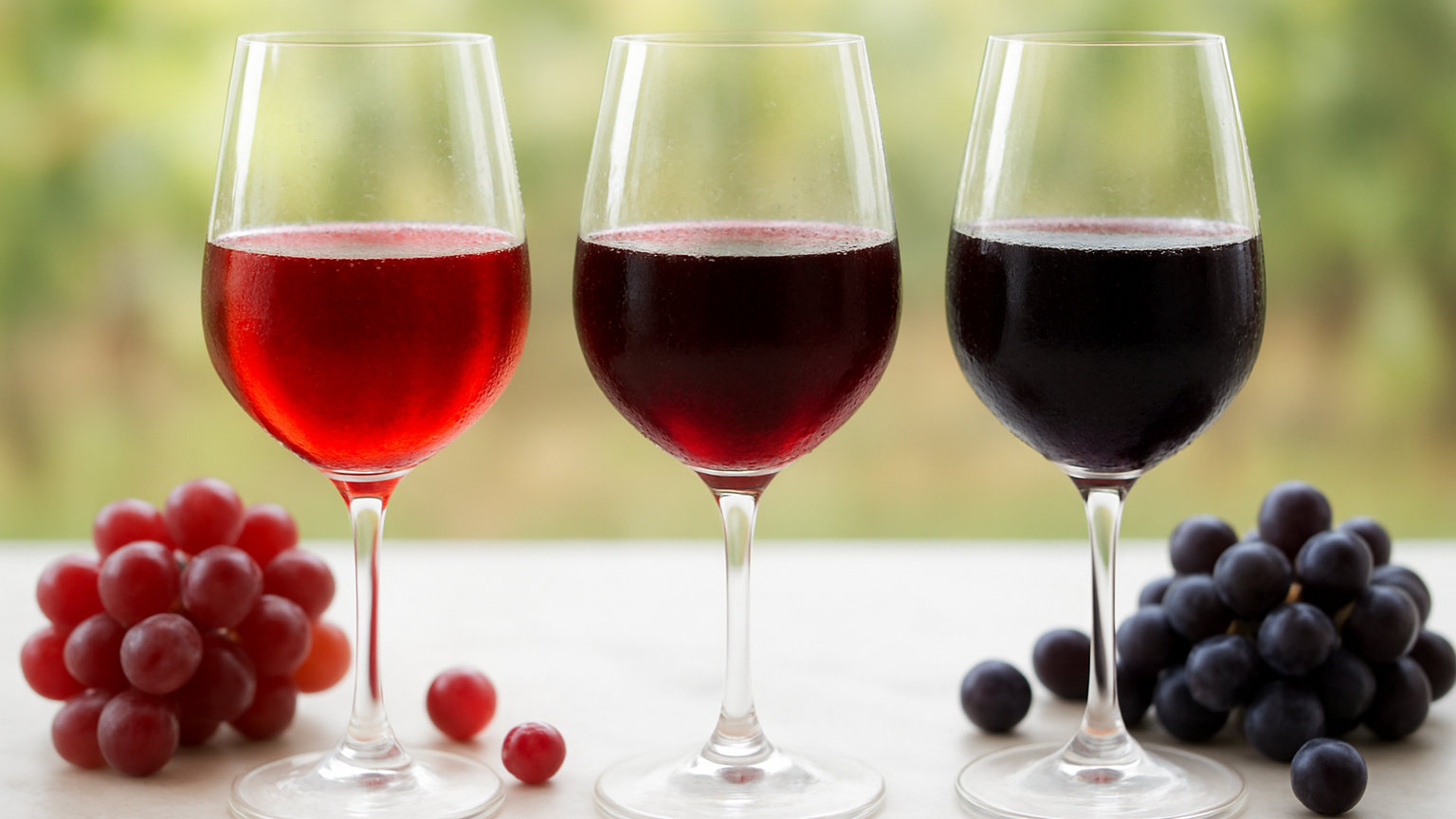
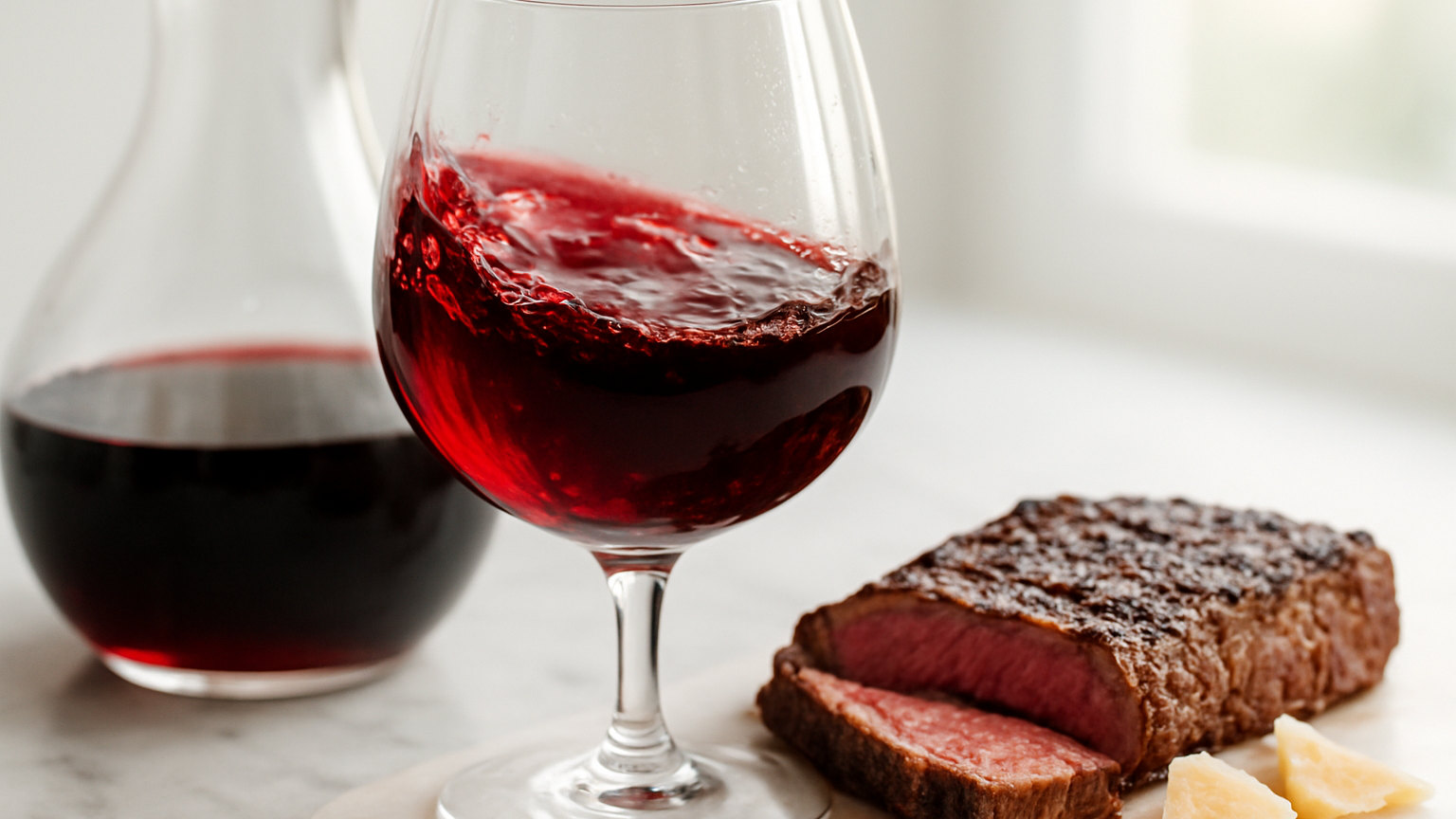
Tannin is the most discussed and least understood component of red wine. It is not a flavour, it is a texture, and understanding what it does explains why some reds need food and others do not.