Why Is English Sparkling Wine Suddenly Good?
England now produces sparkling wine that beats champagne in blind tastings. The reasons are a specific band of chalk, a warming climate and a deliberate decision taken in the 1980s.
Wine has more vocabulary attached to it than any other drink, and most of it exists to make buying harder rather than easier. These guides cover what the grape actually does, what a region tells you, how to taste without performing, and how to spend twelve pounds well.
England now produces sparkling wine that beats champagne in blind tastings. The reasons are a specific band of chalk, a warming climate and a deliberate decision taken in the 1980s.
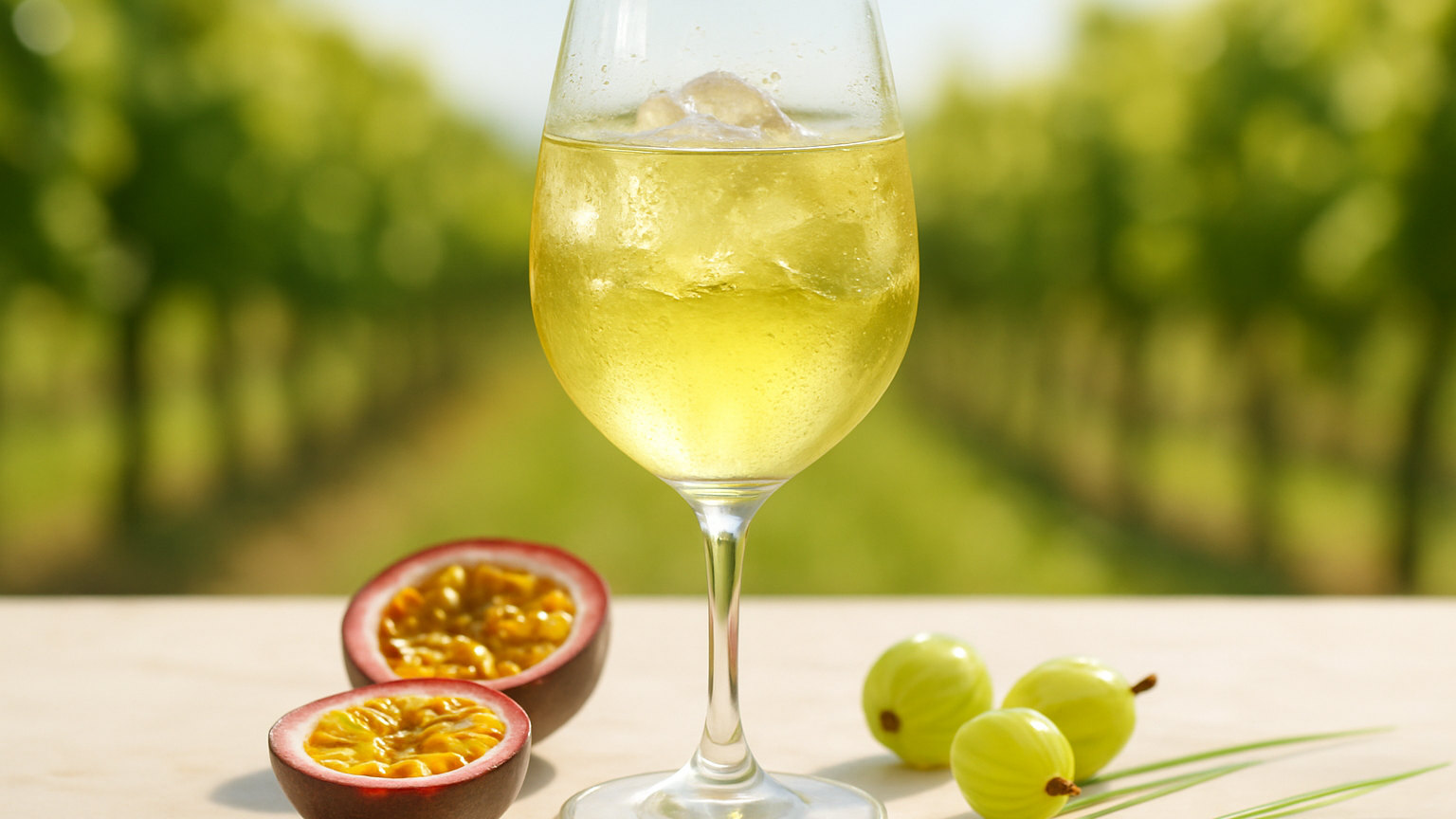
Grass, gooseberry and passionfruit are not poetic licence. Two specific families of compounds produce them, and how much of each ends up in the glass depends on where the grapes grew.
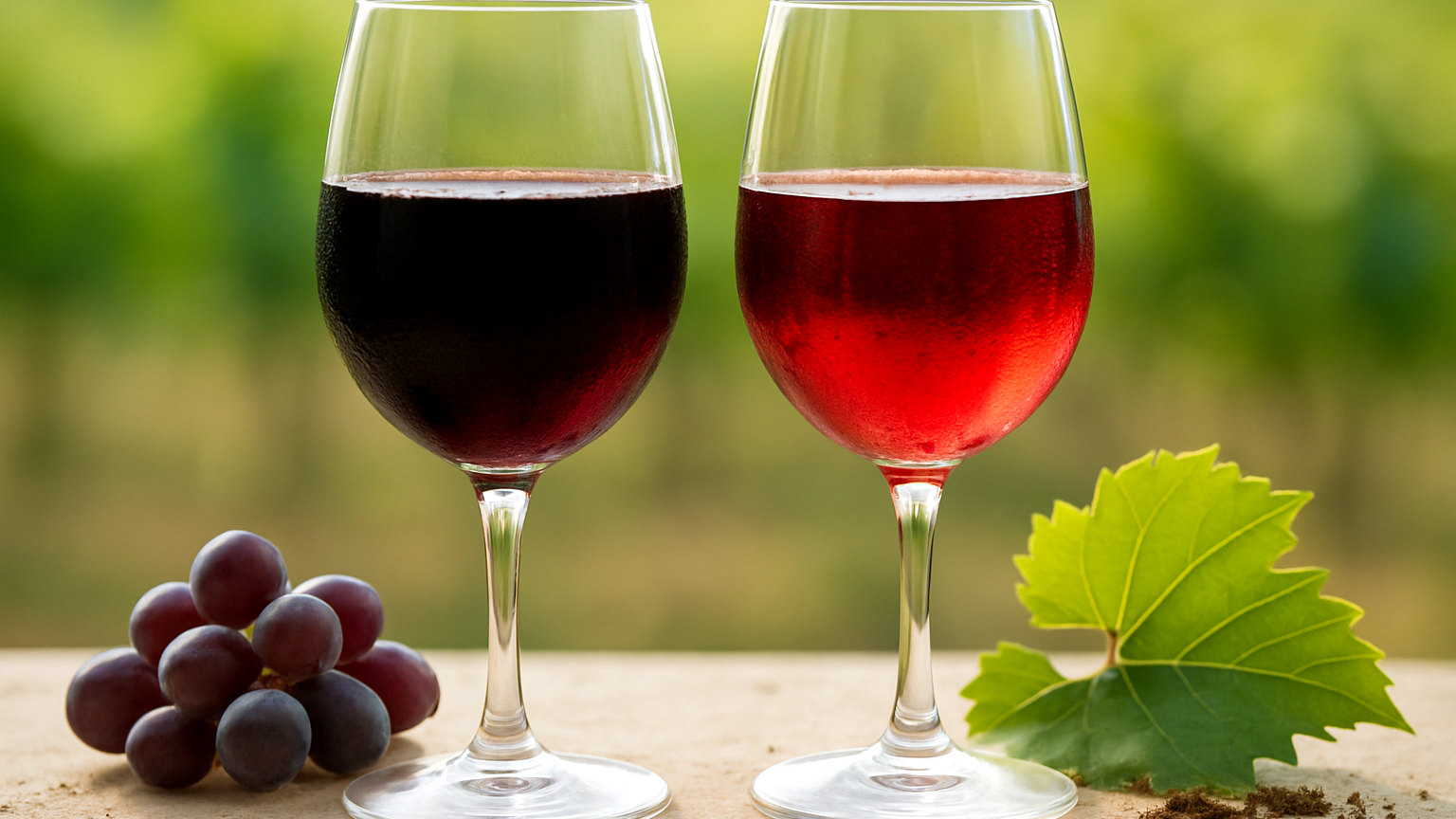
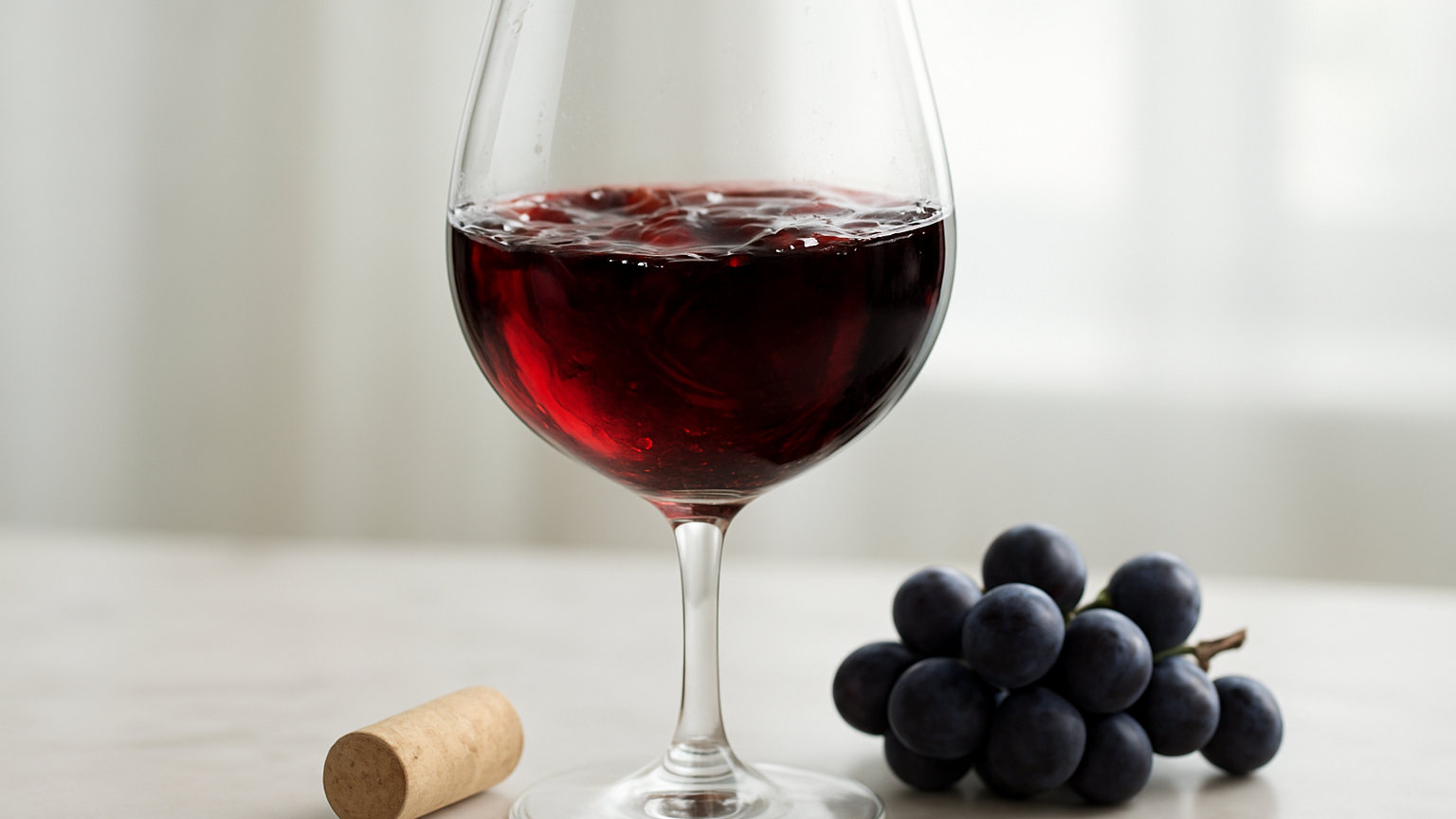
Chilean merlot and Bordeaux merlot are the same plant, and they taste almost nothing alike. The reasons are mostly climate, and they are the key to buying wine intelligently.
The instruction applies to natural cork and to long-term storage, and to nothing else. For screwcapped wine it is unnecessary, and for spirits it is actively harmful.
Cork taint is the famous fault and far from the only one. Several are genuine defects, several are matters of taste, and one of the most common complaints is not a fault at all.
Vintage port is bottled unfiltered and throws a heavy sediment, so decanting is genuinely necessary rather than ceremonial. Most other port needs nothing of the sort.
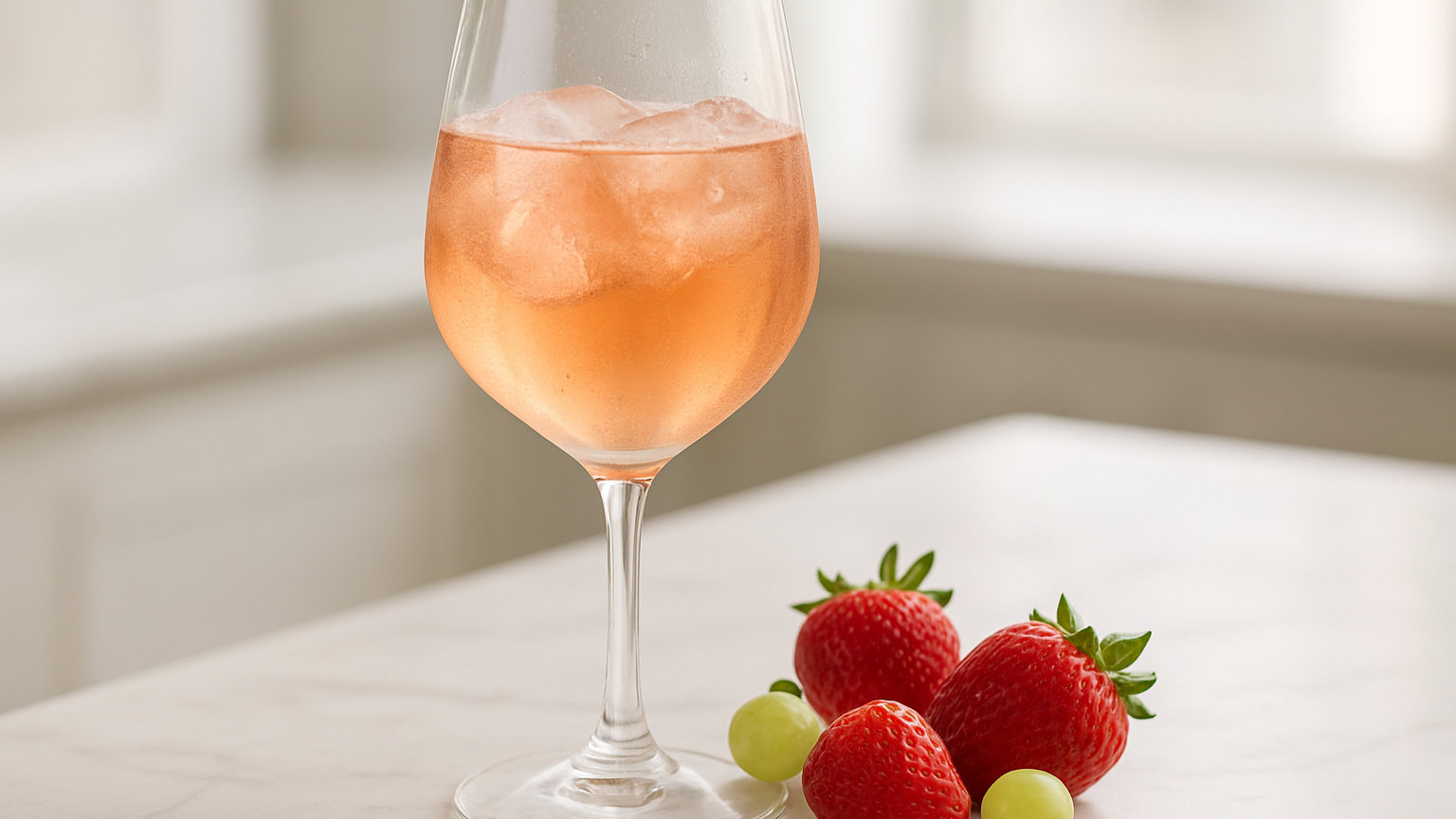
Rosé has a reputation for sweetness earned by a handful of styles and unfairly applied to the whole category. Most of what is sold in Britain today is bone dry.
The sweetness terms on sparkling wine are the most counterintuitive labelling in the drinks aisle. Extra dry is sweeter than brut, and brut nature is drier than both.
Chardonnay is blamed for a style that was never inherent to it. The buttery, vanilla-heavy wine that put a generation off the grape was a set of winemaking choices, not a grape characteristic.
Body is the most frequently used word in wine description and the least often defined. It refers to weight in the mouth, and it comes mostly from one measurable thing.
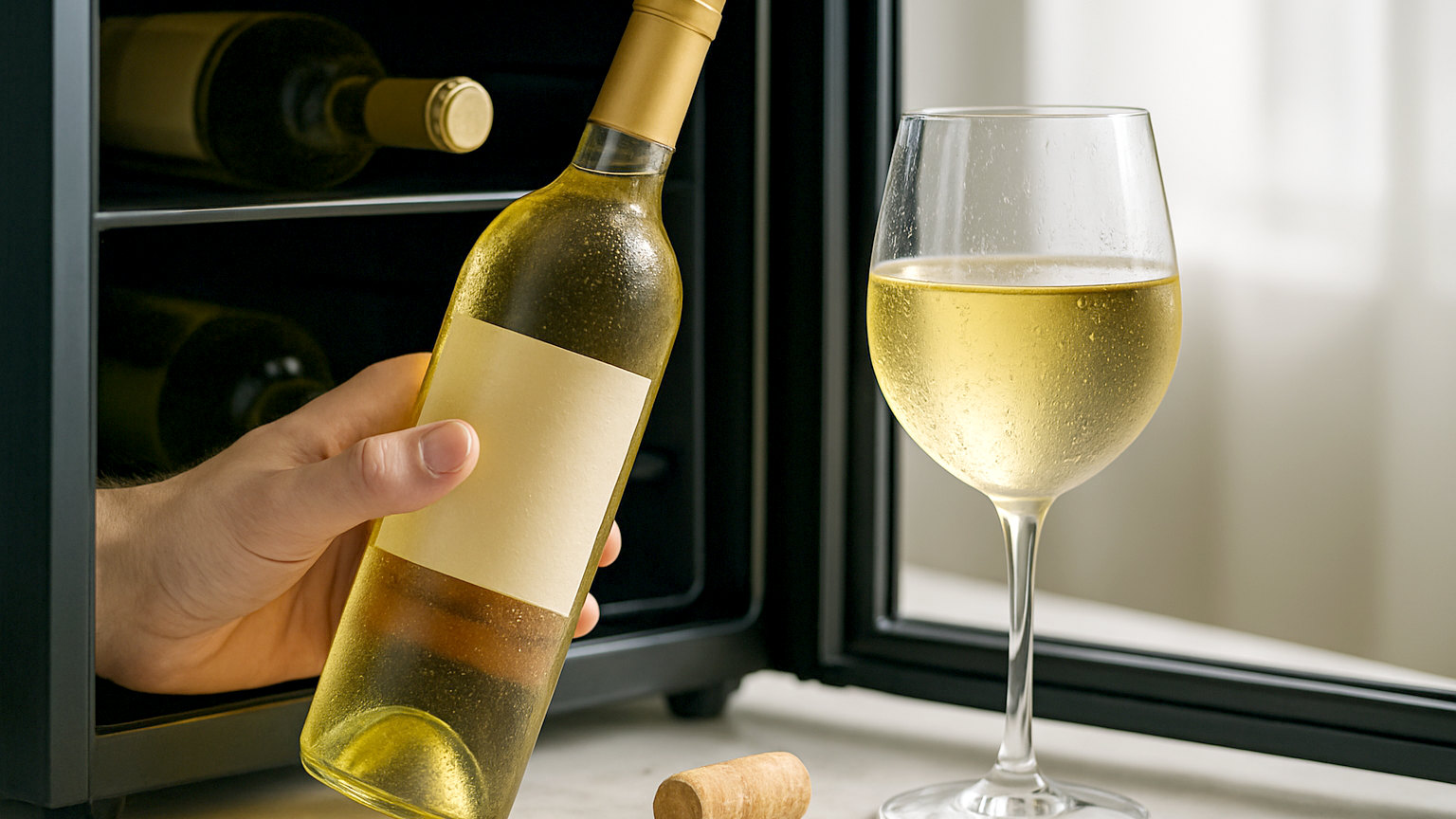
A wine fridge solves a real problem for a minority of drinkers and is an expensive way to store bottles that will be opened within the year. The decision turns on one question.
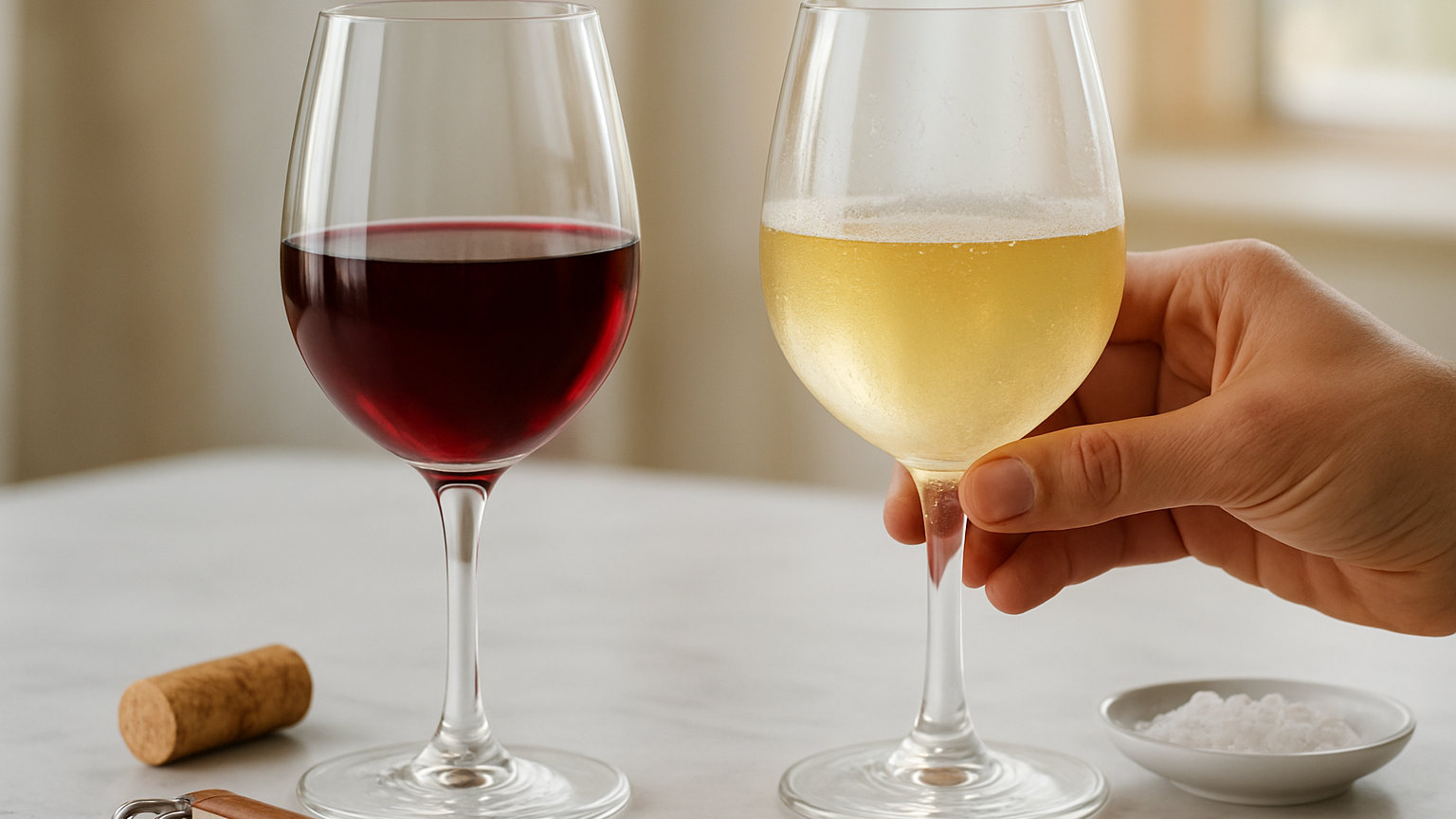
Corked has nothing to do with bits of cork in the glass. It is a specific chemical contamination affecting a small percentage of bottles, and once you recognise it you cannot unlearn it.